Business

Business – NEN Agency

Welcome to the Business section of NEN Agency, where we decode Pakistan’s economy, spotlight entrepreneurs, and track global market trends. From corporate boardrooms to small-town startups, our coverage connects you to the decisions, deals, and developments shaping financial life in Pakistan and beyond.

Inside This Category

  • Pakistan Economy: Government policies, taxation, inflation, trade, and growth indicators.

  • Startups & SMEs: Success stories of Pakistani entrepreneurs and innovative ventures.

  • Stock Market & Finance: Updates on PSX, forex, banking, and financial literacy.

  • Global Business: Trends from international markets, MNC activities, and economic events.

Why Our Business Coverage Stands Out
We don’t just report the numbers — we explain what they mean for you. Our team digs deeper into the “why” behind every headline, giving readers the context they need to make informed decisions.

Business

NHA Implements 71 Road Projects Worth Rs227 Billion Under PSDP

The National Highway Authority (NHA) is currently managing 71 road infrastructure projects with a significant budget of Rs227 billion. These projects are central to the Public Sector Development Programme (PSDP) 2025-26, highlighting Pakistan’s dedication to infrastructure investment as outlined in the Economic Survey 2025-26. This considerable investment in highway development targets enhancing transport networks nationwide. Infrastructure Investment and Economic Growth The economic survey underscores the importance of road transport infrastructure in driving economic growth and fostering regional integration. This year, the government has prioritized expanding and upgrading Pakistan’s highway network. This major public sector investment aims to boost nationwide connectivity, thus encouraging economic activities across the region. Economic Advantages of Highway Development Enhanced road connectivity is critical for various sectors of Pakistan’s economy. The infrastructure investment program aims to achieve several economic goals: Boosting trade between provinces and regions Enhancing commercial transport efficiency Improving mobility for both businesses and citizens Driving GDP growth by reducing logistics costs Promoting regional economic integration Critical Highway Projects in PSDP 2025-26 The 71 projects are strategically positioned in crucial corridors across Pakistan, showcasing the federal government’s commitment to modernizing transport infrastructure. The Rs227 billion investment is focused on improving transport connectivity and economic progress. Impact on Trade and Competitiveness The PSDP 2025-26 investment intends to decrease travel times and transportation costs for businesses and citizens across the nation. Lower logistics expenses are boosting trade competitiveness across various sectors. In the medium term, these infrastructure enhancements are expected to drive GDP growth. Improved connectivity is set to position Pakistan as a regional trade hub, enhancing the investment climate for both domestic and foreign enterprises.

Business

CPEC Driving Connectivity and Infrastructure Growth, Survey Finds

ISLAMABAD — The China-Pakistan Economic Corridor (CPEC) is playing a crucial role in enhancing connectivity and infrastructure growth, which are vital for regional economic integration. The Economic Survey 2025-26, released on Thursday, emphasizes CPEC’s increasing impact on Pakistan’s economy. This annual survey provides a comprehensive analysis of Pakistan’s economic performance, highlighting CPEC’s significant contribution to long-term development goals. The corridor is now progressing into a new phase of investment and expansion. Strategic Partnership Spurs Economic Growth The survey identifies CPEC as the flagship project of the strategic partnership between Islamabad and Beijing. This partnership thrives on mutual trust and shared economic interests, transforming several key sectors: Transportation and logistics infrastructure Energy generation and distribution Industrial development and manufacturing Trade facilitation and regional connectivity Infrastructure Projects Power Regional Integration CPEC’s infrastructure projects are at the heart of Pakistan’s regional economic integration efforts, linking major economic zones nationwide. This facilitates the smooth movement of goods and services. Enhanced connectivity strengthens cross-border trade, bolstering ties with neighboring markets. As CPEC expands, it attracts essential infrastructure investments, promoting long-term economic growth and increasing revenue generation in Pakistan. Pakistan as a Regional Trade Hub CPEC elevates Pakistan to a key position in regional economic cooperation. Its infrastructure network is crucial in connecting South and Central Asia. According to the survey, ongoing investment in CPEC projects will strengthen Pakistan’s economic links with regional partners. This integration not only supports continued revenue growth but also opens up opportunities for market expansion. CPEC’s development remains vital in supporting Pakistan’s economy, assisting various sectors, and enhancing the nation’s economic strategy and regional trade objectives.

Business

Pakistan Post Disburses Rs 1.86 Billion in Remittances in Early 2026

ISLAMABAD — Pakistan Post has successfully disbursed Rs 1.86 billion through 29,728 international remittance transactions from January to March 2026, according to the Economic Survey 2025-26. This significant amount underscores the agency’s crucial role in delivering financial services across Pakistan, particularly in regions with limited banking infrastructure. Collaboration with Western Union Pakistan Post, in collaboration with Western Union, efficiently manages these remittance transactions. This partnership generated Rs 7.5 million in revenue for the quarter. With operations spanning 469 post offices nationwide, Pakistan Post ensures accessible international transfer services throughout the country. Postal Banking Advancing Financial Inclusion Pakistan Post acts as a vital remittance channel in areas without access to commercial banks. Many parts of Pakistan lack traditional financial institutions, making post offices essential hubs for financial services. This extensive network guarantees necessary access to remittance services in rural and remote communities, where conventional banking options are often unavailable. Impact on the Economy and Market The operations substantially enhance financial inclusion by linking overseas workers with their families in rural regions. Nearly 30,000 transactions in one quarter indicate a steady demand for these indispensable financial services. Pakistan Post plays a pivotal role in stabilizing incomes in underserved areas, thereby promoting economic growth where banking services are sparse.

Business

SBP Launches First Research Agenda to Guide Policy Through 2029

KARACHI — The State Bank of Pakistan (SBP) has launched its inaugural Research Agenda for 2026–2029. This strategic initiative is designed to provide actionable insights for ensuring price stability and fostering sustainable, inclusive growth nationwide. Framework for Evidence-Based Policy This comprehensive four-year framework aims to modernize the central bank’s policy-making. By basing monetary and economic decisions on organized and forward-thinking research, the SBP is aligning its future priorities with the country’s economic challenges. This marks a significant shift towards evidence-based policy-making in Pakistan’s financial sector, promoting data-driven strategies instead of reactive approaches to economic changes. Core Areas for Economic Stability The SBP’s research agenda concentrates on three key areas essential for economic stability: Inflation management and price stability Financial stability in the banking sector Long-term economic development and sustainable growth These focus areas address critical challenges in Pakistan’s financial system by considering both current conditions and future development goals. Strengthening Monetary Policy With Research By clearly defining research priorities, the State Bank aims to better respond to evolving economic conditions. This outlined framework facilitates targeted solutions, empowering the SBP to effectively manage inflation, address banking sector vulnerabilities, and overcome growth constraints. This proactive approach is designed to reinforce Pakistan’s monetary policy framework through 2029. This initiative illustrates a solid commitment to data-driven economic policy-making, equipping the central bank to address future challenges with agility.

Business

Pakistan’s Total Foreign Reserves Rise to $22.67 Billion

KARACHI — Pakistan’s total liquid foreign reserves reached $22,671.7 million as of June 5, 2026. This rise reflects a positive shift in the country’s economic health. The State Bank of Pakistan (SBP) attributes this increase to higher central bank holdings. State Bank’s Contribution to Reserves Throughout the week, SBP’s foreign exchange reserves expanded by $25 million, elevating total central bank holdings to $17,215.2 million. These figures are part of the regular evaluation of Pakistan’s liquid foreign reserve positions. They offer insights into the nation’s financial stability and economic growth. Commercial Banks’ Role in Reserve Growth Commercial banks significantly contributed by adding $5,456.5 million to foreign reserves, marking an $11 million increase from the earlier period. These contributions are essential for enhancing reserve levels and supporting the national economy. Weekly Reserve Trends Data for the week ending May 29, 2026, shows improvement, with total reserves previously at $22,636 million. The reserve breakdown for the previous week was: SBP holdings: $17,190.4 million Commercial banks: $5,445.6 million The overall $36 million increase from both sectors highlights the strengthening of foreign exchange reserves. This progress aids Pakistan’s economy, fostering financial stability during the fiscal period.

Business

PSX Rebounds 276 Points to Close at 169,703

PSX Rebounds with 276 Point Gain The Pakistan Stock Exchange (PSX) experienced a positive session as the KSE-100 Index increased by 276.16 points. It closed at 169,703.60, representing a 0.16% rise from its earlier close of 169,427.44 points. This rebound marks a return to positive territory, overcoming previous market pressures that affected investor confidence. Market Shows Cautious Optimism Both traders and institutional investors express a cautiously optimistic outlook, displaying a bullish sentiment. Despite this increase, many are hesitant to engage in aggressive trading due to ongoing uncertainties about Pakistan’s economic future. Traders Focus on Economic Indicators Investors remain vigilant, monitoring key economic indicators before making substantial investments. This careful approach highlights the market’s sensitivity to macroeconomic changes and maintains a balance between optimism and existing uncertainties. Awaiting Comprehensive Trading Data At the time of this report, detailed trading volumes and sector-specific performance information are pending release. The Pakistan Stock Exchange is expected to release these updates soon. The anticipated data will provide insights into the KSE-100 Index’s performance and identify sectors contributing to the market’s recovery and overall trading activity.

Business

Pakistan Public Health Spending Rises 1.9% to Rs 942.2 Billion in FY2025

ISLAMABAD — In FY2025, Pakistan’s public health spending rose by 1.9% to Rs 942.2 billion, up from Rs 924.9 billion in FY2024. This information, presented in the Economic Survey 2025-26, highlights the federal government’s commitment to enhancing healthcare infrastructure. Growth in Healthcare Budget The Rs 17.3 billion increase in public health spending demonstrates the government’s effort to expand medical services nationwide. Federal authorities view this allocation as crucial for health sector development. The continuous rise in healthcare financing suggests the potential for more significant future investments. Universal Health Coverage Policies The Economic Survey emphasized the role of public health spending in achieving universal health coverage. Strategies include improving healthcare access through thoughtful budget allocations. Key Survey Highlights Strengthening primary healthcare facilities across provinces Enhancing medical infrastructure in underserved rural areas Expanding healthcare service delivery networks Boosting disease prevention and treatment capacities Healthcare Expenditure and GDP Even with a 1.9% increase, health expenditure as a GDP share remains below global standards. This gap signals significant potential for investing further in Pakistan’s economy. The Economic Survey expressed optimism about future budget allocations, predicting a steady rise in healthcare spending to meet growing needs. Economic Growth through Healthcare Investment Boosted healthcare financing is essential for economic growth, promoting a healthier, more productive workforce. The government aims to elevate Pakistan’s health infrastructure to international standards. This budget increase not only meets emerging healthcare needs but also aligns with broader economic development goals and fiscal strategies.

Business

Pakistan’s ICT Export Remittances Hit Record $3.38 Billion

ISLAMABAD — Pakistan’s Information and Communication Technology (ICT) sector has reached record-breaking export remittances of $3.38 billion from July to March in the fiscal year 2025-26. This marks a 19.7% increase compared to the previous year, as reported in the Economic Survey of Pakistan 2025-26. Finance Minister Muhammad Aurangzeb released the survey, highlighting this robust performance as the highest export remittance total recorded for any comparable nine-month period. Record Growth in Technology Exports During the first nine months of the fiscal year, Pakistan’s ICT exports demonstrated significant growth momentum. This underscores the rising importance of technology exports in boosting the national economy. As a major foreign exchange source, technology services are vital in enhancing the trade balance and reducing the trade deficit. Expanding IT Services Industry In this period, 34,420 registered IT and IT-enabled services firms operated in Pakistan. This diverse base of technology companies significantly contributed to the record exports. The increase in registered companies signifies the maturity of Pakistan’s digital economy, with firms offering services like software development and business process outsourcing. Factors Driving Export Success Increased number of registered technology firms Enhanced service delivery capabilities Growing international market demand Competitive pricing advantages Skilled workforce availability These elements position Pakistan favorably in the global technology services market, attracting international clients in search of cost-effective solutions. Government Initiatives in Digital Infrastructure The government actively supports the development of digital infrastructure within broader economic reforms. Efforts are made to enhance the freelance ecosystem and drive ongoing export growth. These initiatives aim to maintain the momentum of Pakistan’s ICT exports by improving connectivity and service delivery. The sector’s performance highlights the potential of technology services to drive economic growth. The substantial foreign exchange revenues emphasize the strategic importance of ICT exports to the national economy and trade competitiveness.

Business

FESCO to Auction Obsolete Equipment via E-Bidding on June 29

The Faisalabad Electric Supply Company (FESCO) plans to auction obsolete and unserviceable equipment through an electronic bidding system on June 29, 2026. This initiative represents a major step in modernizing asset disposal within Pakistan’s power sector. Digital Platforms for Transparency FESCO’s digital auction platform is crafted to enhance transparency and promote good governance. This project supports federal policies aimed at digitalizing public sector utilities, providing equal access to all involved parties. By utilizing an electronic system, FESCO minimizes the typical barriers found in physical auctions, thus reducing the likelihood of favoritism. Nationwide Participation and Revenue Boost The e-bidding method allows participants across the nation to join without geographical limitations. This accessibility increases competition, potentially boosting revenue from asset sales. Efficient Management of Auction Inventory The auction will feature equipment stored at FESCO facilities that is no longer functional. Selling these obsolete items not only optimizes warehouse space but also turns otherwise dormant assets into revenue. Enhances warehouse management Converts dormant assets into financial gain Supports sector-wide improvement Ensuring Accountability in E-Bidding The electronic system facilitates remote participation, removing the necessity for physical presence. Each transaction is digitally logged, creating an auditable trail that encourages accountability and prevents irregularities. This level of transparency bolsters financial oversight in the power sector, ensuring that regulatory authorities and auditors have clear records.

Business

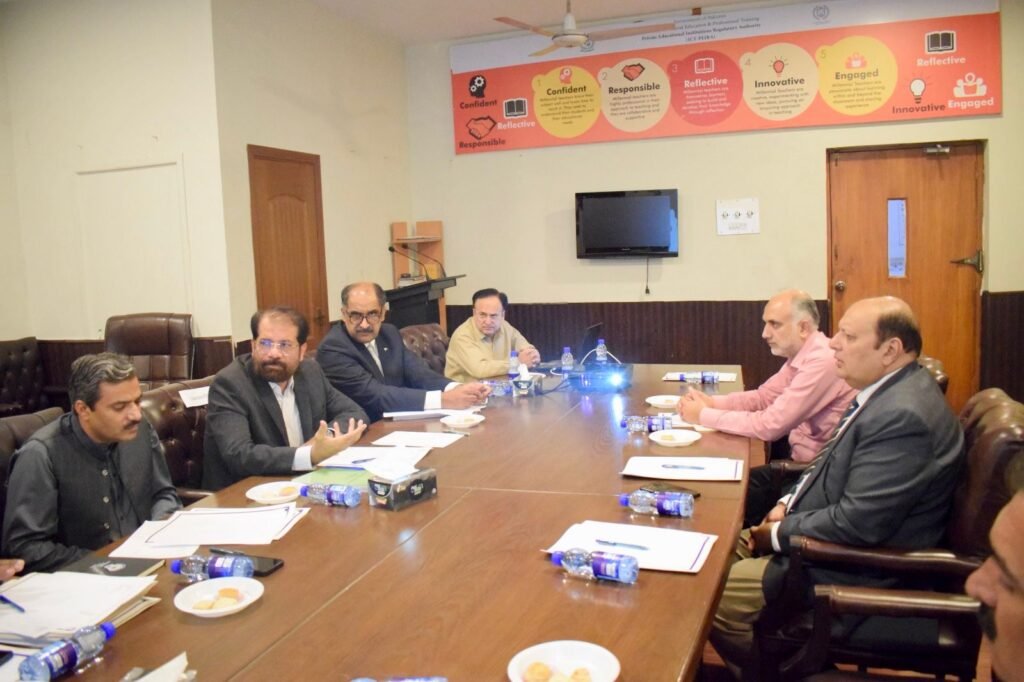
KP Minister Reviews PHE Department Projects in Malakand District

The Khyber Pakhtunkhwa Minister for Public Health Engineering, Fazal Shakoor Khan, carried out a comprehensive review of ongoing development projects in the Malakand district. The meeting focused on a range of schemes overseen by the Public Health Engineering department. Progress of PHE Development Schemes The session assessed the progress and implementation of several PHE projects. Officials spotlighted initiatives designed to improve Malakand’s infrastructure. The review targeted three critical areas essential for infrastructure development in Khyber Pakhtunkhwa: Project timelines and completion schedules Budget utilization and financial efficiency Operational challenges faced by the department This detailed evaluation aims to assure the timely completion of crucial projects. The provincial government is committed to effective monitoring to keep track of developmental progress. Water Supply and Sanitation Priorities Public health initiatives remain a primary priority in Malakand district. The PHE department runs several schemes to advance services for residents. Provincial projects aim to elevate community living standards and tackle infrastructure gaps. Key Focus Areas in Development Enhancing water supply systems Developing sanitation facilities Upgrading district-wide infrastructure Commitment to Infrastructure Improvement These initiatives strive for improved access to clean water and sanitation in Malakand. The government stresses the significance of public health engineering in raising living standards. The KP Minister’s review highlights the administration’s dedication to monitoring development progress. Officials foresee substantial advancements in public health infrastructure throughout Khyber Pakhtunkhwa. Collaboration between federal and provincial bodies in Pakistan supports efficient development scheme implementation, boosting project outcomes and service delivery.

Scroll to Top