Business

Business – NEN Agency

Welcome to the Business section of NEN Agency, where we decode Pakistan’s economy, spotlight entrepreneurs, and track global market trends. From corporate boardrooms to small-town startups, our coverage connects you to the decisions, deals, and developments shaping financial life in Pakistan and beyond.

Inside This Category

  • Pakistan Economy: Government policies, taxation, inflation, trade, and growth indicators.

  • Startups & SMEs: Success stories of Pakistani entrepreneurs and innovative ventures.

  • Stock Market & Finance: Updates on PSX, forex, banking, and financial literacy.

  • Global Business: Trends from international markets, MNC activities, and economic events.

Why Our Business Coverage Stands Out
We don’t just report the numbers — we explain what they mean for you. Our team digs deeper into the “why” behind every headline, giving readers the context they need to make informed decisions.

Business

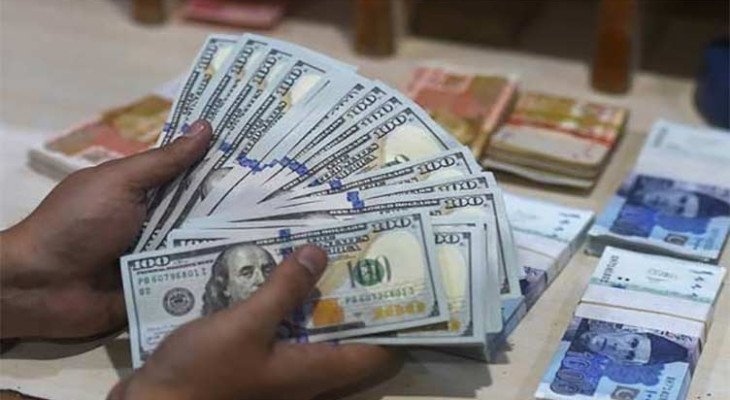
NBP Releases Latest Foreign Exchange Rates for Major Currencies

KARACHI — The Treasury Management Division of the National Bank of Pakistan (NBP) released the latest foreign exchange rates for major currencies on Monday, June 29. These rates are essential for businesses, investors, and individuals engaged in foreign transactions, offering a snapshot of the current economic landscape. Current Exchange Rates The National Bank of Pakistan disclosed the buying and selling rates for various currencies, reflecting current market fluctuations. According to NBP, the US dollar was sold at PKR 278.60 and bought at PKR 278.10. The euro was listed at a selling rate of PKR 317.22 and a buying rate of PKR 316.65. The British pound was priced at PKR 367.78 for selling and PKR 367.12 for buying. Other notable currencies include: Japanese yen: sold at PKR 1.7220, bought at PKR 1.7189 Swiss franc: sold at PKR 344.04, bought at PKR 343.42 Canadian dollar: selling rate PKR 196.36, buying rate PKR 196.01 Additional Currencies Australian dollar: sold at PKR 191.96, bought at PKR 191.62 Swedish krona: sold at PKR 28.63, bought at PKR 28.58 Norwegian krone and Danish krone are also listed For Middle Eastern currencies, the UAE dirham was sold at PKR 75.85 and bought at PKR 75.72. The Saudi riyal was listed at PKR 74.19 for selling and PKR 74.06 for buying. The Kuwaiti dinar, one of the highest-valued currencies, was sold at PKR 904.99 and bought at PKR 903.36. Influences on Exchange Rates The National Bank of Pakistan, a leading financial institution, regularly updates exchange rates to mirror market dynamics. Rates are influenced by factors such as economic indicators, geopolitical developments, and market speculation. NBP’s rates serve as a benchmark for currency conversion in Pakistan. Historically, Pakistan’s foreign exchange market has faced volatility due to challenges like trade deficits, inflation, and political instability. The State Bank of Pakistan, the central bank, plays a crucial role in managing foreign exchange reserves and ensuring currency market stability. Importance of Exchange Rates The exchange rates published by NBP significantly impact various stakeholders. For businesses engaged in international trade, these rates determine import costs and export competitiveness. Fluctuations can affect profit margins and pricing strategies. For individuals, particularly those receiving remittances from abroad, the exchange rate affects the value of transferred money. A stronger Pakistani rupee enhances the purchasing power for families relying on remittances. On a macroeconomic level, exchange rates influence inflation and monetary policy. A depreciating rupee can increase import costs, contributing to inflation. Conversely, a stronger rupee can help control inflation but may impact export competitiveness. Internationally, Pakistan’s exchange rates are monitored by investors and financial analysts as indicators of economic health and stability. Consistent rates can boost investor confidence, while volatility might deter foreign investment.

Business

National Bank Of Pakistan Releases Latest Currency Exchange Rates

KARACHI — The National Bank of Pakistan (NBP) has announced the latest currency exchange rates for major foreign currencies as of Monday, June 29. These rates are crucial for businesses, travelers, and financial institutions involved in foreign exchange transactions. NBP Currency Updates NBP, a leading financial institution in Pakistan, has released new buying and selling rates for major international currencies. The US dollar is now sold at 279.99 Pakistani rupees, with a slightly lower buying rate. These rates reflect current market conditions and fluctuate due to various economic factors. NBP’s currency rates serve as a financial market benchmark. They influence rates provided by other banks and currency exchange companies, impacted by international market trends, domestic economic policies, and geopolitical developments. Impact on Trade and Travel For import and export businesses, these rates directly affect international trade costs. Travelers and individuals remitting money to and from Pakistan rely on these rates for making informed financial decisions. NBP’s Financial Role Established in 1949, NBP plays a pivotal role in Pakistan’s financial landscape. As a state-owned entity, it implements government monetary policies and offers vital services to the economy. Regular updates of currency rates reflect changes in global and domestic economic environments. The volatility of the Pakistani rupee against major currencies is often influenced by inflation, trade deficits, and investment flows. NBP’s exchange rates are part of a framework aimed at stabilizing the currency and supporting economic growth. Currency Rate Significance Updated NBP currency rates are critical to Pakistan’s economy, affecting corporations, small businesses, and consumers. For international trade businesses, these rates determine the costs of importing and exporting goods, impacting profit margins. On a macroeconomic level, these rates influence inflation and purchasing power. A weaker rupee raises import costs, leading to inflationary pressures. Conversely, a stronger rupee can boost purchasing power but may reduce export competitiveness. Rate fluctuations affect living costs, especially for those relying on imported goods. Remittance flows to Pakistan are impacted too, influencing the local currency amount received. Global Perspectives Internationally, NBP’s currency rates are monitored by investors and analysts as indicators of Pakistan’s economic health. Stable rates can enhance investor confidence, attract foreign investment, and support economic development. Key Takeaways NBP has issued updated currency exchange rates for major foreign currencies. The US dollar is sold at 279.99 Pakistani rupees as of June 29. These rates impact businesses, travelers, and remittances in Pakistan. Exchange rates are influenced by global market trends and domestic economic policies. NBP’s rates serve as a financial market benchmark in Pakistan.

Business

Pulsz Casino Offers Over 1.1 Million Slot Games in the US

ISLAMABAD — Pulsz Casino, a leading name in the social casino gaming industry, now offers over 1.1 million slot games to players in the United States. This expansion cements Pulsz Casino’s market leader position, delivering diverse gaming experiences without traditional gambling risks. Game Expansion Strategy With a strategic expansion, Pulsz Casino features over 1.1 million slot games, aiming to dominate the social gaming sector with an extensive selection. Unlike social casinos limited to 50 to 100 titles, Pulsz Casino’s library offers unmatched variety. The casino’s model avoids financial losses by excluding real-money gambling. Players engage for entertainment, earning virtual bonuses. This appeals to those seeking casino game excitement without financial risks. User Engagement and Appeal The Associated Press of Pakistan highlights that Pulsz Casino’s offerings attract users exploring new games, events, and promotions. The online slot guide provides detailed updates, keeping players informed about the latest gaming developments. The Rise of Social Casinos In the last decade, social casinos have become popular for offering risk-free gaming environments. Unlike traditional casinos, these platforms do not require real-money wagers, focusing on social and entertainment aspects. This model thrives in the United States under stringent gambling regulations. Pulsz Casino leads this trend by expanding its library to serve a broad audience, enhancing user safety and enjoyment. Economic and Social Impact The expansion of Pulsz Casino’s game offerings highlights the growing demand for social casino games, a sector of significant growth. Companies like Pulsz Casino are well-placed to capture this expanding market as more users seek risk-free entertainment. Socially, a wide array of games improves user choice and enhances the experience, attracting both new and seasoned gamers. Implications for Policy and Regulation The success of social casinos like Pulsz could influence regulatory discussions about online gambling. As these platforms demonstrate the effectiveness of non-monetary models, they may impact policies balancing entertainment and consumer protection. Internationally, Pulsz Casino’s expansion might lead to similar developments in regions where online gambling is restricted, fostering broader acceptance of social casinos as legitimate entertainment. Key Highlights Pulsz Casino offers over 1.1 million slot games to US players. The model is entertainment-based, with no real-money gambling involved. The popularity of risk-free social casinos is increasing. Expansion could influence future online gambling regulations. Pulsz Casino’s growth may spur similar global trends.

Business

QUEST Nawabshah Achieves Global Recognition in 2026 Sustainability Rankings

NAWABSHAH — Quaid-e-Awam University of Engineering, Science and Technology (QUEST), Nawabshah, has secured a prestigious spot in the 2026 Times Higher Education Sustainability Impact Rankings. This achievement highlights the university’s commitment to sustainable development and its growing prominence on the global academic platform. Recognition for Sustainability QUEST Nawabshah was recognized for its impactful contributions to sustainability, earning a noteworthy position in the 2026 Times Higher Education Sustainability Impact Rankings. These rankings assess global universities based on their social and economic impacts, aligned with the United Nations’ Sustainable Development Goals (SDGs). QUEST has played a crucial role in embedding sustainability into its educational and operational frameworks. The Times Higher Education evaluates universities on criteria like research, stewardship, outreach, and teaching, contributing to the SDGs. QUEST’s ranking reflects its commitment to fostering an environment prioritizing sustainable practices and education. Vice Chancellor Dr. Saleem Raza Samo stated, “This recognition is a testament to our commitment to sustainability and our efforts to contribute positively to the global community.” Key impact areas include initiatives in sustainable energy, waste management, and community engagement. Historical Context Established in 1974, QUEST Nawabshah has a legacy of academic excellence and innovation. Over the years, it has evolved its programs and infrastructure to meet Pakistan’s educational needs. With a focus on engineering, science, and technology, QUEST leads in research and development. Introduced in 2019, the Times Higher Education Impact Rankings assess universities’ societal contributions beyond traditional metrics, focusing on their SDGs roles. Implications of Recognition Earning a top position in the 2026 Sustainability Impact Rankings has significant implications for QUEST and Pakistan’s higher education sector. QUEST enhances its prestige and boosts the global reputation of Pakistani universities. This recognition opens opportunities for international collaborations, funding, and attracting top-tier faculty and students, enhancing academic capabilities. For Pakistan, this achievement highlights the international recognition of its educational institutions’ contributions to global sustainability. Through research, innovation, and policy development, universities like QUEST can address local and global challenges, leading to advancements in renewable energy, environmental conservation, and sustainable urban development. These efforts benefit the nation’s economy and society. Emphasizing sustainability in education aligns with Pakistan’s national development goals, focusing on environmental protection and sustainable growth. By fostering a sustainable culture, universities prepare graduates to tackle pressing environmental and social issues globally. Key Takeaways QUEST Nawabshah achieved a significant position in the 2026 Times Higher Education Sustainability Impact Rankings. The rankings assess universities based on their contributions to the United Nations’ SDGs. This recognition enhances QUEST’s global reputation and elevates the standing of Pakistani universities. QUEST’s sustainability initiatives include efforts in energy, waste management, and community engagement. The university aims to align with national goals on sustainable development and environmental protection.

Business

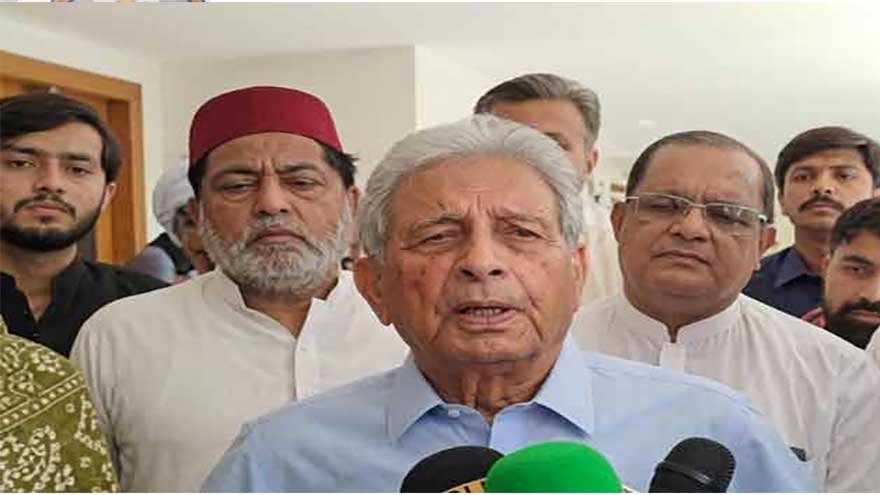
Pakistan May Purchase Iranian Oil Following Sanctions Lift, Says Minister

ISLAMABAD — Federal Minister for National Food Security and Research, Rana Tanveer Hussain, announced that Pakistan is considering purchasing Iranian oil contingent on the lifting of international sanctions. Hussain highlighted that resolving current geopolitical tensions could strengthen Pakistan’s economic prospects. Consideration of Oil Purchases Minister Hussain emphasized that Pakistan is exploring the feasibility of importing oil from Iran. This decision is being evaluated amidst ongoing discussions about the advantages of accessing Iranian oil, which might present a more affordable energy option for Pakistan. He noted that addressing regional conflicts and removing sanctions could open new avenues for energy imports, positively influencing Pakistan’s economic outlook. Easing tensions could lead to more stable and diversified energy resources for the nation. The prospect of Iranian oil is attractive due to geographical proximity and potential cost reductions compared to other international sources. Sanctions and Historical Context Iran has faced severe international sanctions primarily led by the United States, which have significantly restricted its oil export capabilities. These sanctions, motivated by concerns over Iran’s nuclear program, have created substantial barriers to its oil exports, affecting potential trade with countries like Pakistan. Pakistan’s energy sector, which relies on both imported and domestic sources, faces challenges from rising demand, volatile global oil prices, and limited local production. To broaden its energy portfolio, Pakistan has been pursuing international partnerships and investments in renewable energy. Economic Implications of Potential Deal Securing Iranian oil could substantially impact both countries’ economies. For Pakistan, accessing Iranian oil might lower energy costs, alleviate economic pressures, and possibly reduce consumer prices. It could also enhance energy security by diversifying supply sources and reducing reliance on unstable markets. This move could strengthen Pakistan-Iran relations by fostering cooperation in trade and energy sectors. It positions Pakistan as a key player in regional energy dynamics, potentially reshaping geopolitical alliances and economic partnerships. Lifting sanctions and restarting oil exports to Pakistan could stabilize Iran’s economy and increase revenue. This move might help Iran reclaim a position in the global oil market, reinforcing its economic resilience. The development reflects a changing geopolitical landscape where countries aim to diversify energy alliances and decrease dependency on traditional Western markets.

Business

Punjab Agriculture Department Advises Frequent Irrigation for Cotton Fields

LAHORE — The Punjab Agriculture Department has released crucial guidelines for cotton farmers, advising them to irrigate their fields every three days. This strategy aims to combat extreme heat, boost crop productivity, and shield cotton fields from adverse weather conditions. Impact of Weather on Cotton Crops With rising temperatures threatening the yield and quality of cotton crops, the Department highlights the necessity of preserving soil moisture. Regular irrigation every three days can notably reduce the stress on crops caused by high temperatures. In addition to irrigation, the advisory stresses the importance of improved crop management practices. Farmers are urged to conduct timely weeding, apply pest control measures, and ensure sufficient nutrient supply for their plants. A department spokesperson stated, “Farmers should be vigilant and adhere to these practices to safeguard their crops and ensure a good harvest.” Spreading the Recommendations The advisory is disseminated through local agricultural offices and farmer associations to increase awareness among cotton growers. Furthermore, the department provides technical support and guidance to help farmers apply these recommendations effectively. The Role of Cotton in Pakistan’s Economy Cotton is a significant cash crop in Pakistan, particularly in the fertile Punjab region, renowned for its ideal climate for cotton cultivation. However, production faces challenges from climate change, water scarcity, and pest infestations. Historically, Pakistan ranks among the leading producers and exporters of cotton, significantly contributing to the textile industry and the national economy. Still, shifting weather patterns and inadequate irrigation infrastructure impede consistent production levels. The government and agricultural bodies have been actively addressing these issues by promoting modern farming techniques and developing resilient crop varieties. Economic and Social Implications The advisory by the Punjab Agriculture Department is vital for averting reduced yields and financial losses resulting from extreme weather conditions. Regular irrigation focuses on maintaining stable production levels and preventing crop failure. Economically, disruptions in cotton production affect the textile industry, which depends heavily on domestic cotton. This could lead to potential raw material shortages and impact exports and employment. A reliable cotton supply is essential for economic stability and growth. On a social level, the advisory supports the livelihoods of thousands involved in cotton farming and related industries. It enhances income security, promotes rural development, and aids in poverty alleviation. Overall, the advisory reflects the ongoing efforts to adapt to climate change and endorse sustainable agricultural practices. In the face of unpredictable weather patterns, such initiatives are critical for building resilience in the agricultural sector and ensuring food security.

Business

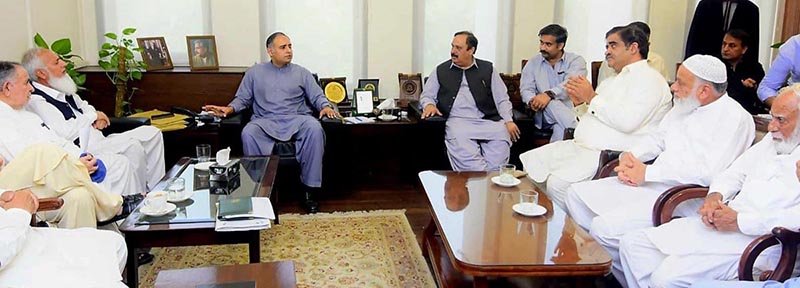
Minister Bilal Azhar Kayani Leads Talks on Jhelum Seats in AJK Elections

ISLAMABAD — Minister of State for Finance and Railways, Bilal Azhar Kayani, led a consultative meeting on Wednesday to strategize for the upcoming Azad Jammu and Kashmir (AJK) elections. The focus was on the two crucial Jhelum-related seats. The meeting aimed to discuss the electoral approach for these key constituencies. Meeting Highlights In Islamabad, Minister Kayani convened with political advisors and election strategists. The aim was to analyze the electoral dynamics of the Jhelum-related seats. Discussions centered on the political landscape, voter demographics, and potential challenges impacting election outcomes. This gathering is part of ongoing efforts to fine-tune the party’s strategy for the region. Minister Kayani emphasized understanding local issues and voter concerns. “Our approach must be grounded in reality, addressing the needs and aspirations of the people,” he emphasized. The talks also included potential alliances with local political entities to bolster the party’s position. Strategic Significance The Jhelum-related seats are vital due to their strategic location and voter base, potentially affecting overall results in the AJK elections. The meeting stressed the necessity for targeted campaigning and effective communication strategies to engage voters successfully. Background on AJK Elections The AJK elections are a major political event with various parties competing for influence. Historically, these elections have been marked by fierce competition and strategic alliances. The Jhelum-related seats are particularly noteworthy for their potential to sway outcomes. Recent shifts show AJK voters prioritizing local issues over national narratives. Historically, tight races in these constituencies have seen parties invest significant resources to gain influence. The AJK electoral process, marked by unique rules, adds complexity to the strategic approaches of political parties. Implications of the Elections The meeting led by Minister Kayani highlights the strategic importance of the Jhelum-related seats in the larger context of the AJK elections. The election outcomes may reshape the political landscape in the region, affecting relations with Pakistan’s central government. Economically, these results could influence regional development priorities, including infrastructure projects and social welfare initiatives. Politically, the elections are indicative of public sentiment and can guide policy decisions across various levels of government. Minister Bilal Azhar Kayani leads a strategic meeting on Jhelum-related seats in AJK elections. Strategies focus on understanding voter concerns to refine the electoral approach. Jhelum-related seats hold strategic importance, potentially influencing election outcomes. AJK elections’ unique rules add complexity to strategies of political parties.

Business

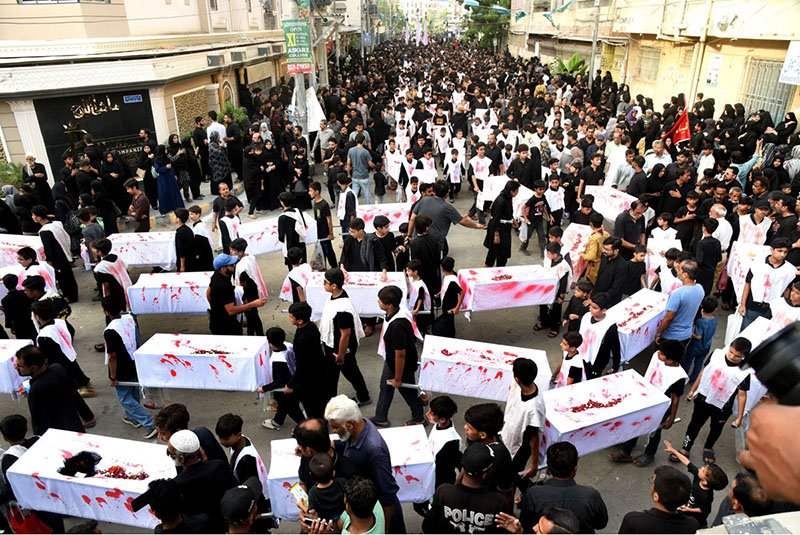
Mourners Honor Karbala Martyrs in Soyem Procession Across City

ISLAMABAD — Thousands of mourners participated in the Soyem procession to honor Shuhada-e-Karbala, the martyrs of Karbala. This significant event remembered the 72 loyal companions and family members of Hazrat Imam Hussain (AS), taking place on the third day after the Day of Ashura. Details of the Procession The Soyem procession, a key religious event for Shia Muslims, attracted a large gathering. Participants convened early at designated locations and moved through the city’s central roads. Wearing black as a symbol of mourning, they recited elegies and nohas in tribute to the martyrs. Religious scholars and community leaders joined, delivering speeches on the historical and spiritual importance of the Battle of Karbala. Enhanced security measures were in place to ensure safety, with law enforcement and community volunteers efficiently managing traffic and the crowds. Significance of Karbala The Battle of Karbala, occurring on the 10th of Muharram in 680 AD, holds a crucial place in Islamic history. Hazrat Imam Hussain (AS), the grandson of Prophet Muhammad (PBUH), stood against Yazid, the Umayyad caliph, fighting for his principles despite being outnumbered. He and his followers ultimately gave their lives in pursuit of justice. The Day of Ashura marks a peak in mourning, with the Soyem continuing the commemoration on its third day. It provides an opportunity for mourners to reflect on the lessons of Karbala and the lasting legacy of its martyrs. Religious and Economic Impact The Soyem procession holds profound religious and cultural significance for Shia Muslims worldwide, reinforcing the fight against oppression and the pursuit of justice. In Pakistan, it serves as a reminder of the importance of religious tolerance and harmony amid occasional sectarian tensions. Economically, the event boosts local businesses as vendors and service providers accommodate the large crowds. The government’s efforts in enhancing security showcase its dedication to ensuring citizen safety during religious events. Key Insights The Soyem procession honors Karbala martyrs, emphasizing sacrifice and justice. This religious event draws thousands of Shia Muslims, reflecting its cultural significance. Security measures were strengthened to ensure peaceful proceedings throughout the city. The procession highlights Pakistan’s need for religious tolerance and harmony. Local economies benefit from increased activity due to the procession-related gatherings.

Business

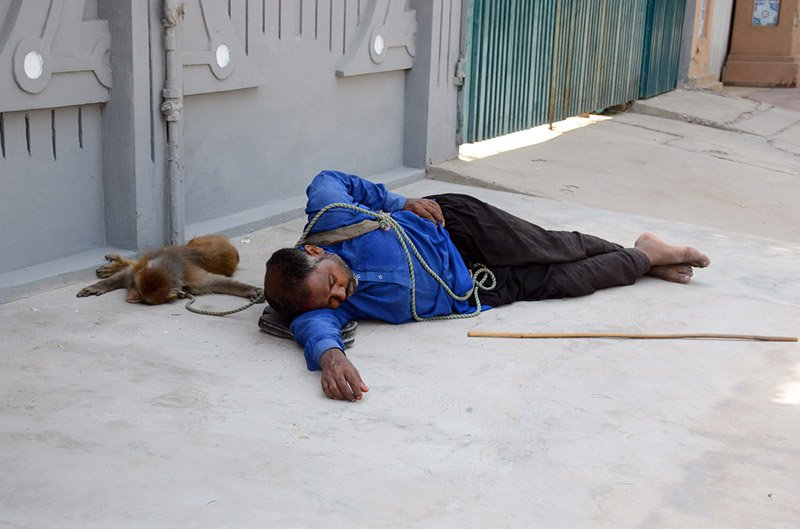
Juggler and Pet Monkey Rest Amid Scorching Heat in Multan

MULTAN — On June 28, 2026, a juggler and his pet monkey were seen taking a break outside a residential house in Multan, overwhelmed by the extreme summer heat. This highlights the challenges faced by street performers in Pakistan due to harsh weather for their livelihood. Current Situation Amidst the scorching heat, a juggler was found resting with his pet monkey under a tree’s shade in a residential area of Multan. Known for performing tricks and acts with his monkey, he appeared exhausted from the region’s soaring temperatures. Local residents frequently see him perform to earn a modest income from bystanders. The heatwave affecting Multan is part of a broader extreme weather pattern impacting South Asia. With temperatures routinely exceeding 40 degrees Celsius, outdoor workers face significant health risks. Similar to many workers, this juggler lacks adequate shelter or cooling facilities, complicating their efforts to manage the oppressive heat. Despite these challenges, eyewitnesses reported that the juggler and his monkey remained in good spirits. A local shopkeeper commented, “He often entertains here, and people enjoy it. But today, it was simply too hot.” This scenario underscores the vulnerability of informal workers in Pakistan, who must work in extreme conditions to support their families. Cultural and Economic Context Street performers, including jugglers and their animal companions, have greatly enriched Pakistan’s urban cultural scene, performing in public spaces, markets, and festivals. Operating within the informal economy, these performers lack formal employment contracts, health benefits, or social security. The current heatwave in Pakistan is not an isolated incident. The country faces increasingly severe weather due to climate change, aggravating challenges for outdoor workers such as street vendors, construction laborers, and performers. Though the government advises staying hydrated and minimizing sun exposure, economic pressures often override such guidance. Significance of Informal Sector The juggler’s situation in Multan reflects broader challenges faced by Pakistan’s informal workers. These individuals often lack the resources and support needed to protect themselves from environmental hazards. As climate change worsens these conditions, the frequency and intensity of heatwaves are expected to rise, escalating risks for vulnerable groups. Economically, the informal sector remains vital to Pakistan, sustaining millions of workers. However, the lack of formal recognition and support exposes these individuals to diverse risks, including health problems and financial instability. The story of the juggler emphasizes the urgent need for policies to address these vulnerabilities by ensuring basic protections and services. Socially, street performers add significantly to the cultural vibrancy in cities like Multan, providing joy and entertainment that nurture community spirit. However, without adequate support, these cultural contributors might abandon their professions, leading to a potential loss of cultural heritage. Essential Points A juggler and his pet monkey rested in Multan due to extreme heat. Temperatures in Multan have consistently exceeded 40 degrees Celsius, straining informal workers. Street performers lack formal employment benefits, increasing vulnerability during heatwaves. The informal sector is critical to Pakistan’s economy, despite lacking formal support. Climate change is intensifying extreme weather, posing increased risks.

Business

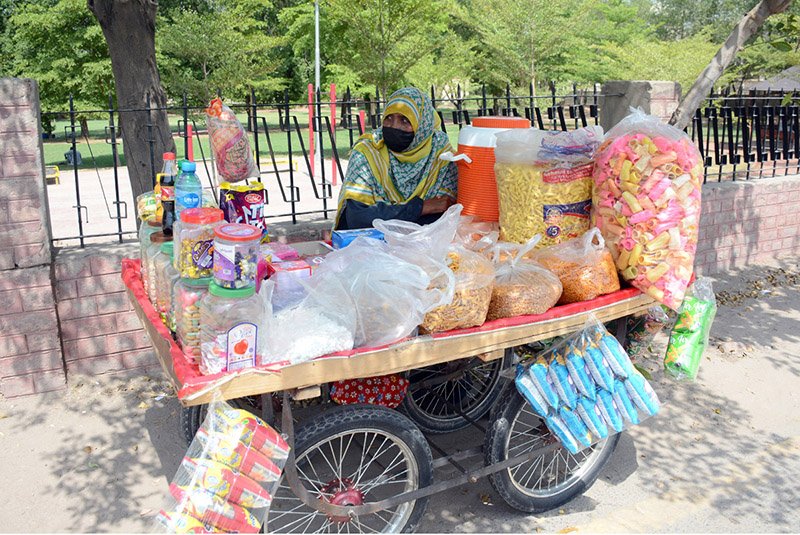
Woman Vendor Offers Snacks on Handcart at Multan’s General Bus Stand Road

MULTAN — On General Bus Stand Road in Multan, a woman has set up a lively handcart offering snacks and refreshments. She aims to attract commuters and locals alike. Her venture highlights the entrepreneurial spirit prevalent among the city’s street vendors, who depend on such small-scale enterprises for their livelihood. Entrepreneurial Efforts The vendor, preferring to stay anonymous, has strategically positioned her cart in a busy area. She provides a variety of snacks like samosas, pakoras, and local drinks. Her handcart, adorned with bright signs and neatly arranged snacks, draws those looking for quick, affordable meals. Street food is a vital part of everyday life in Multan. Building a Customer Base Over several months, the vendor has built a loyal clientele. “I buy snacks for my children here every day after school,” said a regular customer. Her business not only supports her family but serves the community by providing affordable food choices. Street vending thrives in Pakistan’s cities, where many turn to this informal economy sector for livelihood. Her cart features a small canopy, crucial for coping with Multan’s harsh summer heat. Historical Context Street vending has deep roots in Pakistan, offering a way out of poverty for many. In cities like Multan, vendors are integral to the urban economy by supplying accessible goods and services. Despite their impact, street vendors face challenges like lack of formal recognition, legal hurdles, and occasional municipal harassment. General Bus Stand Road is a bustling hub for vendors, though operating there involves competition and navigating urban regulations. Economic and Social Impact Street vendors at the General Bus Stand play crucial roles for various reasons. Economically, they provide affordable snacks to a wide range of consumers, especially low-income individuals. As inflation and economic instabilities strain budgets, this service becomes essential. Socially, vendors add to urban culture, strengthening community ties and familiarity. In culturally rich Multan, they offer locals and visitors a taste of traditional Pakistani cuisine. Challenges and Opportunities A woman vendor in Multan attracts customers with her snack-filled handcart on General Bus Stand Road. Street vending is vital to Pakistan’s informal economy, offering affordable food choices. Vendors confront challenges like legal barriers and competition, notwithstanding their economic contributions. They add cultural and social value to urban areas such as Multan. Improved policies are needed to integrate vendors effectively into the urban economy.

Scroll to Top