
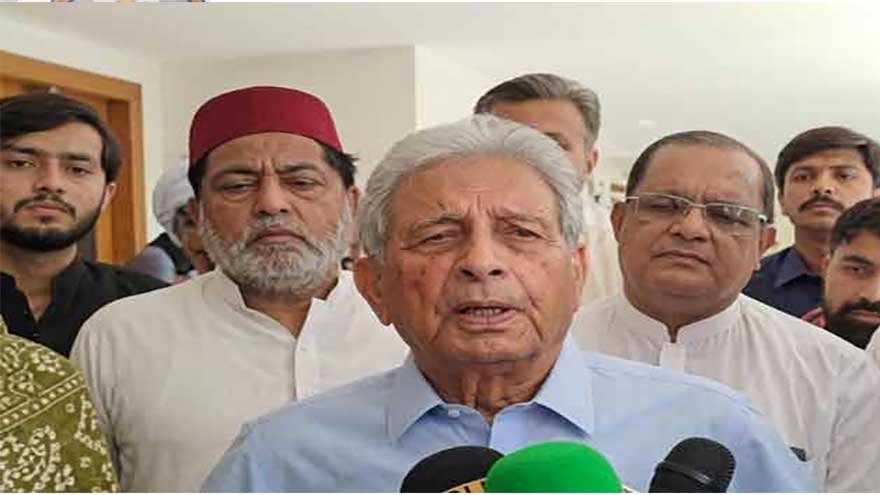
ISLAMABAD — Federal Minister for National Food Security and Research, Rana Tanveer Hussain, announced that Pakistan is considering purchasing Iranian oil contingent on the lifting of international sanctions. Hussain highlighted that resolving current geopolitical tensions could strengthen Pakistan’s economic prospects.
Consideration of Oil Purchases
Minister Hussain emphasized that Pakistan is exploring the feasibility of importing oil from Iran. This decision is being evaluated amidst ongoing discussions about the advantages of accessing Iranian oil, which might present a more affordable energy option for Pakistan.
He noted that addressing regional conflicts and removing sanctions could open new avenues for energy imports, positively influencing Pakistan’s economic outlook. Easing tensions could lead to more stable and diversified energy resources for the nation.
The prospect of Iranian oil is attractive due to geographical proximity and potential cost reductions compared to other international sources.
Sanctions and Historical Context
Iran has faced severe international sanctions primarily led by the United States, which have significantly restricted its oil export capabilities. These sanctions, motivated by concerns over Iran’s nuclear program, have created substantial barriers to its oil exports, affecting potential trade with countries like Pakistan.
Pakistan’s energy sector, which relies on both imported and domestic sources, faces challenges from rising demand, volatile global oil prices, and limited local production. To broaden its energy portfolio, Pakistan has been pursuing international partnerships and investments in renewable energy.
Economic Implications of Potential Deal
Securing Iranian oil could substantially impact both countries’ economies. For Pakistan, accessing Iranian oil might lower energy costs, alleviate economic pressures, and possibly reduce consumer prices. It could also enhance energy security by diversifying supply sources and reducing reliance on unstable markets.
This move could strengthen Pakistan-Iran relations by fostering cooperation in trade and energy sectors. It positions Pakistan as a key player in regional energy dynamics, potentially reshaping geopolitical alliances and economic partnerships.
- Lifting sanctions and restarting oil exports to Pakistan could stabilize Iran’s economy and increase revenue.
- This move might help Iran reclaim a position in the global oil market, reinforcing its economic resilience.
- The development reflects a changing geopolitical landscape where countries aim to diversify energy alliances and decrease dependency on traditional Western markets.














