
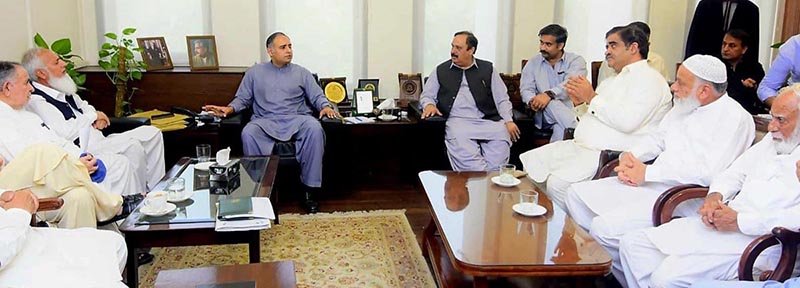
ISLAMABAD — Minister of State for Finance and Railways, Bilal Azhar Kayani, led a consultative meeting on Wednesday to strategize for the upcoming Azad Jammu and Kashmir (AJK) elections. The focus was on the two crucial Jhelum-related seats. The meeting aimed to discuss the electoral approach for these key constituencies.
Meeting Highlights
In Islamabad, Minister Kayani convened with political advisors and election strategists. The aim was to analyze the electoral dynamics of the Jhelum-related seats. Discussions centered on the political landscape, voter demographics, and potential challenges impacting election outcomes. This gathering is part of ongoing efforts to fine-tune the party’s strategy for the region.
Minister Kayani emphasized understanding local issues and voter concerns. “Our approach must be grounded in reality, addressing the needs and aspirations of the people,” he emphasized. The talks also included potential alliances with local political entities to bolster the party’s position.
Strategic Significance
The Jhelum-related seats are vital due to their strategic location and voter base, potentially affecting overall results in the AJK elections. The meeting stressed the necessity for targeted campaigning and effective communication strategies to engage voters successfully.
Background on AJK Elections
The AJK elections are a major political event with various parties competing for influence. Historically, these elections have been marked by fierce competition and strategic alliances. The Jhelum-related seats are particularly noteworthy for their potential to sway outcomes. Recent shifts show AJK voters prioritizing local issues over national narratives.
Historically, tight races in these constituencies have seen parties invest significant resources to gain influence. The AJK electoral process, marked by unique rules, adds complexity to the strategic approaches of political parties.
Implications of the Elections
The meeting led by Minister Kayani highlights the strategic importance of the Jhelum-related seats in the larger context of the AJK elections. The election outcomes may reshape the political landscape in the region, affecting relations with Pakistan’s central government.
Economically, these results could influence regional development priorities, including infrastructure projects and social welfare initiatives. Politically, the elections are indicative of public sentiment and can guide policy decisions across various levels of government.
- Minister Bilal Azhar Kayani leads a strategic meeting on Jhelum-related seats in AJK elections.
- Strategies focus on understanding voter concerns to refine the electoral approach.
- Jhelum-related seats hold strategic importance, potentially influencing election outcomes.
- AJK elections’ unique rules add complexity to strategies of political parties.














