
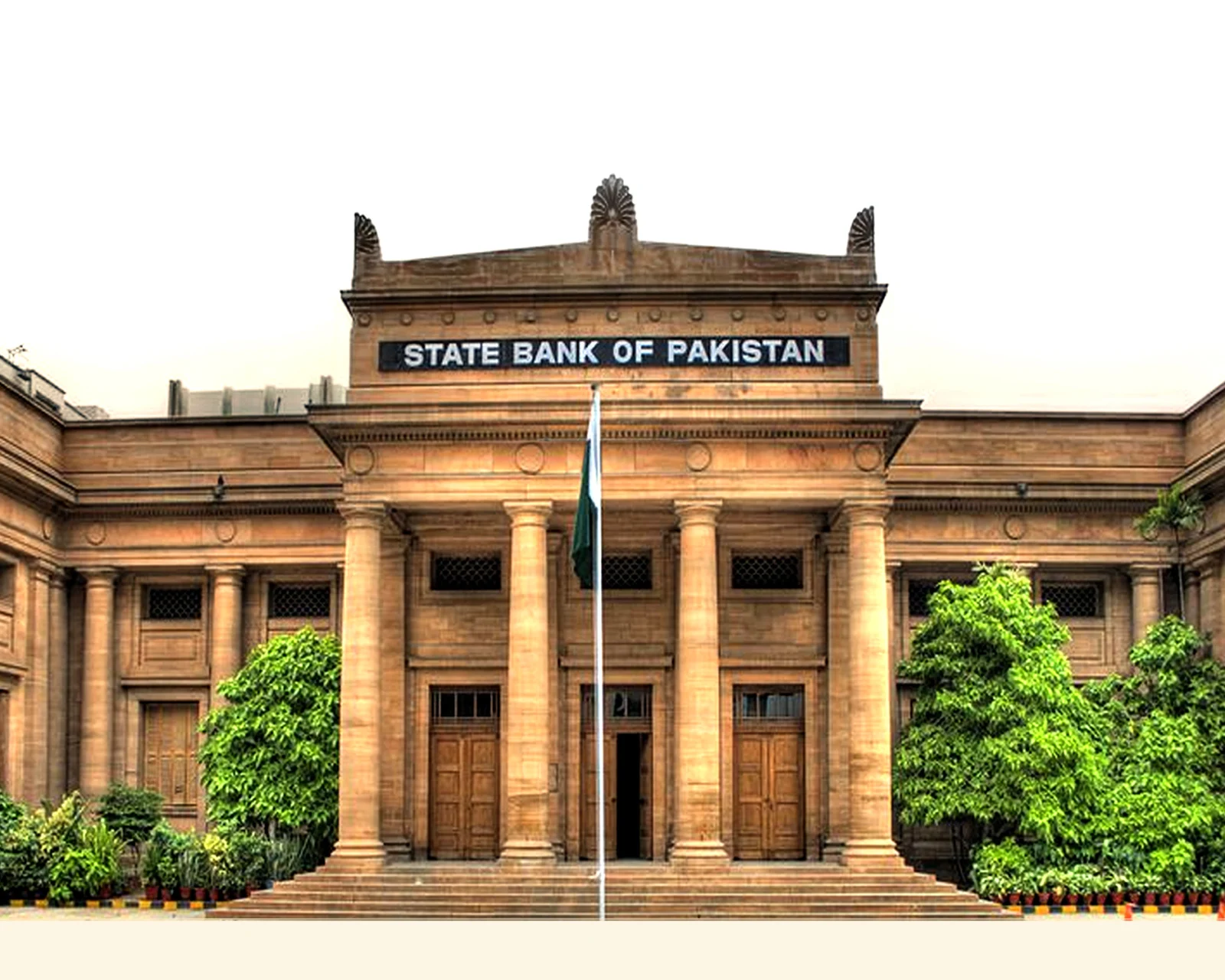
KARACHI — The State Bank of Pakistan (SBP) announced on Friday the designation of Domestic Systemically Important Banks (D-SIBs) for the year 2026. This designation, part of the SBP’s regulatory framework, includes United Bank Limited, Habib Bank Limited, and National Bank of Pakistan.
What Happened
The State Bank of Pakistan, in a statement released on August 21, outlined the selection of three major banks as Domestic Systemically Important Banks for the year 2026. This decision follows a comprehensive evaluation process aligned with the SBP’s framework for D-SIBs. The banks identified—United Bank Limited, Habib Bank Limited, and National Bank of Pakistan—are recognized for their significant role in the stability and functioning of the country’s financial system.
The designation process involves a rigorous assessment of the banks’ size, interconnectedness, substitutability, and complexity. These criteria are crucial in determining the impact that a bank’s distress or failure could have on the broader financial system and economy. The SBP’s framework aims to ensure that these banks maintain higher capital buffers and adhere to stricter regulatory requirements to mitigate systemic risks.
In its announcement, the SBP emphasized the importance of these banks in maintaining economic stability. “The identification of D-SIBs underscores our commitment to safeguarding the financial system,” stated an SBP official. The central bank also noted that these institutions would be subject to enhanced supervisory measures to ensure their resilience.
Background
The concept of Domestic Systemically Important Banks was introduced following the global financial crisis of 2008, which highlighted the need for stronger regulatory oversight of large financial institutions. In Pakistan, the SBP developed a framework to identify and regulate D-SIBs, aiming to prevent any potential threats to the financial system.
Historically, the SBP has designated D-SIBs annually, with the criteria and framework evolving to address emerging risks and challenges. The framework requires designated banks to hold additional capital reserves, conduct regular stress testing, and implement recovery and resolution plans.
In previous years, the SBP has consistently identified major banks such as United Bank Limited and Habib Bank Limited as D-SIBs, reflecting their significant market presence and critical role in the economy.
Why It Matters
The designation of D-SIBs is crucial for maintaining financial stability in Pakistan. These banks play a pivotal role in the economy, handling a substantial portion of the country’s deposits and loans. Their failure could have severe repercussions, leading to a loss of confidence in the banking sector and broader economic instability.
By imposing stricter regulatory requirements on D-SIBs, the SBP aims to ensure that these banks remain resilient in the face of financial shocks. This is particularly important given the current economic challenges facing Pakistan, including inflationary pressures and external debt obligations.
Furthermore, the designation aligns with international best practices, as seen in other countries where systemically important banks are subject to heightened scrutiny. This not only protects the domestic financial system but also enhances Pakistan’s credibility in the global financial community.
For citizens, the stability of these banks means greater confidence in the safety of their deposits and the reliability of financial services. It also reassures investors and businesses, fostering a conducive environment for economic growth and development.
Key Takeaways
- The SBP has designated United Bank Limited, Habib Bank Limited, and National Bank of Pakistan as D-SIBs for 2026.
- The designation is part of the SBP’s framework to enhance financial stability by imposing stricter regulatory requirements on these banks.
- D-SIBs are required to maintain higher capital buffers and adhere to enhanced supervisory measures.
- The designation is crucial for preventing systemic risks and ensuring the resilience of Pakistan’s financial system.
- This initiative aligns with international practices and bolsters confidence in Pakistan’s banking sector.
Source Attribution
This article is based on official statements from the State Bank of Pakistan and public communications from relevant authorities.














