

2026

Pakistan

Gold Prices Decline By Rs1,100 Per Tola In Pakistan

ISLAMABAD — The prices of gold in Pakistan experienced a notable decrease on Saturday, with 24 karat gold per tola dropping by Rs1,100 to reach Rs439,836. This decline was reported by the All Pakistan Sarafa Gems and Jewellers Association, reflecting changes in the local market dynamics. What Happened The All Pakistan Sarafa Gems and Jewellers Association announced a decrease in the price of 24 karat gold, which fell by Rs1,100 per tola, setting the new price at Rs439,836. Additionally, the price of 10 grams of 24 karat gold also saw a reduction, decreasing by Rs943. These changes are indicative of fluctuating market conditions and are influenced by various factors including international gold prices, currency exchange rates, and local demand. The association regularly updates the gold rates in Pakistan, which are closely monitored by investors and consumers alike. The recent decline in prices can be attributed to a combination of global economic conditions and local market responses. Gold prices often fluctuate due to changes in the international market, where factors such as the strength of the US dollar, interest rates, and geopolitical tensions play a significant role. In recent months, the global gold market has witnessed volatility, with prices reacting to economic indicators and policy changes in major economies. The local market in Pakistan is no exception, as it mirrors these international trends while also being affected by domestic factors such as inflation and consumer purchasing power. Background Gold has traditionally been a popular investment and a symbol of wealth in Pakistan, often used in jewelry and as a hedge against inflation. The country’s gold market is influenced by both international and local factors. Historically, gold prices in Pakistan have shown a strong correlation with global trends, though local demand and currency fluctuations also play a crucial role. The All Pakistan Sarafa Gems and Jewellers Association is the primary body responsible for setting gold prices in the country. It takes into account the international market rates and adjusts the local prices accordingly. The association’s announcements are eagerly awaited by traders and consumers, as they directly impact purchasing decisions. In the past, gold prices in Pakistan have been affected by various economic policies and global events. For instance, changes in the US Federal Reserve’s interest rates or shifts in the global economic outlook can lead to significant price adjustments. Additionally, during times of economic uncertainty, gold is often seen as a safe haven, leading to increased demand and higher prices. Why It Matters The decline in gold prices is significant for several reasons. Economically, it affects both investors and consumers. For investors, lower gold prices may present an opportunity to buy at a reduced rate, potentially leading to increased investment activity. Consumers, particularly those purchasing gold for weddings or other cultural events, may find the reduced prices more accessible, thus boosting local demand. Socially, gold holds cultural significance in Pakistan, often being a part of dowries and gifts during weddings and other celebrations. The affordability of gold can influence social practices and consumer behavior, impacting the overall demand in the market. Politically, the fluctuation in gold prices can reflect broader economic conditions and government policies. A stable or declining gold price may indicate confidence in the local currency and economic policies, while significant increases might suggest economic instability or inflation concerns. Internationally, Pakistan’s gold market is interconnected with global trends. Changes in the local market can reflect broader economic shifts, influencing Pakistan’s trade balance and foreign exchange reserves. The recent decline in gold prices may also impact Pakistan’s import and export dynamics, as gold is a significant component of the country’s trade portfolio. Key Takeaways Gold prices in Pakistan decreased by Rs1,100 per tola, settling at Rs439,836. The price of 10 grams of 24 karat gold fell by Rs943, reflecting market fluctuations. Changes in international gold prices and local demand influence the market. Gold holds cultural and economic significance in Pakistan, impacting consumer behavior. The decline in prices may affect investment trends and social practices. Source Attribution This article is based on official government statements, press releases, and public communications from relevant authorities. Author: NEN Editorial Desk | Editor: NEN Newsroom | Fact Checked By: NEN Editorial Team Author: NEN Editorial Desk  |  Editor: NEN Newsroom  |  Last Updated: July 04, 2026  |  Source: NEN Reporter This article was produced by the NEN Editorial Desk in accordance with NEN Agency’s Editorial Policy and Fact-Checking Policy.


Pakistan

Pakistan Banks Association Announces 2nd Pakistan Banking Summit 2026

ISLAMABAD — The Pakistan Banks Association (PBA) Chairman Zafar Masud, alongside Atif Bajwa, Chairman of the Pakistan Banking Summit, addressed a press conference regarding the upcoming 2nd Pakistan Banking Summit 2026. The event is set to take place at the Islamic Chambers of Commerce and Development, aiming to bring together key stakeholders in the banking sector. What Happened During the press conference, Zafar Masud highlighted the significance of the upcoming summit, scheduled for 2026, as a platform to discuss the future of banking in Pakistan. He emphasized the need for innovation and adaptation in the banking sector to meet the evolving demands of the economy. Atif Bajwa echoed these sentiments, stating that the summit would serve as a critical forum for exchanging ideas and strategies among banking professionals. The summit, which will be held at the Islamic Chambers of Commerce and Development, is expected to attract a wide range of participants, including representatives from local and international banks, financial institutions, regulatory bodies, and technology firms. The event aims to address pressing issues such as digital transformation, regulatory challenges, and financial inclusion. Masud stated, “The 2nd Pakistan Banking Summit will be a pivotal event for the banking community, providing an opportunity to explore new technologies and regulatory frameworks that can enhance the efficiency and security of banking operations.” Bajwa added that the summit would also focus on sustainable banking practices and the role of banks in supporting economic growth. Background The Pakistan Banking Summit was first held in 2023, marking a significant step towards fostering dialogue and collaboration within the banking sector. The inaugural event was well-received, with participants discussing various challenges and opportunities facing the industry. The summit provided a platform for stakeholders to share insights and best practices, contributing to the development of a more robust banking system in Pakistan. Pakistan’s banking sector has been undergoing significant changes in recent years, driven by technological advancements and regulatory reforms. The State Bank of Pakistan has been actively promoting digital banking initiatives and financial inclusion, aiming to extend banking services to underserved populations across the country. Why It Matters The 2nd Pakistan Banking Summit 2026 is crucial for several reasons. Firstly, it provides a forum for addressing the challenges posed by rapid technological advancements in the banking sector. As digital banking gains traction, traditional banks must adapt to remain competitive and meet customer expectations for seamless, secure, and efficient services. Secondly, the summit will facilitate discussions on regulatory frameworks that can support innovation while ensuring the stability and security of the financial system. With the rise of fintech companies and digital payment platforms, regulators face the challenge of balancing innovation with risk management. Furthermore, the summit’s focus on sustainable banking practices aligns with global trends towards environmental, social, and governance (ESG) criteria. As Pakistan seeks to achieve sustainable economic growth, banks play a vital role in financing projects that promote environmental sustainability and social development. Finally, the summit underscores the importance of financial inclusion in Pakistan’s economic development. By bringing together stakeholders from various sectors, the event aims to identify strategies for extending banking services to underserved communities, thereby promoting economic empowerment and reducing poverty. Key Takeaways The 2nd Pakistan Banking Summit 2026 will be held at the Islamic Chambers of Commerce and Development. Chairmen Zafar Masud and Atif Bajwa emphasized the summit’s role in addressing banking sector challenges. The event will focus on digital transformation, regulatory frameworks, and financial inclusion. Discussions will include sustainable banking practices and the role of banks in economic growth. The summit aims to foster collaboration among local and international banking stakeholders. Source Attribution This article is based on official statements and public communications from the Pakistan Banks Association and the Pakistan Banking Summit. Author: NEN Editorial Desk | Editor: NEN Newsroom | Fact Checked By: NEN Editorial Team Author: NEN Editorial Desk  |  Editor: NEN Newsroom  |  Last Updated: July 04, 2026  |  Source: NEN Reporter This article was produced by the NEN Editorial Desk in accordance with NEN Agency’s Editorial Policy and Fact-Checking Policy.

Pakistan

Multan’s Mango Season in Full Swing as Workers Pack Harvest

MULTAN — Workers are actively sorting and packing freshly harvested mangoes into plastic crates at a bustling wholesale fruit market in Multan, marking the peak of the mango season. This annual activity is a critical part of the local economy, as mangoes are one of Pakistan’s most significant agricultural exports. What Happened The wholesale fruit market in Multan is abuzz with activity as workers meticulously sort and pack mangoes, ensuring that only the best quality fruit makes its way to both local and international markets. The peak mango season, which typically runs from May to August, sees a significant increase in market activity as farmers and traders work tirelessly to meet the high demand. According to local vendors, the mangoes are sorted based on size, ripeness, and quality before being packed into crates. These crates are then distributed to various parts of the country and exported to numerous destinations worldwide. “The demand for Pakistani mangoes is exceptionally high this year,” said a vendor at the market. “We are working round the clock to ensure timely deliveries.” The mango season is not only a time of economic activity but also a cultural celebration in Multan. The city, known for its rich agricultural heritage, hosts several events and festivals during this period, including the Mango and Dates Festival at Muhammad Nawaz Sharif University of Agriculture (MNSUA). Commissioner Multan Division, Amir Kareem Khan, recently visited the festival, highlighting the importance of mangoes to the region’s economy. Background Pakistan is one of the world’s largest producers of mangoes, with the fruit being a staple in the country’s agricultural output. The mango industry in Pakistan is primarily centered in the Punjab and Sindh provinces, with Multan being a key hub due to its favorable climate and fertile soil. Historically, mango cultivation in the region dates back centuries, with several varieties being developed over time. The most popular varieties include Chaunsa, Sindhri, and Anwar Ratol, each known for their unique taste and texture. Over the years, the government and agricultural bodies have made concerted efforts to enhance mango production through improved farming techniques and export strategies. Why It Matters The mango season is a vital economic period for Pakistan, significantly impacting the livelihoods of thousands of farmers, traders, and workers. Mango exports contribute substantially to the country’s economy, with millions of dollars generated annually. This year, the demand for Pakistani mangoes has surged, driven by their reputation for quality and taste. Economically, the mango industry supports a wide range of ancillary businesses, including packaging, transportation, and marketing. The increased activity during the mango season provides a much-needed boost to these sectors, creating jobs and stimulating local economies. Socially, the mango season is a time of celebration and cultural significance. Festivals and events centered around mangoes foster community spirit and attract tourists, further enhancing the region’s economic prospects. The Mango and Dates Festival, for instance, serves as a platform for local farmers to showcase their produce and connect with potential buyers. Internationally, Pakistani mangoes are renowned for their quality, with the country exporting to markets in the Middle East, Europe, and North America. Maintaining and expanding these export markets is crucial for sustaining the industry’s growth and ensuring the continued prosperity of those involved in mango production. Key Takeaways Workers in Multan are actively sorting and packing mangoes during the peak season. Multan is a central hub for mango production due to its favorable climate. Mango exports are a significant contributor to Pakistan’s economy. The mango season supports numerous ancillary industries and creates jobs. Events like the Mango and Dates Festival highlight the cultural significance of mangoes in the region. Source Attribution This article is based on official government statements, press releases, and public communications from relevant authorities. Author: NEN Editorial Desk | Editor: NEN Newsroom | Fact Checked By: NEN Editorial Team Author: NEN Editorial Desk  |  Editor: NEN Newsroom  |  Last Updated: July 04, 2026  |  Source: NEN Reporter This article was produced by the NEN Editorial Desk in accordance with NEN Agency’s Editorial Policy and Fact-Checking Policy.

Pakistan

Mango And Dates Festival 2026 Celebrates South Punjab’s Rich Cultural Heritage

MULTAN — Students clad in traditional attire took center stage at the Mango and Dates Festival 2026, held at the Muhammad Nawaz Sharif University of Agriculture (MNSUA), showcasing the vibrant rural heritage of South Punjab. The festival, which attracted a diverse audience including women and children, featured an array of mango varieties and cultural performances that captivated attendees. What Happened The Mango and Dates Festival 2026, hosted at MNSUA in Multan, brought together students and visitors to celebrate the rich cultural tapestry of South Punjab. Participants, dressed in traditional cultural attire, engaged in a lively display of the region’s rural heritage. The festival featured an extensive exhibition of mango varieties, drawing significant interest from attendees eager to experience the diverse flavors and types of the fruit. In addition to the mango displays, the festival included performances by folk artists who entertained the crowd with traditional dances to the rhythmic beats of the dhol. The performances highlighted the deep-rooted cultural traditions of South Punjab, offering a glimpse into the region’s artistic expressions. The festival served as a platform for cultural exchange, allowing visitors to immerse themselves in the local traditions and customs. The event was not only a celebration of the region’s agricultural bounty but also an opportunity to promote cultural understanding and appreciation. The university grounds were transformed into a vibrant hub of activity, with stalls showcasing local crafts and traditional foods, further enriching the cultural experience for attendees. Background The Mango and Dates Festival is an annual event that celebrates the agricultural and cultural heritage of South Punjab. The region is renowned for its mango production, contributing significantly to Pakistan’s agricultural exports. The festival provides a platform for local farmers and producers to showcase their produce, fostering economic opportunities and promoting regional specialties. Historically, South Punjab has been a hub of cultural diversity, with its traditions deeply rooted in the rural lifestyle. Festivals like these play a crucial role in preserving and promoting the cultural heritage of the area, ensuring that traditional practices and art forms are passed down to future generations. Why It Matters The Mango and Dates Festival holds significant economic, cultural, and social importance for South Punjab and Pakistan as a whole. Economically, the festival highlights the region’s agricultural prowess, particularly in mango production, which is a vital component of Pakistan’s export economy. By showcasing a variety of mangoes, the festival helps boost local agriculture and provides farmers with opportunities to connect with potential buyers and investors. Culturally, the festival serves as a vital platform for preserving and promoting the rich traditions of South Punjab. By featuring traditional dances, music, and attire, the event fosters cultural pride and awareness among younger generations. It also encourages cultural tourism, attracting visitors from across the country and potentially from abroad, thereby contributing to the local economy. Socially, the festival promotes community engagement and cohesion. It brings together people from diverse backgrounds, fostering a sense of unity and shared cultural identity. Events like these are crucial in promoting understanding and appreciation of the diverse cultural landscape of Pakistan, helping to bridge cultural gaps and strengthen national unity. Key Takeaways The Mango and Dates Festival 2026 celebrated South Punjab’s cultural and agricultural heritage at MNSUA. The event featured traditional attire, mango exhibitions, and folk performances, attracting diverse attendees. The festival plays a crucial role in promoting local agriculture and cultural tourism. It fosters cultural pride and unity, highlighting the importance of preserving regional traditions. The festival contributes to the local economy by boosting agricultural and cultural sectors. Source Attribution This article is based on official government statements, press releases, and public communications from relevant authorities. Author: NEN Editorial Desk | Editor: NEN Newsroom | Fact Checked By: NEN Editorial Team Author: NEN Editorial Desk  |  Editor: NEN Newsroom  |  Last Updated: July 04, 2026  |  Source: NEN Reporter This article was produced by the NEN Editorial Desk in accordance with NEN Agency’s Editorial Policy and Fact-Checking Policy.
Pakistan

Newspaper Sales Decline as Digital Media Gains Popularity in Gilgit

GILGIT — A vendor in Gilgit is seen displaying newspapers hanging on a wall for sale at a roadside stall, highlighting the ongoing struggle of print media in a digital age. As digital platforms continue to grow, traditional newspaper sales are facing significant challenges. What Happened In the bustling town of Gilgit, a vendor has creatively arranged newspapers on a wall at his roadside stall, attempting to attract passersby. This scene is a common sight in many parts of Pakistan, where vendors strive to maintain the relevance of print media amidst the rapid rise of digital news consumption. The vendor, whose name remains undisclosed, is part of a shrinking group of individuals who continue to rely on newspaper sales as their primary source of income. According to industry insiders, the sales of physical newspapers have been on a decline for several years. This trend is not unique to Gilgit but is reflective of a nationwide shift towards digital media. The convenience and immediacy offered by online news platforms have made them increasingly popular among readers, particularly the younger demographic. A local resident commented, “I used to buy newspapers daily, but now I get all my news on my phone. It’s just easier.” Despite the challenges, some vendors remain optimistic. They believe that there is still a segment of the population that prefers the tactile experience of reading a physical newspaper. “There are still people who come by every morning to pick up their favorite paper,” the vendor noted. However, he admitted that the numbers are dwindling. Background The decline in newspaper sales is part of a broader global trend where print media is being increasingly overshadowed by digital platforms. In Pakistan, this shift has been accelerated by the widespread availability of smartphones and affordable internet packages. Historically, newspapers have been a primary source of information for the masses, but the advent of digital technology has revolutionized how news is consumed. In recent years, several major Pakistani newspapers have expanded their digital presence to adapt to changing consumer preferences. This includes developing mobile apps and enhancing their online content to cater to a tech-savvy audience. However, the transition has not been seamless, with many publications struggling to monetize their digital platforms effectively. Why It Matters The shift from print to digital media in Pakistan has significant implications for various stakeholders, including consumers, media organizations, and vendors. For consumers, the transition offers greater accessibility and immediacy, allowing them to stay informed on the go. However, it also raises concerns about the quality and reliability of information, as digital platforms are often susceptible to misinformation and fake news. For media organizations, the decline in print sales poses financial challenges. Advertising revenue, which traditionally supported print publications, has not fully transitioned to digital platforms, leading to budget constraints and, in some cases, layoffs. This financial strain can impact the quality of journalism, as resources become limited. Vendors, like the one in Gilgit, face the most immediate impact. Their livelihoods, which depend on daily newspaper sales, are at risk as consumer habits change. This shift necessitates a reevaluation of business models and the exploration of alternative revenue streams to sustain their operations. Key Takeaways Newspaper sales in Gilgit and across Pakistan are declining due to the rise of digital media. Vendors are attempting creative strategies to attract customers but face diminishing returns. The shift to digital platforms offers convenience but raises concerns about misinformation. Media organizations are struggling to monetize digital content effectively. Vendors’ livelihoods are at risk, prompting a need for new business strategies. Source Attribution This article is based on official government statements, press releases, and public communications from relevant authorities. Author: NEN Editorial Desk | Editor: NEN Newsroom | Fact Checked By: NEN Editorial Team Author: NEN Editorial Desk  |  Editor: NEN Newsroom  |  Last Updated: July 04, 2026  |  Source: NEN Reporter This article was produced by the NEN Editorial Desk in accordance with NEN Agency’s Editorial Policy and Fact-Checking Policy.

Pakistan

Pakistan Seeks Investment from Portugal in Olive Value Chain

ISLAMABAD — Pakistan has extended an invitation to Portugal to explore strategic investment opportunities in its burgeoning olive value chain. This development emerged from a high-level meeting between Federal Minister for National Food Security and Research Rana Tanveer Hussain and Portuguese Minister for Agriculture and the Sea José Manuel Fernandes in Lisbon on July 3. What Happened During the meeting in Lisbon, Minister Rana Tanveer Hussain emphasized the potential for collaboration between Pakistan and Portugal in the agricultural sector, particularly focusing on olive cultivation and value chain development. The discussions aimed at enhancing bilateral cooperation in agriculture, food security, and climate-resilient farming practices. Minister Hussain highlighted Pakistan’s efforts to expand its olive production as part of a broader strategy to boost agricultural output and ensure food security. He noted that the country has been investing in research and development to improve olive cultivation techniques, which could benefit significantly from Portuguese expertise and investment. José Manuel Fernandes, the Portuguese Minister for Agriculture and the Sea, expressed interest in exploring these opportunities, acknowledging the potential for mutual benefits. He stated, “Portugal is keen to engage with Pakistan in areas where we can share our expertise and learn from each other, particularly in sustainable agriculture and food security.” The meeting concluded with both parties agreeing to further discussions and potential visits to explore the practical aspects of collaboration. This initiative is part of Pakistan’s broader strategy to attract foreign investment into its agricultural sector, which is a critical component of the country’s economy. Background Pakistan has been actively working to diversify its agricultural sector, with a particular focus on developing the olive industry. The government has launched several initiatives to promote olive cultivation, recognizing its potential to reduce the country’s reliance on imported edible oils and enhance food security. In recent years, Pakistan has seen a significant increase in olive plantation areas, supported by government policies and international cooperation. The country’s climate and soil conditions are conducive to olive cultivation, making it a promising area for investment. Portugal, with its extensive experience in olive farming and production, presents a valuable partner for Pakistan. The European nation is known for its high-quality olive oil production and has developed advanced techniques in sustainable agriculture. Why It Matters The potential collaboration between Pakistan and Portugal in the olive sector could have significant economic and social implications. For Pakistan, attracting foreign investment into its agricultural sector is crucial for economic growth and development. The olive industry, in particular, offers opportunities for job creation, rural development, and increased export potential. From an economic perspective, enhancing olive production can help Pakistan reduce its import bill for edible oils, thereby improving the trade balance. Additionally, the development of a robust olive value chain can lead to the establishment of processing industries, further boosting economic activity. Socially, the initiative supports rural communities by providing them with new opportunities for employment and income generation. It also aligns with Pakistan’s goals of promoting sustainable agriculture and improving food security. Internationally, this collaboration could strengthen diplomatic ties between Pakistan and Portugal, paving the way for broader cooperation in other sectors. It also positions Pakistan as a potential leader in olive production in the region, attracting attention from other countries interested in similar collaborations. Key Takeaways Pakistan is inviting Portuguese investment in its olive value chain to enhance agricultural collaboration. The meeting between Pakistani and Portuguese ministers focused on agriculture, food security, and climate-resilient farming. Portugal’s expertise in olive production could significantly benefit Pakistan’s growing olive sector. This initiative is part of Pakistan’s broader strategy to attract foreign investment in agriculture. Collaboration could lead to economic growth, job creation, and strengthened diplomatic ties. Source Attribution This article is based on official government statements and public communications from relevant authorities. Author: NEN Editorial Desk | Editor: NEN Newsroom | Fact Checked By: NEN Editorial Team Author: NEN Editorial Desk  |  Editor: NEN Newsroom  |  Last Updated: July 04, 2026  |  Source: NEN Reporter This article was produced by the NEN Editorial Desk in accordance with NEN Agency’s Editorial Policy and Fact-Checking Policy.

World

SBP Governor Anticipates Economic Stabilization with Sectoral Improvements

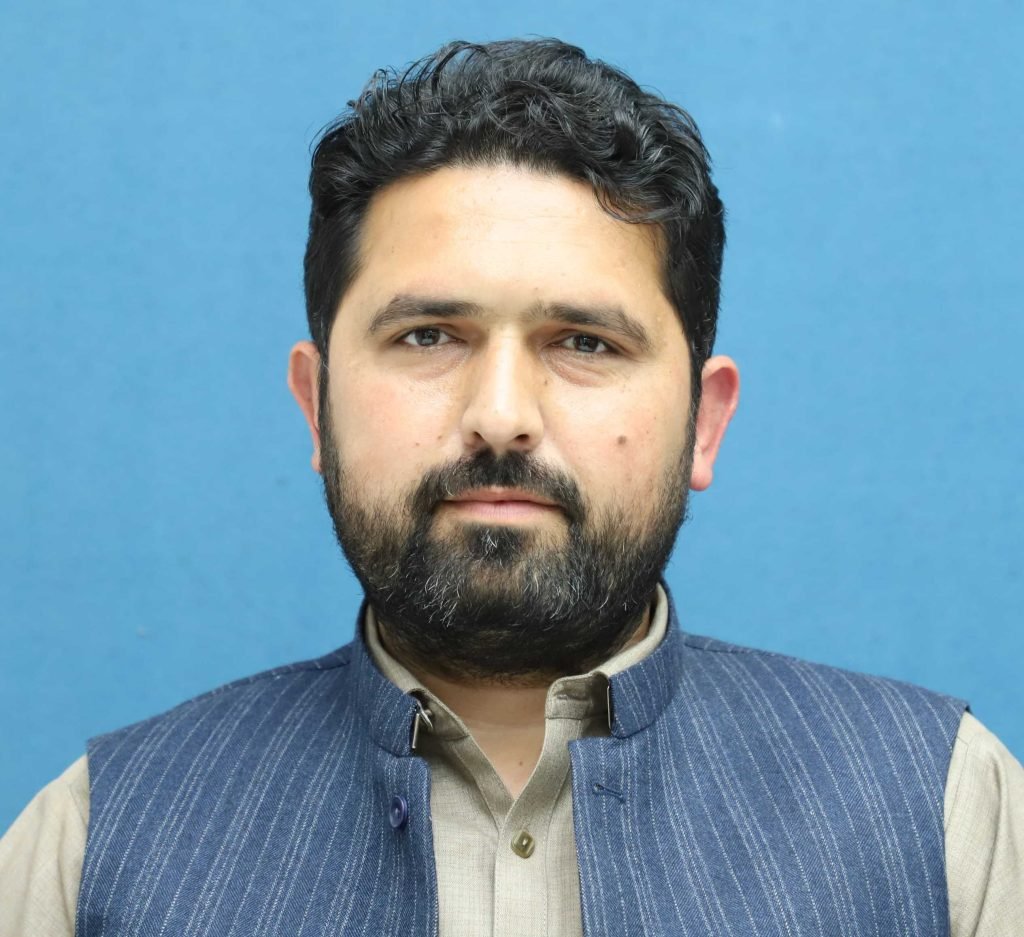
KARACHI — Governor of the State Bank of Pakistan (SBP), Jameel Ahmad, expressed optimism regarding the country’s economic trajectory, citing gradual improvements across various sectors as a key factor in the anticipated stabilization. Speaking on Friday, Ahmad highlighted the positive outlook for the new financial year, supported by the central bank’s foreign exchange reserves, which stood at $18.4 billion at the close of the previous fiscal year. What Happened In a statement made on Friday, Jameel Ahmad, Governor of the State Bank of Pakistan, conveyed a sense of cautious optimism about the national economy’s future. He noted that the economy is showing signs of gradual improvement, which is expected to continue throughout the new financial year. The SBP’s foreign exchange reserves, a critical indicator of economic health, were reported to be $18.4 billion as of the end of the last financial year. Ahmad emphasized that various sectors are contributing to this positive trend, although he did not specify which sectors are leading the charge. The governor’s remarks come at a time when Pakistan is grappling with multiple economic challenges, including inflationary pressures and external debt obligations. Despite these hurdles, the SBP remains confident in the economy’s ability to stabilize further. Ahmad’s comments are part of a broader effort by the central bank to reassure investors and the public about the country’s economic prospects. The SBP has been actively involved in implementing monetary policies aimed at controlling inflation and stabilizing the currency, which are crucial for sustained economic growth. Background Pakistan’s economy has faced significant challenges over the past few years, including high inflation rates, a depreciating currency, and substantial external debt. The COVID-19 pandemic exacerbated these issues, leading to a contraction in economic activity and increased fiscal deficits. In response, the government and the SBP have implemented a series of measures to stabilize the economy, including seeking financial assistance from international organizations and implementing structural reforms. The SBP has played a pivotal role in these efforts, utilizing monetary policy tools to manage inflation and stabilize the currency. The central bank has also worked to improve the country’s foreign exchange reserves, which are crucial for maintaining investor confidence and ensuring the ability to meet external obligations. Why It Matters The stabilization of Pakistan’s economy is of paramount importance for several reasons. Economically, a stable economy can lead to increased investment, both domestic and foreign, which is essential for job creation and economic growth. The improvement in foreign exchange reserves is a positive sign, as it provides the country with a buffer against external shocks and enhances its ability to meet international financial obligations. Socially, economic stability can lead to improved living standards for the population. As the economy stabilizes, inflationary pressures are likely to ease, leading to more affordable goods and services for citizens. This, in turn, can reduce poverty levels and improve overall quality of life. Politically, a stable economy can enhance the government’s legitimacy and ability to implement policies effectively. It can also reduce the likelihood of social unrest, which is often triggered by economic hardships. Internationally, a stable Pakistan is beneficial for regional stability, particularly given the country’s strategic location and its role in regional trade and security dynamics. Key Takeaways SBP Governor Jameel Ahmad is optimistic about economic stabilization in Pakistan. The central bank’s foreign exchange reserves are reported at $18.4 billion. Gradual improvements are observed across various economic sectors. Economic stability is crucial for investment, social well-being, and political legitimacy. Pakistan’s economic health impacts regional stability and international relations. Source Attribution This article is based on official government statements, press releases, and public communications from relevant authorities. Author: NEN Editorial Desk | Editor: NEN Newsroom | Fact Checked By: NEN Editorial Team Author: NEN Editorial Desk  |  Editor: NEN Newsroom  |  Last Updated: July 04, 2026  |  Source: Press Release from State Bank of Pakistan (SBP) This article was produced by the NEN Editorial Desk in accordance with NEN Agency’s Editorial Policy and Fact-Checking Policy.
World

Prime Minister Shehbaz Sharif Pays Tribute to Ayatollah Khamenei’s Legacy

ISLAMABAD — Prime Minister Shehbaz Sharif on Saturday expressed profound condolences over the passing of Supreme Leader Ayatollah Sayyed Ali Khamenei, emphasizing that his wisdom and leadership will be cherished for generations. The Prime Minister conveyed his respects on behalf of the Government and people of Pakistan. What Happened Prime Minister Shehbaz Sharif paid tribute to the late Ayatollah Sayyed Ali Khamenei, recognizing his significant contributions to Iran and the broader region. During a statement on Saturday, the Prime Minister highlighted the enduring impact of Khamenei’s leadership and the deep influence he wielded throughout his tenure. “Paid my respects and conveyed deepest condolences on behalf of the Government and people of Pakistan, to the Government,” Sharif stated, underscoring the shared sentiments of loss and respect between the two nations. The Prime Minister’s statement came in the wake of Khamenei’s passing, which has prompted reflections on his extensive role in shaping regional dynamics. As a pivotal figure in Iran’s political landscape, Khamenei’s leadership was marked by his steadfast commitment to the principles of the Islamic Revolution, which he upheld since succeeding Ayatollah Ruhollah Khomeini in 1989. Background Ayatollah Sayyed Ali Khamenei served as the Supreme Leader of Iran for over three decades, a period during which he became a central figure in the country’s political and religious spheres. His tenure was characterized by a focus on maintaining the ideological foundations of the Islamic Republic, as well as navigating complex international relations, particularly with Western powers. Khamenei’s leadership was instrumental in Iran’s domestic and foreign policy decisions, often emphasizing self-reliance and resistance against external pressures. His influence extended beyond Iran’s borders, impacting regional geopolitics and fostering alliances with various countries, including Pakistan. Throughout his leadership, Khamenei was a vocal advocate for the Palestinian cause and consistently supported resistance movements against perceived Western imperialism. His death marks the end of an era for Iran, as the nation reflects on his legacy and the future direction of its leadership. Why It Matters The passing of Ayatollah Khamenei holds significant implications for both Iran and the broader Middle East region. As a leader who played a crucial role in shaping Iran’s ideological and political trajectory, his absence leaves a considerable void in the country’s governance. The transition of leadership in Iran is likely to influence its domestic policies and international relations, particularly in the context of ongoing tensions with the United States and its allies. For Pakistan, Khamenei’s death is a moment to reaffirm diplomatic ties and shared interests with Iran. The two countries have historically maintained a complex relationship, balancing cooperation and competition in areas such as trade, security, and regional influence. Prime Minister Sharif’s tribute underscores the importance of continuing this relationship, especially in light of shared cultural and religious ties. On a broader scale, Khamenei’s passing may impact regional stability, as Iran’s foreign policy stance has been a key factor in Middle Eastern geopolitics. The new leadership will face the challenge of maintaining Iran’s strategic interests while navigating the evolving political landscape. Key Takeaways Prime Minister Shehbaz Sharif expressed condolences over Ayatollah Khamenei’s passing, highlighting his lasting influence. Khamenei’s leadership played a pivotal role in shaping Iran’s domestic and foreign policies for over three decades. The transition of leadership in Iran may affect regional geopolitics and its relations with countries like the United States. Pakistan and Iran share complex diplomatic ties, with cultural and religious connections underscoring their relationship. Khamenei’s death marks the end of an era, prompting reflections on his legacy and the future of Iran’s leadership. Source Attribution This article is based on official government statements, press releases, and public communications from relevant authorities. Author: NEN Editorial Desk | Editor: NEN Newsroom | Fact Checked By: NEN Editorial Team Author: NEN Editorial Desk  |  Editor: NEN Newsroom  |  Last Updated: July 04, 2026  |  Source: NEN Reporter This article was produced by the NEN Editorial Desk in accordance with NEN Agency’s Editorial Policy and Fact-Checking Policy.
Pakistan

President Zardari Expresses Grief Over Fauzia Habib’s Passing

ISLAMABAD — President Asif Ali Zardari on Saturday expressed deep sorrow over the passing of Fauzia Habib, a former member of the National Assembly and a senior leader of the Pakistan Peoples Party (PPP). In his condolence message, President Zardari acknowledged her significant contributions to the party and the nation. What Happened Fauzia Habib, a prominent figure in Pakistan’s political landscape, passed away recently, prompting an outpouring of condolences from various political leaders and colleagues. President Asif Ali Zardari, in his official statement, highlighted her unwavering dedication to the Pakistan Peoples Party (PPP) and her role in advancing the party’s agenda. “Fauzia Habib’s services to the PPP and her commitment to democratic principles will always be remembered,” stated President Zardari. Fauzia Habib held various positions within the PPP and was known for her active involvement in legislative processes during her tenure as a member of the National Assembly. Her efforts in promoting women’s rights and social justice were particularly noted by her peers. The President’s message reflected the deep respect she commanded within the political community, underscoring her legacy as a steadfast advocate for the party’s values. Background Fauzia Habib’s political career spanned several decades, during which she played a pivotal role in shaping the policies of the PPP. She was elected to the National Assembly as a representative of the PPP and served in various capacities, including as a spokesperson for the party. Her tenure was marked by her advocacy for women’s empowerment and her efforts to address social inequalities. The Pakistan Peoples Party, founded in 1967, has been a major political force in Pakistan, known for its progressive stance on various social issues. Fauzia Habib’s contributions to the party were in line with its founding principles of democracy, social justice, and economic equality. Her work within the party and the National Assembly reflected her commitment to these ideals. Why It Matters The passing of Fauzia Habib is a significant loss for the Pakistan Peoples Party and the broader political community in Pakistan. Her dedication to public service and her role in advocating for women’s rights have left a lasting impact on the country’s political landscape. As a senior leader in the PPP, she was instrumental in shaping the party’s policies and strategies, particularly in areas related to social justice and gender equality. Her death comes at a time when Pakistan continues to grapple with issues of political instability and social inequality. The loss of a seasoned politician like Fauzia Habib underscores the challenges faced by political parties in nurturing leadership that can effectively address these issues. Her legacy serves as a reminder of the importance of committed and principled leadership in advancing democratic values and social progress. For the PPP, Fauzia Habib’s passing is a moment to reflect on the party’s future direction and the need to continue advocating for the causes she championed. Her contributions to the party’s success and her role as a mentor to younger politicians highlight the importance of fostering new leadership within the party. Key Takeaways President Asif Ali Zardari expressed profound grief over the death of Fauzia Habib, a senior PPP leader. Fauzia Habib was known for her dedication to the PPP and her advocacy for women’s rights. Her passing is a significant loss for the political community in Pakistan, highlighting the need for committed leadership. Fauzia Habib’s legacy includes her contributions to social justice and democratic principles. The PPP faces the challenge of nurturing new leadership to continue her work. Source Attribution This article is based on official government statements and public communications from relevant authorities. Author: NEN Editorial Desk | Editor: NEN Newsroom | Fact Checked By: NEN Editorial Team Author: NEN Editorial Desk  |  Editor: NEN Newsroom  |  Last Updated: July 04, 2026  |  Source: Press Release from Government of Pakistan This article was produced by the NEN Editorial Desk in accordance with NEN Agency’s Editorial Policy and Fact-Checking Policy.

World

President Zardari Congratulates US on 250th Independence Anniversary

ISLAMABAD — President Asif Ali Zardari extended his congratulations to the United States on its 250th Independence Day, marking a significant milestone in the country’s history. In a letter addressed to US President Donald Trump, President Zardari expressed his best wishes to the American leadership and its citizens on this historic occasion. What Happened On July 4, President Zardari sent a message of goodwill to the United States, recognizing the country’s 250 years since the Declaration of Independence. This gesture is part of a tradition where leaders from around the world convey their congratulations to the US on its national day. In his letter, President Zardari highlighted the enduring relationship between Pakistan and the United States, emphasizing the importance of continued cooperation and mutual respect between the two nations. President Zardari noted, “The United States has been a beacon of democracy and freedom, and its journey over the past two and a half centuries is a testament to the resilience and spirit of its people.” He further expressed hope for strengthened ties, stating, “Pakistan values its partnership with the United States and looks forward to enhancing our collaboration in various fields.” The letter also acknowledged the challenges faced by both countries in recent years, particularly in areas such as security and economic cooperation. President Zardari underscored the need for joint efforts to address these challenges, reiterating Pakistan’s commitment to working closely with the US to achieve shared goals. Background The United States declared its independence from Great Britain on July 4, 1776, a date now celebrated annually as Independence Day. Over the years, this day has become an occasion for reflection on the values of freedom and democracy that underpin the American nation. For Pakistan, maintaining a strong relationship with the US has been a strategic priority, given the historical ties and geopolitical significance of both countries. Pakistan and the United States have shared a complex relationship, marked by periods of cooperation and tension. The two countries have collaborated on various fronts, including counterterrorism efforts and economic partnerships. However, differences over policy issues have occasionally strained their ties. Despite these challenges, both nations have continued to engage in dialogue to foster mutual understanding and cooperation. Why It Matters The congratulatory message from President Zardari to the US leadership is significant for several reasons. Firstly, it reaffirms Pakistan’s commitment to maintaining a positive and constructive relationship with the United States. This is particularly important given the global challenges that require collaborative efforts, such as combating terrorism, addressing climate change, and fostering economic development. Secondly, the gesture underscores the importance of diplomatic communication in strengthening bilateral ties. By acknowledging the US’s historical achievements, Pakistan positions itself as a partner that values democratic principles and is willing to work towards common objectives. This can lead to enhanced cooperation in areas such as trade, education, and technology, benefiting both nations. Lastly, the message serves as a reminder of the interconnectedness of the global community. As countries face shared challenges, fostering goodwill and understanding through diplomatic channels becomes crucial. Pakistan’s outreach to the US on its Independence Day reflects a broader commitment to engaging with the international community in a spirit of cooperation and mutual respect. Key Takeaways President Zardari congratulated the United States on its 250th Independence Day. The letter emphasized the importance of the US-Pakistan relationship and mutual cooperation. President Zardari highlighted shared challenges and the need for joint efforts to address them. The message reflects Pakistan’s commitment to diplomatic engagement and global cooperation. The US-Pakistan relationship has historical significance and strategic importance. Source Attribution This article is based on official government statements and public communications from relevant authorities. Author: NEN Editorial Desk | Editor: NEN Newsroom | Fact Checked By: NEN Editorial Team Author: NEN Editorial Desk  |  Editor: NEN Newsroom  |  Last Updated: July 04, 2026  |  Source: Press Release from Government of Pakistan This article was produced by the NEN Editorial Desk in accordance with NEN Agency’s Editorial Policy and Fact-Checking Policy.

Scroll to Top