
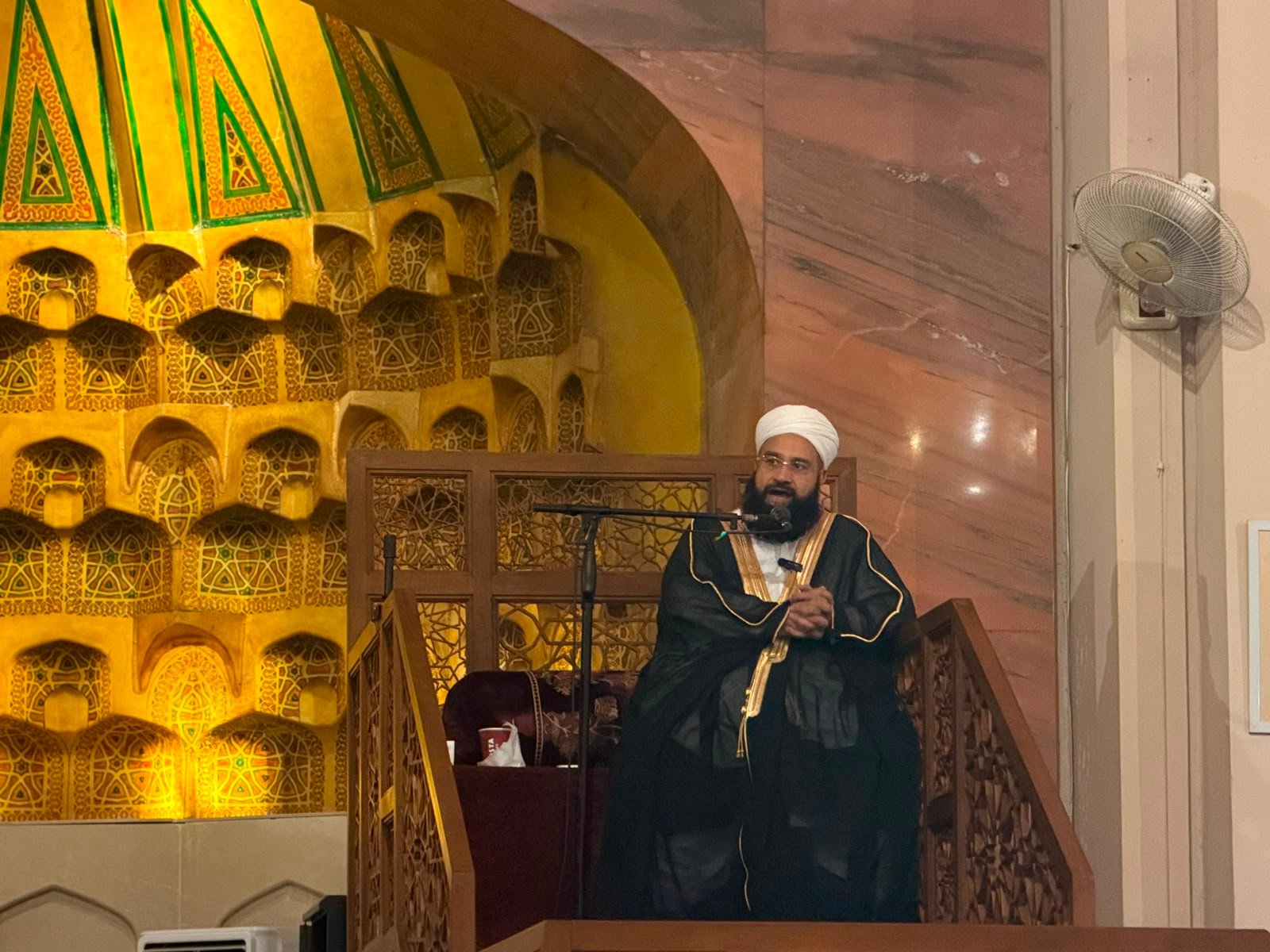
ISLAMABAD — Hafiz Muhammad Tahir Mehmood Ashrafi, Chairman of the Pakistan Ulema Council and Coordinator of the National Paigham-e-Aman Committee, has called for Friday sermons across Pakistan to focus on the theme “Message of Rahmatul-lil-Alameen and Rights of Non-Muslims in Islam” on August 21. This appeal seeks to promote understanding and harmony among diverse communities in the country.
What Happened
Hafiz Muhammad Tahir Mehmood Ashrafi has appealed to religious leaders, including Ulema, Mashaikh, Imams, Khateebs, Zakireen, and preachers, to dedicate their Friday sermons on August 21 to the significant theme of the “Message of Rahmatul-lil-Alameen and Rights of Non-Muslims in Islam.” The call aims to foster a message of peace and coexistence, highlighting the inclusive teachings of Islam regarding the rights of non-Muslims.
Ashrafi emphasized the importance of educating the masses about the Prophet Muhammad’s (PBUH) message of mercy and compassion, which extends to all of humanity, regardless of religious affiliation. “The teachings of Islam promote peace, tolerance, and respect for all human beings,” Ashrafi stated. He further noted that understanding and respecting the rights of non-Muslims is crucial for fostering a harmonious society.
The initiative is part of a broader effort by the Pakistan Ulema Council to promote peace and interfaith harmony in the country. By addressing these themes in Friday sermons, Ashrafi hopes to reach a wide audience and reinforce the principles of mutual respect and coexistence.
Background
The Pakistan Ulema Council has been actively involved in promoting interfaith dialogue and understanding among different religious communities in Pakistan. The council’s efforts are part of a national strategy to combat extremism and promote a peaceful coexistence framework as outlined by the National Action Plan.
Historically, Friday sermons have played a significant role in shaping public opinion and disseminating religious teachings in Pakistan. They serve as a platform for religious leaders to address contemporary issues and provide guidance to the Muslim community. The focus on the rights of non-Muslims aligns with the constitutional guarantees provided to religious minorities in Pakistan, which emphasize equality and freedom of religion.
Why It Matters
In a country with a diverse religious landscape, promoting the rights of non-Muslims is crucial for maintaining social harmony and preventing sectarian conflicts. Pakistan has a significant population of religious minorities, including Christians, Hindus, Sikhs, and others, whose rights and safety are often subjects of national and international concern.
This initiative by Ashrafi and the Pakistan Ulema Council underscores the importance of religious tolerance and the protection of minority rights as essential components of a peaceful society. By advocating for these principles in Friday sermons, religious leaders can play a pivotal role in shaping attitudes and fostering a culture of respect and understanding.
Moreover, in the context of global perceptions of Islam, emphasizing the religion’s inclusive and compassionate teachings can counteract negative stereotypes and promote a more nuanced understanding of Islamic principles. This initiative has the potential to contribute positively to Pakistan’s image internationally by showcasing its commitment to religious harmony and minority rights.
Key Takeaways
- Hafiz Muhammad Tahir Mehmood Ashrafi has called for Friday sermons on August 21 to focus on the “Message of Rahmatul-lil-Alameen and Rights of Non-Muslims in Islam.”
- The initiative aims to promote peace, tolerance, and understanding among diverse religious communities in Pakistan.
- The Pakistan Ulema Council is actively involved in fostering interfaith dialogue and combating extremism.
- Emphasizing minority rights is crucial for social harmony and aligns with Pakistan’s constitutional guarantees.
- This effort contributes to a positive international image of Pakistan as a nation committed to religious coexistence.
Source Attribution
This article is based on official government statements, press releases, and public communications from relevant authorities.














