

World

Welcome to the World section of NEN Agency, your window to the stories shaping our planet. From global politics and economic shifts to science breakthroughs, cultural moments, and humanitarian crises, we connect you to events that matter — wherever they happen.

Inside This Category

  • Global Politics & Diplomacy: International relations, summits, and policy shifts.

  • World Economy & Trade: Market trends, trade agreements, and financial developments.

  • Conflicts & Security: Coverage of wars, peace efforts, and security challenges.

  • Science & Environment: Climate change, technological advances, and space exploration.

  • Culture & Society: Arts, sports, and lifestyle stories from around the globe.

Why Our World Coverage Stands Out
We deliver global news with context, helping readers see how events beyond borders influence life in Pakistan and the wider region.

World

Gold Prices Drop by Rs1,000 Per Tola in Pakistan

ISLAMABAD — The price of gold in Pakistan’s local market saw a significant decrease on Saturday, as 24 karat gold per tola fell by Rs1,000, settling at Rs431,236. This decline was reported by the All Pakistan Sarafa Gems and Jewellers Association, marking a notable shift in the precious metal’s value. What Happened The All Pakistan Sarafa Gems and Jewellers Association announced that the price of 24 karat gold per tola dropped by Rs1,000, bringing the new rate to Rs431,236. In addition, the price for 10 grams of 24 karat gold also experienced a reduction, decreasing by Rs730. This adjustment in gold prices comes amidst fluctuating global market conditions and varying demand dynamics within the country. Gold prices are often influenced by a variety of factors including international market trends, currency exchange rates, and local demand. The recent decline is reflective of these complex interactions. According to industry experts, the decrease in local gold prices could be attributed to a strengthening of the Pakistani Rupee against the US dollar, as well as shifts in international gold prices. “The gold market is highly sensitive to changes in the global economic environment and currency fluctuations. This recent decline in prices is not unexpected given the current economic indicators,” said a representative from the Association. Background Historically, gold has been a popular investment and a hedge against inflation in Pakistan. The country’s gold market is heavily influenced by international prices, as Pakistan imports a significant portion of its gold. The All Pakistan Sarafa Gems and Jewellers Association regularly updates gold prices based on these international trends and local market conditions. In recent months, the global gold market has experienced volatility due to various factors including geopolitical tensions, changes in interest rates by major economies, and the ongoing impacts of the COVID-19 pandemic. These factors have contributed to fluctuations in gold prices both internationally and locally. Why It Matters The decline in gold prices holds substantial implications for various stakeholders in Pakistan. For consumers, lower gold prices may present an opportunity to purchase gold jewelry and other items at reduced rates, potentially boosting sales in the local market. This is particularly relevant in a country where gold is often purchased for weddings and other significant life events. For investors, the drop in gold prices could signal a shift in investment strategies. Gold is traditionally seen as a safe haven asset, and fluctuations in its price can influence investment portfolios. A decrease in gold prices might encourage investors to diversify their assets or reconsider their holdings in precious metals. Economically, the reduction in gold prices could impact the country’s trade balance. As gold is a major import, lower prices could reduce the overall import bill, potentially benefiting the national economy. However, this must be balanced against the potential impact on the local gold industry, which may face reduced margins. Key Takeaways Gold prices in Pakistan have decreased by Rs1,000 per tola, settling at Rs431,236. The price for 10 grams of 24 karat gold also fell by Rs730. This decline is influenced by global market trends and local currency fluctuations. Lower gold prices may boost consumer purchases and impact investment strategies. The change could affect Pakistan’s trade balance and the local gold industry. Source Attribution The information regarding the gold price changes was provided by the All Pakistan Sarafa Gems and Jewellers Association and reported by the Associated Press of Pakistan (APP). The figures and quotes are based on the latest available data from these sources, which are subject to change as market conditions evolve. Author: NEN Editorial Desk | Editor: NEN Newsroom | Fact Checked By: NEN Editorial Team Author: NEN Editorial Desk  |  Editor: NEN Newsroom  |  Last Updated: June 27, 2026  |  Source: Associated Press of Pakistan (APP) This article was produced by the NEN Editorial Desk in accordance with NEN Agency’s Editorial Policy and Fact-Checking Policy.


World

Pakistan Defeats Thailand 5-0, Maintains Unbeaten Record at APPC 2026

ISLAMABAD — Pakistan continued its dominant performance in the Asia Pacific Padel Cup (APPC) 2026 by securing a decisive 5-0 victory against Thailand in their second Group A match at Play Padel McKinley, Manila, Philippines, on Friday. What Happened In a display of exceptional skill and teamwork, Pakistan’s padel team triumphed over Thailand, winning all five matches across the men’s, women’s, and mixed categories. This victory marks Pakistan’s second consecutive win in the tournament, reinforcing their position as strong contenders in Group A. The matches were held at the prestigious Play Padel McKinley venue, where Pakistan demonstrated tactical superiority and athletic prowess. The men’s team set the tone with a commanding win, followed by equally impressive performances from the women’s and mixed teams. Each match showcased the players’ strategic acumen and physical endurance, contributing to the overall clean sweep. Pakistan’s team captain expressed satisfaction with the team’s performance, stating, “Our players have shown great commitment and skill on the court. We are focused on maintaining this momentum as we progress in the tournament.” The victory against Thailand is a testament to the rigorous preparation and strategic planning undertaken by the Pakistani team. Background The Asia Pacific Padel Cup (APPC) is a prestigious regional tournament that brings together top padel teams from across Asia and the Pacific. The 2026 edition is being hosted in Manila, Philippines, and features teams from various countries competing in a round-robin format within their respective groups. The tournament aims to promote padel as a sport and foster international camaraderie among participating nations. Pakistan’s participation in the APPC has been marked by a series of strong performances in previous editions. The team has consistently demonstrated its capabilities on the international stage, earning respect and recognition from competitors and enthusiasts alike. The current tournament serves as an opportunity for Pakistan to further cement its status as a leading padel nation in the region. Why It Matters Pakistan’s victory over Thailand at the APPC 2026 holds significant implications for the country’s sports landscape. The win not only enhances Pakistan’s reputation in the international padel community but also provides a morale boost for the team and its supporters. As padel gains popularity in Pakistan, such victories contribute to increased interest and investment in the sport at the grassroots level. Economically, success in international tournaments can attract sponsorships and funding, which are crucial for the development of sports infrastructure and talent in Pakistan. The exposure gained from participating in high-profile events like the APPC can lead to partnerships with international sports organizations, facilitating the exchange of knowledge and expertise. On a broader scale, Pakistan’s achievements in sports can foster national pride and unity. Victories on the international stage serve as a reminder of the country’s potential and resilience, inspiring future generations to pursue excellence in sports and other fields. Key Takeaways Pakistan defeated Thailand 5-0 in the APPC 2026, maintaining an unbeaten record. The victory was achieved through strong performances across men’s, women’s, and mixed categories. The Asia Pacific Padel Cup is a key tournament promoting padel in the region. Pakistan’s success in the tournament boosts national pride and interest in padel. International achievements can attract economic benefits and enhance sports infrastructure in Pakistan. Source Attribution The information in this article is based on reports from the Associated Press of Pakistan (APP). The source provides detailed coverage of the Asia Pacific Padel Cup 2026, including match results and team performances. While the report offers comprehensive insights, further details on specific player statistics and future fixtures were not available at the time of publication. Author: NEN Editorial Desk | Editor: NEN Newsroom | Fact Checked By: NEN Editorial Team Author: NEN Editorial Desk  |  Editor: NEN Newsroom  |  Last Updated: June 27, 2026  |  Source: Associated Press of Pakistan This article was produced by the NEN Editorial Desk in accordance with NEN Agency’s Editorial Policy and Fact-Checking Policy.

World

Adeel Rizki Appointed Technical Director Of Pakistan Football Federation

ISLAMABAD — The Pakistan Football Federation (PFF) has announced the appointment of Adeel Rizki as its new Technical Director, effective July 1, 2026. Rizki, who has a rich history with Pakistan football, previously served as the head coach of the Pakistan Women’s National Team and was recently the assistant to Nolberto Solano during the men’s national team’s recent successes. What Happened The PFF’s decision to appoint Adeel Rizki as Technical Director marks a significant step in their ongoing efforts to enhance the strategic and technical aspects of football in Pakistan. Rizki’s appointment will officially commence on July 1, 2026, and is expected to bring a wealth of experience and expertise to the federation. His previous roles include head coach of the Pakistan Women’s National Team, where he played a crucial role in developing women’s football in the country. More recently, he served as an assistant coach to Nolberto Solano, contributing to the men’s team’s notable achievements. Rizki’s appointment comes at a time when the PFF is keen on capitalizing on recent successes and furthering the development of football at all levels. According to the PFF, Rizki’s extensive experience in coaching and his deep understanding of the game make him an ideal candidate for the role. The federation is optimistic that his leadership will drive the technical development of players and coaches across Pakistan. Background The Pakistan Football Federation has faced numerous challenges over the years, including administrative issues and a lack of consistent leadership. However, recent efforts have been made to stabilize the organization and focus on the development of football in the country. The appointment of a technical director is part of a broader strategy to improve the quality of football through structured training programs and enhanced coaching methodologies. Adeel Rizki’s journey in football began as a player before transitioning into coaching. His tenure with the Pakistan Women’s National Team was marked by significant improvements in team performance and increased participation in international competitions. His collaboration with Nolberto Solano during the men’s team’s recent campaigns has further solidified his reputation as a capable and forward-thinking coach. Why It Matters The appointment of Adeel Rizki as Technical Director is a pivotal moment for the PFF and the future of football in Pakistan. His leadership is expected to bring about a more systematic approach to player development and coaching education. This move is crucial for the PFF as it seeks to elevate the standard of football in Pakistan and compete more effectively on the international stage. Rizki’s role will involve overseeing the technical aspects of the game, including the development of coaching standards and the implementation of training programs that align with international best practices. His experience with both men’s and women’s teams positions him uniquely to address the diverse needs of football development in Pakistan. For the broader football community in Pakistan, Rizki’s appointment signals a commitment to nurturing talent and providing opportunities for players to excel. This initiative is expected to have a positive impact on the popularity and success of football in the country, potentially inspiring a new generation of players. Key Takeaways Adeel Rizki appointed as Technical Director of the Pakistan Football Federation, effective July 1, 2026. Rizki has previously served as head coach of the Pakistan Women’s National Team and assistant to Nolberto Solano. His appointment is part of the PFF’s strategy to enhance the technical development of football in Pakistan. Rizki’s leadership is expected to improve coaching standards and player development across the country. The move aims to elevate Pakistan’s football on the international stage and inspire future talent. Source Attribution The information in this article is based on a report from the Associated Press of Pakistan (APP). The source provides official announcements from the Pakistan Football Federation regarding appointments and strategic developments within the organization. Author: NEN Editorial Desk | Editor: NEN Newsroom | Fact Checked By: NEN Editorial Team Author: NEN Editorial Desk  |  Editor: NEN Newsroom  |  Last Updated: June 27, 2026  |  Source: Associated Press of Pakistan (APP) This article was produced by the NEN Editorial Desk in accordance with NEN Agency’s Editorial Policy and Fact-Checking Policy.
World

ICCI President Stresses Modern Skills For Teachers To Shape Pakistan’s Future

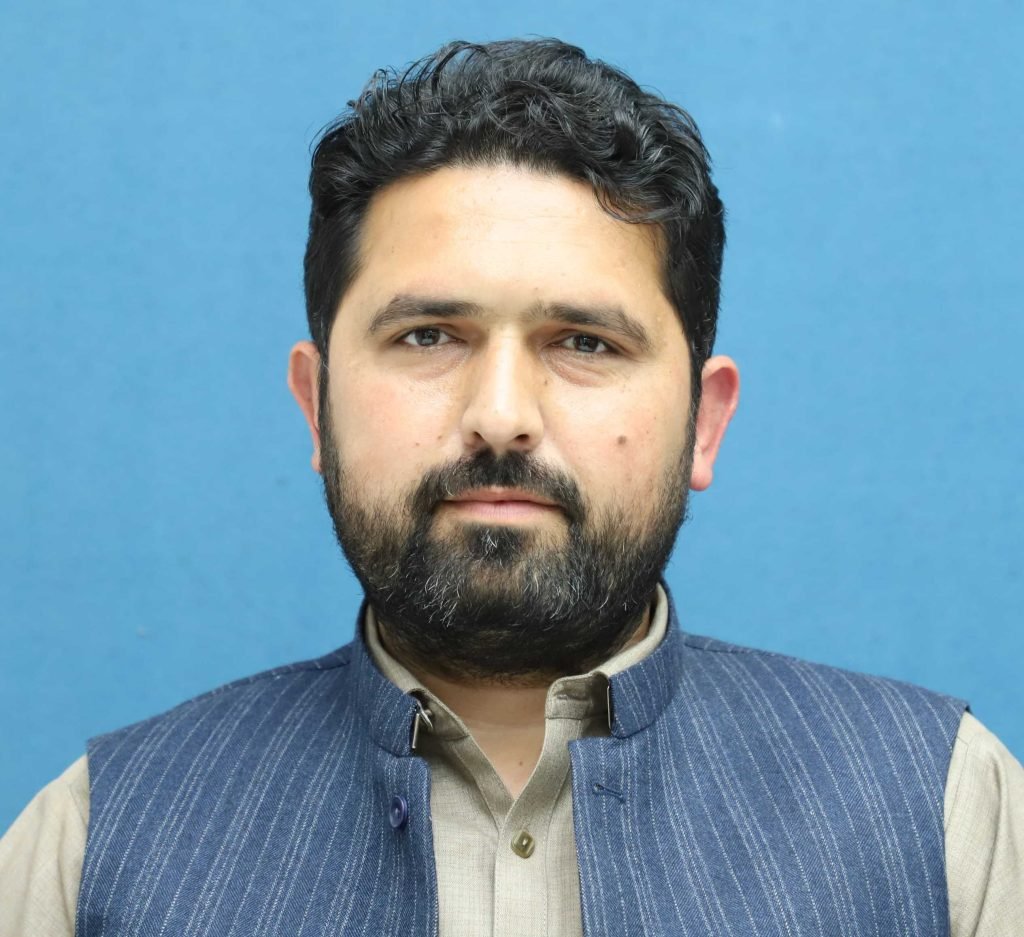
ISLAMABAD — The President of the Islamabad Chamber of Commerce and Industry (ICCI), Sardar Tahir Mehmood, emphasized the necessity of equipping teachers with 21st-century skills to secure Pakistan’s future. Speaking at the conclusion of a Teachers’ Training Workshop on June 27, organized by ICCI, he highlighted the critical role educators play as the architects of future generations. What Happened The Teachers’ Training Workshop, titled “21st Century Teaching Skills,” was organized by the ICCI to address the evolving educational needs in Pakistan. Sardar Tahir Mehmood underscored the importance of modern teaching methodologies, stating that investing in teachers’ skills is tantamount to investing in the nation’s future. The workshop aimed to empower educators with the necessary tools and techniques to better engage and educate students in an increasingly digital and interconnected world. During his address, Mehmood stated, “Educators are the architects of future generations, and empowering them with modern teaching methodologies is an investment in Pakistan’s future.” The workshop included sessions on digital literacy, critical thinking, and innovative teaching practices designed to enhance the educational experience for both teachers and students. The event saw participation from educators across various institutions, who were provided with resources and training to integrate new technologies and pedagogical strategies into their classrooms. The initiative is part of a broader effort by the ICCI to improve educational standards and outcomes in Pakistan, aligning with global educational trends. Background The need for reform in Pakistan’s educational sector has been a topic of discussion for several years. Traditional teaching methods have often been criticized for not keeping pace with the rapid technological advancements and changing societal needs. The government and various organizations have been working towards integrating modern educational practices to improve learning outcomes. Historically, Pakistan’s education system has faced challenges such as outdated curricula, inadequate teacher training, and insufficient infrastructure. These issues have prompted calls for reform, with a focus on enhancing teacher capabilities to meet contemporary educational demands. The ICCI’s initiative is a response to these challenges, aiming to provide teachers with the skills necessary to foster a more dynamic and effective learning environment. Why It Matters The initiative by the ICCI is significant as it addresses the gap between traditional educational practices and the skills required in the modern world. By equipping teachers with 21st-century skills, Pakistan can better prepare its youth for the challenges of a globalized economy. This is crucial for the country’s economic development, as a well-educated workforce is essential for innovation and competitiveness. Moreover, the focus on digital literacy and critical thinking aligns with global educational trends, ensuring that Pakistani students are not left behind in an increasingly competitive international landscape. The ability to think critically and adapt to new technologies is vital for success in many fields, from business to science and technology. For Pakistan, improving educational standards is not just a matter of economic necessity but also a social imperative. Education plays a key role in social mobility and reducing inequality. By investing in teacher training, the ICCI is contributing to a more equitable society where all individuals have the opportunity to succeed. Key Takeaways Sardar Tahir Mehmood emphasized the importance of modern teaching skills at a recent ICCI workshop. The workshop aimed to equip teachers with digital literacy and innovative teaching methods. Improving teacher skills is seen as vital for Pakistan’s economic and social development. The initiative aligns with global trends in education, focusing on critical thinking and adaptability. Enhancing educational standards is crucial for reducing inequality and fostering social mobility in Pakistan. Source Attribution The information in this article was sourced from the Associated Press of Pakistan (APP). The original report provided details on the ICCI workshop and the statements made by Sardar Tahir Mehmood. The source material did not include specific data or statistical analysis, focusing instead on the event’s proceedings and objectives. Author: NEN Editorial Desk | Editor: NEN Newsroom | Fact Checked By: NEN Editorial Team Author: NEN Editorial Desk  |  Editor: NEN Newsroom  |  Last Updated: June 27, 2026  |  Source: APP This article was produced by the NEN Editorial Desk in accordance with NEN Agency’s Editorial Policy and Fact-Checking Policy.
World

Pakistan Weightlifting Federation Seeks Recovery of Fines Amid Doping Sanctions

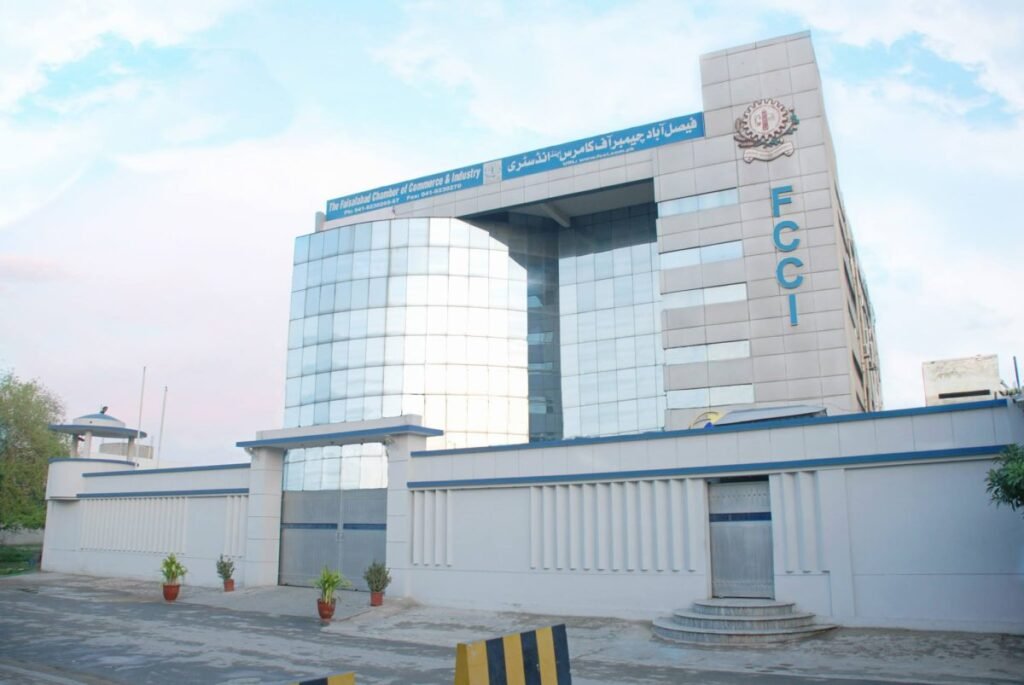
ISLAMABAD — The Pakistan Weightlifting Federation’s Interim Committee has called on the federal government, the Pakistan Olympic Association (POA), and the Pakistan Sports Board (PSB) to expedite the recovery of fines from suspended athletes and former officials. The fines, which exceed USD 30,000, are crucial for addressing international penalties imposed due to doping violations. What Happened The Interim Committee of the Pakistan Weightlifting Federation (PWLF) is taking decisive action to address the financial repercussions of doping violations within the sport. On June 27, the committee formally approached key national sports authorities, including the federal government, POA, and PSB, to demand the immediate recovery of outstanding fines from those implicated in doping scandals. The committee’s request highlights the urgency of clearing international penalties that have been levied against Pakistan’s weightlifting community. The international fines, which total over USD 30,000, were imposed following doping violations by several athletes and officials. These penalties have placed a significant financial burden on the PWLF, which is now seeking to recover these funds to maintain its standing in the international sports community. The committee has also urged that the individuals responsible for these violations be placed on the Exit Control List (ECL) to prevent them from leaving the country until the fines are paid. In a statement, the Interim Committee emphasized the importance of accountability and the need to uphold the integrity of the sport. “It is imperative that we address these violations head-on and ensure that those responsible are held accountable,” the statement read. “The recovery of these fines is not only a financial necessity but also a step towards restoring the credibility of Pakistan weightlifting on the global stage.” Background The doping violations that have led to these sanctions are part of a broader issue that has plagued international sports, including weightlifting. In recent years, the International Weightlifting Federation (IWF) has intensified its efforts to combat doping, implementing stricter testing protocols and harsher penalties for violations. Pakistan’s weightlifting community has not been immune to these challenges, with several athletes testing positive for banned substances in recent competitions. The PWLF has faced scrutiny from both national and international bodies, prompting the formation of the Interim Committee to address these issues. The committee’s mandate includes ensuring compliance with international anti-doping regulations and restoring the federation’s reputation. Why It Matters The financial and reputational implications of the doping sanctions are significant for Pakistan’s weightlifting community. The inability to clear the international fines could result in further sanctions, including potential bans from international competitions. Such outcomes would not only affect the athletes involved but also hinder the development of the sport in Pakistan. Moreover, the situation underscores the broader challenges faced by sports federations in Pakistan, where financial constraints and governance issues often impede progress. The PWLF’s efforts to recover fines and hold individuals accountable are seen as a critical step towards addressing these systemic problems and ensuring a sustainable future for weightlifting in the country. On an international level, Pakistan’s ability to effectively manage doping violations and comply with global standards is vital for maintaining its standing in the sports community. The resolution of these issues could enhance the country’s reputation and open up opportunities for greater participation in international events. Key Takeaways The Pakistan Weightlifting Federation is seeking to recover over USD 30,000 in fines from doping violations. The Interim Committee has approached national sports authorities to expedite the recovery process. Individuals responsible for doping violations may be placed on the Exit Control List. Addressing these fines is crucial for maintaining Pakistan’s international sports reputation. The situation highlights broader governance and financial challenges in Pakistan’s sports federations. Source Attribution The information in this article is based on reports from the Associated Press of Pakistan (APP). While the source provides a comprehensive overview of the situation, further details regarding individual cases and specific actions taken by the authorities were not disclosed. Author: NEN Editorial Desk | Editor: NEN Newsroom | Fact Checked By: NEN Editorial Team Author: NEN Editorial Desk  |  Editor: NEN Newsroom  |  Last Updated: June 27, 2026  |  Source: APP This article was produced by the NEN Editorial Desk in accordance with NEN Agency’s Editorial Policy and Fact-Checking Policy.
World

Begum Khursheed Shahid Remembered for Her Legacy on 5th Death Anniversary

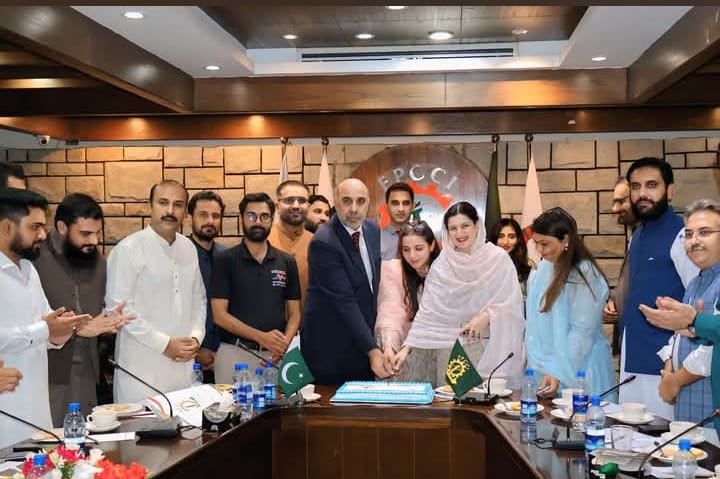
ISLAMABAD — The arts community in Pakistan commemorated the 5th death anniversary of Begum Khursheed Shahid, a distinguished figure in radio and television drama, on June 27. The occasion was marked by tributes to her enduring contributions to the performing arts, highlighting her role in shaping the cultural landscape of the country. What Happened On this solemn day, artists, colleagues, and admirers paid homage to Begum Khursheed Shahid, whose career spanned several decades and left an indelible mark on Pakistan’s entertainment industry. Various events were organized to celebrate her life and work, reflecting on her significant influence as a pioneering artist in radio and television. According to media reports, these gatherings were filled with heartfelt speeches and performances that underscored her talent and dedication. Begum Khursheed Shahid, born in Delhi, began her career at a time when the entertainment industry in Pakistan was still in its nascent stages. She quickly became a household name, known for her powerful performances and ability to bring characters to life with authenticity and grace. Her work in radio dramas was particularly influential, setting a standard for future generations of performers. In addition to her artistic achievements, she was also celebrated for her personal qualities, including her humility and commitment to her craft. Colleagues remembered her as a mentor and a source of inspiration, someone who was always willing to share her knowledge and experience with younger artists. Background Begum Khursheed Shahid’s career began in the mid-20th century, a period marked by significant changes in the media landscape of Pakistan. As radio and television became more prominent, she emerged as a leading figure, known for her versatility and depth as an actress. Her work included a wide range of roles in both mediums, from dramatic to comedic, showcasing her broad range of talents. Her legacy is particularly tied to the golden era of Pakistani radio, where she was a central figure in many popular programs. Her transition to television was seamless, and she continued to captivate audiences with her performances in numerous TV dramas. Her contributions were recognized with various awards and accolades throughout her career, cementing her status as a legend in the industry. Why It Matters The commemoration of Begum Khursheed Shahid’s death anniversary is not just a reflection on her individual achievements but also an acknowledgment of the role that artists play in cultural and social development. Her work contributed to the evolution of storytelling in Pakistan, influencing both the content and form of radio and television dramas. In a broader context, her legacy highlights the importance of preserving and promoting the arts as a vital component of national identity. The tributes paid to her underscore the need for continued support and investment in the arts, which serve as a mirror to society and a means of fostering dialogue and understanding. For the younger generation of artists, Begum Khursheed Shahid’s career serves as a source of inspiration and a benchmark for excellence. Her dedication to her craft and her ability to adapt to changing times are lessons that remain relevant in today’s rapidly evolving media environment. Key Takeaways Begum Khursheed Shahid’s 5th death anniversary was marked by tributes from the arts community. She was a pioneering figure in Pakistani radio and television drama. Her career spanned several decades, influencing the cultural landscape of Pakistan. Her legacy highlights the importance of the arts in national identity and cultural development. Her life and work continue to inspire new generations of artists. Source Attribution The information was sourced from the Associated Press of Pakistan (APP) and supplemented by media reports. The source material provided a comprehensive overview of the events and tributes marking the anniversary. Author: NEN Editorial Desk | Editor: NEN Newsroom | Fact Checked By: NEN Editorial Team Author: NEN Editorial Desk  |  Editor: NEN Newsroom  |  Last Updated: June 27, 2026  |  Source: Associated Press of Pakistan (APP) This article was produced by the NEN Editorial Desk in accordance with NEN Agency’s Editorial Policy and Fact-Checking Policy.
World

Prophet’s Mosque Cooling System Operates 24/7 with 19,300-Ton Capacity

MADINA — The advanced cooling and air conditioning system at the Prophet’s Mosque, also known as Masjid an-Nabawi, is functioning at full capacity around the clock to ensure a comfortable environment for visitors and worshippers amid the region’s intense heat. The system boasts a total capacity exceeding 19,300 refrigeration tons, according to official details released by the Associated Press of Pakistan (APP). What Happened The cooling system at the Prophet’s Mosque is a critical component of the infrastructure, designed to maintain a pleasant atmosphere for the millions of pilgrims and visitors who frequent the site annually. Operating continuously, the system is engineered to combat the extreme temperatures typical of Madina, especially during the summer months when temperatures can soar above 40 degrees Celsius. The cooling network’s capacity of over 19,300 refrigeration tons is a testament to the scale and sophistication of the technology employed to ensure that the mosque remains a sanctuary from the harsh climate. According to the APP, the system is not only extensive in its reach but also advanced in its operation, employing state-of-the-art technology to deliver consistent cooling. This is particularly important during peak pilgrimage seasons such as Hajj and Ramadan when the number of visitors increases significantly, necessitating a reliable and efficient cooling solution to accommodate the influx. Background The Prophet’s Mosque is one of the holiest sites in Islam, second only to the Grand Mosque in Mecca. It holds immense historical and religious significance, being the resting place of the Prophet Muhammad. Over the years, the mosque has undergone numerous expansions and technological upgrades to cater to the growing number of worshippers. The implementation of an advanced cooling system is part of these ongoing efforts to enhance the facilities and ensure the comfort of all visitors. The Saudi government has invested heavily in infrastructure projects aimed at improving the experience for pilgrims. This includes not only the installation of sophisticated cooling systems but also the expansion of prayer areas, improvement of transportation links, and enhancement of safety measures. These developments are part of a broader strategy to accommodate the increasing number of pilgrims and visitors to the holy sites each year. Why It Matters The operation of such a high-capacity cooling system at the Prophet’s Mosque is crucial for several reasons. First, it underscores the commitment of the Saudi authorities to provide a comfortable and safe environment for worshippers, which is essential given the mosque’s religious significance and the sheer volume of visitors it attracts. This is particularly important during the Hajj season, which sees millions of Muslims from around the world converge on the holy cities of Mecca and Madina. Moreover, the advanced cooling system reflects broader trends in the region towards the adoption of modern technologies to address environmental challenges. As climate change continues to exacerbate extreme weather conditions, the need for efficient cooling solutions becomes increasingly critical. The system at the Prophet’s Mosque serves as a model for other large-scale public infrastructure projects in hot climates, demonstrating how technology can be leveraged to enhance comfort and safety. Additionally, the successful implementation of this system has economic implications. By ensuring that the mosque remains a comfortable place for worship, the Saudi government supports the religious tourism sector, which is a significant contributor to the national economy. The influx of pilgrims and visitors generates revenue and creates jobs, making the efficient operation of facilities like the cooling system economically beneficial. Key Takeaways The Prophet’s Mosque in Madina operates a cooling system with a capacity exceeding 19,300 refrigeration tons. The system functions 24/7 to provide comfort to visitors and worshippers, particularly during peak seasons. This initiative is part of broader efforts by the Saudi government to enhance infrastructure at holy sites. The cooling system serves as a model for addressing environmental challenges in hot climates. Efficient operation of the mosque’s facilities supports the religious tourism sector in Saudi Arabia. Source Attribution The information was sourced from the Associated Press of Pakistan (APP), which provided official details regarding the operation and capacity of the cooling system at the Prophet’s Mosque. The report highlights the technological advancements and operational strategies employed to maintain a comfortable environment for visitors. Author: NEN Editorial Desk | Editor: NEN Newsroom | Fact Checked By: NEN Editorial Team Author: NEN Editorial Desk  |  Editor: NEN Newsroom  |  Last Updated: June 27, 2026  |  Source: APP This article was produced by the NEN Editorial Desk in accordance with NEN Agency’s Editorial Policy and Fact-Checking Policy.
World

CTO Kainat Inspects Traffic Plans for 11th Muharram Processions

ISLAMABAD — Chief Traffic Officer (CTO) Kainat Azhar Khan conducted a thorough review of traffic and security arrangements in Islamabad for the observance of the 11th Muharram-ul-Haram processions. The review took place on June 27, as the CTO visited key procession routes in Shah Allah Ditta and Bari Imam, ensuring that the necessary measures were in place to facilitate a smooth flow of traffic and maintain public safety. What Happened On Saturday, CTO Kainat Azhar Khan, accompanied by officials from the Islamabad Traffic Police (ITP), visited the designated procession routes to assess the traffic management strategies and security protocols. The inspection focused on ensuring that all arrangements were adequate to handle the large crowds expected during the religious observances. The CTO emphasized the importance of a coordinated approach, involving both traffic management and security personnel, to ensure the safety and convenience of participants and the general public. During the visit, CTO Khan issued specific instructions to traffic officers stationed at various key points along the procession routes. These directives included the strategic deployment of personnel to manage traffic flow, the establishment of diversion plans to minimize congestion, and the prioritization of emergency response readiness. An ITP official, speaking to the Associated Press of Pakistan (APP), highlighted that the CTO’s visit was aimed at reinforcing the commitment to public safety and efficient traffic management during the significant religious event. Background The observance of Muharram, particularly the processions on the 10th and 11th days, holds profound religious significance for Muslims in Pakistan and around the world. These processions commemorate the martyrdom of Imam Hussain, a pivotal figure in Islamic history, and are marked by large gatherings and public displays of mourning. In Pakistan, where these events draw significant participation, ensuring public safety and managing traffic effectively are critical tasks for local authorities. Historically, the Islamabad Traffic Police have played a crucial role in facilitating these events by implementing comprehensive traffic plans. These plans typically involve road closures, diversions, and the deployment of additional personnel to manage the increased vehicular and pedestrian traffic. The collaboration between traffic authorities and security forces is essential to prevent any incidents and ensure the safety of all participants. Why It Matters The effective management of traffic and security during Muharram processions is of paramount importance for several reasons. Firstly, it ensures the safety of thousands of participants who take part in these religious observances. Given the large crowds, any lapse in security or traffic management could lead to chaos or accidents, endangering lives. Secondly, the smooth conduct of these processions reflects the capability of local authorities to handle large-scale public events, which is crucial for maintaining public confidence in law enforcement agencies. The successful management of such events also has broader implications for the city’s image as a safe and organized urban center. Furthermore, the coordination between traffic and security agencies during these events serves as a model for managing other large public gatherings, such as political rallies or national celebrations. The lessons learned and strategies developed during Muharram can be applied to enhance the overall preparedness of the city’s emergency response systems. Key Takeaways CTO Kainat Azhar Khan reviewed traffic and security arrangements for 11th Muharram processions in Islamabad. The inspection focused on key routes in Shah Allah Ditta and Bari Imam to ensure public safety and smooth traffic flow. Specific directives were issued to traffic officers to manage congestion and prioritize emergency response readiness. Muharram processions are significant religious events requiring coordinated efforts from traffic and security agencies. Effective management of these events enhances public confidence and serves as a model for handling other large gatherings. Source Attribution The information in this article was sourced from the Associated Press of Pakistan (APP), which provided details of the CTO’s inspection and the measures taken by the Islamabad Traffic Police. As with any developing situation, the specifics of the traffic arrangements are subject to change based on real-time assessments by law enforcement agencies. Author: NEN Editorial Desk | Editor: NEN Newsroom | Fact Checked By: NEN Editorial Team Author: NEN Editorial Desk  |  Editor: NEN Newsroom  |  Last Updated: June 27, 2026  |  Source: Associated Press of Pakistan (APP) This article was produced by the NEN Editorial Desk in accordance with NEN Agency’s Editorial Policy and Fact-Checking Policy.
World

Pakistan Tennis Federation Honors Legends Haroon Rahim, Muhammad Khaliq

ISLAMABAD — The Pakistan Tennis Federation (PTF) has taken a significant step to honor the contributions of two of the nation’s most celebrated tennis figures, Haroon Rahim and Muhammad Khaliq. In a ceremony held at the PTF Complex on June 27, 2023, the federation officially named Courts 3 and 4 after these distinguished athletes, recognizing their lifelong dedication to the sport in Pakistan. What Happened The ceremony at the PTF Complex was attended by a number of tennis enthusiasts, officials, and former players, all gathered to pay tribute to Haroon Rahim and Muhammad Khaliq. Court No. 3 was named after Haroon Rahim, while Court No. 4 was dedicated to Muhammad Khaliq. The event underscored the immense respect and admiration these two figures command within the Pakistani tennis community. Haroon Rahim, often hailed as one of Pakistan’s finest tennis players, made his mark internationally during the 1970s. His achievements include winning several ATP titles and representing Pakistan in the Davis Cup. Muhammad Khaliq, on the other hand, is celebrated for his contributions to tennis at the grassroots level, nurturing young talent and promoting the sport across the country. PTF President Salim Saifullah Khan, speaking at the event, highlighted the importance of acknowledging the efforts of those who have significantly contributed to the development of tennis in Pakistan. “Naming these courts after Haroon Rahim and Muhammad Khaliq is a testament to their enduring legacy and the inspiration they continue to provide to future generations of Pakistani tennis players,” he stated. Background Haroon Rahim’s career began in the late 1960s, and he quickly rose to prominence on the international tennis circuit. His skill and determination earned him a place among the top players of his era, and he remains the only Pakistani to have won an ATP title. His success on the court has been a source of pride for Pakistan and has inspired countless young athletes to pursue tennis professionally. Muhammad Khaliq, although not as internationally renowned as Rahim, has been instrumental in the domestic tennis scene. His efforts in coaching and administration have helped lay the foundation for the sport’s growth in Pakistan. Through his work, Khaliq has provided opportunities for young players to develop their skills and compete at higher levels. Why It Matters The recognition of Haroon Rahim and Muhammad Khaliq by the PTF is more than just a ceremonial gesture; it represents a commitment to preserving the history and promoting the future of tennis in Pakistan. By honoring these legends, the PTF is acknowledging the importance of role models in sports and the impact they have on aspiring athletes. This move is expected to inspire current and future generations of tennis players in Pakistan. With the country’s sports infrastructure often criticized for lacking support and recognition, such initiatives can boost morale and encourage young athletes to pursue their dreams with vigor. The dedication of these courts serves as a reminder of the heights that Pakistani athletes can achieve with dedication and support. Furthermore, this recognition aligns with broader efforts to promote sports in Pakistan as a means of fostering national pride and unity. By celebrating local heroes, the PTF is contributing to a culture that values and supports athletic achievement, which is crucial for the development of sports at all levels. Key Takeaways The PTF named Courts 3 and 4 after tennis legends Haroon Rahim and Muhammad Khaliq. The ceremony was held at the PTF Complex in Islamabad on June 27, 2023. Haroon Rahim is celebrated for his international achievements, including ATP titles. Muhammad Khaliq is recognized for his grassroots contributions to tennis in Pakistan. This initiative aims to inspire future generations and promote sports culture in Pakistan. Source Attribution The information for this article was sourced from the Associated Press of Pakistan (APP). The report provided details of the ceremony and the contributions of Haroon Rahim and Muhammad Khaliq to Pakistani tennis. While the source offers a comprehensive overview, further details on the broader impact of this recognition were derived from historical context and analysis. Author: NEN Editorial Desk | Editor: NEN Newsroom | Fact Checked By: NEN Editorial Team Author: NEN Editorial Desk  |  Editor: NEN Newsroom  |  Last Updated: June 27, 2026  |  Source: Associated Press of Pakistan (APP) This article was produced by the NEN Editorial Desk in accordance with NEN Agency’s Editorial Policy and Fact-Checking Policy.

World

Online Registration for Hajj 2027–2030 Reaches Sixth Day

ISLAMABAD — The online registration process for Hajj 2027–2030 has entered its sixth consecutive day, allowing prospective pilgrims to apply from the comfort of their homes. According to a statement issued by the Associated Press of Pakistan (APP) on June 27, the registration is being conducted on a first-come, first-served basis. What Happened The online registration for the Hajj pilgrimage for the years 2027 to 2030 has seen a significant response, with a total of 107,587 applicants successfully completing their registration within the first five days. This digital initiative aims to streamline the application process, making it more accessible to a broader segment of the population. Of the total registrations received so far, 85,000 applicants have been confirmed, highlighting the enthusiasm and readiness of people to participate in this important religious event. The registration process, which began earlier this week, is designed to be user-friendly, allowing applicants to complete their registration without the need for physical visits to registration centers. The Ministry of Religious Affairs and Interfaith Harmony, responsible for overseeing the Hajj operations, has emphasized the importance of early registration to ensure a smooth and organized pilgrimage experience. The ministry’s efforts to digitize the registration process are part of a broader initiative to modernize Hajj operations and improve the overall experience for pilgrims. Background Hajj, one of the five pillars of Islam, is an annual pilgrimage to Mecca that every Muslim is required to undertake at least once in their lifetime, provided they are physically and financially capable. The pilgrimage is a significant religious duty and holds immense spiritual importance for Muslims worldwide. In recent years, the Government of Pakistan has been working to enhance the efficiency and transparency of the Hajj registration process. The introduction of online registration is a continuation of these efforts, aimed at reducing the bureaucratic hurdles and making the process more accessible to the general public. Previously, the registration process involved long queues and extensive paperwork, which often led to delays and inconvenience for applicants. The shift to an online platform is expected to alleviate these issues and provide a more streamlined experience for prospective pilgrims. Why It Matters The move to an online registration system for Hajj is significant for several reasons. Economically, it reduces the costs associated with physical registration centers and the manpower required to manage them. This digital transformation is expected to save resources and allow the Ministry of Religious Affairs to allocate funds more efficiently towards other aspects of the Hajj operations. Socially, the online registration system democratizes the application process, making it accessible to a wider audience, regardless of their geographical location. This is particularly beneficial for individuals living in remote areas who previously faced challenges in accessing registration centers. By simplifying the process, the government is ensuring that more people can fulfill their religious obligations without unnecessary barriers. Politically, the successful implementation of an online registration system reflects positively on the government’s commitment to modernization and digitalization. It aligns with broader national goals of enhancing e-governance and improving public service delivery through technology. Internationally, Pakistan’s efforts to modernize its Hajj operations can serve as a model for other countries with large Muslim populations. By demonstrating the effectiveness of digital solutions in managing large-scale religious events, Pakistan can position itself as a leader in the field of religious tourism management. Key Takeaways The online registration for Hajj 2027–2030 has entered its sixth day, with 107,587 applicants registered so far. The process is conducted on a first-come, first-served basis, with 85,000 applicants already confirmed. This initiative is part of the government’s efforts to modernize and streamline the Hajj registration process. The move to digital registration reduces costs and makes the process more accessible to people in remote areas. Pakistan’s successful implementation of online registration can serve as a model for other countries. Source Attribution This information was sourced from a statement issued by the Associated Press of Pakistan (APP). The report provides a comprehensive overview of the ongoing registration process but does not include specific details about the demographic breakdown of applicants or the technological infrastructure supporting the registration system. Author: NEN Editorial Desk | Editor: NEN Newsroom | Fact Checked By: NEN Editorial Team Author: NEN Editorial Desk  |  Editor: NEN Newsroom  |  Last Updated: June 27, 2026  |  Source: Associated Press of Pakistan This article was produced by the NEN Editorial Desk in accordance with NEN Agency’s Editorial Policy and Fact-Checking Policy.

Scroll to Top