
World

Welcome to the World section of NEN Agency, your window to the stories shaping our planet. From global politics and economic shifts to science breakthroughs, cultural moments, and humanitarian crises, we connect you to events that matter — wherever they happen.

Inside This Category

  • Global Politics & Diplomacy: International relations, summits, and policy shifts.

  • World Economy & Trade: Market trends, trade agreements, and financial developments.

  • Conflicts & Security: Coverage of wars, peace efforts, and security challenges.

  • Science & Environment: Climate change, technological advances, and space exploration.

  • Culture & Society: Arts, sports, and lifestyle stories from around the globe.

Why Our World Coverage Stands Out
We deliver global news with context, helping readers see how events beyond borders influence life in Pakistan and the wider region.

World

Begum Khursheed Shahid Remembered for Her Legacy on 5th Death Anniversary

ISLAMABAD — The arts community in Pakistan commemorated the 5th death anniversary of Begum Khursheed Shahid, a distinguished figure in radio and television drama, on June 27. The occasion was marked by tributes to her enduring contributions to the performing arts, highlighting her role in shaping the cultural landscape of the country. What Happened On this solemn day, artists, colleagues, and admirers paid homage to Begum Khursheed Shahid, whose career spanned several decades and left an indelible mark on Pakistan’s entertainment industry. Various events were organized to celebrate her life and work, reflecting on her significant influence as a pioneering artist in radio and television. According to media reports, these gatherings were filled with heartfelt speeches and performances that underscored her talent and dedication. Begum Khursheed Shahid, born in Delhi, began her career at a time when the entertainment industry in Pakistan was still in its nascent stages. She quickly became a household name, known for her powerful performances and ability to bring characters to life with authenticity and grace. Her work in radio dramas was particularly influential, setting a standard for future generations of performers. In addition to her artistic achievements, she was also celebrated for her personal qualities, including her humility and commitment to her craft. Colleagues remembered her as a mentor and a source of inspiration, someone who was always willing to share her knowledge and experience with younger artists. Background Begum Khursheed Shahid’s career began in the mid-20th century, a period marked by significant changes in the media landscape of Pakistan. As radio and television became more prominent, she emerged as a leading figure, known for her versatility and depth as an actress. Her work included a wide range of roles in both mediums, from dramatic to comedic, showcasing her broad range of talents. Her legacy is particularly tied to the golden era of Pakistani radio, where she was a central figure in many popular programs. Her transition to television was seamless, and she continued to captivate audiences with her performances in numerous TV dramas. Her contributions were recognized with various awards and accolades throughout her career, cementing her status as a legend in the industry. Why It Matters The commemoration of Begum Khursheed Shahid’s death anniversary is not just a reflection on her individual achievements but also an acknowledgment of the role that artists play in cultural and social development. Her work contributed to the evolution of storytelling in Pakistan, influencing both the content and form of radio and television dramas. In a broader context, her legacy highlights the importance of preserving and promoting the arts as a vital component of national identity. The tributes paid to her underscore the need for continued support and investment in the arts, which serve as a mirror to society and a means of fostering dialogue and understanding. For the younger generation of artists, Begum Khursheed Shahid’s career serves as a source of inspiration and a benchmark for excellence. Her dedication to her craft and her ability to adapt to changing times are lessons that remain relevant in today’s rapidly evolving media environment. Key Takeaways Begum Khursheed Shahid’s 5th death anniversary was marked by tributes from the arts community. She was a pioneering figure in Pakistani radio and television drama. Her career spanned several decades, influencing the cultural landscape of Pakistan. Her legacy highlights the importance of the arts in national identity and cultural development. Her life and work continue to inspire new generations of artists. Source Attribution The information was sourced from the Associated Press of Pakistan (APP) and supplemented by media reports. The source material provided a comprehensive overview of the events and tributes marking the anniversary. Author: NEN Editorial Desk | Editor: NEN Newsroom | Fact Checked By: NEN Editorial Team Author: NEN Editorial Desk  |  Editor: NEN Newsroom  |  Last Updated: June 27, 2026  |  Source: Associated Press of Pakistan (APP) This article was produced by the NEN Editorial Desk in accordance with NEN Agency’s Editorial Policy and Fact-Checking Policy.
World

Prophet’s Mosque Cooling System Operates 24/7 with 19,300-Ton Capacity

MADINA — The advanced cooling and air conditioning system at the Prophet’s Mosque, also known as Masjid an-Nabawi, is functioning at full capacity around the clock to ensure a comfortable environment for visitors and worshippers amid the region’s intense heat. The system boasts a total capacity exceeding 19,300 refrigeration tons, according to official details released by the Associated Press of Pakistan (APP). What Happened The cooling system at the Prophet’s Mosque is a critical component of the infrastructure, designed to maintain a pleasant atmosphere for the millions of pilgrims and visitors who frequent the site annually. Operating continuously, the system is engineered to combat the extreme temperatures typical of Madina, especially during the summer months when temperatures can soar above 40 degrees Celsius. The cooling network’s capacity of over 19,300 refrigeration tons is a testament to the scale and sophistication of the technology employed to ensure that the mosque remains a sanctuary from the harsh climate. According to the APP, the system is not only extensive in its reach but also advanced in its operation, employing state-of-the-art technology to deliver consistent cooling. This is particularly important during peak pilgrimage seasons such as Hajj and Ramadan when the number of visitors increases significantly, necessitating a reliable and efficient cooling solution to accommodate the influx. Background The Prophet’s Mosque is one of the holiest sites in Islam, second only to the Grand Mosque in Mecca. It holds immense historical and religious significance, being the resting place of the Prophet Muhammad. Over the years, the mosque has undergone numerous expansions and technological upgrades to cater to the growing number of worshippers. The implementation of an advanced cooling system is part of these ongoing efforts to enhance the facilities and ensure the comfort of all visitors. The Saudi government has invested heavily in infrastructure projects aimed at improving the experience for pilgrims. This includes not only the installation of sophisticated cooling systems but also the expansion of prayer areas, improvement of transportation links, and enhancement of safety measures. These developments are part of a broader strategy to accommodate the increasing number of pilgrims and visitors to the holy sites each year. Why It Matters The operation of such a high-capacity cooling system at the Prophet’s Mosque is crucial for several reasons. First, it underscores the commitment of the Saudi authorities to provide a comfortable and safe environment for worshippers, which is essential given the mosque’s religious significance and the sheer volume of visitors it attracts. This is particularly important during the Hajj season, which sees millions of Muslims from around the world converge on the holy cities of Mecca and Madina. Moreover, the advanced cooling system reflects broader trends in the region towards the adoption of modern technologies to address environmental challenges. As climate change continues to exacerbate extreme weather conditions, the need for efficient cooling solutions becomes increasingly critical. The system at the Prophet’s Mosque serves as a model for other large-scale public infrastructure projects in hot climates, demonstrating how technology can be leveraged to enhance comfort and safety. Additionally, the successful implementation of this system has economic implications. By ensuring that the mosque remains a comfortable place for worship, the Saudi government supports the religious tourism sector, which is a significant contributor to the national economy. The influx of pilgrims and visitors generates revenue and creates jobs, making the efficient operation of facilities like the cooling system economically beneficial. Key Takeaways The Prophet’s Mosque in Madina operates a cooling system with a capacity exceeding 19,300 refrigeration tons. The system functions 24/7 to provide comfort to visitors and worshippers, particularly during peak seasons. This initiative is part of broader efforts by the Saudi government to enhance infrastructure at holy sites. The cooling system serves as a model for addressing environmental challenges in hot climates. Efficient operation of the mosque’s facilities supports the religious tourism sector in Saudi Arabia. Source Attribution The information was sourced from the Associated Press of Pakistan (APP), which provided official details regarding the operation and capacity of the cooling system at the Prophet’s Mosque. The report highlights the technological advancements and operational strategies employed to maintain a comfortable environment for visitors. Author: NEN Editorial Desk | Editor: NEN Newsroom | Fact Checked By: NEN Editorial Team Author: NEN Editorial Desk  |  Editor: NEN Newsroom  |  Last Updated: June 27, 2026  |  Source: APP This article was produced by the NEN Editorial Desk in accordance with NEN Agency’s Editorial Policy and Fact-Checking Policy.
World

CTO Kainat Inspects Traffic Plans for 11th Muharram Processions

ISLAMABAD — Chief Traffic Officer (CTO) Kainat Azhar Khan conducted a thorough review of traffic and security arrangements in Islamabad for the observance of the 11th Muharram-ul-Haram processions. The review took place on June 27, as the CTO visited key procession routes in Shah Allah Ditta and Bari Imam, ensuring that the necessary measures were in place to facilitate a smooth flow of traffic and maintain public safety. What Happened On Saturday, CTO Kainat Azhar Khan, accompanied by officials from the Islamabad Traffic Police (ITP), visited the designated procession routes to assess the traffic management strategies and security protocols. The inspection focused on ensuring that all arrangements were adequate to handle the large crowds expected during the religious observances. The CTO emphasized the importance of a coordinated approach, involving both traffic management and security personnel, to ensure the safety and convenience of participants and the general public. During the visit, CTO Khan issued specific instructions to traffic officers stationed at various key points along the procession routes. These directives included the strategic deployment of personnel to manage traffic flow, the establishment of diversion plans to minimize congestion, and the prioritization of emergency response readiness. An ITP official, speaking to the Associated Press of Pakistan (APP), highlighted that the CTO’s visit was aimed at reinforcing the commitment to public safety and efficient traffic management during the significant religious event. Background The observance of Muharram, particularly the processions on the 10th and 11th days, holds profound religious significance for Muslims in Pakistan and around the world. These processions commemorate the martyrdom of Imam Hussain, a pivotal figure in Islamic history, and are marked by large gatherings and public displays of mourning. In Pakistan, where these events draw significant participation, ensuring public safety and managing traffic effectively are critical tasks for local authorities. Historically, the Islamabad Traffic Police have played a crucial role in facilitating these events by implementing comprehensive traffic plans. These plans typically involve road closures, diversions, and the deployment of additional personnel to manage the increased vehicular and pedestrian traffic. The collaboration between traffic authorities and security forces is essential to prevent any incidents and ensure the safety of all participants. Why It Matters The effective management of traffic and security during Muharram processions is of paramount importance for several reasons. Firstly, it ensures the safety of thousands of participants who take part in these religious observances. Given the large crowds, any lapse in security or traffic management could lead to chaos or accidents, endangering lives. Secondly, the smooth conduct of these processions reflects the capability of local authorities to handle large-scale public events, which is crucial for maintaining public confidence in law enforcement agencies. The successful management of such events also has broader implications for the city’s image as a safe and organized urban center. Furthermore, the coordination between traffic and security agencies during these events serves as a model for managing other large public gatherings, such as political rallies or national celebrations. The lessons learned and strategies developed during Muharram can be applied to enhance the overall preparedness of the city’s emergency response systems. Key Takeaways CTO Kainat Azhar Khan reviewed traffic and security arrangements for 11th Muharram processions in Islamabad. The inspection focused on key routes in Shah Allah Ditta and Bari Imam to ensure public safety and smooth traffic flow. Specific directives were issued to traffic officers to manage congestion and prioritize emergency response readiness. Muharram processions are significant religious events requiring coordinated efforts from traffic and security agencies. Effective management of these events enhances public confidence and serves as a model for handling other large gatherings. Source Attribution The information in this article was sourced from the Associated Press of Pakistan (APP), which provided details of the CTO’s inspection and the measures taken by the Islamabad Traffic Police. As with any developing situation, the specifics of the traffic arrangements are subject to change based on real-time assessments by law enforcement agencies. Author: NEN Editorial Desk | Editor: NEN Newsroom | Fact Checked By: NEN Editorial Team Author: NEN Editorial Desk  |  Editor: NEN Newsroom  |  Last Updated: June 27, 2026  |  Source: Associated Press of Pakistan (APP) This article was produced by the NEN Editorial Desk in accordance with NEN Agency’s Editorial Policy and Fact-Checking Policy.
World

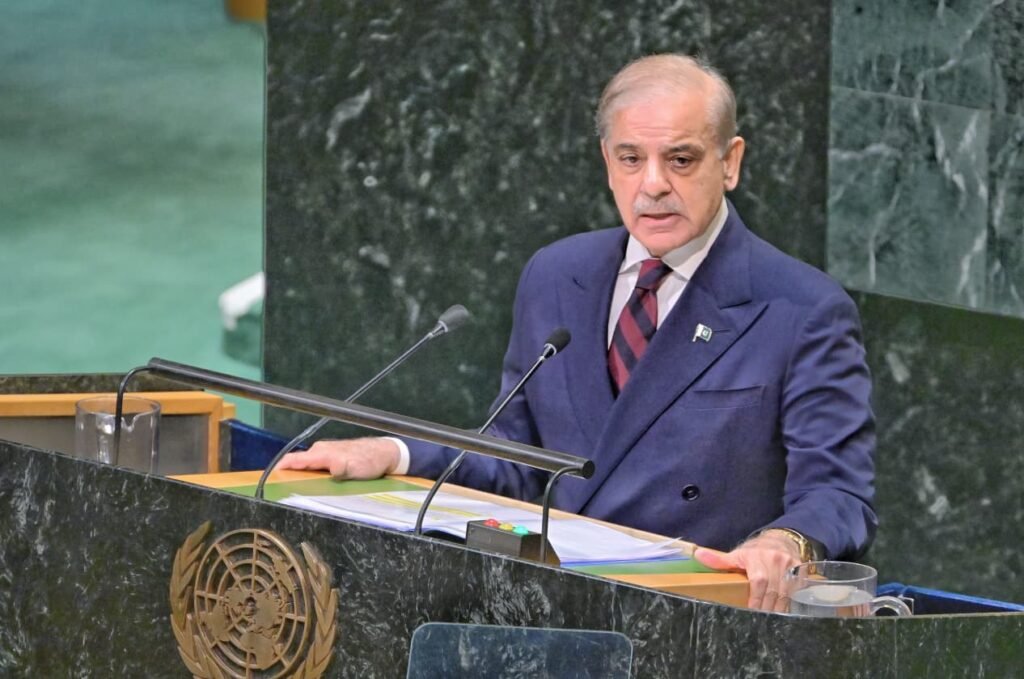
Pakistan Tennis Federation Honors Legends Haroon Rahim, Muhammad Khaliq

ISLAMABAD — The Pakistan Tennis Federation (PTF) has taken a significant step to honor the contributions of two of the nation’s most celebrated tennis figures, Haroon Rahim and Muhammad Khaliq. In a ceremony held at the PTF Complex on June 27, 2023, the federation officially named Courts 3 and 4 after these distinguished athletes, recognizing their lifelong dedication to the sport in Pakistan. What Happened The ceremony at the PTF Complex was attended by a number of tennis enthusiasts, officials, and former players, all gathered to pay tribute to Haroon Rahim and Muhammad Khaliq. Court No. 3 was named after Haroon Rahim, while Court No. 4 was dedicated to Muhammad Khaliq. The event underscored the immense respect and admiration these two figures command within the Pakistani tennis community. Haroon Rahim, often hailed as one of Pakistan’s finest tennis players, made his mark internationally during the 1970s. His achievements include winning several ATP titles and representing Pakistan in the Davis Cup. Muhammad Khaliq, on the other hand, is celebrated for his contributions to tennis at the grassroots level, nurturing young talent and promoting the sport across the country. PTF President Salim Saifullah Khan, speaking at the event, highlighted the importance of acknowledging the efforts of those who have significantly contributed to the development of tennis in Pakistan. “Naming these courts after Haroon Rahim and Muhammad Khaliq is a testament to their enduring legacy and the inspiration they continue to provide to future generations of Pakistani tennis players,” he stated. Background Haroon Rahim’s career began in the late 1960s, and he quickly rose to prominence on the international tennis circuit. His skill and determination earned him a place among the top players of his era, and he remains the only Pakistani to have won an ATP title. His success on the court has been a source of pride for Pakistan and has inspired countless young athletes to pursue tennis professionally. Muhammad Khaliq, although not as internationally renowned as Rahim, has been instrumental in the domestic tennis scene. His efforts in coaching and administration have helped lay the foundation for the sport’s growth in Pakistan. Through his work, Khaliq has provided opportunities for young players to develop their skills and compete at higher levels. Why It Matters The recognition of Haroon Rahim and Muhammad Khaliq by the PTF is more than just a ceremonial gesture; it represents a commitment to preserving the history and promoting the future of tennis in Pakistan. By honoring these legends, the PTF is acknowledging the importance of role models in sports and the impact they have on aspiring athletes. This move is expected to inspire current and future generations of tennis players in Pakistan. With the country’s sports infrastructure often criticized for lacking support and recognition, such initiatives can boost morale and encourage young athletes to pursue their dreams with vigor. The dedication of these courts serves as a reminder of the heights that Pakistani athletes can achieve with dedication and support. Furthermore, this recognition aligns with broader efforts to promote sports in Pakistan as a means of fostering national pride and unity. By celebrating local heroes, the PTF is contributing to a culture that values and supports athletic achievement, which is crucial for the development of sports at all levels. Key Takeaways The PTF named Courts 3 and 4 after tennis legends Haroon Rahim and Muhammad Khaliq. The ceremony was held at the PTF Complex in Islamabad on June 27, 2023. Haroon Rahim is celebrated for his international achievements, including ATP titles. Muhammad Khaliq is recognized for his grassroots contributions to tennis in Pakistan. This initiative aims to inspire future generations and promote sports culture in Pakistan. Source Attribution The information for this article was sourced from the Associated Press of Pakistan (APP). The report provided details of the ceremony and the contributions of Haroon Rahim and Muhammad Khaliq to Pakistani tennis. While the source offers a comprehensive overview, further details on the broader impact of this recognition were derived from historical context and analysis. Author: NEN Editorial Desk | Editor: NEN Newsroom | Fact Checked By: NEN Editorial Team Author: NEN Editorial Desk  |  Editor: NEN Newsroom  |  Last Updated: June 27, 2026  |  Source: Associated Press of Pakistan (APP) This article was produced by the NEN Editorial Desk in accordance with NEN Agency’s Editorial Policy and Fact-Checking Policy.
World

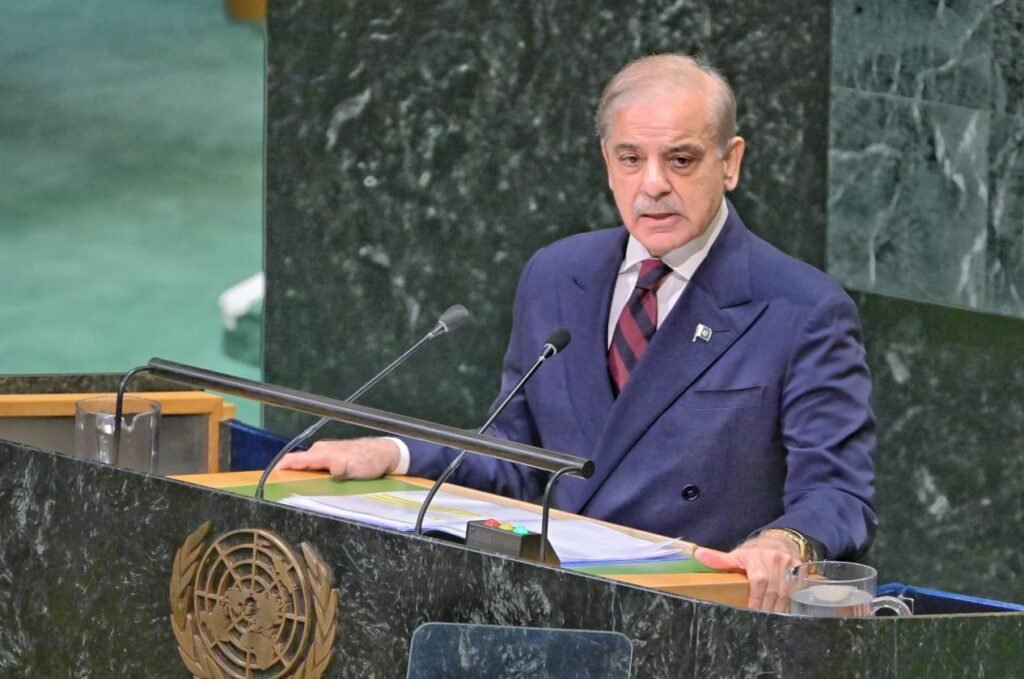
Online Registration for Hajj 2027–2030 Reaches Sixth Day

ISLAMABAD — The online registration process for Hajj 2027–2030 has entered its sixth consecutive day, allowing prospective pilgrims to apply from the comfort of their homes. According to a statement issued by the Associated Press of Pakistan (APP) on June 27, the registration is being conducted on a first-come, first-served basis. What Happened The online registration for the Hajj pilgrimage for the years 2027 to 2030 has seen a significant response, with a total of 107,587 applicants successfully completing their registration within the first five days. This digital initiative aims to streamline the application process, making it more accessible to a broader segment of the population. Of the total registrations received so far, 85,000 applicants have been confirmed, highlighting the enthusiasm and readiness of people to participate in this important religious event. The registration process, which began earlier this week, is designed to be user-friendly, allowing applicants to complete their registration without the need for physical visits to registration centers. The Ministry of Religious Affairs and Interfaith Harmony, responsible for overseeing the Hajj operations, has emphasized the importance of early registration to ensure a smooth and organized pilgrimage experience. The ministry’s efforts to digitize the registration process are part of a broader initiative to modernize Hajj operations and improve the overall experience for pilgrims. Background Hajj, one of the five pillars of Islam, is an annual pilgrimage to Mecca that every Muslim is required to undertake at least once in their lifetime, provided they are physically and financially capable. The pilgrimage is a significant religious duty and holds immense spiritual importance for Muslims worldwide. In recent years, the Government of Pakistan has been working to enhance the efficiency and transparency of the Hajj registration process. The introduction of online registration is a continuation of these efforts, aimed at reducing the bureaucratic hurdles and making the process more accessible to the general public. Previously, the registration process involved long queues and extensive paperwork, which often led to delays and inconvenience for applicants. The shift to an online platform is expected to alleviate these issues and provide a more streamlined experience for prospective pilgrims. Why It Matters The move to an online registration system for Hajj is significant for several reasons. Economically, it reduces the costs associated with physical registration centers and the manpower required to manage them. This digital transformation is expected to save resources and allow the Ministry of Religious Affairs to allocate funds more efficiently towards other aspects of the Hajj operations. Socially, the online registration system democratizes the application process, making it accessible to a wider audience, regardless of their geographical location. This is particularly beneficial for individuals living in remote areas who previously faced challenges in accessing registration centers. By simplifying the process, the government is ensuring that more people can fulfill their religious obligations without unnecessary barriers. Politically, the successful implementation of an online registration system reflects positively on the government’s commitment to modernization and digitalization. It aligns with broader national goals of enhancing e-governance and improving public service delivery through technology. Internationally, Pakistan’s efforts to modernize its Hajj operations can serve as a model for other countries with large Muslim populations. By demonstrating the effectiveness of digital solutions in managing large-scale religious events, Pakistan can position itself as a leader in the field of religious tourism management. Key Takeaways The online registration for Hajj 2027–2030 has entered its sixth day, with 107,587 applicants registered so far. The process is conducted on a first-come, first-served basis, with 85,000 applicants already confirmed. This initiative is part of the government’s efforts to modernize and streamline the Hajj registration process. The move to digital registration reduces costs and makes the process more accessible to people in remote areas. Pakistan’s successful implementation of online registration can serve as a model for other countries. Source Attribution This information was sourced from a statement issued by the Associated Press of Pakistan (APP). The report provides a comprehensive overview of the ongoing registration process but does not include specific details about the demographic breakdown of applicants or the technological infrastructure supporting the registration system. Author: NEN Editorial Desk | Editor: NEN Newsroom | Fact Checked By: NEN Editorial Team Author: NEN Editorial Desk  |  Editor: NEN Newsroom  |  Last Updated: June 27, 2026  |  Source: Associated Press of Pakistan This article was produced by the NEN Editorial Desk in accordance with NEN Agency’s Editorial Policy and Fact-Checking Policy.

World

Balochistan Governor Denounces Murder of Hotel Owner in Quetta

QUETTA — Governor Balochistan Jaffar Khan Mandokhail has condemned the murder of Hashim Khan Noorzai, a prominent hotel owner, in Quetta on June 27. The Governor expressed profound grief over the incident, labeling it a terrorist attack and underscoring the need for enhanced security measures to protect citizens. What Happened The tragic incident occurred in Quetta, the capital of Balochistan province, when Hashim Khan Noorzai, a well-known figure in the local hospitality industry, was killed. The murder has been described by Governor Mandokhail as a terrorist attack, reflecting the ongoing security challenges faced by the region. Governor Mandokhail, in his official statement, expressed deep sorrow and condemned the act of violence. He emphasized the importance of safeguarding the lives of citizens and called for immediate action to bring the perpetrators to justice. The Governor’s statement highlighted the need for a comprehensive strategy to combat terrorism and ensure the safety of the public. Local authorities have launched an investigation into the incident, and security has been heightened in Quetta to prevent further acts of violence. The killing of Noorzai has sent shockwaves through the community, with many calling for increased security measures and a more robust response to terrorist threats. Background Balochistan has long been plagued by security issues, including insurgency and sectarian violence. The province, which borders Afghanistan and Iran, has been a focal point for various militant groups. The government has been working to stabilize the region, but challenges remain due to its complex socio-political landscape. In recent years, Quetta has witnessed several high-profile attacks targeting civilians and security forces. The provincial government, along with federal authorities, has been striving to implement measures to curb terrorism and improve law enforcement capabilities. However, incidents like the murder of Hashim Khan Noorzai highlight the persistent threats that continue to undermine peace efforts. Why It Matters The murder of Hashim Khan Noorzai is a stark reminder of the ongoing security challenges in Balochistan. The incident not only affects the local community but also has broader implications for Pakistan’s efforts to maintain stability in the region. As a province rich in natural resources, Balochistan’s security is crucial for the country’s economic development and regional integration. Economically, the instability in Balochistan can deter investment and hinder development projects, which are vital for the province’s growth. The China-Pakistan Economic Corridor (CPEC), a flagship project under China’s Belt and Road Initiative, passes through Balochistan, making security a top priority for both Pakistan and China. Socially, the continued violence exacerbates the sense of insecurity among residents, affecting their daily lives and livelihoods. The murder of a respected community member like Noorzai can have a demoralizing effect, further straining the social fabric of the region. Politically, the incident underscores the need for a coordinated approach to counter-terrorism, involving both provincial and federal authorities. Strengthening intelligence capabilities, improving law enforcement, and fostering community engagement are essential steps towards achieving long-term peace and stability. Key Takeaways Balochistan Governor Jaffar Khan Mandokhail condemned the murder of hotel owner Hashim Khan Noorzai in Quetta. The incident has been described as a terrorist attack, highlighting ongoing security challenges in the region. Authorities have launched an investigation and heightened security measures in response to the murder. Balochistan’s security is crucial for economic development and the success of projects like CPEC. The incident calls for enhanced counter-terrorism strategies and community engagement to ensure stability. Source Attribution The information in this article is based on a report by the Associated Press of Pakistan (APP). The source provides an official statement from Governor Balochistan Jaffar Khan Mandokhail, but further details on the investigation and security measures are limited at this time. Author: NEN Editorial Desk | Editor: NEN Newsroom | Fact Checked By: NEN Editorial Team Author: NEN Editorial Desk  |  Editor: NEN Newsroom  |  Last Updated: June 27, 2026  |  Source: APP This article was produced by the NEN Editorial Desk in accordance with NEN Agency’s Editorial Policy and Fact-Checking Policy.
World

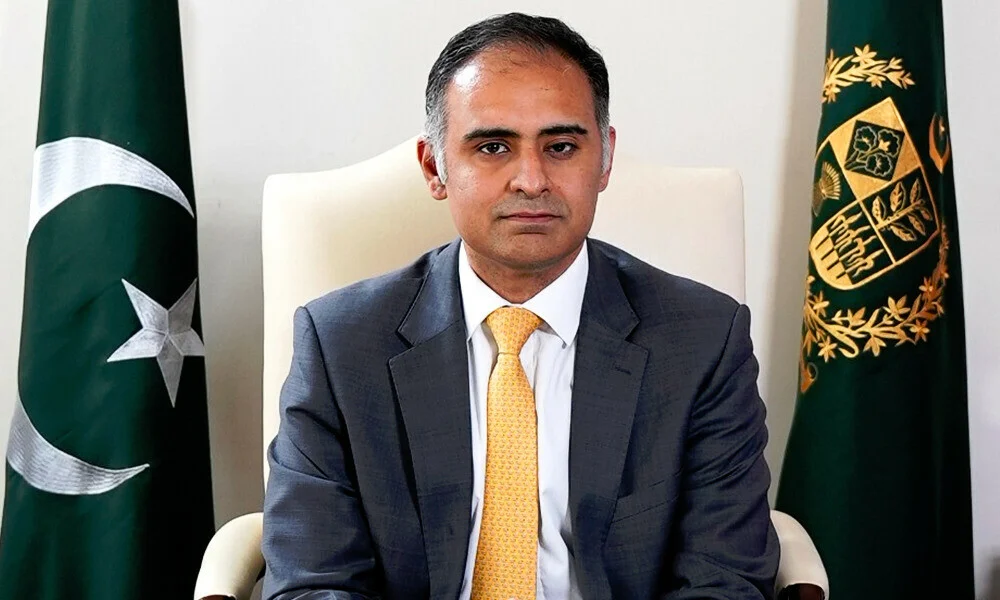
Deputy PM Dar Reaffirms Pakistan’s Commitment To Regional Peace

ISLAMABAD — Deputy Prime Minister and Foreign Minister Senator Mohammad Ishaq Dar reaffirmed Pakistan’s commitment to regional peace during a conversation with Iranian Foreign Minister Abbas Araghchi on June 26. The discussion emphasized Pakistan’s constructive role in achieving lasting peace and stability in the region. What Happened Deputy Prime Minister and Foreign Minister Mohammad Ishaq Dar engaged in a telephonic conversation with Iranian Foreign Minister Abbas Araghchi on the evening of June 26. During the call, Dar reiterated Pakistan’s dedication to fostering peace and stability within the region, highlighting the country’s ongoing efforts to act as a stabilizing force. The conversation underscored the importance of collaboration between Pakistan and Iran in addressing regional challenges and promoting mutual interests. Foreign Minister Araghchi expressed gratitude for Pakistan’s consistent support in advancing regional peace initiatives. He acknowledged the critical role Pakistan plays in facilitating dialogue and cooperation among neighboring countries. The exchange between the two ministers reflects a shared commitment to enhancing bilateral relations and working collaboratively on regional issues. The dialogue comes at a time when both countries are navigating complex geopolitical dynamics in the region. The reaffirmation of Pakistan’s commitment to peace is seen as a positive step towards strengthening diplomatic ties and fostering a cooperative environment in South Asia and the Middle East. Background Pakistan has historically played a significant role in regional diplomacy, often acting as a mediator in conflicts and disputes. The country shares borders with several key nations, including Iran, Afghanistan, and India, making its role in regional stability crucial. Over the years, Pakistan has been involved in various peace initiatives, particularly concerning Afghanistan and its ongoing conflict. The relationship between Pakistan and Iran has seen fluctuations, influenced by broader geopolitical tensions and domestic considerations. However, both countries have consistently expressed a desire to maintain and enhance their bilateral relations, focusing on areas such as trade, security, and cultural exchange. In recent years, Pakistan has been actively involved in promoting peace talks in Afghanistan, hosting and facilitating discussions between different stakeholders. This commitment to regional peace is part of Pakistan’s broader foreign policy objectives, aiming to ensure stability and prosperity within its borders and beyond. Why It Matters The reaffirmation of Pakistan’s commitment to regional peace holds significant implications for both domestic and international audiences. Economically, stability in the region can lead to increased trade and investment opportunities, benefiting Pakistan’s economy. By positioning itself as a peace facilitator, Pakistan can attract foreign investment and strengthen its economic partnerships. Socially, peace and stability in the region can lead to improved living conditions for citizens, reducing the threat of conflict and enhancing security. This can foster a more conducive environment for development and growth, improving the quality of life for people in Pakistan and neighboring countries. Politically, Pakistan’s role as a peace advocate can enhance its standing on the international stage. By actively participating in regional diplomacy, Pakistan can strengthen its relationships with key global players and assert its influence in regional affairs. This can lead to greater cooperation on issues such as counter-terrorism, climate change, and sustainable development. Internationally, the collaboration between Pakistan and Iran can contribute to broader efforts to stabilize the Middle East and South Asia. As both countries navigate complex geopolitical landscapes, their partnership can serve as a model for constructive engagement and conflict resolution. Key Takeaways Deputy Prime Minister Mohammad Ishaq Dar reaffirmed Pakistan’s commitment to regional peace in a conversation with Iranian Foreign Minister Abbas Araghchi. The discussion highlighted Pakistan’s role as a stabilizing force in the region and its efforts to foster dialogue and cooperation. Pakistan’s commitment to peace is part of its broader foreign policy objectives, aiming to ensure stability and prosperity in South Asia and the Middle East. The reaffirmation of peace efforts holds economic, social, and political significance for Pakistan and its neighbors. Collaboration between Pakistan and Iran can contribute to broader regional stability and serve as a model for constructive engagement. Source Attribution The information in this article is sourced from the Associated Press of Pakistan (APP). The details provided are based on official statements and communications between the involved parties. Limitations of the source material include the absence of specific details regarding the outcomes of the discussion and any concrete agreements reached during the conversation. Author: NEN Editorial Desk | Editor: NEN Newsroom | Fact Checked By: NEN Editorial Team Author: NEN Editorial Desk  |  Editor: NEN Newsroom  |  Last Updated: June 27, 2026  |  Source: APP This article was produced by the NEN Editorial Desk in accordance with NEN Agency’s Editorial Policy and Fact-Checking Policy.
World

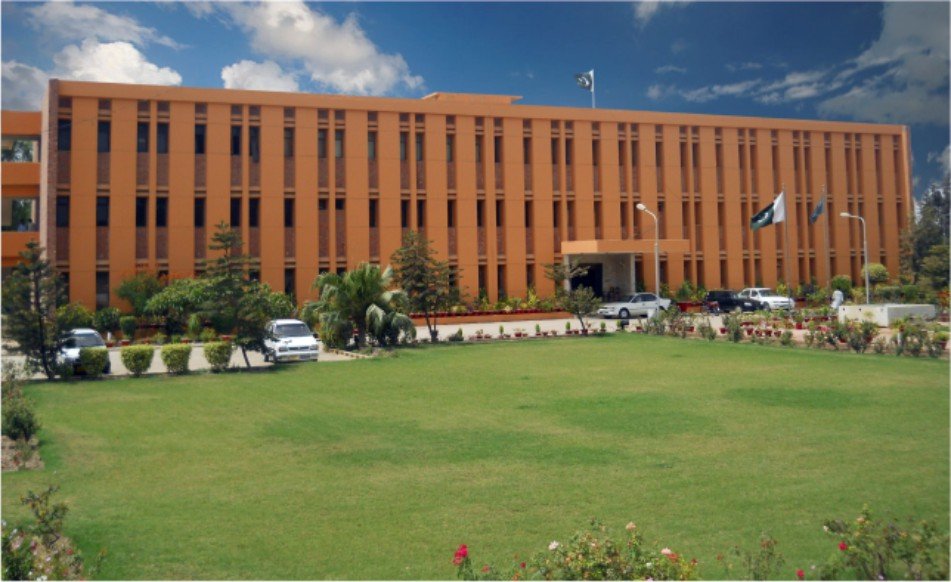
Dust Pollution Poses Severe Health Risks, Karachi Most Affected: Expert

ISLAMABAD — Consultant Pulmonologist Dr. Rashid Ali Daudpota has issued a stark warning about the escalating dust pollution in Pakistan, identifying it as a significant public health threat. During a recent statement, Dr. Daudpota highlighted Karachi as one of the cities most severely impacted by the deteriorating air quality, urging immediate action through tree plantation and other preventive measures to safeguard public health. What Happened On June 27, Dr. Rashid Ali Daudpota, a consultant pulmonologist, addressed the growing concern over dust pollution in Pakistan, particularly focusing on Karachi. He emphasized that the increasing levels of dust in the air are contributing to a serious decline in air quality, which poses a substantial threat to public health. Dr. Daudpota noted that the situation in Karachi is particularly alarming, with the city experiencing some of the highest levels of dust pollution in the country. Dr. Daudpota called for immediate interventions to combat this environmental issue. He advocated for widespread tree plantation as a natural method to improve air quality and protect lung health. “The rising dust pollution is not just an environmental concern but a direct threat to the health of our citizens,” he stated. The pulmonologist stressed the need for both governmental and community efforts to address this growing problem. The warning comes amid increasing reports of respiratory issues among the population, which health experts attribute to the poor air quality. Dr. Daudpota urged the public to take personal preventive measures, such as wearing masks and using air purifiers, especially in heavily polluted areas. Background Dust pollution has been a persistent issue in Pakistan, exacerbated by rapid urbanization, industrial activities, and a lack of green spaces. Karachi, being the largest city in Pakistan, faces unique challenges due to its dense population and industrial activities. Historically, the city has struggled with high levels of air pollution, which have led to numerous health problems among its residents. In recent years, the government has initiated several projects aimed at reducing air pollution, including the promotion of green spaces and stricter regulations on industrial emissions. However, these efforts have often been hampered by limited resources and enforcement challenges. Why It Matters The issue of dust pollution is not just an environmental concern but has far-reaching implications for public health and the economy. Poor air quality is linked to a range of health problems, including respiratory infections, heart disease, and lung cancer. The economic impact is also significant, with increased healthcare costs and reduced productivity due to illness. For Karachi, the situation is particularly dire. As a major economic hub, the city’s productivity is crucial to Pakistan’s overall economic health. Persistent health issues among its workforce could lead to decreased productivity and economic output. Moreover, the city’s reputation as a livable place is at stake, which could affect its attractiveness to investors and skilled workers. Addressing dust pollution is essential for improving the quality of life for residents and ensuring sustainable economic growth. The call for tree plantation and other measures highlights the need for a comprehensive approach that involves both policy interventions and community participation. Key Takeaways Dust pollution is a growing public health threat in Pakistan, with Karachi being the worst affected. Dr. Rashid Ali Daudpota emphasizes the need for tree plantation and preventive measures. Karachi’s air quality issues are linked to urbanization and industrial activities. Poor air quality poses significant health risks and economic challenges. Comprehensive efforts involving government and community are needed to tackle the issue. Source Attribution The information in this article is based on a statement from Dr. Rashid Ali Daudpota as reported by the Associated Press of Pakistan (APP). The source material highlights the health implications of dust pollution but lacks detailed statistical data on pollution levels and health outcomes. Author: NEN Editorial Desk | Editor: NEN Newsroom | Fact Checked By: NEN Editorial Team Author: NEN Editorial Desk  |  Editor: NEN Newsroom  |  Last Updated: June 27, 2026  |  Source: Associated Press of Pakistan (APP) This article was produced by the NEN Editorial Desk in accordance with NEN Agency’s Editorial Policy and Fact-Checking Policy.
World

Pakistan Plans Transparent Petroleum Pricing to Reduce Consumer Costs

ISLAMABAD — Federal Minister for Petroleum Ali Pervaiz Malik announced on Saturday that the government is working towards implementing a transparent framework for petroleum pricing to alleviate the financial burden on consumers. This initiative is part of Pakistan’s commitment to international agreements, and a high-level committee has been established under the Prime Minister’s directives to ensure fair price determination. What Happened The announcement was made by Ali Pervaiz Malik during a press briefing in Islamabad, where he detailed the government’s plans to reform the petroleum pricing mechanism. The minister emphasized that the current pricing structure needs to be more transparent and reflective of international market dynamics. He stated, “Efforts are underway to ease the burden on consumers while adhering to our international commitments.” The high-level committee, formed under the guidance of Prime Minister Shehbaz Sharif, is tasked with overseeing the development of this new framework. The committee’s primary objective is to ensure that the pricing of petroleum products is conducted in a transparent manner that benefits consumers. Malik hinted at “good news” for the public in the coming days, suggesting that the new framework could lead to more favorable pricing for consumers. The minister did not provide a specific timeline for the implementation of the new pricing system but indicated that the process is in its final stages. He assured that the government is committed to making the necessary adjustments to align with international standards while safeguarding the interests of Pakistani citizens. Background Pakistan’s petroleum pricing has long been a contentious issue, with consumers frequently expressing dissatisfaction over price hikes. The pricing mechanism is influenced by various factors, including international oil prices, exchange rates, and government taxes. Historically, the lack of transparency in price determination has led to public outcry and demands for reform. In recent years, the government has faced challenges in balancing consumer interests with fiscal responsibilities. The global fluctuations in oil prices, coupled with domestic economic pressures, have made it difficult to maintain stable petroleum prices. Previous attempts to reform the pricing structure have been met with limited success, often hindered by bureaucratic and political obstacles. Why It Matters The initiative to establish a transparent petroleum pricing framework is significant for several reasons. Economically, it aims to provide relief to consumers who have been burdened by volatile fuel prices. Lower petroleum costs could lead to reduced transportation and production costs, ultimately benefiting the broader economy. Socially, transparent pricing is expected to enhance public trust in government institutions. By ensuring that prices are determined fairly and openly, the government can address long-standing grievances and improve its relationship with the public. This move could also prevent the frequent protests and strikes that have historically occurred in response to sudden price hikes. Politically, the government’s commitment to transparency aligns with its broader agenda of reform and accountability. By addressing one of the most visible and impactful economic issues, the administration can strengthen its position domestically and demonstrate its responsiveness to citizen needs. Internationally, adhering to transparent pricing mechanisms can improve Pakistan’s standing with global partners and investors. It signals a commitment to economic reform and stability, which could attract foreign investment and enhance bilateral relations. Key Takeaways The Pakistani government is working on a transparent petroleum pricing framework to reduce consumer costs. A high-level committee has been established under the Prime Minister’s directives to oversee fair price determination. The initiative is part of Pakistan’s commitment to international agreements and aims to align with global standards. Transparent pricing is expected to enhance public trust and prevent protests related to price hikes. The reform could improve Pakistan’s international standing and attract foreign investment. Source Attribution The information in this article was sourced from the Associated Press of Pakistan (APP). While the source provides official statements and government perspectives, it may not cover all viewpoints or independent analyses of the situation. Author: NEN Editorial Desk | Editor: NEN Newsroom | Fact Checked By: NEN Editorial Team Author: NEN Editorial Desk  |  Editor: NEN Newsroom  |  Last Updated: June 27, 2026  |  Source: Associated Press of Pakistan (APP) This article was produced by the NEN Editorial Desk in accordance with NEN Agency’s Editorial Policy and Fact-Checking Policy.

World

Governor Khyber Pakhtunkhwa Praises Peaceful Ashura Observance

PESHAWAR — Governor Khyber Pakhtunkhwa Faisal Karim Kundi expressed his appreciation for the peaceful observance of Ashura across Pakistan, crediting the efforts of both the public and security forces. In a statement released on Saturday, Governor Kundi highlighted the successful security measures implemented by the Pakistan Armed Forces and police, which ensured a tranquil environment during the Muharram processions. What Happened Governor Faisal Karim Kundi lauded the collective efforts of the citizens and security personnel in maintaining peace during the Ashura commemorations, which took place on June 27. The Governor noted that the collaboration between the public and law enforcement agencies was instrumental in preventing any untoward incidents during the religious observance. The security arrangements were particularly focused on sensitive areas, with heightened vigilance and strategic deployment of forces. “The peaceful conduct of Ashura is a testament to the dedication and hard work of our security forces and the cooperation of the public,” stated Governor Kundi. He further acknowledged the comprehensive planning and execution by the security agencies, which included the deployment of additional personnel, surveillance measures, and the establishment of checkpoints to ensure safety. The Governor’s commendation comes in the wake of a nationwide effort to secure Muharram processions, a period that historically requires increased security due to its significance in the Islamic calendar. The successful observance of Ashura without any major incidents reflects the effectiveness of the security strategies employed. Background Muharram, the first month of the Islamic calendar, holds great religious significance for Muslims worldwide, particularly the day of Ashura, which marks the martyrdom of Imam Hussain, the grandson of Prophet Muhammad. In Pakistan, the observance of Muharram involves processions and gatherings, which necessitate stringent security measures due to potential sectarian tensions. Historically, Pakistan has faced challenges in maintaining peace during Muharram, with previous years witnessing sporadic incidents of violence. In response, the government has consistently enhanced security protocols, including the deployment of additional police and paramilitary forces, to safeguard participants and prevent disruptions. Why It Matters The peaceful observance of Ashura this year is significant for several reasons. Firstly, it underscores the effectiveness of the security forces in managing large-scale public events, which is crucial for maintaining public confidence in law enforcement agencies. The success of these measures also highlights the importance of community cooperation in ensuring safety and order during religious gatherings. Economically, a peaceful Muharram observance prevents disruptions to daily life and commerce, which can be adversely affected by security incidents. This stability is vital for local businesses and the overall economic environment, particularly in urban centers where processions are most prominent. Politically, the ability of the government to ensure a peaceful Ashura reflects positively on its governance and crisis management capabilities. It also reinforces the narrative of a united front against extremism and sectarian violence, which is crucial for Pakistan’s international image and relations. Key Takeaways Governor Khyber Pakhtunkhwa praised the peaceful observance of Ashura, crediting security forces and public cooperation. Enhanced security measures included additional personnel deployment and surveillance to ensure safety during processions. The peaceful conduct of Muharram is significant for public confidence, economic stability, and Pakistan’s international image. Historically, Muharram has posed security challenges, but recent efforts have successfully mitigated potential threats. The government’s effective management of Ashura reflects positively on its crisis management capabilities. Source Attribution The information in this article was sourced from the Associated Press of Pakistan (APP), which provided the initial report on Governor Khyber Pakhtunkhwa Faisal Karim Kundi’s statement. The source material primarily focused on the Governor’s commendation of security efforts and did not include detailed statistical data or specific incident reports. Author: NEN Editorial Desk | Editor: NEN Newsroom | Fact Checked By: NEN Editorial Team Author: NEN Editorial Desk  |  Editor: NEN Newsroom  |  Last Updated: June 27, 2026  |  Source: Associated Press of Pakistan (APP) This article was produced by the NEN Editorial Desk in accordance with NEN Agency’s Editorial Policy and Fact-Checking Policy.

Scroll to Top