UN Seminar Addresses AI and Surveillance Concerns in IIOJK
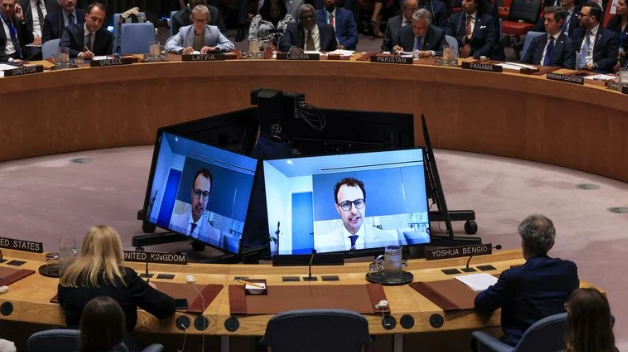
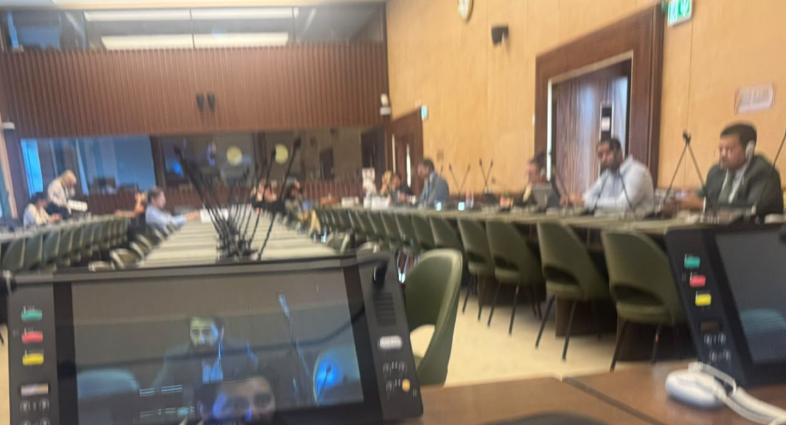
ISLAMABAD — A United Nations seminar, conducted alongside the 63rd session of the UN Human Rights Council, has brought to light significant concerns regarding the deployment of artificial intelligence (AI) and surveillance technologies in Indian Illegally Occupied Jammu and Kashmir (IIOJK). The seminar, titled “Artificial Intelligence: Impacts on Civil and Political Rights,” was convened to discuss the potential ramifications of these technologies on the region’s human rights landscape. What Happened The seminar, held in Geneva, Switzerland, gathered experts, human rights advocates, and representatives from various international organizations. They deliberated on the implications of AI and surveillance technologies, particularly in conflict zones like IIOJK. The discussions centered around the potential for these technologies to infringe on civil liberties, privacy, and political rights. Speakers at the seminar highlighted the increasing use of AI-driven surveillance systems in IIOJK, raising alarms about the potential for abuse in a region already fraught with political tension and human rights challenges. Concerns were expressed over the lack of transparency and accountability in the deployment of these technologies, which could lead to enhanced state surveillance and suppression of dissent. One of the key points raised was the absence of robust legal frameworks to regulate the use of AI in surveillance, which could result in violations of international human rights standards. Participants emphasized the need for international oversight and the establishment of guidelines to ensure that AI technologies are used ethically and do not exacerbate existing human rights issues. Background Indian Illegally Occupied Jammu and Kashmir has been a focal point of international human rights discussions due to ongoing conflicts and allegations of human rights abuses. The region has been under heightened surveillance, with reports of increased military presence and the use of advanced technologies to monitor civilian activities. The use of AI and surveillance technologies in IIOJK is part of a broader global trend where governments are increasingly adopting these tools for security purposes. However, in conflict zones, the application of such technologies often leads to controversies regarding privacy violations and the suppression of civil liberties. Why It Matters The use of AI and surveillance technologies in IIOJK carries significant implications for both the region and the broader international community. For the residents of IIOJK, these technologies could mean heightened surveillance and a further erosion of privacy and political freedoms. The potential misuse of AI-driven tools in a politically sensitive area raises concerns about the exacerbation of existing tensions and the potential for human rights abuses. Internationally, the situation in IIOJK serves as a critical example of the challenges posed by the rapid advancement of AI technologies in surveillance. It highlights the urgent need for global governance frameworks to regulate the use of AI, ensuring that technological advancements do not come at the cost of fundamental human rights. The seminar’s discussions underscore the importance of balancing technological innovation with ethical considerations, particularly in regions with complex political dynamics. The call for international oversight and the development of comprehensive legal frameworks is crucial to prevent the misuse of AI technologies and to protect human rights globally. Key Takeaways The UN seminar highlighted concerns over AI and surveillance technologies in IIOJK. Experts emphasized the lack of legal frameworks regulating AI use in surveillance. Increased AI-driven surveillance in IIOJK raises privacy and human rights concerns. International oversight is needed to ensure ethical use of AI technologies. The situation in IIOJK exemplifies the global challenges of AI in conflict zones. Source Attribution This article is based on official government statements, press releases, and public communications from relevant authorities. Author: NEN Editorial Desk | Editor: NEN Newsroom | Fact Checked By: NEN Editorial Team Author: NEN Editorial Desk | Editor: NEN Newsroom | Last Updated: September 25, 2026 | Source: NEN Reporter This article was produced by the NEN Editorial Desk in accordance with NEN Agency’s Editorial Policy and Fact-Checking Policy.