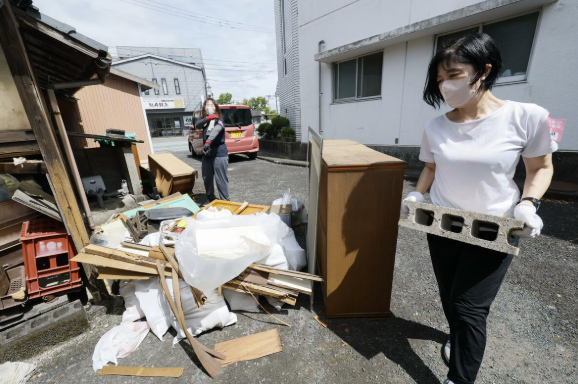
KUMAMOTO, Japan — More than 1,200 disaster relief volunteers have arrived in Kumamoto Prefecture, Japan, to assist with recovery efforts following a devastating earthquake that struck the region on July 28. The influx of volunteers comes as local municipalities began accepting assistance this month to manage the aftermath of the natural disaster.
What Happened
In response to the magnitude-7.1 earthquake that hit Kumamoto Prefecture, disaster volunteer centers have been established in 11 municipalities across the region. As of Friday, 1,293 volunteers had registered to participate in relief activities, which include removing debris and cleaning up homes that were damaged by the quake. According to local authorities, 10 of these municipalities have already started deploying volunteers to areas in need.
The prefectural government had initially requested that potential volunteers refrain from entering the affected areas until the local governments were prepared to receive them. This precaution was necessary to ensure that the relief efforts were well-organized and that volunteers could be effectively utilized.
The earthquake has resulted in significant destruction, with the death toll reaching 39 as of Saturday. Over 6,500 residents remain in evacuation shelters, and approximately 18,000 homes have been either destroyed or damaged, according to reports from the Kumamoto government.
Among the volunteers is Risako Matsumoto, 58, who traveled from Iwata, a city in central Japan, to offer her help in Uki, one of the areas hardest hit by the earthquake. Matsumoto expressed her motivation, stating, “Because I often vacation here, I want to help.”
Background
Kumamoto Prefecture has a history of seismic activity, with the region experiencing a series of earthquakes in 2016 that caused widespread damage and loss of life. The recent earthquake on July 28 is one of the most severe to hit the area since then. The Japanese government and local authorities have been working to improve disaster preparedness and response mechanisms in light of past experiences.
Japan is located on the Pacific Ring of Fire, an area with a high frequency of earthquakes and volcanic eruptions. This geographic positioning necessitates robust disaster management strategies to mitigate the impact of such natural events on its population and infrastructure.
Why It Matters
The mobilization of over 1,200 volunteers in Kumamoto highlights the critical role of community engagement and volunteerism in disaster recovery efforts. The swift response from volunteers not only aids in the physical cleanup but also provides emotional support to affected residents, fostering a sense of solidarity and resilience in the community.
Economically, the earthquake has significant implications for Kumamoto Prefecture, which will require substantial resources for rebuilding and recovery. The damage to infrastructure and homes will have long-term effects on the local economy, affecting industries such as agriculture, tourism, and manufacturing.
Socially, the disaster underscores the vulnerability of communities to natural calamities and the importance of preparedness and rapid response. The presence of volunteers from different regions of Japan also demonstrates national unity and the collective effort to assist those in need.
Internationally, Japan’s ability to manage and recover from natural disasters is closely observed, given its advanced disaster management systems and technology. The lessons learned from Kumamoto’s recovery efforts may offer valuable insights for other countries facing similar challenges.
Key Takeaways
- Over 1,200 volunteers have been mobilized to assist in Kumamoto following a magnitude-7.1 earthquake.
- Volunteer centers have been established in 11 municipalities, with 10 already deploying volunteers.
- The earthquake resulted in 39 fatalities, over 6,500 people in shelters, and significant damage to 18,000 homes.
- Kumamoto’s history of seismic activity necessitates ongoing disaster preparedness and response efforts.
- The situation highlights the importance of volunteerism and community solidarity in disaster recovery.
Source Attribution
This article is based on official government statements, press releases, and public communications from relevant authorities.