
World

Welcome to the World section of NEN Agency, your window to the stories shaping our planet. From global politics and economic shifts to science breakthroughs, cultural moments, and humanitarian crises, we connect you to events that matter — wherever they happen.

Inside This Category

  • Global Politics & Diplomacy: International relations, summits, and policy shifts.

  • World Economy & Trade: Market trends, trade agreements, and financial developments.

  • Conflicts & Security: Coverage of wars, peace efforts, and security challenges.

  • Science & Environment: Climate change, technological advances, and space exploration.

  • Culture & Society: Arts, sports, and lifestyle stories from around the globe.

Why Our World Coverage Stands Out
We deliver global news with context, helping readers see how events beyond borders influence life in Pakistan and the wider region.

World

Financial Markets Association Releases Latest Foreign Exchange Rates

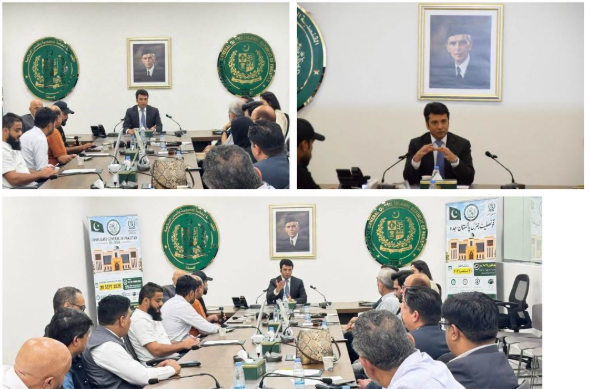
KARACHI — The Financial Markets Association of Pakistan’s Exchange Rates Committee released the latest foreign exchange rates bulletin on Monday, August 10, 2026. The bulletin outlines the conversion rates for various foreign currencies for forward cover deposits, excluding FE-25 deposits, effective from August 12, 2026. What Happened The Exchange Rates Committee of the Financial Markets Association of Pakistan announced the updated conversion rates for foreign currencies, which are crucial for businesses and financial institutions engaging in international trade and investment. The rates are set for forward cover deposits, providing a benchmark for currency exchange transactions in the coming days. According to the bulletin, the conversion rate for the US dollar is set at 277.6723 Pakistani rupees. The British pound sterling is valued at 373.3026 rupees, while the euro is set at 319.8785 rupees. The Japanese yen is priced at 1.7522 rupees. These rates are determined based on the State Bank of Pakistan’s settlement value date of August 12, 2026. The release of these rates is a routine procedure that helps stabilize the foreign exchange market by providing clear guidance on currency values. It assists businesses in planning their financial strategies and managing currency risks effectively. Background The Financial Markets Association of Pakistan plays a pivotal role in the country’s financial sector by providing transparency and consistency in the foreign exchange market. The association’s Exchange Rates Committee is responsible for issuing periodic bulletins that reflect the current market conditions and exchange rate trends. Historically, Pakistan’s foreign exchange market has been influenced by various factors, including economic policies, global market trends, and geopolitical events. The exchange rate is a critical economic indicator that affects inflation, trade balance, and overall economic stability. In recent years, Pakistan has faced challenges in maintaining a stable exchange rate due to external factors such as fluctuations in global oil prices and changes in international trade dynamics. The government and financial institutions continuously work to manage these challenges through policy adjustments and market interventions. Why It Matters The release of foreign exchange rates by the Financial Markets Association is significant for several reasons. Firstly, it provides businesses and investors with the necessary information to make informed decisions regarding international transactions and investments. Accurate exchange rates are essential for calculating the cost of imports and exports, impacting the profitability of businesses engaged in global trade. Secondly, the exchange rate influences inflation and purchasing power within the country. A stable exchange rate helps control inflation by ensuring that the cost of imported goods remains predictable. This stability is crucial for maintaining consumer confidence and economic growth. Moreover, the exchange rate affects Pakistan’s trade balance. A favorable exchange rate can boost exports by making Pakistani goods more competitive in the international market. Conversely, an unfavorable rate can increase the cost of imports, affecting the country’s trade deficit. On a broader scale, the exchange rate is an indicator of economic health and investor confidence. A stable and predictable exchange rate can attract foreign investment, contributing to economic development and job creation. Key Takeaways The Financial Markets Association of Pakistan released the latest foreign exchange rates for August 10, 2026. The US dollar is valued at 277.6723 Pakistani rupees, while the British pound is set at 373.3026 rupees. The euro is priced at 319.8785 rupees, and the Japanese yen is at 1.7522 rupees. These rates are crucial for businesses and investors engaging in international trade and investment. A stable exchange rate is vital for controlling inflation, maintaining trade balance, and attracting foreign investment. Source Attribution This article is based on official government statements, press releases, and public communications from relevant authorities. Author: NEN Editorial Desk | Editor: NEN Newsroom | Fact Checked By: NEN Editorial Team Author: NEN Editorial Desk  |  Editor: NEN Newsroom  |  Last Updated: August 10, 2026  |  Source: NEN Reporter This article was produced by the NEN Editorial Desk in accordance with NEN Agency’s Editorial Policy and Fact-Checking Policy.
World

Marka-e-Haq Azadi Cup Tenpin Bowling Championship Commences in Islamabad

ISLAMABAD — The Marka-e-Haq Azadi Cup Tenpin Bowling Championship commenced on August 9 at the Leisure City Bowling Club, located in Safa Gold Mall. The event, organized by the Pakistan Tenpin Bowling Federation (PTBF), aims to promote bowling as a sport across the nation and is set to conclude on August 14. What Happened The opening ceremony of the Marka-e-Haq Azadi Cup Tenpin Bowling Championship was graced by the presence of PTBF President Ijaz Ur Rehman and Muhammad Shahid Islam, Deputy Director General of the Pakistan Sports Board, who attended as the chief guest. The championship has attracted players from all over Pakistan, competing in eight distinct categories: Men’s Singles, Men’s Doubles, Ladies’ Singles, Amateur, Deaf Men’s, Deaf Ladies’, Trios Event, and Inter-School categories. In his address, PTBF President Ijaz Ur Rehman emphasized the importance of engaging the youth in positive activities and announced that the Marka-e-Haq Championship will become an annual event. He also took the opportunity to honor the sacrifices made by the Pakistan Armed Forces, reflecting on the spirit of the championship’s name, ‘Marka-e-Haq’, which translates to ‘Battle for Truth’. The championship’s opening day saw the completion of the finals for the Deaf categories. In the Deaf Men’s Singles, Qasim Asad secured the first position with 149 points, followed by Umar Farooq with 130 points, and Wajid Ali with 113 points. In the Deaf Women’s Singles, Asma claimed the top spot with 115 points, while Zoya, Ambreen Zahra, and Samaira followed with 102, 79, and 76 points, respectively. The championship will culminate with the final matches and an awards ceremony on August 14. Background Tenpin bowling has been gaining popularity in Pakistan over recent years, with the PTBF playing a pivotal role in organizing national and international events to foster talent and interest in the sport. The Marka-e-Haq Azadi Cup is part of a broader initiative to celebrate Pakistan’s Independence Day by promoting sports and healthy competition among the youth. The PTBF has been actively involved in enhancing the infrastructure for bowling in Pakistan, aiming to bring the sport to the forefront of national attention. The federation’s efforts include organizing training camps, coaching clinics, and regular tournaments to provide a platform for emerging talent. Why It Matters The Marka-e-Haq Azadi Cup holds significant importance as it not only promotes sportsmanship and healthy competition but also serves as a tribute to the resilience and sacrifices of the Pakistani nation. By organizing such events, the PTBF is contributing to the development of sports culture in Pakistan, which is crucial for the physical and mental well-being of its citizens. Furthermore, the championship provides an opportunity for athletes, especially those with hearing impairments, to showcase their skills on a national platform. This inclusivity is vital for fostering a sense of belonging and empowerment among differently-abled individuals, encouraging them to pursue sports as a viable career option. On an economic level, events like the Marka-e-Haq Azadi Cup can boost local businesses and tourism, as participants and spectators from various regions gather to partake in the festivities. This influx can lead to increased revenue for local establishments and promote Islamabad as a hub for national sports events. Key Takeaways The Marka-e-Haq Azadi Cup Tenpin Bowling Championship began on August 9 in Islamabad. The event features eight categories, including competitions for deaf athletes. PTBF President Ijaz Ur Rehman announced the championship will be held annually. The championship honors the sacrifices of the Pakistan Armed Forces and promotes youth engagement in sports. The final matches and awards ceremony are scheduled for August 14. Source Attribution This article is based on official government statements, press releases, and public communications from relevant authorities. Author: NEN Editorial Desk | Editor: NEN Newsroom | Fact Checked By: NEN Editorial Team Author: NEN Editorial Desk  |  Editor: NEN Newsroom  |  Last Updated: August 10, 2026  |  Source: Press Release from Government of Pakistan This article was produced by the NEN Editorial Desk in accordance with NEN Agency’s Editorial Policy and Fact-Checking Policy.

World

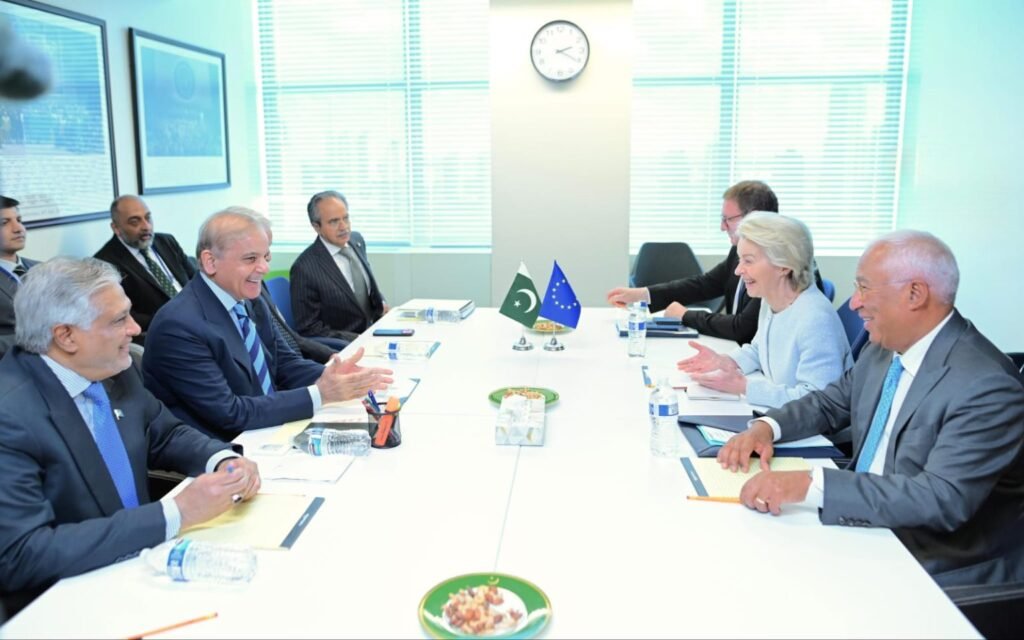
Silk Route Festival Organisers Meet Sri Lankan High Commissioner

ISLAMABAD — A delegation from the Silk Route Festival, led by Vice Admiral Ahmed Saeed HI (M) and Sadaf Khalid Khan, Director and Global Coordinator of Silk Route Enterprises, met with the High Commissioner of Sri Lanka to Pakistan, Rear Admiral Fred Senevirathne, at his official residence. The meeting aimed to discuss potential collaborations and strengthen cultural ties between Pakistan and Sri Lanka. What Happened The meeting took place at the official residence of the High Commissioner, where the delegation was warmly received. Vice Admiral Ahmed Saeed and Sadaf Khalid Khan presented the objectives and future plans of the Silk Route Festival, highlighting its role in promoting cultural exchange and economic cooperation along the historic Silk Route. The festival, which aims to celebrate the rich cultural heritage of countries along the Silk Route, seeks to foster greater understanding and collaboration among participating nations. During the discussions, Rear Admiral Fred Senevirathne expressed Sri Lanka’s interest in participating in the festival and emphasized the importance of such events in enhancing bilateral relations. He stated, “Sri Lanka is keen to engage in cultural initiatives that bring our nations closer and promote mutual understanding.” The High Commissioner also discussed potential areas of cooperation, including tourism, trade, and cultural exchanges. The delegation from the Silk Route Festival shared insights into the festival’s planned activities, which include cultural performances, exhibitions, and trade fairs. They also discussed the possibility of organizing joint events with Sri Lankan cultural institutions to showcase the diverse traditions and heritage of both countries. Background The Silk Route Festival is an annual event that aims to revive the historical significance of the Silk Route, which was a network of trade routes connecting the East and West. Historically, the Silk Route facilitated the exchange of goods, ideas, and culture, significantly impacting the civilizations it connected. In recent years, there has been a renewed interest in the Silk Route as countries seek to strengthen economic and cultural ties through initiatives like China’s Belt and Road Initiative. Pakistan and Sri Lanka have a history of strong bilateral relations, with cooperation in various sectors including trade, defense, and cultural exchange. The Silk Route Festival provides an opportunity to further enhance these ties by promoting cultural understanding and economic collaboration. Why It Matters The meeting between the Silk Route Festival organisers and the Sri Lankan High Commissioner is significant for several reasons. Economically, the festival has the potential to boost tourism and trade between Pakistan and Sri Lanka by showcasing their cultural heritage to a wider audience. This can lead to increased economic activity and opportunities for businesses in both countries. Socially, the festival promotes cultural exchange and understanding, which are crucial for fostering peaceful and cooperative international relations. By highlighting the shared cultural heritage of countries along the Silk Route, the festival encourages dialogue and collaboration, contributing to regional stability. Politically, the engagement between Pakistan and Sri Lanka through cultural initiatives like the Silk Route Festival can strengthen diplomatic ties and enhance cooperation in other areas, such as security and development. As both countries navigate complex regional dynamics, such collaborations can serve as a foundation for more comprehensive partnerships. Key Takeaways The Silk Route Festival delegation met with the Sri Lankan High Commissioner to discuss cultural collaboration. The festival aims to promote cultural exchange and economic cooperation along the historic Silk Route. Sri Lanka expressed interest in participating in the festival to enhance bilateral relations with Pakistan. The meeting highlights the potential for increased tourism and trade between the two countries. Cultural initiatives like the Silk Route Festival can strengthen diplomatic ties and regional stability. Source Attribution This article is based on official government statements, press releases, and public communications from relevant authorities. Author: NEN Editorial Desk | Editor: NEN Newsroom | Fact Checked By: NEN Editorial Team Author: NEN Editorial Desk  |  Editor: NEN Newsroom  |  Last Updated: August 09, 2026  |  Source: NEN Reporter This article was produced by the NEN Editorial Desk in accordance with NEN Agency’s Editorial Policy and Fact-Checking Policy.
World

Quetta Hosts ‘Run for Fun’ Marathon During Independence Day Festivities

QUETTA — The city of Quetta came alive with vibrant celebrations as it hosted the ‘Run for Fun’ marathon, a key event in the ongoing Independence Day festivities across Balochistan. Organized by the Department of Sports and Youth Affairs Balochistan, the marathon took place under the special instructions of Chief Minister Mir Sarfraz Bugti. What Happened The ‘Run for Fun’ marathon, held in Quetta, was a part of the larger Independence Day celebrations aimed at promoting cultural and sporting activities throughout the province. The event saw enthusiastic participation from residents of all ages, who gathered to celebrate the spirit of freedom and unity. The marathon route was carefully planned to showcase the scenic beauty of Quetta, allowing participants to enjoy the city’s landscape as they ran. Chief Minister Mir Sarfraz Bugti, who has been actively promoting such events, emphasized the importance of community engagement in fostering a sense of national pride. “Events like these bring our community together and remind us of the values that our country stands for,” he stated in a public address. The marathon concluded with a prize distribution ceremony, where winners were awarded medals and certificates for their participation and performance. The event was not only a sporting activity but also a cultural celebration, featuring local music and traditional dances that highlighted the rich heritage of Balochistan. Food stalls offering traditional Balochi cuisine added to the festive atmosphere, making it a memorable day for all attendees. Background Balochistan, Pakistan’s largest province by area, has a rich cultural heritage and a history of celebrating national events with enthusiasm. The Independence Day celebrations in Balochistan have traditionally included a variety of activities, from cultural shows to sports events, aimed at fostering unity and patriotism among the people. In recent years, the provincial government has placed a greater emphasis on organizing events that engage the youth and promote a healthy lifestyle. The ‘Run for Fun’ marathon is one such initiative, reflecting a broader strategy to integrate sports into the cultural fabric of the province. This approach aligns with national efforts to promote sports and physical activities as a means to improve public health and social cohesion. Why It Matters The ‘Run for Fun’ marathon is significant for several reasons. Firstly, it serves as a platform for community building, bringing together people from different walks of life to celebrate a common cause. Such events are crucial in a diverse province like Balochistan, where fostering unity and understanding is essential for social harmony. Economically, events like these can boost local businesses, particularly those in the hospitality and retail sectors, as they attract participants and spectators from various regions. The influx of visitors can lead to increased demand for local products and services, providing a temporary economic boost to the area. Politically, the successful organization of such events reflects positively on the provincial government’s ability to engage with its citizens and promote a sense of national identity. It demonstrates a commitment to investing in the social infrastructure that supports community well-being and national pride. On an international level, showcasing Balochistan’s cultural and sporting events can enhance Pakistan’s image as a nation that values diversity and community engagement. It highlights the country’s efforts to promote peace and unity through cultural diplomacy. Key Takeaways The ‘Run for Fun’ marathon in Quetta was part of Balochistan’s Independence Day celebrations. Organized by the Department of Sports and Youth Affairs, the event aimed to promote community engagement and national pride. Participants enjoyed a scenic route, cultural performances, and traditional Balochi cuisine. The event supports local businesses and reflects positively on the provincial government’s citizen engagement efforts. Such events enhance Pakistan’s international image by showcasing its cultural diversity and unity. Source Attribution This article is based on official government statements, press releases, and public communications from relevant authorities. Author: NEN Editorial Desk | Editor: NEN Newsroom | Fact Checked By: NEN Editorial Team Author: NEN Editorial Desk  |  Editor: NEN Newsroom  |  Last Updated: August 09, 2026  |  Source: NEN Reporter This article was produced by the NEN Editorial Desk in accordance with NEN Agency’s Editorial Policy and Fact-Checking Policy.
World

Pakistan Hockey Team Arrives in Netherlands for 2026 World Cup

LAHORE — The Pakistan national hockey team has arrived in the Netherlands to participate in the FIH Men’s Hockey World Cup 2026, which will be co-hosted by the Netherlands and Belgium from August 15 to August 30. The team was warmly welcomed at the airport by representatives from the Pakistan embassy in the Netherlands. What Happened The Pakistan hockey team departed from Lahore’s Allama Iqbal International Airport on Sunday, marking the beginning of their journey to the Netherlands for the prestigious tournament. The team’s arrival was met with enthusiasm and support from the local Pakistani community and embassy officials, underscoring the significance of their participation on the global stage. In preparation for the World Cup, the Pakistan Hockey Federation (PHF) has ensured that all necessary arrangements are in place to facilitate the team’s focus on their performance. A total of PKR 20 million has been transferred to the bank accounts of the players and coaching staff as a foreign daily allowance, aiming to alleviate any financial concerns that could distract from their on-field efforts. “The federation’s objective is to free the players from financial concerns and provide them with the opportunity to focus their full attention on their performance on the field,” stated a press release by the PHF. The federation has also confirmed the completion of logistical arrangements, including travel, accommodation, meals, local transportation, and the transportation of sports equipment. PHF President Mohyuddin Ahmed Wani emphasized the federation’s commitment to the welfare of the players and coaches, stating, “Welfare of the players and coaches is our top priority. All necessary financial and administrative matters have been settled transparently before departure so that the team can represent the country and nation on the global stage without any hesitation.” Background The FIH Men’s Hockey World Cup is one of the most prestigious tournaments in the sport, attracting teams from across the globe to compete for the title. Pakistan, with a rich history in hockey, has been a formidable force in the past, having won the World Cup on multiple occasions. However, in recent years, the team has faced challenges in maintaining its dominance on the international stage. The Pakistan Hockey Federation has been actively working to revitalize the sport in the country, focusing on player development, infrastructure improvements, and international exposure. The participation in the 2026 World Cup is seen as a crucial step in re-establishing Pakistan’s presence in the world of hockey. Why It Matters The participation of Pakistan in the FIH Men’s Hockey World Cup 2026 holds significant importance for several reasons. Economically, the event provides a platform for the players to gain international exposure, potentially leading to opportunities for sponsorships and endorsements, which can contribute to the financial stability of the sport in Pakistan. Socially, the team’s participation serves as a source of national pride and unity, rallying support from fans across the country. It also inspires young athletes to pursue hockey as a career, contributing to the development of future talent. Politically, successful participation in international sports events can enhance Pakistan’s image on the global stage, showcasing the country’s ability to compete at high levels despite domestic challenges. This can lead to improved diplomatic relations and increased interest from international investors in various sectors. Key Takeaways Pakistan’s hockey team has arrived in the Netherlands for the 2026 World Cup. The PHF has provided PKR 20 million as a foreign daily allowance to players and staff. All logistical arrangements for the team’s participation have been completed. The tournament is co-hosted by the Netherlands and Belgium from August 15 to 30. The event is crucial for Pakistan’s international sports presence and national pride. Source Attribution This article is based on official government statements, press releases, and public communications from relevant authorities. Author: NEN Editorial Desk | Editor: NEN Newsroom | Fact Checked By: NEN Editorial Team Author: NEN Editorial Desk  |  Editor: NEN Newsroom  |  Last Updated: August 09, 2026  |  Source: Press Release from Government of Pakistan This article was produced by the NEN Editorial Desk in accordance with NEN Agency’s Editorial Policy and Fact-Checking Policy.
World

Bank Of Punjab CEO Advocates Shift To Welfare GDP Amid Economic Challenges

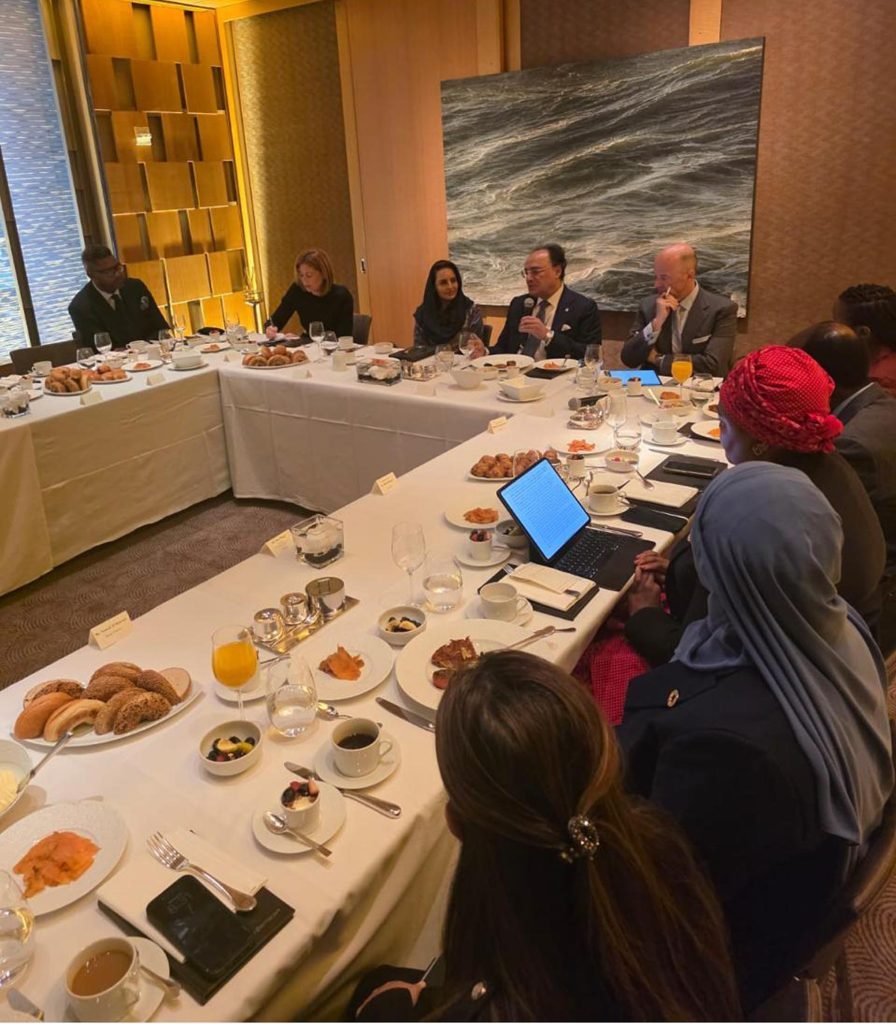
ISLAMABAD — The President and CEO of the Bank of Punjab, Zafar Masud, has advocated for a transition from a conventional GDP model to a ‘welfare GDP’ framework as a strategy to alleviate the economic challenges faced by Pakistani citizens. Addressing the Islamabad Policy Research Institute (IPRI) on August 9, Masud emphasized the need for a holistic approach to economic measurement that prioritizes citizen welfare. What Happened During his address at the IPRI event titled ‘Measuring Welfare-GDP Beyond Arithmetic’, Zafar Masud highlighted the limitations of traditional GDP metrics in capturing the true economic well-being of the population. He noted that while Pakistan’s headline GDP experienced an 18.8% growth over the past five fiscal years, this figure drops significantly to 9.6% when adjusted for population growth. This discrepancy underscores the need for a more nuanced approach to economic measurement. Masud identified several structural weaknesses in Pakistan’s economy, particularly in the labor market. He pointed out that approximately four individuals rely on a single income earner, and the labor force participation rate remains at a low 45%. These factors contribute to the economic strain faced by many households. Drawing comparisons with countries like Argentina, Greece, and Sri Lanka, Masud suggested that Pakistan could find cautious optimism in their experiences. These nations have endured severe economic crises yet managed to gradually reduce inflation and stabilize their economies. He emphasized the importance of learning from their strategies to achieve sustainable economic growth. Masud also referenced successful economic models from the UK, US, and Sweden, where long-term prosperity was achieved through a framework of credible rules that lower capital costs and enhance living standards. He proposed a set of five broad reforms aimed at steering Pakistan towards a welfare-oriented GDP model. These reforms include moving beyond the stabilization trap with transparent fiscal accounting, channeling capital into high-return sectors like agriculture and SMEs, enhancing productivity for global competitiveness, ensuring policy predictability, and fostering inclusive growth through job creation and fair wages. Background The concept of GDP, or Gross Domestic Product, has long been the standard measure of a country’s economic performance. However, it primarily focuses on economic output without adequately accounting for the distribution of wealth and the overall well-being of citizens. In recent years, there has been a growing recognition of the need to incorporate welfare indicators into economic assessments to provide a more comprehensive picture of national prosperity. Pakistan’s economy has faced numerous challenges, including high inflation, a large fiscal deficit, and a low tax-to-GDP ratio. These issues have been compounded by political instability and external economic pressures. The government has been working on various economic reforms to address these challenges, but progress has been slow. Why It Matters The call for a shift to a welfare GDP model is significant as it highlights the need for economic policies that prioritize the well-being of citizens rather than solely focusing on economic output. By adopting a welfare-oriented approach, Pakistan can aim to address the socio-economic disparities that have long plagued the nation. Economically, this shift could lead to more equitable growth, where the benefits of economic development are more evenly distributed across different segments of society. This approach could also help in reducing poverty levels and improving the quality of life for the average citizen. Politically, embracing a welfare GDP model could enhance the government’s credibility and public trust, as it demonstrates a commitment to addressing the needs of the population. It could also attract international support and investment by showcasing a stable and inclusive economic environment. On an international level, Pakistan’s move towards a welfare GDP model could position it as a leader in the region, advocating for economic policies that balance growth with social welfare. This could strengthen its diplomatic ties and enhance its standing in global economic forums. Key Takeaways Zafar Masud, CEO of the Bank of Punjab, calls for a shift to a welfare GDP model. Pakistan’s GDP growth of 18.8% over five years drops to 9.6% when adjusted for population growth. Structural weaknesses in the labor market include low participation and high dependency ratios. Masud proposes five reforms to enhance economic stability and citizen welfare. The shift to welfare GDP could improve socio-economic equity and international standing. Source Attribution This article is based on official statements and public communications from the Islamabad Policy Research Institute and the Bank of Punjab. Author: NEN Editorial Desk | Editor: NEN Newsroom | Fact Checked By: NEN Editorial Team Author: NEN Editorial Desk  |  Editor: NEN Newsroom  |  Last Updated: August 09, 2026  |  Source: NEN Reporter This article was produced by the NEN Editorial Desk in accordance with NEN Agency’s Editorial Policy and Fact-Checking Policy.
World

Pakistani and Canadian Officials Discuss Regional Dynamics and Defence Pact

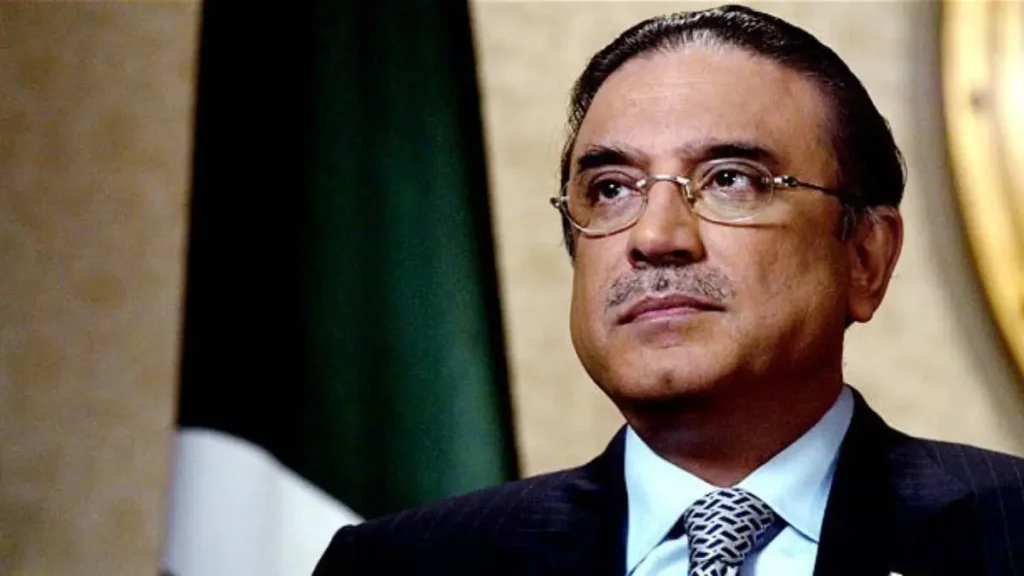
ISLAMABAD — Deputy Prime Minister and Foreign Minister Senator Mohammad Ishaq Dar held a conversation with Canadian Foreign Minister Anita Anand on Sunday to discuss the evolving regional situation, particularly focusing on the Makkah Joint Defence Agreement recently signed between Pakistan, Saudi Arabia, and Türkiye. What Happened The discussion between Deputy Prime Minister Mohammad Ishaq Dar and Canadian Foreign Minister Anita Anand revolved around the geopolitical implications of the Makkah Joint Defence Agreement. This agreement, signed earlier this month, aims to enhance military cooperation and strategic alignment among Pakistan, Saudi Arabia, and Türkiye. The two officials exchanged views on how this trilateral pact could influence regional stability and security dynamics. According to official statements, both ministers underscored the importance of maintaining peace and stability in the region, which has been fraught with tensions due to various geopolitical challenges. “Our discussion focused on mutual interests in promoting peace and security in the region,” said Deputy Prime Minister Dar. The Canadian Foreign Minister echoed these sentiments, emphasizing the need for collaborative efforts to address regional security issues. The conversation also touched upon other regional matters, including economic cooperation and bilateral relations between Pakistan and Canada. Both ministers expressed a commitment to strengthening diplomatic ties and exploring opportunities for economic collaboration. Background The Makkah Joint Defence Agreement marks a significant step in regional military cooperation, especially in the context of Middle Eastern geopolitics. Historically, Pakistan has maintained strong military and economic ties with both Saudi Arabia and Türkiye. This agreement is seen as a continuation of efforts to bolster these relationships and address shared security concerns. The region has witnessed various conflicts and political tensions, with countries like Iran and Yemen often at the center of geopolitical discussions. The trilateral defence pact is perceived as a strategic move to counterbalance regional threats and ensure a stable security environment. Canada, while geographically distant, has vested interests in the stability of the Middle East and South Asia due to its global diplomatic and economic engagements. The dialogue between the Pakistani and Canadian officials reflects Canada’s active role in international peacekeeping and diplomatic initiatives. Why It Matters The Makkah Joint Defence Agreement is a critical development in the context of regional security and international relations. For Pakistan, this pact not only strengthens its defence capabilities but also solidifies its strategic alliances with key regional players like Saudi Arabia and Türkiye. This is particularly important given the ongoing security challenges in Afghanistan and the broader Middle East. For Canada, engaging in dialogue with Pakistan on regional security issues underscores its commitment to global peace and stability. Such discussions can pave the way for increased diplomatic and economic cooperation between the two countries, potentially leading to joint initiatives in areas like trade, education, and technology. The agreement and subsequent discussions also have implications for international diplomatic alignments. As countries like the United States and China continue to exert influence in the region, alliances such as the one formed through the Makkah Joint Defence Agreement could shift the balance of power and influence regional policy decisions. Key Takeaways Pakistani and Canadian officials discussed the regional implications of the Makkah Joint Defence Agreement. The agreement aims to enhance military cooperation between Pakistan, Saudi Arabia, and Türkiye. Both countries emphasized the importance of regional peace and stability. The dialogue reflects Canada’s interest in international peacekeeping and diplomatic efforts. Strengthened alliances could influence the geopolitical landscape in the Middle East and South Asia. Source Attribution This article is based on official government statements, press releases, and public communications from relevant authorities. Author: NEN Editorial Desk | Editor: NEN Newsroom | Fact Checked By: NEN Editorial Team Author: NEN Editorial Desk  |  Editor: NEN Newsroom  |  Last Updated: August 09, 2026  |  Source: Press Release from Government of Pakistan This article was produced by the NEN Editorial Desk in accordance with NEN Agency’s Editorial Policy and Fact-Checking Policy.
World

Sindhi Adabi Sangat Explores Literary Themes at Hyderabad Meeting

HYDERABAD — The Sindhi Adabi Sangat convened its weekly literary session at the Khanabdosh Writers Cafe, Sindh Museum, Hyderabad, on August 9, under the leadership of renowned writer Faheem Noonari. The meeting, hosted by Executive Secretary Syed Zwar Naqvi, was a platform for discussing various literary works and themes. What Happened The gathering featured presentations of literary works by several authors. Muhammad Yusuf Joyo presented his story titled ‘We are all dumb,’ while Saleem Chana shared his piece ‘Chah Bandh.’ Ehsaas Merel showcased his travelogue ‘Safar and Sarooneen.’ The presentations sparked a lively discussion among the attendees, which included notable figures such as Fahim Noonari, Zwar Naqvi, Saleem Chana, Imran Soomro, Gul Sindhi, and Mola Bux Mohabbati. Faheem Noonari and other participants praised Yusuf Joyo’s story for its depth, describing it as a reflection on societal consciousness, comparing it to the state of being mute. The story’s internal and external dimensions were highlighted as significant areas for understanding. The narrative was appreciated for its exploration of folk wisdom and modern classics. Saleem Chana’s poetic verses were also well-received. Yusuf Joyo, Abdul Latif Mallah, Ehsaas Merel, Wahid Kandharo, Farhan Mari, and Abuzar Mallah commented on the emotional appeal of Chana’s work. The discussions emphasized the importance of poetry in evoking emotional responses and connecting with cultural roots. Ehsaas Merel’s travelogue ‘Traveller/Saroonun’ was discussed by Prof. Dr. Qazi Khadim, Nazeer Malkani, Idris Jatoi, Abdul Magsi, Inam Magsi, and Faheem Noonari. The travelogue offered a comparative review of the economic and developmental aspects of Khyber Pakhtunkhwa province in relation to Sindh. The narrative was praised for its artistic depiction of the surroundings and the insightful observations made by the author. In his presidential remarks, Faheem Noonari commended the efforts of the Sindhi Adabi Sangat Hyderabad members, acknowledging their dedication and continuous engagement in literary pursuits. Background The Sindhi Adabi Sangat is a prominent literary organization in Sindh, dedicated to promoting Sindhi literature and culture. It regularly hosts sessions to discuss literary works, providing a platform for writers and poets to present their creations and engage in intellectual discourse. The organization has a long-standing tradition of nurturing literary talent and fostering a deeper understanding of Sindhi cultural heritage. Why It Matters The weekly meetings of the Sindhi Adabi Sangat play a crucial role in preserving and promoting Sindhi literature, which is an integral part of Pakistan’s cultural tapestry. By providing a forum for writers to share their works and receive feedback, the organization helps sustain literary traditions and encourages new voices in the literary landscape. Literary discussions, such as those held by the Sindhi Adabi Sangat, contribute to the broader cultural and intellectual development of society. They offer insights into societal issues, historical contexts, and cultural narratives that shape the collective consciousness of the region. The discussions on Yusuf Joyo’s story and Ehsaas Merel’s travelogue, for instance, highlight the role of literature in reflecting and critiquing social realities. Moreover, the comparative analysis of regional development in Merel’s travelogue underscores the importance of literature in documenting and analyzing socio-economic changes. Such works can inform policy discussions and contribute to a deeper understanding of regional disparities and developmental challenges. Key Takeaways The Sindhi Adabi Sangat held its weekly literary session in Hyderabad, chaired by Faheem Noonari. Presentations included works by Muhammad Yusuf Joyo, Saleem Chana, and Ehsaas Merel. Discussions focused on societal consciousness, emotional appeal in poetry, and regional development. The organization plays a vital role in promoting Sindhi literature and cultural heritage. Literary discussions contribute to cultural and intellectual development, offering insights into societal issues. Source Attribution This article is based on official government statements, press releases, and public communications from relevant authorities. Author: NEN Editorial Desk | Editor: NEN Newsroom | Fact Checked By: NEN Editorial Team Author: NEN Editorial Desk  |  Editor: NEN Newsroom  |  Last Updated: August 09, 2026  |  Source: NEN Reporter This article was produced by the NEN Editorial Desk in accordance with NEN Agency’s Editorial Policy and Fact-Checking Policy.
World

Transparency Urged in Pakistan’s Critical Minerals Agreements

ISLAMABAD — Pakistan’s Coordinator to the Federal Tax Ombudsman, Saif-ur-Rehman, emphasized the importance of transparency in agreements concerning the country’s critical mineral resources on Sunday. He highlighted that these resources could significantly attract advanced technologies, diversify exports, and create substantial employment opportunities if managed as long-term national assets through transparent and well-regulated investment policies. What Happened During a statement on Sunday, Saif-ur-Rehman, the Coordinator to the Federal Tax Ombudsman, underscored the critical role of transparency in managing Pakistan’s mineral resources. He pointed out that the country is endowed with vast mineral wealth which, if harnessed properly, has the potential to transform the economic landscape. Rehman stressed that transparent and well-regulated investment policies are essential to ensure these resources are managed as national assets. Rehman noted that Pakistan’s mineral sector could be a significant driver of economic growth. He stated, “Pakistan’s vast mineral resources have the potential to attract advanced technologies, diversify exports, and generate substantial employment.” However, he warned that without transparency and proper regulation, the full potential of these resources might not be realized. The call for transparency comes at a time when the global demand for critical minerals is increasing, driven by technological advancements and the transition to renewable energy sources. Rehman’s comments suggest a need for Pakistan to position itself strategically in the global market by ensuring that its mineral agreements are transparent and beneficial to the nation. Background Pakistan is known for its rich deposits of minerals such as copper, gold, and rare earth elements. The country has been attempting to develop its mining sector to boost economic growth and reduce reliance on traditional industries like agriculture and textiles. Historically, the sector has faced challenges such as lack of investment, inadequate infrastructure, and regulatory hurdles. In recent years, there has been a push to attract foreign investment into the mining sector. However, past experiences with international agreements have highlighted the need for transparency and fair practices to avoid disputes and ensure that the benefits of mining activities are equitably shared. Why It Matters The emphasis on transparency in mineral agreements is crucial for several reasons. Economically, the development of the mineral sector could significantly boost Pakistan’s GDP and create jobs. By attracting advanced technologies, the country can improve its mining practices, increase efficiency, and enhance the value of its exports. Socially, the creation of employment opportunities in the mining sector could alleviate poverty and improve living standards in mineral-rich regions. This is particularly important in rural areas where economic opportunities are limited. Politically, transparent agreements can enhance trust between the government, investors, and the public. Past controversies over mineral agreements have led to public discontent and legal challenges. By ensuring transparency, the government can build confidence and foster a stable investment climate. On an international level, as countries shift towards renewable energy sources, the demand for critical minerals is expected to rise. Pakistan, with its untapped mineral resources, has the potential to become a key player in the global market. Transparent agreements can help the country secure a favorable position in international trade and attract sustainable investments. Key Takeaways Saif-ur-Rehman emphasized the need for transparency in Pakistan’s mineral agreements. Pakistan’s mineral wealth has the potential to attract advanced technologies and create jobs. Transparent and well-regulated policies are essential for managing mineral resources as national assets. The global demand for critical minerals is increasing, presenting opportunities for Pakistan. Transparent agreements can enhance economic growth, social welfare, and political stability. Source Attribution This article is based on official government statements and public communications from relevant authorities. Author: NEN Editorial Desk | Editor: NEN Newsroom | Fact Checked By: NEN Editorial Team Author: NEN Editorial Desk  |  Editor: NEN Newsroom  |  Last Updated: August 09, 2026  |  Source: NEN Reporter This article was produced by the NEN Editorial Desk in accordance with NEN Agency’s Editorial Policy and Fact-Checking Policy.

World

Pakistan Positioned As Prime Hub For Chinese Investment

ISLAMABAD — The Islamabad Chamber of Commerce and Industry (ICCI) has advocated for an expansion of Pakistan-China economic cooperation, urging a shift towards innovation, advanced manufacturing, digital transformation, and high-value investments. This call aims to elevate the bilateral economic relationship beyond its conventional parameters. What Happened The ICCI recently emphasized the need to enhance the economic partnership between Pakistan and China, focusing on sectors that promise sustainable growth and technological advancement. The chamber highlighted that while traditional areas of cooperation have yielded substantial benefits, there is significant untapped potential in emerging sectors. The ICCI’s statement comes amid ongoing discussions to strengthen the China-Pakistan Economic Corridor (CPEC), a flagship project under China’s Belt and Road Initiative. According to the ICCI, Pakistan offers a strategic advantage for Chinese investors due to its geographical location, abundant natural resources, and a growing market for consumer goods. The chamber suggested that by investing in high-tech industries and digital infrastructure, Chinese companies could not only benefit from Pakistan’s resources but also contribute to the country’s economic development. “Pakistan is ideally positioned to serve as a regional hub for Chinese investments, particularly in sectors that are poised for growth in the coming decades,” stated an ICCI spokesperson. The ICCI also noted that increased Chinese investment in Pakistan could lead to job creation, skill development, and technology transfer, which are crucial for Pakistan’s industrial and economic growth. The chamber urged the government to facilitate this process by providing a conducive environment for foreign investors, including policy reforms and incentives. Background The economic relationship between Pakistan and China has been primarily driven by the CPEC, which has seen significant investments in infrastructure, energy, and transportation. Since its inception, CPEC has been hailed as a game-changer for Pakistan’s economy, promising to improve connectivity and boost trade. However, the focus has largely remained on traditional sectors, with limited exploration into new areas of cooperation. Historically, Pakistan has relied on Chinese investments to bolster its infrastructure and energy sectors. The CPEC projects have included the development of roads, railways, and power plants, which have been instrumental in addressing Pakistan’s energy shortages and improving its logistics network. Despite these successes, there is a growing consensus that diversifying the areas of cooperation could yield even greater benefits. Why It Matters The call for expanding Pakistan-China economic ties into new sectors is significant for several reasons. Economically, it represents an opportunity for Pakistan to modernize its industrial base and integrate more deeply into global value chains. By attracting investments in high-tech industries and digital infrastructure, Pakistan can enhance its competitiveness and foster innovation, which are essential for sustainable economic growth. Socially, increased Chinese investment could lead to job creation and skill development, addressing some of the critical challenges faced by Pakistan’s labor market. With a young and growing population, the demand for employment opportunities is high. Investments in new sectors could provide the necessary impetus to absorb this workforce, reducing unemployment and improving living standards. Politically, strengthening economic ties with China aligns with Pakistan’s strategic interests, given the geopolitical dynamics of the region. As China continues to expand its influence through the Belt and Road Initiative, Pakistan stands to gain by positioning itself as a key partner in this ambitious project. This partnership could also enhance Pakistan’s standing on the international stage, providing it with greater leverage in regional and global affairs. Key Takeaways The ICCI advocates for expanding Pakistan-China economic cooperation into new sectors. Focus areas include innovation, advanced manufacturing, and digital transformation. Enhanced cooperation could lead to job creation, skill development, and technology transfer. The call aligns with ongoing efforts to strengthen the China-Pakistan Economic Corridor. Strategic investments could bolster Pakistan’s economy and geopolitical standing. Source Attribution This article is based on official statements from the Islamabad Chamber of Commerce and Industry and public communications from relevant authorities. Author: NEN Editorial Desk | Editor: NEN Newsroom | Fact Checked By: NEN Editorial Team Author: NEN Editorial Desk  |  Editor: NEN Newsroom  |  Last Updated: August 09, 2026  |  Source: NEN Reporter This article was produced by the NEN Editorial Desk in accordance with NEN Agency’s Editorial Policy and Fact-Checking Policy.

Scroll to Top