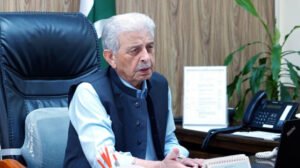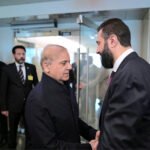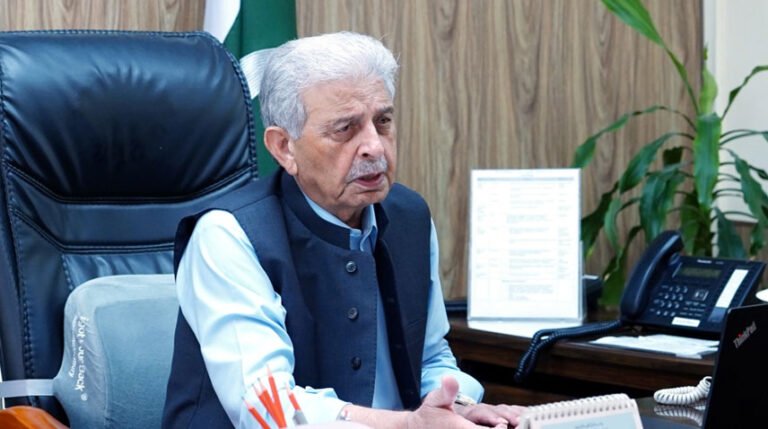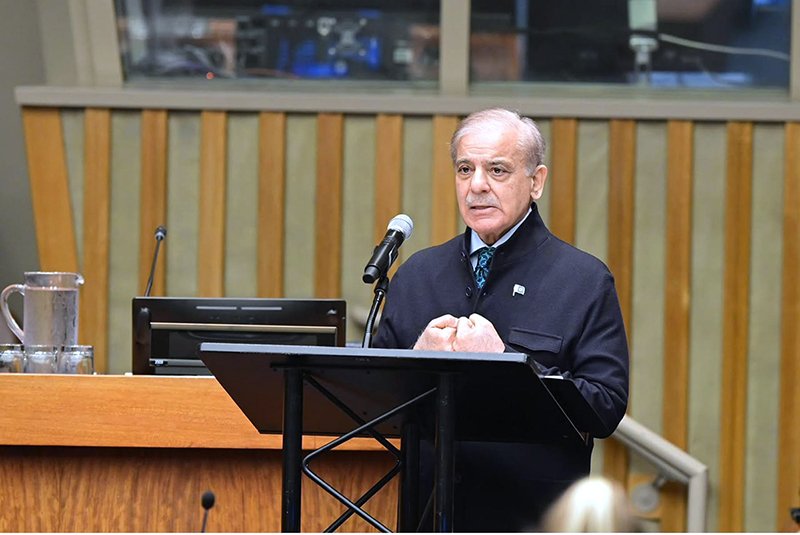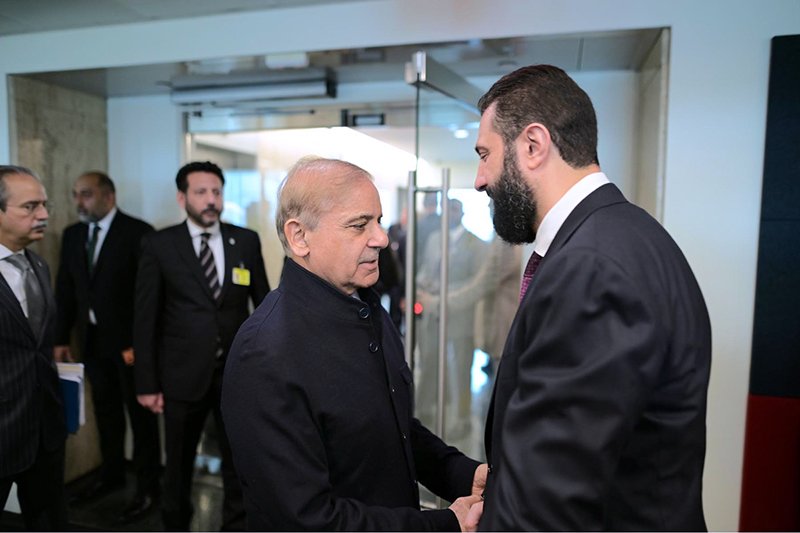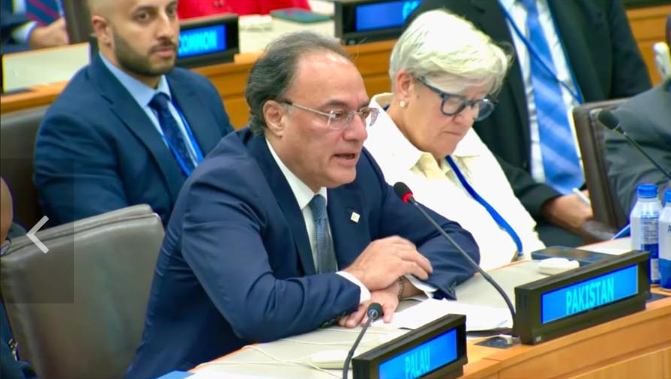
ISLAMABAD — Federal Minister for Finance and Revenue, Senator Muhammad Aurangzeb, conducted a series of strategic meetings during the 81st Session of the United Nations General Assembly (UNGA) in New York. These discussions, held on September 23, aimed to forge international partnerships across critical sectors such as energy, aviation, healthcare, and climate change.
What Happened
During his visit to the UNGA, Finance Minister Aurangzeb participated in high-level meetings with global stakeholders to advance Pakistan’s economic interests. Accompanying Prime Minister Shehbaz Sharif, the minister focused on strengthening ties and exploring collaborative opportunities in sectors vital to Pakistan’s economic growth and sustainability.
The discussions centered on enhancing energy cooperation, with an emphasis on sustainable and renewable energy sources. Minister Aurangzeb highlighted Pakistan’s commitment to transitioning to cleaner energy and reducing its carbon footprint. “Our goal is to increase the share of renewable energy in our national grid, and we are seeking partnerships that can support this transition,” he stated.
In the aviation sector, the minister sought to attract investment to modernize Pakistan’s aviation infrastructure, aiming to improve connectivity and boost economic activity. Discussions also touched upon the potential for enhancing healthcare systems, with a focus on increasing access to quality medical services and leveraging technology for better health outcomes.
Climate change was a significant topic of discussion, with Minister Aurangzeb emphasizing the need for international cooperation to address environmental challenges. He advocated for increased funding and technological support to help Pakistan mitigate and adapt to climate impacts.
Background
Pakistan’s participation in the UNGA comes at a time when the country is grappling with economic challenges, including energy shortages and the need for infrastructure development. Historically, Pakistan has relied heavily on fossil fuels, but recent policy shifts aim to embrace renewable energy sources to meet growing demand and environmental commitments.
The aviation sector in Pakistan has been under scrutiny due to outdated infrastructure and safety concerns. Efforts to modernize this sector are seen as crucial for enhancing trade and tourism. Similarly, the healthcare sector faces challenges such as limited access and inadequate facilities, which the government aims to address through international cooperation and investment.
Why It Matters
The outcomes of these meetings at the UNGA hold significant implications for Pakistan’s future economic trajectory. By fostering international partnerships, Pakistan aims to secure the necessary resources and expertise to address its pressing challenges in energy, aviation, healthcare, and climate change.
Economically, the shift towards renewable energy could reduce Pakistan’s dependence on imported fuels, thus improving energy security and reducing the trade deficit. This transition is also expected to create jobs and stimulate technological innovation within the country.
Improving aviation infrastructure can enhance Pakistan’s connectivity, facilitating trade and tourism, which are vital for economic growth. Enhanced healthcare systems can lead to better health outcomes, improving the quality of life for citizens and reducing the economic burden of disease.
Addressing climate change is crucial for Pakistan, which is highly vulnerable to environmental impacts such as floods and droughts. International support in this area can help Pakistan build resilience and protect its population and economy from climate-related risks.
Key Takeaways
- Finance Minister Aurangzeb held strategic meetings at the UNGA to advance key sector goals.
- Discussions focused on energy, aviation, healthcare, and climate change partnerships.
- Pakistan seeks to increase renewable energy use and modernize aviation infrastructure.
- International cooperation is crucial for addressing healthcare and climate challenges.
- The outcomes of these meetings could significantly impact Pakistan’s economic development.
Source Attribution
This article is based on official government statements, press releases, and public communications from relevant authorities.