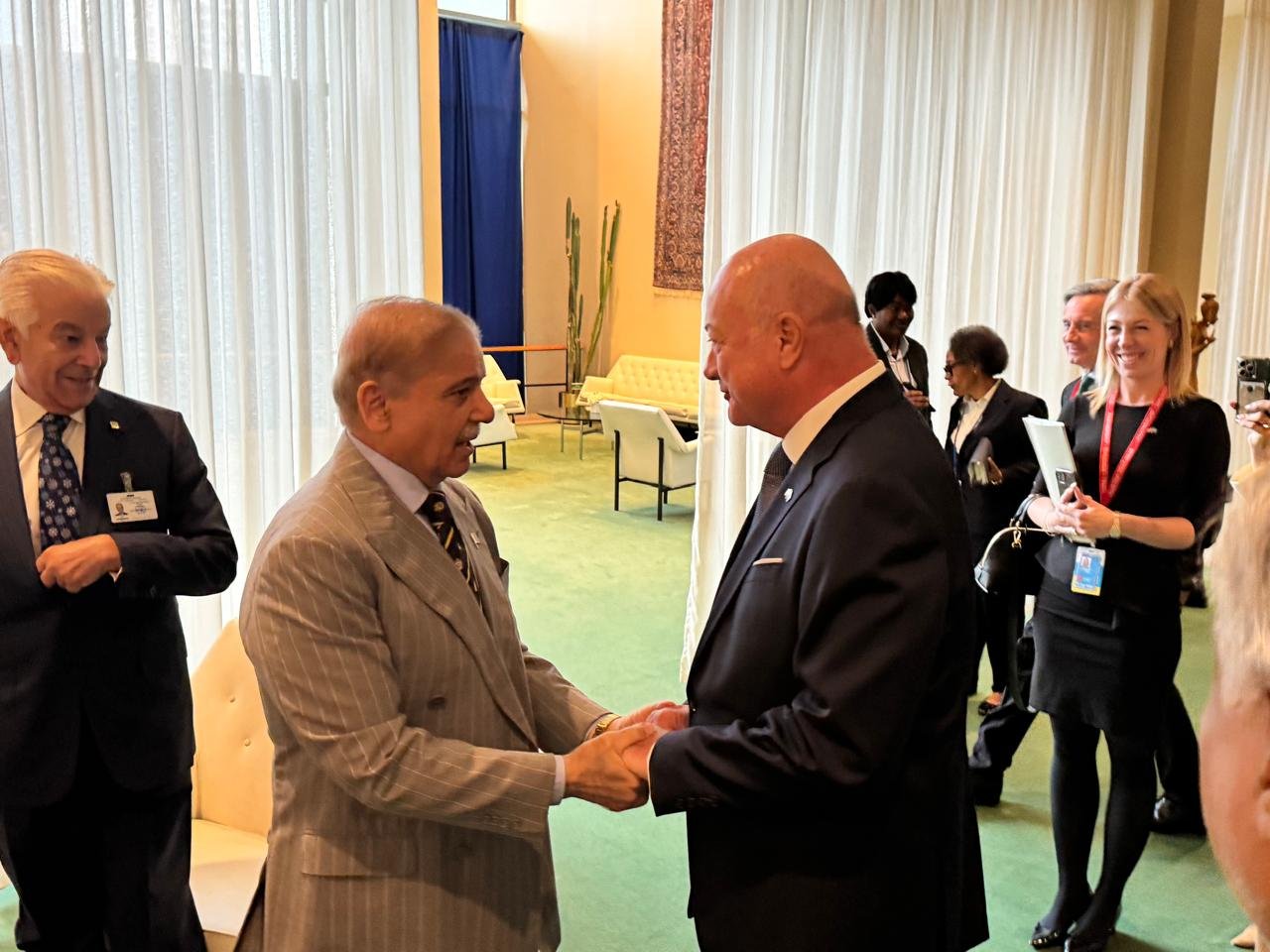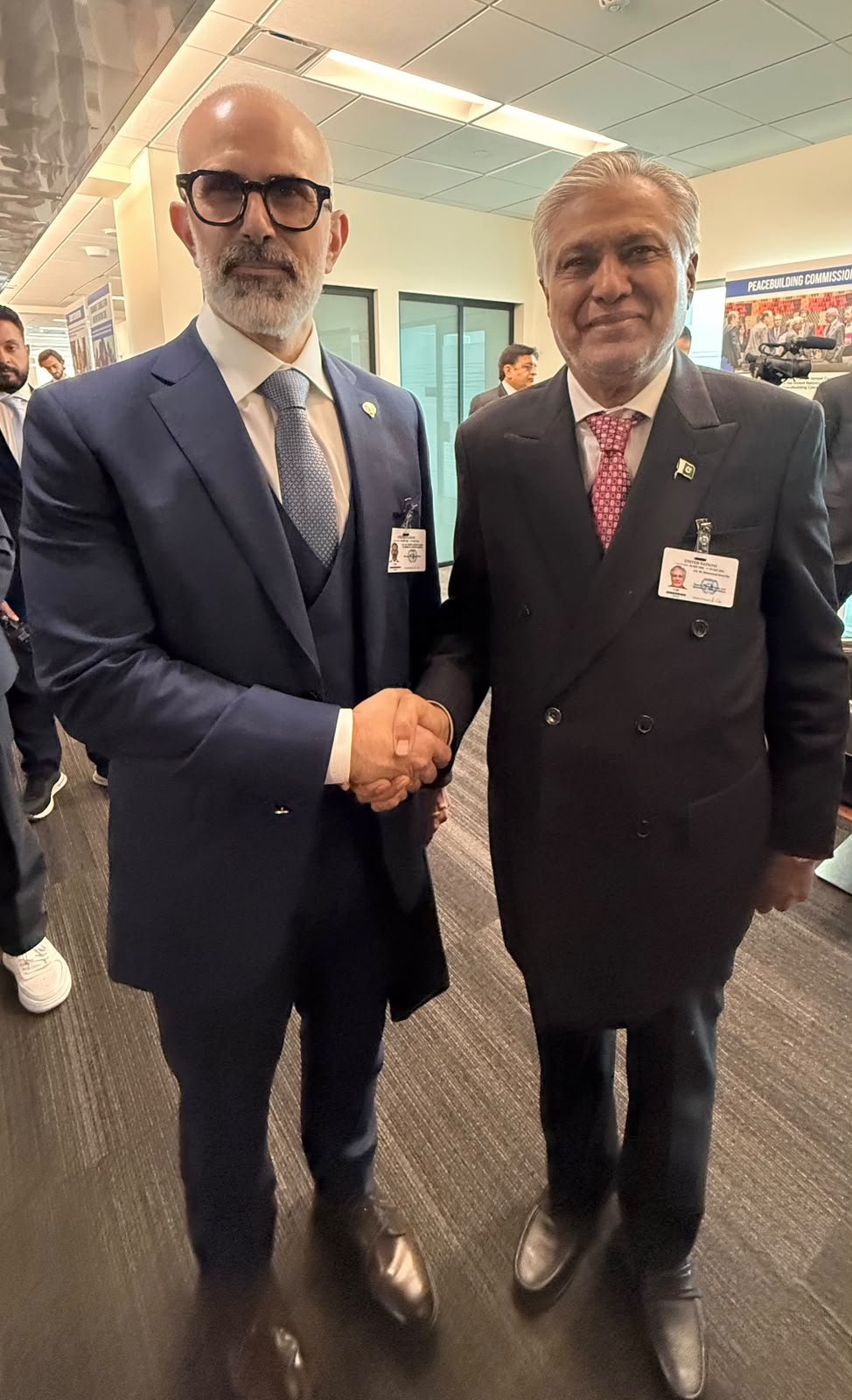
ISLAMABAD — Deputy Prime Minister and Foreign Minister Senator Mohammad Ishaq Dar engaged in a meeting with the Kuwaiti Foreign Minister Sheikh Jarrah Jaber Al-Ahmad Al-Sabah on Tuesday. The meeting took place on the sidelines of the 81st Session of the United Nations General Assembly in New York. The discussions focused on strengthening bilateral relations and exploring avenues for cooperation between Pakistan and Kuwait.
What Happened
During the meeting, both leaders expressed a mutual desire to enhance the existing friendly relations between Pakistan and Kuwait. The dialogue was characterized by a cordial atmosphere where the two foreign ministers reviewed the current state of bilateral ties and discussed potential areas for further collaboration. The conversation underscored the importance of cooperation in various sectors, including trade, investment, and energy.
Senator Dar highlighted Pakistan’s commitment to deepening its economic partnership with Kuwait, emphasizing the potential for increased trade and investment. He noted, “Pakistan and Kuwait have a longstanding relationship built on mutual trust and respect. We are keen to explore new avenues of cooperation that will benefit both nations.” Sheikh Jarrah Jaber Al-Ahmad Al-Sabah reciprocated by acknowledging the historical ties between the two countries and expressed Kuwait’s interest in expanding its economic footprint in Pakistan.
The meeting also touched upon regional and international issues of mutual interest, with both ministers agreeing on the need for continued dialogue and cooperation to address global challenges. They reiterated their commitment to working together within the framework of international organizations, including the United Nations, to promote peace and stability in the region.
Background
Pakistan and Kuwait have enjoyed a robust bilateral relationship for decades, marked by cooperation in various fields. Historically, both countries have supported each other in international forums and have collaborated on numerous economic and development projects. Kuwait has been a significant source of remittances for Pakistan, with many Pakistani expatriates working in Kuwait contributing to the country’s economy.
The two nations have also engaged in several high-level visits and dialogues to strengthen their diplomatic and economic ties. In recent years, there has been a concerted effort to enhance trade relations, with both countries exploring opportunities in sectors such as agriculture, infrastructure, and energy.
Why It Matters
The meeting between Deputy Prime Minister Dar and Foreign Minister Sheikh Jarrah is significant for several reasons. Firstly, it reaffirms the commitment of both nations to strengthen their bilateral relations at a time when regional cooperation is crucial for economic growth and stability. As Pakistan seeks to bolster its economy, partnerships with countries like Kuwait can provide valuable investment and trade opportunities.
Economically, Kuwait’s interest in expanding its presence in Pakistan could lead to increased foreign direct investment, which is vital for Pakistan’s economic development. This potential influx of investment can help create jobs, boost infrastructure development, and enhance the overall economic landscape of Pakistan.
Politically, the meeting underscores the importance of diplomatic engagement in addressing regional and global challenges. By working together, Pakistan and Kuwait can contribute to peace and stability in the Middle East and South Asia, regions that are often fraught with geopolitical tensions.
Key Takeaways
- Deputy Prime Minister Dar and Kuwaiti Foreign Minister Sheikh Jarrah met at the UNGA to discuss bilateral relations.
- The meeting focused on enhancing trade, investment, and energy cooperation between Pakistan and Kuwait.
- Both nations expressed a commitment to working together on regional and international issues.
- The dialogue highlights the potential for increased Kuwaiti investment in Pakistan, which could bolster economic growth.
- Strengthening diplomatic ties is crucial for addressing regional and global challenges collaboratively.
Source Attribution
This article is based on official government statements, press releases, and public communications from relevant authorities.