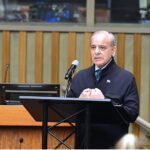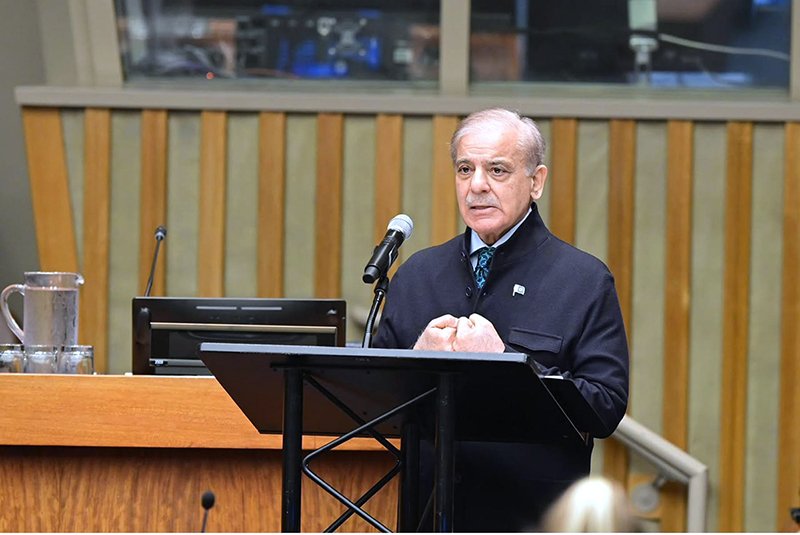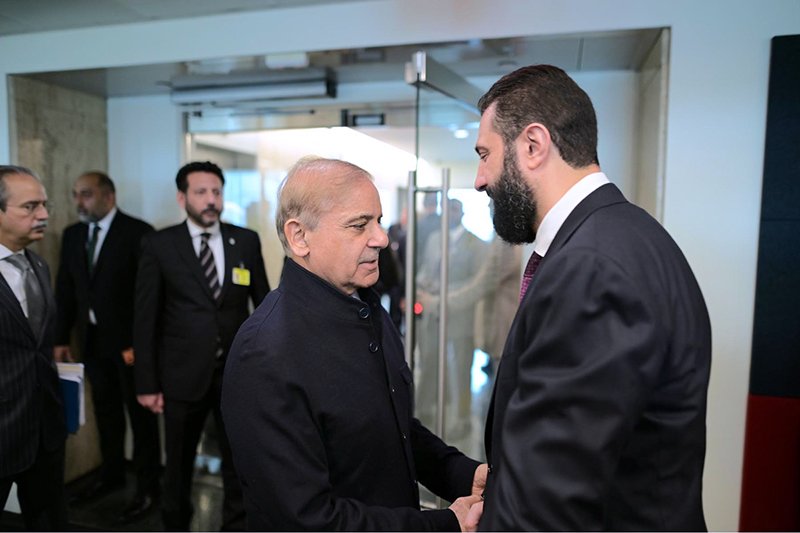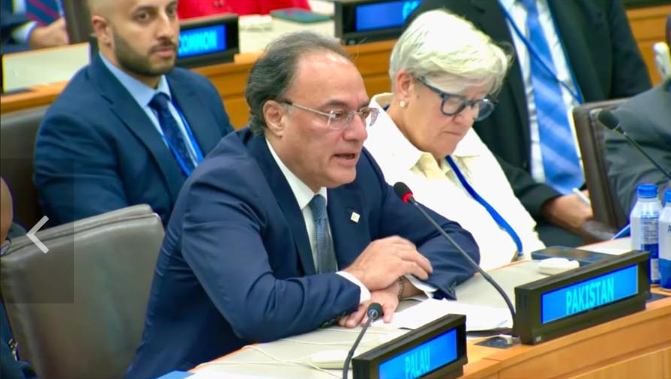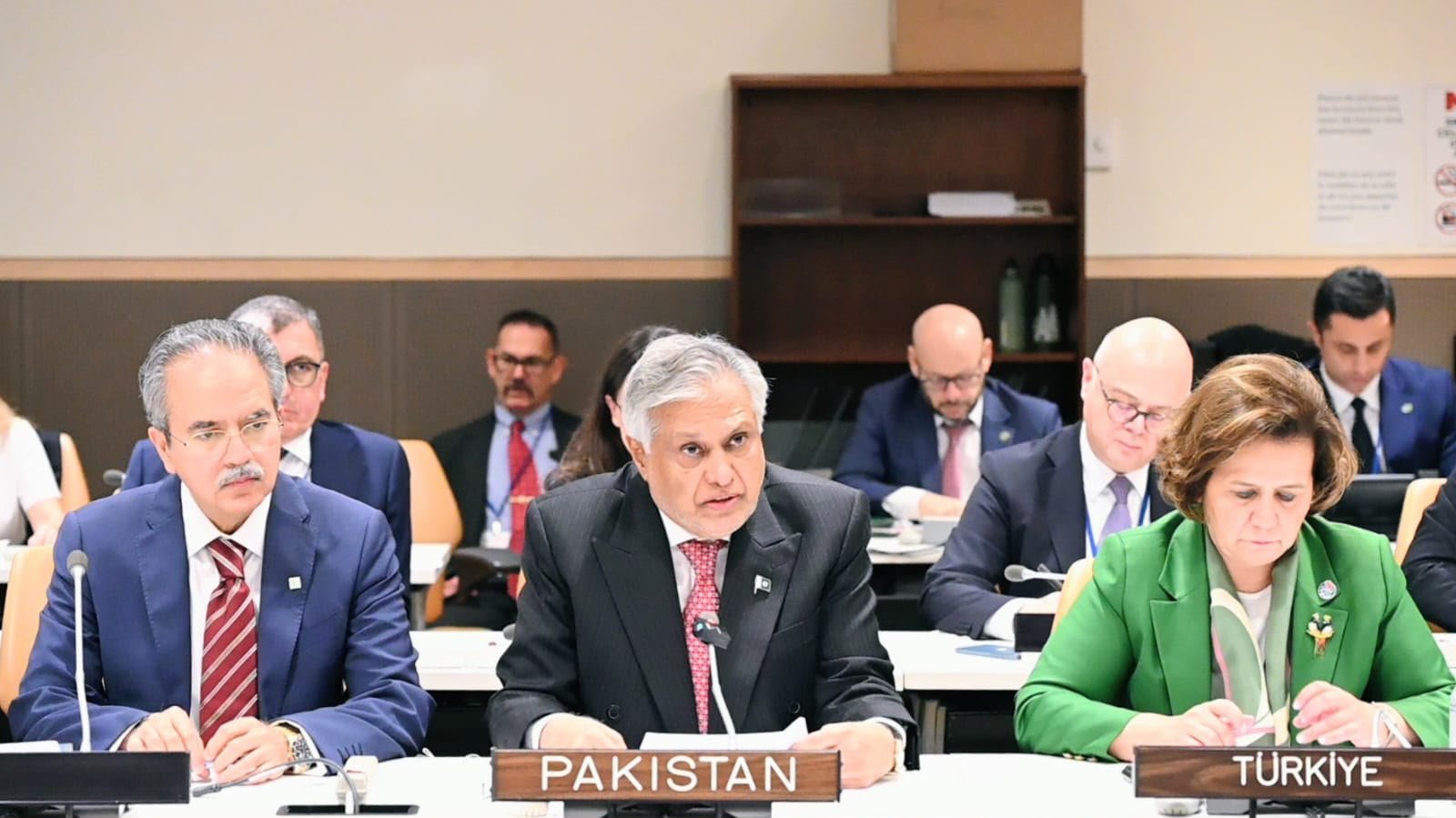
NEW YORK — Deputy Prime Minister and Foreign Minister Senator Mohammad Ishaq Dar has called on the Organization of Islamic Cooperation (OIC) member states to maintain a unified stance on the Kashmir issue at the United Nations and other international forums. Speaking on Wednesday at the Ministerial Meeting of the OIC Contact Group on Jammu and Kashmir, held alongside the 81st session of the UN General Assembly, Dar emphasized the need for collective action in addressing the ongoing challenges in the region.
What Happened
During his address, Deputy Prime Minister Dar highlighted the persistent restrictions on political and civic freedoms in Indian Illegally Occupied Jammu and Kashmir (IIOJK). He urged OIC member countries to present a cohesive front in advocating for the rights of the Kashmiri people on international stages. Dar expressed gratitude to the OIC Secretary-General, the members of the Contact Group, the OIC Special Envoy on Jammu and Kashmir, and the OIC Independent Permanent Human Rights Commission for their unwavering support for Kashmir.
Dar underscored the ongoing attempts by India to alter the demographic, political, and cultural landscape of Jammu and Kashmir. He reiterated that Jammu and Kashmir is an internationally recognized dispute on the UN Security Council’s agenda and reaffirmed Pakistan’s commitment to a peaceful resolution in line with UN resolutions and the aspirations of the Kashmiri people. He stated, “No domestic legislation, judicial verdict, electoral exercise, or demographic manipulation can substitute for the Kashmiri people’s inalienable right to self-determination.”
Background
The Kashmir conflict has been a longstanding issue between India and Pakistan, dating back to the partition of British India in 1947. The region has been a flashpoint for several wars and ongoing skirmishes between the two countries. The UN Security Council has passed several resolutions calling for a plebiscite to determine the will of the Kashmiri people, but these have yet to be implemented.
India’s revocation of Article 370 in August 2019, which granted special autonomy to Jammu and Kashmir, has further intensified tensions. The move was followed by a security lockdown and communications blackout in the region, drawing international criticism and concern over human rights violations.
Why It Matters
The Kashmir issue remains a significant point of contention in South Asian geopolitics, affecting regional stability and international relations. The call for unity among OIC member states is crucial as it seeks to amplify the voice of the Kashmiri people on global platforms, potentially influencing international policy and intervention.
For Pakistan, maintaining international focus on Kashmir is vital to counter India’s narrative and actions in the region. The support of the OIC, representing a collective of Muslim-majority countries, adds weight to Pakistan’s diplomatic efforts. It also highlights the broader implications for human rights and self-determination, principles that resonate with international norms and values.
The ongoing situation in Kashmir has socio-economic implications for the region’s development and stability. Prolonged conflict affects the lives of millions, with restrictions impacting education, healthcare, and economic opportunities. A unified international stance could pressure India to engage in meaningful dialogue and negotiations, potentially leading to a resolution that respects the rights and aspirations of the Kashmiri people.
Key Takeaways
- Deputy Prime Minister Ishaq Dar urged OIC unity on Kashmir at the UN General Assembly.
- Dar highlighted India’s attempts to alter Jammu and Kashmir’s demographic and political character.
- Pakistan remains committed to a peaceful resolution in accordance with UN resolutions.
- The Kashmir issue is a significant geopolitical concern with implications for regional stability.
- OIC support is crucial for amplifying the Kashmiri people’s voice on international platforms.
Source Attribution
This article is based on official government statements, press releases, and public communications from relevant authorities.