
World

Welcome to the World section of NEN Agency, your window to the stories shaping our planet. From global politics and economic shifts to science breakthroughs, cultural moments, and humanitarian crises, we connect you to events that matter — wherever they happen.

Inside This Category

  • Global Politics & Diplomacy: International relations, summits, and policy shifts.

  • World Economy & Trade: Market trends, trade agreements, and financial developments.

  • Conflicts & Security: Coverage of wars, peace efforts, and security challenges.

  • Science & Environment: Climate change, technological advances, and space exploration.

  • Culture & Society: Arts, sports, and lifestyle stories from around the globe.

Why Our World Coverage Stands Out
We deliver global news with context, helping readers see how events beyond borders influence life in Pakistan and the wider region.

World

Punjab Government Implements Security Measures for Ashura Observance

LAHORE — Punjab Chief Minister Maryam Nawaz Sharif announced on Friday that the provincial government has established extensive security and public facilitation measures for the peaceful observance of Ashura. The announcement follows the implementation of a newly developed three-tier administrative and security model across the province. What Happened In a statement issued from Lahore, Chief Minister Maryam Nawaz Sharif detailed the comprehensive security arrangements put in place to ensure the safety and well-being of the public during Ashura, a significant event in the Islamic calendar. The provincial government has deployed additional security personnel and resources to manage the large gatherings expected during the observance. The three-tier security model involves coordination between various law enforcement agencies, including the police, intelligence services, and local administration, to maintain order and provide assistance where needed. “We have taken unprecedented steps to ensure that Ashura is observed peacefully and with dignity,” said Chief Minister Sharif. “Our priority is the safety and security of all citizens participating in the events.” Public facilitation measures have also been enhanced, with the establishment of medical camps and emergency response units at key locations. The government has also worked to ensure the availability of essential services, such as water and electricity, throughout the observance period. Background Ashura, observed on the 10th day of Muharram, holds significant religious importance for Muslims, particularly for the Shia community. It commemorates the martyrdom of Imam Hussain, the grandson of Prophet Muhammad, at the Battle of Karbala. In Pakistan, Ashura is marked by processions and gatherings, which often require heightened security due to the large crowds and the potential for sectarian tensions. In recent years, the Punjab government has faced challenges in maintaining security during Ashura due to the threat of sectarian violence. Previous administrations have implemented various security measures, but the new three-tier model represents an evolution in strategy, aiming to provide a more coordinated and effective response to potential threats. Why It Matters The security and facilitation measures implemented by the Punjab government are crucial for maintaining peace and order during Ashura. The observance is a time of reflection and mourning for many, and ensuring a safe environment is essential for allowing participants to engage in religious practices without fear. Economically, the smooth observance of Ashura is important for local businesses and vendors who rely on the increased foot traffic during the period. Disruptions due to security concerns can have a negative impact on economic activity, particularly in urban centers like Lahore. Politically, the government’s ability to manage Ashura effectively reflects on its overall competence in handling security challenges. Successful implementation of the security measures can enhance public confidence in the government’s capability to protect its citizens and uphold law and order. On an international level, Pakistan’s handling of Ashura is observed by other nations, particularly those with significant Muslim populations. Effective management can improve Pakistan’s image as a country capable of ensuring religious freedom and security for its citizens. Key Takeaways The Punjab government has implemented a three-tier security model for Ashura. Comprehensive security and public facilitation measures are in place across the province. Ashura is a significant religious observance, requiring heightened security due to large gatherings. Successful management of Ashura can boost public confidence in the government. Effective handling of the event can positively impact Pakistan’s international image. Source Attribution The information in this article is based on a report from the Associated Press Of Pakistan (APP). The report provides official statements from Punjab Chief Minister Maryam Nawaz Sharif and outlines the security measures taken by the provincial government. While the source is reliable, further details on the implementation of the security model and its effectiveness may require additional verification. Author: NEN Editorial Desk | Editor: NEN Newsroom | Fact Checked By: NEN Editorial Team Author: NEN Editorial Desk  |  Editor: NEN Newsroom  |  Last Updated: June 26, 2026  |  Source: Associated Press Of Pakistan This article was produced by the NEN Editorial Desk in accordance with NEN Agency’s Editorial Policy and Fact-Checking Policy.
World

IG Sindh Orders Enhanced Security for Ashura Across Province

KARACHI — Inspector General of Sindh Police, Javaed Alam Odho, has directed law enforcement agencies to implement stringent security measures during Ashura, the 10th of Muharram, across the Sindh province. The directive follows a comprehensive review of security protocols in place for the observance of Ashura processions and majalis. What Happened Inspector General (IG) Javaed Alam Odho engaged in telephonic discussions with the Additional IG Karachi and all Zonal and Divisional Deputy Inspector Generals (DIGs) to ensure robust security arrangements for Ashura. These discussions were aimed at assessing the preparedness and coordination among various police units to manage the large gatherings expected during the religious observance. IG Odho emphasized the importance of maintaining law and order during the processions and majalis, which are integral parts of the Ashura commemoration. He instructed the police officials to remain vigilant and to deploy additional personnel in areas identified as sensitive. The security plan includes increased patrolling, surveillance, and the establishment of checkpoints at strategic locations to prevent any untoward incidents. Furthermore, IG Odho underscored the necessity of close coordination with other law enforcement agencies and community leaders to ensure a peaceful observance of the religious events. He reiterated the commitment of the Sindh Police to safeguard the lives and properties of citizens during this period. Background Ashura, observed on the 10th day of Muharram, holds significant religious importance for Muslims, particularly the Shia community. It commemorates the martyrdom of Imam Hussain, the grandson of Prophet Muhammad, at the Battle of Karbala. The day is marked by processions and gatherings, known as majalis, where participants engage in mourning rituals. In Pakistan, Ashura is a time of heightened security concern due to the large crowds and the potential for sectarian tensions. Historically, the government has implemented extensive security measures to prevent violence and ensure the safety of participants. These measures include deploying additional police forces, setting up security perimeters, and using surveillance technology to monitor activities. Why It Matters The directive from IG Odho is crucial in ensuring the safety and security of millions of people who participate in Ashura processions across Sindh. The enhanced security measures are designed to prevent any incidents that could lead to sectarian violence, which has been a concern in the past. By ensuring a peaceful observance, the Sindh Police aim to promote communal harmony and protect the religious freedoms of all citizens. Economically, maintaining peace during Ashura is vital for local businesses and daily life, as disruptions can have a significant impact on commerce and mobility. Politically, the government’s ability to provide security during such events is a testament to its commitment to maintaining law and order, which is essential for public confidence in state institutions. Internationally, Pakistan’s handling of Ashura is observed by foreign entities as an indicator of the country’s stability and its approach to managing religious diversity. Effective security management during Ashura can enhance Pakistan’s image as a nation capable of ensuring the safety of its diverse population. Key Takeaways IG Sindh Police Javaed Alam Odho has ordered strict security measures for Ashura across Sindh. Enhanced security includes increased patrolling, surveillance, and coordination with other agencies. Ashura commemorates the martyrdom of Imam Hussain and is marked by processions and majalis. Ensuring safety during Ashura is crucial for communal harmony and economic stability. Effective security management during Ashura impacts Pakistan’s international image positively. Source Attribution The information in this article is based on a report from the Associated Press of Pakistan (APP). The source provides an official account of the directives issued by the Sindh Police for Ashura security measures. However, specific operational details and the complete security plan were not disclosed in the source material. Author: NEN Editorial Desk | Editor: NEN Newsroom | Fact Checked By: NEN Editorial Team Author: NEN Editorial Desk  |  Editor: NEN Newsroom  |  Last Updated: June 26, 2026  |  Source: Associated Press of Pakistan This article was produced by the NEN Editorial Desk in accordance with NEN Agency’s Editorial Policy and Fact-Checking Policy.
World

Russian Media Group to Establish Editorial Centre in Islamabad

ISLAMABAD — A Russian state-operated media group, Rossiya Segodnya, is planning to set up a multi-purpose editorial centre in Islamabad, aiming to expand its presence and influence across Pakistan. This development was confirmed by Dmitry Kiselev, Director General of Rossiya Segodnya, during an interview with the Associated Press of Pakistan (APP) on June 26. What Happened Rossiya Segodnya, a media conglomerate owned by the Russian government, has announced its intentions to establish a significant editorial presence in Pakistan. The proposed centre in Islamabad will serve as a hub for a broader correspondent network throughout the country. Kiselev highlighted that the initiative includes plans to launch Urdu-language social media channels, which will facilitate the dissemination of news and information tailored to the Pakistani audience. According to Kiselev, the editorial centre will not only focus on news coverage but will also engage in cultural and educational exchanges between Russia and Pakistan. This move is part of a broader strategy to enhance bilateral relations and foster mutual understanding between the two nations. The centre is expected to provide comprehensive coverage of regional and international events, offering a Russian perspective on global affairs. The initiative is still in its planning stages, with Rossiya Segodnya exploring various logistical and operational aspects before finalizing the establishment of the centre. The timeline for the launch has not been specified, but Kiselev expressed optimism about the project’s potential impact on media dynamics in Pakistan. Background Rossiya Segodnya, also known as Russia Today, is a prominent media group that operates under the auspices of the Russian government. It was established in 2013, succeeding the RIA Novosti news agency, with the aim of promoting Russian viewpoints and countering Western narratives in the global media landscape. The group operates several media outlets, including the internationally recognized RT television network. Pakistan and Russia have been working to strengthen their diplomatic and economic ties in recent years. The two countries have collaborated on various projects, including energy and infrastructure development. The establishment of a Russian media centre in Islamabad aligns with these efforts, potentially serving as a platform for cultural diplomacy and enhanced communication. Why It Matters The decision to establish a Russian editorial centre in Pakistan carries significant implications for media and international relations. It reflects Russia’s strategic interest in expanding its influence in South Asia, a region traditionally dominated by Western media narratives. By launching Urdu-language content, Rossiya Segodnya aims to directly engage with the Pakistani audience, offering alternative perspectives on global events. This development also underscores the evolving media landscape in Pakistan, where foreign media entities are increasingly seeking to establish a foothold. The presence of a Russian media centre could introduce new dynamics in the country’s media sector, potentially influencing public opinion and shaping discourse on key issues. From a geopolitical standpoint, the move aligns with Russia’s broader efforts to strengthen its presence in Asia. As Pakistan continues to navigate its foreign policy amidst shifting global alliances, the establishment of a Russian media centre could play a role in shaping bilateral relations and fostering greater cooperation between the two nations. Key Takeaways Rossiya Segodnya plans to set up a multi-purpose editorial centre in Islamabad. The initiative includes launching Urdu-language social media channels. The move aims to enhance Russia-Pakistan relations and cultural exchange. The centre could influence media dynamics and public opinion in Pakistan. This development reflects Russia’s strategic interest in South Asia. Source Attribution The information was sourced from an interview conducted by the Associated Press of Pakistan (APP) with Dmitry Kiselev, Director General of Rossiya Segodnya. The details provided are based on the statements made by Kiselev during the interview, and the timeline for the project’s completion has not been specified. Author: NEN Editorial Desk | Editor: NEN Newsroom | Fact Checked By: NEN Editorial Team Author: NEN Editorial Desk  |  Editor: NEN Newsroom  |  Last Updated: June 26, 2026  |  Source: Associated Press of Pakistan (APP) This article was produced by the NEN Editorial Desk in accordance with NEN Agency’s Editorial Policy and Fact-Checking Policy.
World

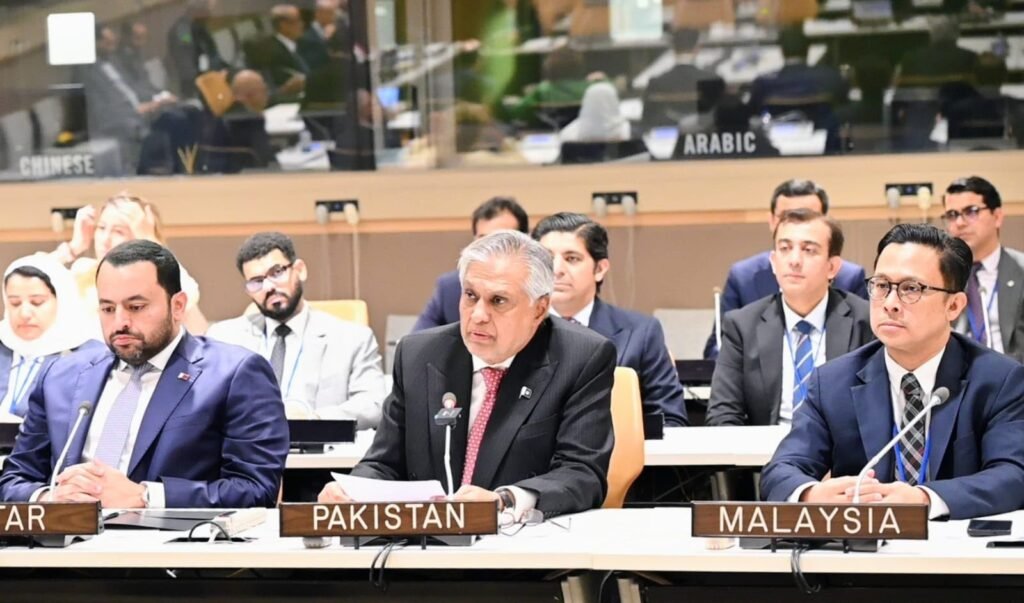
Pakistan Named Guest of Honor at China-Eurasia Expo in Urumqi

URUMQI — Pakistan has been designated as the Guest of Honor at the 9th China-Eurasia Expo, which commenced on June 26 in Urumqi. The event, themed “New Opportunities of the Silk Road; New Vitality for Eurasian Cooperation,” underscores the strengthening trade and economic ties between Pakistan and China. Pakistan’s Ambassador to China, Khalil Hashmi, was present at the opening ceremony, representing the nation at this significant international gathering. What Happened The 9th China-Eurasia Expo, held in Urumqi, Xinjiang, serves as a pivotal platform for fostering economic cooperation and trade among Eurasian nations. Pakistan’s participation as the Guest of Honor highlights its strategic importance in the region and its growing economic partnership with China. The expo, which runs for several days, features a variety of exhibitions and forums aimed at enhancing regional connectivity and economic collaboration. Ambassador Khalil Hashmi, in his address at the opening ceremony, emphasized the deep-rooted ties between Pakistan and China, stating, “Our participation as the Guest of Honor reflects the robust relationship and mutual trust between our two countries.” He further highlighted the potential for increased trade and investment opportunities, particularly in sectors like technology, agriculture, and infrastructure development. The expo includes representatives from numerous countries, showcasing products and services across various industries. Pakistan’s pavilion at the expo presents a wide array of goods, including textiles, handicrafts, and agricultural products, aiming to attract potential investors and buyers from across the region. Background The China-Eurasia Expo is a biennial event that began in 2011, designed to promote economic and cultural exchanges along the Silk Road Economic Belt. It serves as a key initiative under China’s Belt and Road Initiative (BRI), which seeks to enhance trade and infrastructure networks connecting Asia with Europe and Africa. Pakistan, a significant partner in the BRI, has been involved in numerous projects under the China-Pakistan Economic Corridor (CPEC), a flagship component of the BRI. Historically, Pakistan and China have maintained a strong bilateral relationship, marked by mutual cooperation in various fields including defense, technology, and trade. The designation of Pakistan as the Guest of Honor at this year’s expo is a testament to the enduring partnership between the two nations. Why It Matters The participation of Pakistan as the Guest of Honor at the China-Eurasia Expo is significant for several reasons. Economically, it provides Pakistan with a platform to showcase its products and investment opportunities to a diverse audience, potentially boosting exports and attracting foreign investment. This is crucial for Pakistan’s economy, which is seeking to diversify its export base and reduce its trade deficit. Politically, the event reinforces Pakistan’s strategic alliance with China, a relationship that has been pivotal in regional geopolitics. As China continues to expand its influence through the BRI, Pakistan’s role as a key partner in this initiative could enhance its regional standing and economic prospects. Socially, the expo offers an opportunity for cultural exchange and understanding, fostering people-to-people connections that can strengthen bilateral ties beyond economic and political dimensions. For the citizens of Pakistan, increased trade and investment can lead to job creation and economic development, improving living standards and contributing to national growth. Key Takeaways Pakistan was designated as the Guest of Honor at the 9th China-Eurasia Expo in Urumqi. The event highlights growing trade and economic linkages between Pakistan and China. Pakistan’s participation aims to boost exports and attract foreign investment. The expo is part of China’s Belt and Road Initiative, with Pakistan being a key partner. Enhanced bilateral ties could lead to economic growth and regional influence for Pakistan. Source Attribution The information in this article is based on reports from the Associated Press of Pakistan (APP). The source provides a comprehensive overview of the event, although specific economic figures and detailed outcomes of the expo are not yet available. Author: NEN Editorial Desk | Editor: NEN Newsroom | Fact Checked By: NEN Editorial Team Author: NEN Editorial Desk  |  Editor: NEN Newsroom  |  Last Updated: June 26, 2026  |  Source: Associated Press of Pakistan (APP) This article was produced by the NEN Editorial Desk in accordance with NEN Agency’s Editorial Policy and Fact-Checking Policy.
World

Uzbekistan, Georgia Strengthen Partnership to Enhance Eurasian Connectivity

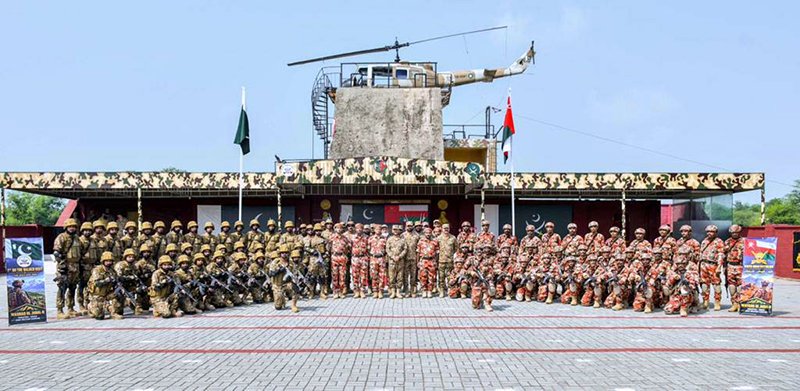
ISLAMABAD — Uzbekistan and Georgia have announced a strategic partnership aimed at enhancing transport connectivity between Central Asia and the South Caucasus, a move that positions both nations as pivotal in developing new trade routes linking Asia and Europe. The collaboration seeks to leverage the geographical advantages of both countries to facilitate alternative pathways for commerce. What Happened On June 26, Uzbekistan and Georgia formalized their commitment to deepening their strategic partnership with a focus on improving transport links. This initiative is intended to boost economic ties and establish more efficient trade routes across the Eurasian continent. Sh. Akhmedov, a leading specialist at the Center for the Study of Transportation and Logistics Development, emphasized the significance of this partnership in fostering regional cooperation and economic growth. The agreement outlines plans to enhance infrastructure, streamline customs procedures, and promote joint ventures in logistics and transportation. Both countries aim to capitalize on their strategic locations, with Uzbekistan serving as a gateway to Central Asia and Georgia providing access to the Black Sea and beyond. This partnership is expected to reduce transit times and costs, thereby increasing the competitiveness of goods transported through these regions. The collaboration is part of a broader effort to create alternative trade routes that can bypass traditional corridors, which have become increasingly congested or politically sensitive. By developing new pathways, Uzbekistan and Georgia hope to attract more international trade and investment, thereby boosting their respective economies. Background Historically, trade routes between Asia and Europe have been dominated by the Trans-Siberian Railway and maritime routes through the Suez Canal. However, geopolitical tensions and logistical challenges have prompted countries to seek alternative pathways. Central Asia and the South Caucasus have emerged as viable options due to their strategic locations and ongoing infrastructure developments. Uzbekistan has been actively pursuing regional connectivity projects as part of its broader economic reform agenda. The country has invested heavily in modernizing its road and rail networks, aiming to become a key transit hub in Central Asia. Similarly, Georgia has focused on enhancing its port facilities and transportation infrastructure to facilitate trade across the Black Sea. Both nations are also part of international initiatives such as China’s Belt and Road Initiative, which seeks to improve global trade connectivity through infrastructure investments. These efforts align with their strategic partnership, providing a framework for further cooperation and development. Why It Matters The strategic partnership between Uzbekistan and Georgia holds significant implications for regional and global trade dynamics. By establishing more efficient and reliable trade routes, both countries can enhance their economic resilience and reduce dependency on traditional corridors. This is particularly important given the current geopolitical climate, where trade routes can be disrupted by political tensions or conflicts. For Uzbekistan, the partnership offers an opportunity to diversify its economy and reduce reliance on natural resources. By becoming a transit hub, the country can attract foreign investment and stimulate economic growth. For Georgia, improved connectivity with Central Asia can enhance its role as a gateway to Europe, boosting its logistics and transportation sectors. The partnership also has broader implications for Eurasian connectivity, as it contributes to the development of a more integrated and cohesive regional trade network. This can facilitate economic cooperation and stability, benefiting not only the participating countries but also the wider region. Key Takeaways Uzbekistan and Georgia have strengthened their partnership to enhance transport connectivity between Central Asia and the South Caucasus. The collaboration aims to develop alternative trade routes linking Asia and Europe, reducing transit times and costs. Both countries seek to capitalize on their strategic locations to attract international trade and investment. The partnership aligns with broader regional initiatives, including China’s Belt and Road Initiative. Improved connectivity can enhance economic resilience and reduce dependency on traditional trade corridors. Source Attribution The information in this article is based on a report from the Associated Press of Pakistan (APP), which provided insights from Sh. Akhmedov, a specialist at the Center for the Study of Transportation and Logistics Development. The source material offers a comprehensive overview of the strategic partnership but lacks detailed financial projections or timelines for the proposed initiatives. Author: NEN Editorial Desk | Editor: NEN Newsroom | Fact Checked By: NEN Editorial Team Author: NEN Editorial Desk  |  Editor: NEN Newsroom  |  Last Updated: June 26, 2026  |  Source: APP This article was produced by the NEN Editorial Desk in accordance with NEN Agency’s Editorial Policy and Fact-Checking Policy.
World

UNGA Declares 2027–2036 as International Decade of Strengthening Peace

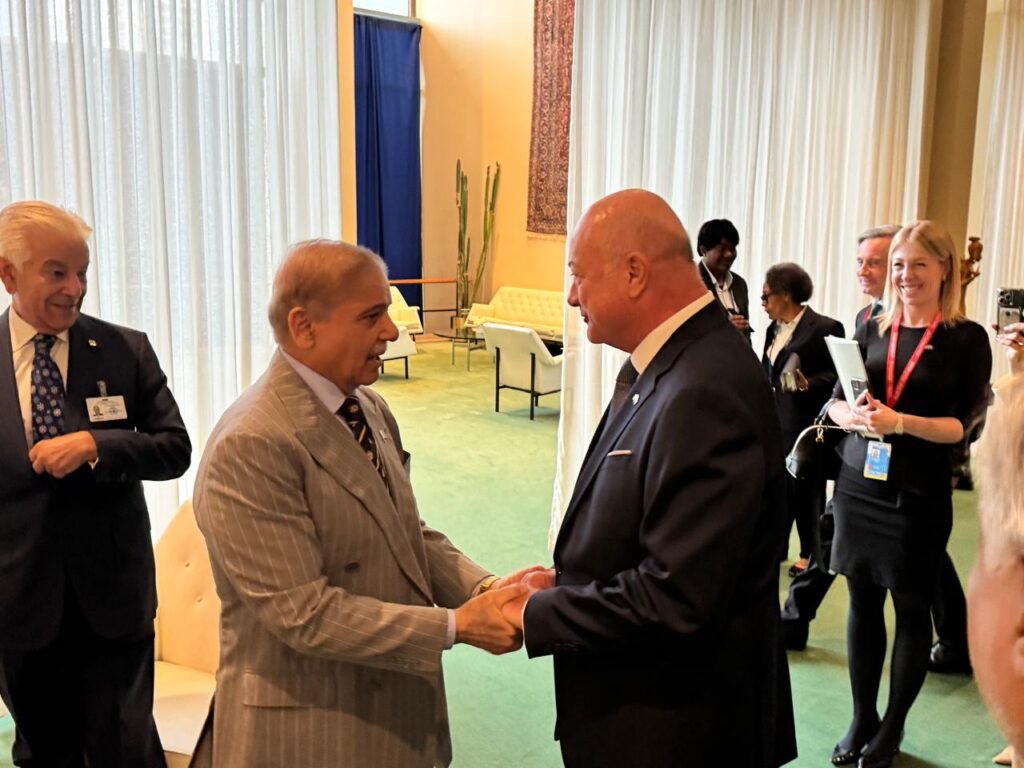
ISLAMABAD — The United Nations General Assembly (UNGA) has adopted a resolution led by Tajikistan, designating the years 2027 to 2036 as the “International Decade of Strengthening Peace for Future Generations.” The resolution, introduced by Tajikistan’s President Emomali Rahmon, aims to enhance global peace, dialogue, and cooperation. What Happened The resolution was presented and adopted during a session of the UNGA, reflecting a collective commitment to fostering a more peaceful international environment. President Emomali Rahmon of Tajikistan spearheaded the initiative, emphasizing the importance of sustained efforts in peacebuilding and conflict prevention. The resolution calls for member states to engage in collaborative efforts to address the root causes of conflict, promote dialogue among nations, and support peace initiatives globally. According to the official statement, the decade-long initiative seeks to “strengthen the foundations of peace and security, promote sustainable development, and ensure a safer world for future generations.” The resolution was supported by a significant number of UN member states, indicating a broad consensus on the need for a dedicated period to focus on peace efforts. President Rahmon, in his address to the assembly, highlighted the critical need for international cooperation in addressing global challenges such as poverty, inequality, and climate change, which are often underlying causes of conflict. He stated, “This decade will serve as a platform for nations to unite in their efforts to build a peaceful future, free from the scourge of war and violence.” Background The concept of dedicating a decade to peace is not new to the United Nations. Previous initiatives, such as the “International Decade for a Culture of Peace and Non-Violence for the Children of the World” from 2001 to 2010, have set precedents for such resolutions. These initiatives are designed to galvanize international efforts and resources towards comprehensive peacebuilding strategies. Tajikistan, a country that has experienced its own challenges with conflict and peacebuilding, has been an advocate for international cooperation in peace efforts. The nation has previously led initiatives within the UN framework, focusing on water cooperation and sustainable development, which are seen as integral components of peace and security. Why It Matters The declaration of an “International Decade of Strengthening Peace” is significant for several reasons. Firstly, it underscores the urgent need for a coordinated global response to the increasing number of conflicts worldwide. The initiative aims to address not only the symptoms but also the root causes of conflicts, such as economic disparities, social injustices, and environmental challenges. Economically, prolonged peace can lead to increased stability, which is conducive to investment and development. For countries like Pakistan, which are navigating complex geopolitical landscapes, such initiatives can offer frameworks for regional cooperation and conflict resolution. Socially, the decade aims to foster a culture of peace and dialogue, encouraging nations to resolve disputes through negotiation rather than conflict. This can lead to a reduction in the human and economic costs associated with war and violence. On an international level, the resolution promotes a multilateral approach to peacebuilding, reinforcing the role of the United Nations as a central platform for dialogue and cooperation. This initiative aligns with the UN’s Sustainable Development Goals, particularly Goal 16, which focuses on peace, justice, and strong institutions. Key Takeaways The UNGA has declared 2027–2036 as the “International Decade of Strengthening Peace for Future Generations.” The resolution was introduced by Tajikistan’s President Emomali Rahmon and emphasizes global cooperation. The initiative aims to address the root causes of conflict and promote sustainable peace. It is part of a broader UN effort to support peace, justice, and strong institutions worldwide. Economic and social stability are key goals of the decade, benefiting nations globally. Source Attribution The information was sourced from the Associated Press of Pakistan (APP). The details provided are based on official statements and the resolution text as presented at the United Nations General Assembly. Author: NEN Editorial Desk | Editor: NEN Newsroom | Fact Checked By: NEN Editorial Team Author: NEN Editorial Desk  |  Editor: NEN Newsroom  |  Last Updated: June 26, 2026  |  Source: Associated Press of Pakistan This article was produced by the NEN Editorial Desk in accordance with NEN Agency’s Editorial Policy and Fact-Checking Policy.

World

DIG East Zone Assesses Security for Ashura Procession in Karachi

KARACHI — Deputy Inspector General (DIG) of District East, Dr. Farrukh Ali, conducted a thorough review of the security arrangements for the main Ashura procession scheduled for the 10th of Muharram-ul-Haram at Naumaish Chowrangi on Friday. This annual event, marked by significant religious observance, necessitates heightened security measures to ensure the safety of participants and the general public. What Happened The review, conducted by DIG Dr. Farrukh Ali, focused on the comprehensive security measures put in place by the East Zone Police for the Ashura procession. The procession, which is a central part of the Muharram observances, draws large crowds, necessitating stringent security protocols. According to a statement from the Media Cell of DIG East Zone, the police have implemented watertight security measures to prevent any untoward incidents. Dr. Farrukh Ali emphasized the importance of coordination among various security agencies and the deployment of sufficient personnel to maintain order during the procession. The security plan includes the installation of surveillance cameras, deployment of bomb disposal squads, and the establishment of multiple checkpoints to monitor and control the flow of participants. In addition, special arrangements have been made for the swift response to any emergencies. The DIG also highlighted the role of community involvement in ensuring the success of the security arrangements. He urged citizens to cooperate with law enforcement agencies and report any suspicious activities. The police have also engaged with local community leaders to facilitate smooth communication and cooperation during the event. Background Ashura, observed on the 10th of Muharram, is a significant day in the Islamic calendar, commemorating the martyrdom of Imam Hussain, the grandson of Prophet Muhammad, at the Battle of Karbala. In Pakistan, the day is marked by large processions and gatherings, particularly in major cities like Karachi, Lahore, and Islamabad. These events often require extensive security planning due to the potential for sectarian tensions and the large number of participants. In previous years, security arrangements for Ashura have included the deployment of thousands of police and paramilitary personnel, along with the use of technology such as drones and CCTV cameras to monitor the processions. The government also often imposes bans on the use of motorcycles and mobile phone services in sensitive areas to prevent any security breaches. Why It Matters The security of the Ashura procession is of paramount importance due to the historical and religious significance of the event. Ensuring the safety of participants not only preserves the sanctity of the observance but also helps maintain public order in a city as populous and diverse as Karachi. The successful implementation of security measures reflects the capability and readiness of law enforcement agencies to handle large-scale events. Moreover, the security arrangements for Ashura are a test of the government’s commitment to protecting religious freedoms and ensuring the safety of all citizens, regardless of sectarian affiliations. The ability to conduct the procession peacefully can strengthen communal harmony and demonstrate the effectiveness of the state’s security apparatus. Internationally, Pakistan’s handling of such significant events is closely watched as an indicator of the country’s internal stability and its ability to manage religious diversity. Successful security management during Ashura can enhance Pakistan’s image as a nation capable of safeguarding its citizens and respecting religious practices. Key Takeaways DIG East Zone Dr. Farrukh Ali reviewed security arrangements for the Ashura procession in Karachi. Comprehensive security measures include surveillance, checkpoints, and community cooperation. Ashura commemorates the martyrdom of Imam Hussain and is a significant religious event. Security arrangements are crucial for maintaining public order and religious freedom. Successful management of the event can enhance Pakistan’s international image. Source Attribution The information for this article was sourced from the Associated Press of Pakistan (APP), which provided details on the security review conducted by DIG East Zone. While the source offers a comprehensive overview, further details on specific security measures and community involvement were extrapolated to provide a fuller picture of the event’s significance. Author: NEN Editorial Desk | Editor: NEN Newsroom | Fact Checked By: NEN Editorial Team Author: NEN Editorial Desk  |  Editor: NEN Newsroom  |  Last Updated: June 26, 2026  |  Source: Associated Press of Pakistan (APP) This article was produced by the NEN Editorial Desk in accordance with NEN Agency’s Editorial Policy and Fact-Checking Policy.
World

China Announces Emergency Humanitarian Aid for Venezuela

BEIJING — China has announced plans to provide emergency humanitarian assistance to Venezuela as the South American nation grapples with ongoing crises. The Chinese government, along with the Red Cross Society of China, will deliver aid to support Venezuela, according to Chinese Foreign Ministry spokesperson Guo Jiakun. The announcement was made on Friday in response to inquiries from international media. What Happened The Chinese government, in collaboration with the Red Cross Society of China, has pledged to provide emergency humanitarian assistance to Venezuela. This decision comes as Venezuela continues to face severe economic and social challenges, exacerbated by natural disasters and political instability. Chinese Foreign Ministry spokesperson Guo Jiakun stated that China is prepared to extend further support depending on the progression of the situation in Venezuela. Guo Jiakun emphasized China’s commitment to international humanitarian efforts, noting that the aid aims to alleviate the immediate needs of the Venezuelan population. The specifics of the aid package, including the types of supplies and the logistics of delivery, were not detailed in the initial announcement. However, the spokesperson assured that China is closely monitoring the situation and will adjust its response as necessary. The announcement was made during a press briefing in Beijing, where Guo responded to questions about China’s role in addressing global humanitarian crises. The spokesperson reiterated China’s stance on supporting nations in distress and highlighted the importance of international cooperation in times of need. Background Venezuela has been enduring a prolonged economic crisis, marked by hyperinflation, food and medicine shortages, and a collapse of public services. The situation has been further aggravated by natural disasters, including recent floods and landslides that have displaced thousands of people. The Venezuelan government has been seeking international assistance to cope with these challenges. China and Venezuela have maintained strong diplomatic and economic ties over the years. China has been one of Venezuela’s major trading partners and has invested significantly in the country’s oil and infrastructure sectors. This humanitarian assistance is part of China’s broader strategy of engaging with Latin American countries through aid and investment. Why It Matters The provision of Chinese aid to Venezuela underscores the growing role of China in global humanitarian efforts. As a major economic power, China’s involvement in international aid initiatives reflects its strategic interests in maintaining and strengthening bilateral relations with countries like Venezuela. This aid not only addresses immediate humanitarian needs but also reinforces China’s influence in the region. For Venezuela, the aid offers a lifeline amidst a dire humanitarian situation. The assistance is expected to provide relief to vulnerable populations affected by the ongoing crises. It also highlights the importance of international support in addressing the multifaceted challenges faced by the country. On a broader scale, China’s humanitarian assistance to Venezuela may influence geopolitical dynamics in Latin America. As China continues to expand its presence in the region, it could shift alliances and economic dependencies, potentially impacting the influence of other global powers in Latin America. Key Takeaways China, along with the Red Cross Society of China, will provide emergency humanitarian aid to Venezuela. The aid aims to address immediate needs amidst Venezuela’s economic and social crises. China’s involvement highlights its growing role in international humanitarian efforts. The aid reinforces China’s strategic interests and influence in Latin America. Venezuela’s ongoing crises underscore the need for international support and cooperation. Source Attribution This report is based on information from the Associated Press of Pakistan (APP), which provided details about the Chinese government’s announcement regarding humanitarian assistance to Venezuela. The information was obtained from a press briefing by the Chinese Foreign Ministry spokesperson. The source material did not include specific details about the aid package or delivery logistics. Author: NEN Editorial Desk | Editor: NEN Newsroom | Fact Checked By: NEN Editorial Team Author: NEN Editorial Desk  |  Editor: NEN Newsroom  |  Last Updated: June 26, 2026  |  Source: Associated Press of Pakistan This article was produced by the NEN Editorial Desk in accordance with NEN Agency’s Editorial Policy and Fact-Checking Policy.

World

Rescue 1122 Mobilizes Over 600 Personnel for Ashura in Multan

MULTAN — Punjab Emergency Service Rescue 1122 has deployed more than 600 rescuers throughout Multan district as part of a comprehensive emergency response plan for Youm-e-Ashura, observed on the 10th of Muharram. The deployment aims to ensure rapid response capabilities during the religious processions and gatherings associated with this significant Islamic observance. What Happened On Friday, Rescue 1122, under the leadership of District Emergency Officer Dr. Hussain Mian, implemented an extensive emergency cover plan for Ashura. The service has strategically stationed 30 ambulances and 93 motorbike ambulances across the district. The deployment is designed to provide immediate medical assistance and manage any emergencies that may arise during the Ashura processions. Dr. Hussain Mian emphasized the importance of readiness, stating, “Our primary objective is to ensure the safety and well-being of the participants in the Ashura processions. We have taken all necessary precautions to handle any situation swiftly and effectively.” The initiative also includes the setup of medical camps at key locations to offer first aid and medical support to participants. The deployment covers multiple areas within Multan, ensuring that all major routes of the processions are under the watchful eyes of trained rescuers. The proactive approach is part of a broader strategy to manage large crowds and potential emergencies, which are common during such significant religious events. Background Youm-e-Ashura, the 10th day of Muharram, holds immense significance in the Islamic calendar, particularly for Shia Muslims. It commemorates the martyrdom of Imam Hussain, the grandson of the Prophet Muhammad, at the Battle of Karbala. The day is marked by processions, gatherings, and various religious observances. Historically, these events have required heightened security and emergency preparedness due to the large number of participants and the emotional nature of the commemorations. Rescue 1122, established in 2006, is a leading emergency service in Pakistan, providing medical, rescue, and firefighting services. The service is known for its rapid response and has been instrumental in managing emergencies during public events across Punjab. Why It Matters The deployment of over 600 rescuers for Ashura in Multan is significant for several reasons. Firstly, it underscores the commitment of Rescue 1122 to public safety and emergency preparedness. The presence of a robust emergency response team helps to reassure participants and organizers of the Ashura processions, allowing them to focus on their religious observances without undue concern for safety. Economically, the efficient management of such large-scale events prevents disruptions that could impact local businesses and daily life. Socially, it fosters a sense of security and community trust in public institutions, which is crucial in maintaining peace and order during religious events that draw massive crowds. Politically, the initiative reflects the government’s dedication to upholding the rights of religious communities to observe their traditions safely. It also highlights the importance of inter-agency coordination in managing public events, as multiple government and non-governmental organizations work together to ensure the smooth conduct of Ashura. Key Takeaways Rescue 1122 has deployed over 600 rescuers in Multan for Ashura. The emergency plan includes 30 ambulances and 93 motorbike ambulances. Medical camps are set up to provide first aid during the processions. Youm-e-Ashura commemorates Imam Hussain’s martyrdom and is a significant religious event. The deployment reflects the government’s commitment to public safety and religious freedom. Source Attribution The information in this article is sourced from the Associated Press of Pakistan (APP). The report provides a detailed account of Rescue 1122’s emergency preparedness for Ashura in Multan. While comprehensive, the report focuses primarily on the deployment details and lacks broader statistical data on the impact of such deployments in past events. Author: NEN Editorial Desk | Editor: NEN Newsroom | Fact Checked By: NEN Editorial Team Author: NEN Editorial Desk  |  Editor: NEN Newsroom  |  Last Updated: June 26, 2026  |  Source: Associated Press of Pakistan (APP) This article was produced by the NEN Editorial Desk in accordance with NEN Agency’s Editorial Policy and Fact-Checking Policy.

World

Digital Transformation to Enhance Pakistan’s Passport Services, Says DG

ISLAMABAD — Pakistan’s Director General of Immigration and Passports, Muhammad Ali Randhawa, announced a comprehensive digital transformation initiative on Friday aimed at improving the country’s passport services. The initiative includes the introduction of a Passport mobile app, home delivery services, and QR code-based payment systems to enhance efficiency and transparency. What Happened In a recent statement, Director General Muhammad Ali Randhawa detailed the government’s plan to revolutionize passport services in Pakistan. The new measures are designed to streamline the process, reduce wait times, and eliminate illegal practices that have plagued the system for years. Speaking to a media outlet, Randhawa emphasized the importance of adopting modern technology to meet the growing demands of the public. The digital transformation initiative features a Passport mobile application, which will allow citizens to apply for and renew their passports online. This app aims to reduce the need for physical visits to passport offices, thereby minimizing inconvenience and wait times for applicants. Additionally, the app will provide real-time updates on application status, ensuring transparency throughout the process. Another significant component of the initiative is the introduction of home delivery services for passports. This service aims to further ease the process for citizens by delivering passports directly to their homes, thereby reducing the burden on passport offices and applicants alike. Furthermore, the implementation of QR code-based payments will simplify the fee payment process, making it more secure and efficient. This system is expected to reduce the risk of corruption and unauthorized transactions, as it provides a direct and traceable payment method. Background Pakistan’s passport system has long been criticized for its inefficiency and susceptibility to corruption. In recent years, the government has made several attempts to improve the system, but challenges have persisted. The introduction of digital services represents a significant shift from traditional methods, aiming to address these long-standing issues. Historically, the passport application process in Pakistan has involved lengthy procedures and bureaucratic hurdles, often resulting in delays and frustration for applicants. The government’s latest initiative is part of a broader effort to modernize public services across the country, leveraging technology to enhance accessibility and transparency. Why It Matters The digital transformation of Pakistan’s passport services is a crucial step towards improving public service delivery in the country. By adopting modern technology, the government aims to make the process more user-friendly and efficient, which is expected to have a positive impact on citizens’ experiences. Economically, the initiative could lead to cost savings for both the government and citizens. By reducing the need for physical infrastructure and personnel, the government could allocate resources more effectively. For citizens, the convenience of online applications and home delivery services could result in reduced travel costs and time savings. Socially, the initiative is expected to increase trust in government services by enhancing transparency and reducing opportunities for corruption. This could lead to greater public confidence in the government’s ability to deliver essential services effectively. Internationally, improving the efficiency and transparency of passport services could enhance Pakistan’s image as a country committed to modernizing its public services. This could have positive implications for tourism and international relations, as streamlined processes may encourage more people to visit or do business in Pakistan. Key Takeaways Pakistan’s DG of Immigration and Passports announced a digital transformation initiative for passport services. The initiative includes a Passport mobile app, home delivery services, and QR code-based payments. The goal is to make passport services faster, more transparent, and free from illegal practices. Historically, Pakistan’s passport system has faced challenges of inefficiency and corruption. The initiative aims to improve public trust and enhance Pakistan’s international image. Source Attribution The information in this article is based on a report by the Associated Press of Pakistan (APP). While the source provides a comprehensive overview of the announcement, further details on the implementation timeline and specific technical aspects of the digital services were not disclosed. Author: NEN Editorial Desk | Editor: NEN Newsroom | Fact Checked By: NEN Editorial Team Author: NEN Editorial Desk  |  Editor: NEN Newsroom  |  Last Updated: June 26, 2026  |  Source: Associated Press of Pakistan (APP) This article was produced by the NEN Editorial Desk in accordance with NEN Agency’s Editorial Policy and Fact-Checking Policy.

Scroll to Top