

World

Welcome to the World section of NEN Agency, your window to the stories shaping our planet. From global politics and economic shifts to science breakthroughs, cultural moments, and humanitarian crises, we connect you to events that matter — wherever they happen.

Inside This Category

  • Global Politics & Diplomacy: International relations, summits, and policy shifts.

  • World Economy & Trade: Market trends, trade agreements, and financial developments.

  • Conflicts & Security: Coverage of wars, peace efforts, and security challenges.

  • Science & Environment: Climate change, technological advances, and space exploration.

  • Culture & Society: Arts, sports, and lifestyle stories from around the globe.

Why Our World Coverage Stands Out
We deliver global news with context, helping readers see how events beyond borders influence life in Pakistan and the wider region.

World

Senator Highlights Historical Significance Of Hazrat Imam Hussain’s Sacrifice

ISLAMABAD — Federal Minister for Law, Justice and Human Rights, Senator Azam Nazeer Tarar, emphasized the enduring legacy of Hazrat Imam Hussain’s sacrifice at Karbala, describing it as a monumental example of courage and truth prevailing over oppression. His remarks were made on Friday, underscoring the historical and moral significance of the events at Karbala. What Happened Senator Azam Nazeer Tarar, in a statement issued on Friday, reflected on the sacrifice made by Hazrat Imam Hussain (AS) and his companions in the Battle of Karbala. He highlighted the courage and steadfastness displayed by Imam Hussain and his followers as they faced the oppressive forces of Yazid. The minister noted that the events of Karbala, which took place in 680 AD, continue to resonate as a powerful symbol of the struggle for justice and truth. “The timeless sacrifice of Hazrat Imam Hussain (AS) and his devoted companions at Karbala remains one of the greatest examples in human history of courage, steadfastness, and the triumph of truth over oppression,” Senator Tarar stated. He further elaborated on how the sacrifice has inspired countless generations to stand against tyranny and injustice. The minister’s comments come at a time when the teachings and legacy of Imam Hussain are particularly relevant, as communities worldwide reflect on the principles of justice and sacrifice during the Islamic month of Muharram. This period is marked by mourning and remembrance of the events at Karbala, where Imam Hussain and his small group of followers were martyred. Background The Battle of Karbala is a pivotal event in Islamic history, occurring on the 10th of Muharram in 680 AD. Hazrat Imam Hussain, the grandson of Prophet Muhammad, stood against the Umayyad caliph Yazid, who sought to consolidate power through coercion and oppression. Imam Hussain’s refusal to pledge allegiance to Yazid led to a confrontation in the plains of Karbala, located in present-day Iraq. Despite being vastly outnumbered, Imam Hussain and his followers chose to fight for their principles, ultimately facing martyrdom. The event is commemorated annually during Muharram, particularly on the day of Ashura, and serves as a reminder of the importance of standing up for justice and righteousness. Why It Matters The sacrifice of Hazrat Imam Hussain at Karbala holds profound significance not only for Muslims but also for people of all faiths who value justice and moral integrity. The narrative of Karbala transcends religious boundaries, offering a universal message about the cost of standing up against tyranny. For Pakistan, a nation founded on principles of justice and equality, the lessons from Karbala are particularly poignant. The story of Imam Hussain inspires citizens and leaders alike to uphold these values in the face of challenges. Senator Tarar’s remarks serve as a reminder of the enduring impact of these historical events on contemporary society. Internationally, the commemoration of Imam Hussain’s sacrifice fosters a sense of unity among Muslims, as communities come together to honor his legacy. It also provides an opportunity for interfaith dialogue, as the story of Karbala is shared and appreciated by diverse audiences. Key Takeaways Senator Azam Nazeer Tarar highlighted the historical significance of Imam Hussain’s sacrifice at Karbala. The Battle of Karbala is commemorated annually during Muharram, emphasizing themes of justice and courage. Imam Hussain’s stand against tyranny continues to inspire movements for justice worldwide. The events at Karbala transcend religious boundaries, offering universal lessons on moral integrity. Pakistan’s leaders and citizens are reminded of the importance of upholding justice and equality. Source Attribution The information for this article was sourced from the Associated Press of Pakistan (APP). The source material provided a statement from Senator Azam Nazeer Tarar, which formed the basis of this report. The article expands on the historical and contemporary significance of the events discussed. Author: NEN Editorial Desk | Editor: NEN Newsroom | Fact Checked By: NEN Editorial Team Author: NEN Editorial Desk  |  Editor: NEN Newsroom  |  Last Updated: June 26, 2026  |  Source: APP This article was produced by the NEN Editorial Desk in accordance with NEN Agency’s Editorial Policy and Fact-Checking Policy.
World

Overseas Complaint System Achieves 83% Resolution Rate, Says OPF Chairman

ISLAMABAD — The Overseas Pakistanis Foundation (OPF) has reported a significant improvement in its complaint resolution system, achieving an 83 percent success rate. Chairman Syed Qamar Raza announced the development on Friday, emphasizing the foundation’s commitment to addressing the concerns of overseas Pakistanis through enhanced digital channels. What Happened Syed Qamar Raza, Chairman of the OPF, outlined the recent advancements in the foundation’s complaint management system during a discussion with a local media outlet. He noted that the OPF has fortified its 24/7 complaint resolution mechanisms, which include a WhatsApp service, email support, and an online portal. These platforms have collectively contributed to an impressive 83 percent resolution rate for complaints lodged by overseas Pakistanis. The OPF’s initiative aims to streamline the process of addressing grievances faced by Pakistanis living abroad. Raza stated, “Our goal is to ensure that the voices of overseas Pakistanis are heard and their issues are promptly resolved.” The foundation’s efforts are part of broader reforms intended to enhance the support system for the Pakistani diaspora. Raza also highlighted the role of technology in improving service delivery. He mentioned that the OPF’s digital platforms have been crucial in providing timely assistance, allowing overseas Pakistanis to report issues and receive feedback efficiently. The integration of these platforms is designed to facilitate a more responsive and transparent complaint handling process. Background The OPF was established in 1979 with the primary objective of safeguarding the interests of overseas Pakistanis. Over the years, it has evolved to address various challenges faced by the diaspora, including legal assistance, educational support, and welfare services. The complaint resolution system is a critical component of the OPF’s mandate to provide effective support to Pakistanis living abroad. Historically, the OPF has faced challenges in efficiently resolving complaints due to bureaucratic hurdles and limited resources. However, recent reforms have focused on leveraging technology to overcome these obstacles. The introduction of digital complaint platforms marks a significant shift from traditional methods, offering a more accessible and user-friendly interface for overseas Pakistanis. Why It Matters The enhanced complaint resolution system is a crucial development for the estimated nine million Pakistanis living overseas. These individuals contribute significantly to Pakistan’s economy through remittances, which are a vital source of foreign exchange. By ensuring their concerns are addressed promptly, the OPF is fostering a sense of trust and reliability among the diaspora. Economically, the efficient resolution of complaints can encourage more overseas Pakistanis to invest in their home country, knowing that their issues will be handled effectively. This could lead to increased remittances and investments, bolstering Pakistan’s economic stability. Socially, the initiative strengthens the bond between overseas Pakistanis and their homeland. By addressing grievances efficiently, the OPF is enhancing the sense of belonging and connection that expatriates feel towards Pakistan. Politically, the government’s support for such initiatives demonstrates its commitment to the welfare of its citizens abroad, potentially improving its image and relations with the diaspora community. Key Takeaways The OPF has achieved an 83 percent success rate in resolving complaints from overseas Pakistanis. The foundation has enhanced its digital complaint resolution platforms, including WhatsApp, email, and an online portal. These reforms aim to improve service delivery and foster trust among the Pakistani diaspora. The initiative is expected to have positive economic, social, and political impacts on Pakistan. The OPF continues to evolve its services to better support the needs of overseas Pakistanis. Source Attribution The information in this article is based on a report by the Associated Press of Pakistan (APP) and statements made by Syed Qamar Raza, Chairman of the Overseas Pakistanis Foundation. The source material provides insights into the OPF’s recent reforms and their impact on complaint resolution for overseas Pakistanis. Author: NEN Editorial Desk | Editor: NEN Newsroom | Fact Checked By: NEN Editorial Team Author: NEN Editorial Desk  |  Editor: NEN Newsroom  |  Last Updated: June 26, 2026  |  Source: APP This article was produced by the NEN Editorial Desk in accordance with NEN Agency’s Editorial Policy and Fact-Checking Policy.

World

Pakistan Observes Ashura Peacefully with Nationwide Tributes

ISLAMABAD — Pakistan observed Youm-e-Ashura with deep reverence and solemnity on June 26, as citizens, religious leaders, and political figures paid tribute to the martyrs of Karbala. The day was marked by peaceful processions and gatherings across the country, reflecting the spiritual devotion and historical significance of the event. What Happened Youm-e-Ashura, the 10th day of Muharram, holds profound significance in the Islamic calendar as it commemorates the martyrdom of Imam Hussain, the grandson of Prophet Muhammad, and his companions at the Battle of Karbala. In Pakistan, the day was observed with a series of processions, majalis (religious gatherings), and prayers, as people from all walks of life came together to honor the sacrifices made for the principles of truth and justice. In major cities such as Karachi, Lahore, Islamabad, and Quetta, large processions were organized under stringent security measures to ensure the safety of participants. Law enforcement agencies were deployed in significant numbers, with additional support from local volunteers to maintain order and facilitate the smooth conduct of events. The processions featured recitations of elegies and sermons that highlighted the teachings and legacy of Imam Hussain. Religious scholars delivered speeches emphasizing the values of sacrifice, resilience, and the pursuit of justice, which are central to the Ashura observance. Political leaders also participated in the events, underscoring the unity and solidarity among the diverse communities in Pakistan during this significant occasion. Background The observance of Ashura has a long history in Pakistan, where it is a public holiday, allowing citizens to participate in religious activities without the constraints of work commitments. The Battle of Karbala, which took place in 680 AD, is a pivotal event in Islamic history, symbolizing the struggle against tyranny and injustice. Imam Hussain’s refusal to pledge allegiance to the Umayyad caliphate is seen as a stand for Islamic principles and justice, a message that resonates deeply with Muslims worldwide. In Pakistan, Ashura is marked by various traditions, including the reenactment of the battle through processions and the narration of the events that transpired in Karbala. These activities serve as a reminder of the sacrifices made by Imam Hussain and his followers and their relevance to contemporary issues of justice and human rights. Why It Matters The peaceful observance of Ashura in Pakistan is significant for several reasons. It demonstrates the country’s ability to manage large-scale religious events without incident, reflecting effective coordination between government authorities and community leaders. This peaceful conduct is crucial in a nation that has faced sectarian tensions in the past, highlighting progress in fostering interfaith harmony and understanding. Economically, the observance of Ashura brings together local communities, boosting small businesses and vendors who provide services and goods during the processions and gatherings. Socially, it reinforces the values of unity and resilience, as people from different sects and backgrounds come together to commemorate a shared history. Internationally, Pakistan’s handling of Ashura is observed by other Muslim-majority countries, setting a precedent for peaceful religious observance. It showcases Pakistan’s commitment to upholding religious freedom and the right to peaceful assembly, contributing to its image as a nation that respects and honors its diverse cultural and religious heritage. Key Takeaways Pakistan observed Ashura with peaceful processions and gatherings nationwide. Security measures ensured the safety of participants in major cities. The event underscores the historical and spiritual significance of Imam Hussain’s sacrifice. Peaceful observance highlights Pakistan’s progress in managing sectarian harmony. Ashura’s observance boosts local economies and reinforces social unity. Source Attribution The information in this article is based on reports from the Associated Press of Pakistan (APP). While APP provides comprehensive coverage, additional perspectives from local media and eyewitness accounts can further enrich the understanding of Ashura’s observance in Pakistan. Author: NEN Editorial Desk | Editor: NEN Newsroom | Fact Checked By: NEN Editorial Team Author: NEN Editorial Desk  |  Editor: NEN Newsroom  |  Last Updated: June 26, 2026  |  Source: Associated Press of Pakistan (APP) This article was produced by the NEN Editorial Desk in accordance with NEN Agency’s Editorial Policy and Fact-Checking Policy.

World

Ashura Procession in Khanewal Conducted with Extensive Security Measures

KHANEWAL — The central 10th Muharram procession was conducted in Khanewal on Friday, June 26, under stringent security and administrative arrangements. The procession, which commenced from Imambargah 11 Block, was overseen by Deputy Commissioner Maliha Rashid, ensuring that all civic departments were actively engaged in facilitating the mourners throughout the event. What Happened The Ashura procession, marking the 10th day of Muharram, saw a significant turnout of mourners who gathered to commemorate the martyrdom of Imam Hussain. The event was characterized by a solemn atmosphere as participants engaged in traditional rituals and recitations. The local administration, under the guidance of Deputy Commissioner Maliha Rashid, implemented a comprehensive plan to ensure the safety and comfort of all attendees. Security was a top priority, with law enforcement agencies deployed strategically along the procession route. This included police personnel and volunteers who worked together to maintain order and prevent any untoward incidents. The procession route was cordoned off, and entry points were monitored to control the flow of participants and ensure their safety. In addition to security measures, the local government arranged for public amenities to support the participants. Sabeels, or refreshment stalls, were set up along the route offering cold drinking water and refreshments to the mourners. Medical teams were also on standby to provide immediate assistance if needed. The coordination among various civic departments was evident as they worked seamlessly to address the needs of the procession participants. Background Muharram, the first month of the Islamic lunar calendar, holds significant religious importance for Muslims, particularly for the Shia community. The 10th day, known as Ashura, commemorates the martyrdom of Imam Hussain, the grandson of Prophet Muhammad, at the Battle of Karbala in 680 AD. This event is a pivotal moment in Islamic history and is observed with deep reverence and mourning by millions around the world. In Pakistan, Ashura processions are a common sight in various cities and towns, drawing large numbers of participants. These processions often require extensive planning and coordination by local authorities to ensure they are conducted safely and respectfully. The historical context of Ashura underscores the enduring significance of the event in the cultural and religious landscape of the country. Why It Matters The successful execution of the Ashura procession in Khanewal is a testament to the effective collaboration between local authorities and the community. It highlights the importance of maintaining religious harmony and ensuring the safety of citizens during significant cultural and religious events. The comprehensive security and administrative measures reflect the government’s commitment to upholding the rights of religious minorities and facilitating their practices. Economically, such events can have a positive impact on local businesses, as they often see increased activity due to the influx of participants. Vendors and small businesses benefit from the increased demand for food, beverages, and other necessities. Additionally, the presence of law enforcement and civic departments during these events helps foster a sense of security and trust among the community, which is crucial for social cohesion. Internationally, the peaceful conduct of Ashura processions in Pakistan sends a positive message about the country’s ability to manage large-scale religious events. It reflects the broader efforts to promote religious tolerance and coexistence, which are essential for Pakistan’s social and political stability. Key Takeaways The Ashura procession in Khanewal was conducted under strict security and administrative measures. Deputy Commissioner Maliha Rashid led the coordination of civic departments to facilitate mourners. Security personnel and volunteers ensured the safety and order of the procession. Sabeels provided refreshments, and medical teams were on standby for emergencies. The event underscores the importance of religious harmony and effective governance in Pakistan. Source Attribution The information in this article is based on a report from the Associated Press of Pakistan (APP). The source provided an overview of the event, focusing on the security and administrative arrangements. While comprehensive, the report did not include detailed data on the number of participants or specific incidents during the procession. Author: NEN Editorial Desk | Editor: NEN Newsroom | Fact Checked By: NEN Editorial Team Author: NEN Editorial Desk  |  Editor: NEN Newsroom  |  Last Updated: June 26, 2026  |  Source: Associated Press of Pakistan (APP) This article was produced by the NEN Editorial Desk in accordance with NEN Agency’s Editorial Policy and Fact-Checking Policy.
World

China’s Digital Trade Networks May Boost Pacific Firms’ Market Access

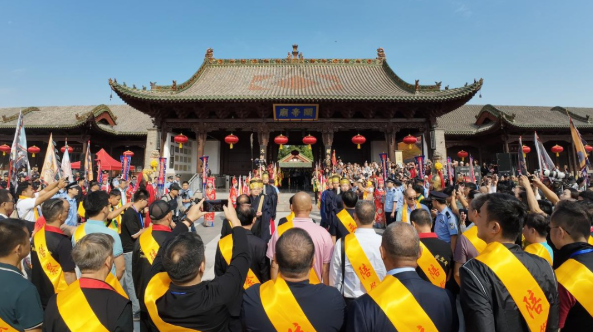
BEIJING — China’s digital supply chains could significantly enhance the ability of small businesses in Pacific island nations to access regional trade markets, according to Brett O’Riley, an adviser to the APEC Business Advisory Council (ABAC). Speaking on the sidelines of the APEC CEO China Forum in Beijing on June 25, O’Riley highlighted the potential of digital networks to transform trade dynamics in the region. What Happened During the APEC CEO China Forum, Brett O’Riley, New Zealand’s representative on the ABAC, discussed the role of China’s digital trade networks in facilitating market access for Pacific firms. He emphasized that these networks could lower barriers for small and medium-sized enterprises (SMEs) in Pacific island countries, enabling them to engage more effectively in regional commerce. O’Riley noted that the digitalization of supply chains offers a more inclusive platform for businesses that have traditionally been marginalized due to logistical and infrastructural challenges. “Digital trade networks can provide a level playing field for small businesses by reducing costs and increasing efficiency,” he stated. The forum brought together business leaders and policymakers to explore ways of enhancing economic cooperation and integration in the Asia-Pacific region. The discussions underscored the importance of digital infrastructure in fostering economic growth and resilience, particularly in the wake of disruptions caused by the COVID-19 pandemic. Background The APEC Business Advisory Council is a platform that provides advice to APEC leaders on business sector priorities and concerns. It plays a pivotal role in shaping policies that affect trade and investment in the Asia-Pacific region. China’s growing influence in digital trade is part of its broader strategy to strengthen economic ties with neighboring countries and regions. Historically, Pacific island nations have faced significant challenges in accessing regional markets due to their geographical isolation and limited infrastructure. These challenges have been exacerbated by the COVID-19 pandemic, which has disrupted traditional supply chains and highlighted the need for digital solutions. China has been actively investing in digital infrastructure as part of its Belt and Road Initiative, aiming to create a seamless network of trade routes and digital corridors. This initiative has included partnerships with Pacific island nations to enhance their digital capabilities and integrate them into regional trade networks. Why It Matters The integration of Pacific island nations into China’s digital trade networks could have profound economic and social implications. By reducing trade barriers and facilitating easier access to regional markets, these networks can help stimulate economic growth in these countries, which are often heavily reliant on a limited number of industries such as tourism and agriculture. For small businesses in the Pacific, digital trade networks offer a lifeline to diversify their markets and increase their competitiveness. This could lead to job creation, increased incomes, and improved standards of living for local populations. Additionally, by participating in regional trade, Pacific island nations can enhance their economic resilience and reduce their dependency on traditional trade partners. On a broader scale, the expansion of digital trade networks aligns with global trends towards digitalization and e-commerce. As more businesses and consumers move online, the ability to engage in digital trade becomes increasingly crucial for economic success. China’s efforts to bolster digital infrastructure in the Pacific region could serve as a model for other countries seeking to enhance their digital trade capabilities. Key Takeaways China’s digital trade networks could improve market access for Pacific island businesses. Digital supply chains may reduce costs and logistical barriers for SMEs. The initiative is part of China’s broader strategy to enhance regional economic ties. Improved access to regional markets could boost economic growth and resilience in Pacific nations. The move aligns with global trends towards increased digitalization and e-commerce. Source Attribution The information in this article is based on a report from the Associated Press of Pakistan (APP) regarding statements made by Brett O’Riley at the APEC CEO China Forum. The source material provided insights into the potential benefits of China’s digital trade networks for Pacific island nations. Limitations include a focus on statements from a single representative without additional perspectives from other stakeholders. Author: NEN Editorial Desk | Editor: NEN Newsroom | Fact Checked By: NEN Editorial Team Author: NEN Editorial Desk  |  Editor: NEN Newsroom  |  Last Updated: June 26, 2026  |  Source: Associated Press of Pakistan (APP) This article was produced by the NEN Editorial Desk in accordance with NEN Agency’s Editorial Policy and Fact-Checking Policy.
World

Mushaal Mullick Calls For Global Action On Human Rights In Kashmir

ISLAMABAD — Mushaal Hussein Mullick, the wife of incarcerated Hurriyat leader Yasin Malik, has called on the international community to take decisive action to protect human rights and establish peace in Indian Illegally Occupied Jammu and Kashmir (IIOJK). She emphasized that the historical events of Karbala continue to serve as a powerful symbol against oppression and injustice, resonating with the struggles of the Kashmiri people. What Happened On June 26, Mushaal Mullick addressed the ongoing human rights issues in IIOJK, urging global leaders to intervene and ensure justice for the region’s oppressed population. She highlighted the enduring relevance of the Karbala narrative, which has historically been a source of inspiration for those fighting against tyranny and injustice. Mullick’s remarks come amid ongoing tensions and human rights concerns in the region, where her husband, Yasin Malik, a prominent separatist leader, remains imprisoned. Mullick stated, “The message of Karbala is timeless and continues to inspire oppressed people across the world, including those in Kashmir.” She urged the international community to take “meaningful and effective steps” to address the human rights violations occurring in the region. Her appeal is part of a broader effort to draw international attention to the plight of Kashmiris, who have long been subjected to political and social unrest. Her statement was made in the context of ongoing reports of human rights abuses in IIOJK, including restrictions on freedom of expression, arbitrary detentions, and excessive use of force by security personnel. Mullick’s call for action aims to galvanize international support and pressure India to address these issues. Background The Kashmir conflict dates back to the partition of British India in 1947, which led to the creation of India and Pakistan. Both countries claim the region in full but control only parts of it. The dispute has led to several wars and ongoing skirmishes between the two nuclear-armed neighbors. In recent years, the situation in IIOJK has been marked by heightened military presence and frequent clashes between security forces and local residents. The abrogation of Article 370 by the Indian government in August 2019, which revoked the special status of Jammu and Kashmir, has further exacerbated tensions. This move was met with widespread protests and condemnation from various international human rights organizations. The region has since been under increased surveillance and restrictions, with reports of human rights violations continuing to surface. Why It Matters The situation in IIOJK holds significant implications for regional stability and international relations. The ongoing conflict has the potential to escalate into a broader military confrontation between India and Pakistan, both of which possess nuclear capabilities. Such an escalation would have dire consequences not only for South Asia but also for global peace and security. From a human rights perspective, the international community’s response to the situation in Kashmir is a test of its commitment to upholding fundamental freedoms and justice. The lack of decisive action could set a precedent for the tolerance of human rights abuses in other conflict zones. Furthermore, the plight of the Kashmiri people highlights the broader issue of self-determination and the right of oppressed populations to seek autonomy and justice. Economically, the instability in Kashmir affects regional trade and development. The conflict disrupts economic activities and deters investment, hindering the potential for growth and prosperity in the region. Addressing the human rights situation could pave the way for economic recovery and improved living standards for the residents of Kashmir. Key Takeaways Mushaal Mullick has called for international intervention to address human rights abuses in IIOJK. The historical narrative of Karbala is used as a symbol of resistance against oppression. The Kashmir conflict remains a significant geopolitical issue with potential global implications. Human rights violations in the region continue to draw international concern and condemnation. Resolving the conflict could lead to economic benefits and improved regional stability. Source Attribution The information in this article is based on a report by the Associated Press of Pakistan (APP). The source provides an overview of Mushaal Mullick’s statements and the current situation in IIOJK. As with all sources, the information reflects the perspective and focus of the reporting entity. Author: NEN Editorial Desk | Editor: NEN Newsroom | Fact Checked By: NEN Editorial Team Author: NEN Editorial Desk  |  Editor: NEN Newsroom  |  Last Updated: June 26, 2026  |  Source: APP This article was produced by the NEN Editorial Desk in accordance with NEN Agency’s Editorial Policy and Fact-Checking Policy.
World

President Zardari Emphasizes Pakistan’s Commitment to Combat Drug Abuse

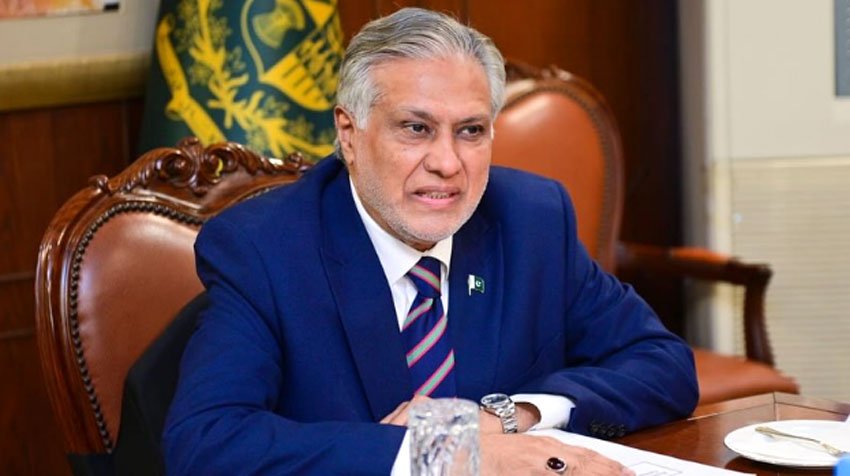
ISLAMABAD — President Asif Ali Zardari has reiterated Pakistan’s steadfast commitment to fighting drug abuse and illicit trafficking, highlighting the protection of the nation’s youth from narcotics as a critical national priority. His remarks come ahead of the International Day against Drug Abuse and Illicit Trafficking, observed globally on June 26. What Happened In a statement issued on the eve of the International Day against Drug Abuse and Illicit Trafficking, President Zardari underscored the government’s dedication to eradicating the scourge of drugs from society. He paid tribute to the martyrs of the Anti-Narcotics Force (ANF) who have sacrificed their lives in the line of duty. President Zardari stated, “Our resolve to combat drug abuse is unwavering, and we honor the sacrifices of those who have laid down their lives for this cause.” The President’s message aligns with global efforts to raise awareness about the dangers of drug abuse and to promote a drug-free society. He emphasized the importance of collaborative efforts at both national and international levels to effectively address the challenges posed by drug trafficking and abuse. President Zardari also called for enhanced support for the ANF, the primary agency responsible for enforcing anti-drug laws in Pakistan. He acknowledged the force’s critical role in intercepting drug trafficking operations and reducing the availability of narcotics within the country. Background The International Day against Drug Abuse and Illicit Trafficking was established by the United Nations General Assembly in 1987 to strengthen global action and cooperation against drug abuse. Pakistan has been an active participant in these efforts, given its geographical location, which makes it a transit point for drug trafficking routes originating from neighboring Afghanistan, one of the world’s largest producers of opium. The Anti-Narcotics Force, established in 1995, operates under the Ministry of Narcotics Control. It is tasked with combating drug smuggling and abuse through law enforcement, public awareness campaigns, and international cooperation. Over the years, the ANF has conducted numerous successful operations, seizing significant quantities of narcotics and arresting traffickers. Why It Matters Drug abuse poses a significant threat to Pakistan’s social fabric, particularly affecting the youth who are most vulnerable to addiction. The economic impact is also substantial, with drug-related crime and healthcare costs placing a burden on national resources. By reaffirming its commitment to tackling this issue, Pakistan aims to protect its future generations and ensure a healthier society. Internationally, Pakistan’s efforts to combat drug trafficking contribute to global security and stability. The country’s strategic location makes it a key player in the international fight against narcotics. Strengthening anti-drug measures not only aids in domestic safety but also supports international partners in reducing the global supply of illicit drugs. Furthermore, President Zardari’s tribute to the ANF martyrs highlights the human cost of the war on drugs. Recognizing the sacrifices made by law enforcement personnel can foster greater public support and cooperation in anti-drug initiatives. Key Takeaways President Zardari reaffirms Pakistan’s commitment to combating drug abuse and trafficking. The International Day against Drug Abuse and Illicit Trafficking is observed on June 26. The Anti-Narcotics Force plays a crucial role in enforcing anti-drug laws in Pakistan. Drug abuse poses significant social and economic challenges to Pakistan. International cooperation is essential in the global fight against narcotics. Source Attribution The information in this article is based on a statement released by the Associated Press of Pakistan (APP) in connection with the International Day against Drug Abuse and Illicit Trafficking. While the source provides an official perspective, further details on specific measures and future plans were not disclosed in the statement. Author: NEN Editorial Desk | Editor: NEN Newsroom | Fact Checked By: NEN Editorial Team Author: NEN Editorial Desk  |  Editor: NEN Newsroom  |  Last Updated: June 25, 2026  |  Source: APP This article was produced by the NEN Editorial Desk in accordance with NEN Agency’s Editorial Policy and Fact-Checking Policy.
World

Pakistan Defeats South Korea 5-0 in APPC 2026 Opener

ISLAMABAD — Pakistan’s national padel team commenced their Asia Pacific Padel Cup (APPC) 2026 journey with a resounding victory against South Korea, securing a 5-0 win in their opening Group A match. The encounter took place at Play Padel McKinley in Manila on Thursday, marking a promising start for the Pakistani team. What Happened In a display of skill and dominance, Pakistan swept all five matches against South Korea, covering men’s, women’s, and mixed categories. The Pakistani players showcased their prowess on the court, leaving no room for the South Korean team to maneuver. This comprehensive victory not only earned Pakistan maximum points but also set a high standard for their performance in the tournament. The men’s team, led by captain Arif Khan, delivered an impressive performance, winning both their matches with significant margins. The women’s team, not to be outdone, mirrored this success with their own commanding victories. The mixed doubles match, which often serves as a tiebreaker in such tournaments, was a testament to Pakistan’s strategic depth and preparation, as they clinched the match with ease. Arif Khan, speaking after the match, expressed his satisfaction with the team’s performance, stating, “Our preparation and hard work have paid off. We aim to maintain this momentum throughout the tournament.” The victory against South Korea positions Pakistan favorably in Group A, as they look forward to their next matches. Background The Asia Pacific Padel Cup is a prestigious tournament that brings together top teams from across the region. Padel, a sport that combines elements of tennis and squash, has been gaining popularity in Pakistan, with increasing participation and support. The APPC 2026 is particularly significant as it marks Pakistan’s continued involvement and rising stature in international padel competitions. Historically, Pakistan has shown potential in racquet sports, and the recent focus on padel is part of a broader strategy to diversify and excel in various sports disciplines. The Pakistan Padel Federation has been instrumental in promoting the sport, organizing training camps, and ensuring that players receive the necessary exposure and experience at international levels. Why It Matters This victory is more than just a win on the court; it represents a significant boost for Pakistan’s sports diplomacy and international presence. As padel gains traction globally, Pakistan’s success in the APPC could lead to increased investment and interest in the sport domestically. This could translate into better facilities, more training opportunities for young athletes, and a stronger national team in future competitions. Economically, success in international sports events can attract sponsorships and partnerships, providing financial support to the athletes and the sport’s governing bodies. Socially, it inspires young athletes and sports enthusiasts, encouraging participation in sports and promoting a healthy lifestyle. Politically, sports victories can enhance national pride and unity, offering a platform for international engagement and cooperation. Pakistan’s performance in the APPC 2026 could serve as a catalyst for further developments in the country’s sports sector, aligning with broader goals of enhancing Pakistan’s global image. Key Takeaways Pakistan defeated South Korea 5-0 in the APPC 2026 opener in Manila. The victory covered all categories: men’s, women’s, and mixed doubles matches. Pakistan’s performance positions them favorably in Group A of the tournament. The win highlights the growing popularity and investment in padel in Pakistan. Success in the tournament could lead to increased economic and social benefits for the sport. Source Attribution The information in this article was sourced from the Associated Press of Pakistan (APP). The report provided details of the match and statements from team members, though further specifics on individual match scores and player statistics were not disclosed. Author: NEN Editorial Desk | Editor: NEN Newsroom | Fact Checked By: NEN Editorial Team Author: NEN Editorial Desk  |  Editor: NEN Newsroom  |  Last Updated: June 25, 2026  |  Source: Associated Press of Pakistan (APP) This article was produced by the NEN Editorial Desk in accordance with NEN Agency’s Editorial Policy and Fact-Checking Policy.
World

WAPDA Completes Restoration Of Gomal Zam Power Unit

PESHAWAR — The Water and Power Development Authority (WAPDA) has successfully restored the damaged power-generating unit of the Gomal Zam Hydel Power Station. The unit has been synchronized with the National Grid following the completion of all necessary commissioning tests, ensuring its full operational readiness. What Happened The Gomal Zam Hydel Power Station, located in South Waziristan, had one of its power-generating units out of service due to technical issues. WAPDA announced on June 25 that the unit has been restored and is now fully functional. This development marks a significant step in stabilizing the power supply from the station, which is an essential component of the region’s energy infrastructure. According to WAPDA officials, the restoration process involved rigorous testing and commissioning to ensure the unit’s safe and reliable operation. The synchronization of Unit No.1 with the National Grid signifies that the power station is once again contributing to the country’s electricity supply. A WAPDA spokesperson stated, “The restoration of the unit will enhance the power generation capacity and contribute to meeting the energy demands of the region.” The Gomal Zam Dam, which houses the hydel power station, is a multi-purpose project that provides irrigation, flood control, and power generation. The restoration of its power-generating capacity is expected to improve the dam’s overall utility and efficiency. Background The Gomal Zam Dam project, initiated in the early 2000s, is one of Pakistan’s key infrastructure projects aimed at improving water management and energy production. The dam is located on the Gomal River in South Waziristan, a region that has historically faced challenges due to its remote location and security issues. Over the years, the Gomal Zam Hydel Power Station has played a crucial role in supplying electricity to the surrounding areas, contributing to the local economy and supporting agricultural activities through its irrigation capabilities. However, technical issues and maintenance challenges have occasionally disrupted its operations, necessitating repairs and upgrades. Why It Matters The restoration of the Gomal Zam power-generating unit is significant for several reasons. Economically, the increased power generation capacity will help alleviate some of the energy shortages that have plagued Pakistan, particularly in remote and underserved areas. By enhancing the reliability of the power supply, the restored unit supports local industries and agricultural activities, which are vital for regional development. Socially, the improved power supply can lead to better living conditions for residents in the affected areas. Reliable electricity is essential for educational institutions, healthcare facilities, and businesses, all of which contribute to the overall quality of life. Politically, the successful restoration reflects WAPDA’s commitment to maintaining and improving the country’s energy infrastructure. This move could bolster public confidence in the government’s ability to manage critical infrastructure projects, which is crucial for political stability and development. Internationally, the project underscores Pakistan’s efforts to enhance its energy security and infrastructure resilience. As the country continues to face challenges related to energy demand and supply, successful initiatives like the Gomal Zam restoration are vital for attracting foreign investment and fostering international partnerships in the energy sector. Key Takeaways WAPDA has restored the Gomal Zam Hydel Power Station’s damaged unit, synchronizing it with the National Grid. The restoration enhances the station’s power generation capacity, contributing to regional energy supply. The Gomal Zam Dam project is crucial for irrigation, flood control, and power generation in South Waziristan. The restoration supports local economic development and improves living conditions by ensuring reliable electricity. This development highlights Pakistan’s commitment to improving its energy infrastructure and security. Source Attribution The information in this article is based on a report from the Associated Press of Pakistan (APP). The report provides an official account of the restoration efforts by WAPDA but does not include independent verification of the technical details involved in the process. Author: NEN Editorial Desk | Editor: NEN Newsroom | Fact Checked By: NEN Editorial Team Author: NEN Editorial Desk  |  Editor: NEN Newsroom  |  Last Updated: June 25, 2026  |  Source: Associated Press of Pakistan (APP) This article was produced by the NEN Editorial Desk in accordance with NEN Agency’s Editorial Policy and Fact-Checking Policy.

World

PM Shehbaz Congratulates Ethiopian Leader Abiy Ahmed on Election Win

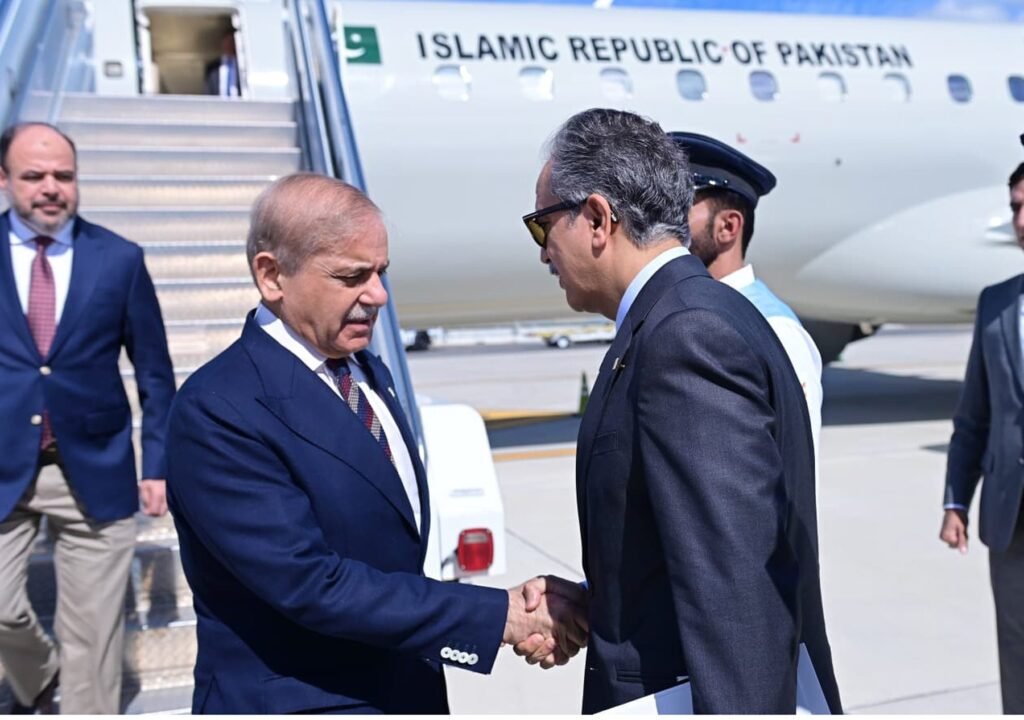
ISLAMABAD — Prime Minister Shehbaz Sharif extended his congratulations to Ethiopian Prime Minister Abiy Ahmed Ali following his victory in Ethiopia’s parliamentary elections. The message was conveyed on Thursday via Prime Minister Shehbaz’s official X account, where he expressed his best wishes to both the Ethiopian leadership and its citizens. What Happened In a gesture of diplomatic goodwill, Prime Minister Shehbaz Sharif reached out to Ethiopian Prime Minister Abiy Ahmed Ali, congratulating him on his recent electoral success. The Ethiopian parliamentary elections, which took place earlier this month, saw Abiy Ahmed’s Prosperity Party secure a decisive victory, reinforcing his mandate to lead the country. Prime Minister Shehbaz’s message highlighted the importance of the relationship between Pakistan and Ethiopia, expressing hope for continued cooperation and mutual development. The congratulatory message was shared publicly through Prime Minister Shehbaz’s official social media platform, reflecting the significance Pakistan places on its diplomatic ties with Ethiopia. The message underscored the potential for strengthened bilateral relations, particularly in areas of mutual interest such as trade, development, and regional stability. Background Abiy Ahmed has been a prominent figure in Ethiopian politics since he assumed office in 2018. His leadership has been marked by significant reforms and a focus on economic development. The Prosperity Party, which he leads, has been instrumental in pushing forward his agenda of modernization and peace-building within Ethiopia. The recent elections were a critical test for Abiy Ahmed’s government, coming at a time of internal challenges, including ethnic tensions and economic pressures. Despite these hurdles, the Prosperity Party’s victory is seen as a reaffirmation of the public’s support for Abiy’s vision for Ethiopia’s future. Pakistan and Ethiopia have historically maintained cordial relations, with both countries being members of various international organizations, including the United Nations and the Non-Aligned Movement. The exchange of diplomatic courtesies, such as the recent congratulatory message from Prime Minister Shehbaz, is indicative of the ongoing efforts to strengthen these ties. Why It Matters The congratulatory message from Prime Minister Shehbaz Sharif to Ethiopian Prime Minister Abiy Ahmed is more than a mere diplomatic formality. It signifies Pakistan’s interest in fostering stronger relations with African nations, particularly those with emerging economies like Ethiopia. Strengthening ties with Ethiopia could open new avenues for trade and investment, benefiting both countries economically. For Ethiopia, receiving international recognition and support from countries like Pakistan can bolster its standing on the global stage. It also provides a platform for Ethiopia to engage in broader discussions on regional security and economic cooperation, which are crucial for its development agenda. On a broader scale, such interactions contribute to regional stability and cooperation, as both countries can learn from each other’s experiences in governance, economic development, and conflict resolution. Pakistan’s gesture of goodwill could also pave the way for future collaborations in areas such as education, technology, and infrastructure development. Key Takeaways Prime Minister Shehbaz Sharif congratulated Ethiopian Prime Minister Abiy Ahmed on his electoral victory. The message was shared via Prime Minister Shehbaz’s official X account, highlighting the importance of Pakistan-Ethiopia relations. Abiy Ahmed’s Prosperity Party secured a decisive win in Ethiopia’s parliamentary elections. The congratulatory message underscores potential for strengthened bilateral ties and cooperation. Such diplomatic gestures contribute to regional stability and international cooperation. Source Attribution The information for this article was sourced from the Associated Press of Pakistan (APP), which reported on Prime Minister Shehbaz Sharif’s congratulatory message to Ethiopian Prime Minister Abiy Ahmed. The source material provides a factual account of the diplomatic exchange but does not delve into the broader implications or historical context of the relationship between Pakistan and Ethiopia. Author: NEN Editorial Desk | Editor: NEN Newsroom | Fact Checked By: NEN Editorial Team Author: NEN Editorial Desk  |  Editor: NEN Newsroom  |  Last Updated: June 25, 2026  |  Source: APP This article was produced by the NEN Editorial Desk in accordance with NEN Agency’s Editorial Policy and Fact-Checking Policy.

Scroll to Top