FAISALABAD — Pakistan’s rice industry is making significant strides in the global market, emerging as a crucial source of foreign exchange. As the industry grows, coordinated efforts are necessary to maintain competitiveness, expand international markets, and ensure benefits for both farmers and exporters.
What Happened
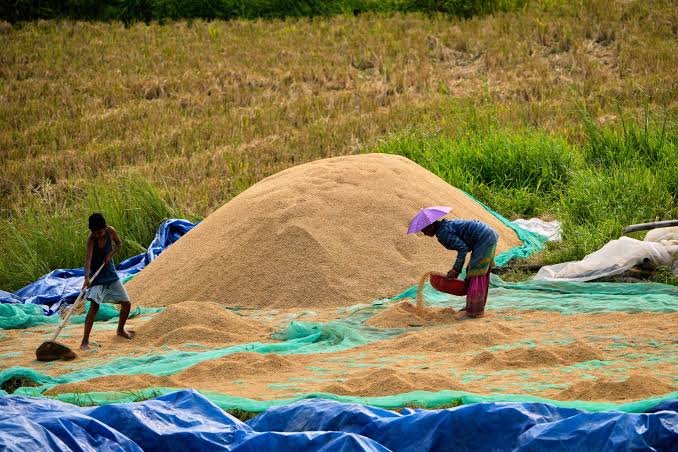
Pakistan’s rice exports have seen a notable increase, with the crop reaching supermarkets and kitchens worldwide. The expansion is not only boosting the country’s foreign exchange reserves but also highlighting the potential of Pakistan’s agricultural sector on the global stage. The rice industry, particularly in the Punjab region, is experiencing growth due to favorable climatic conditions and advancements in farming techniques.
According to industry experts, Pakistan exported over 4 million tonnes of rice in the last fiscal year, generating approximately $2 billion in revenue. This growth is attributed to the increasing demand for Pakistani rice in countries such as China, the Middle East, and Africa. The aromatic Basmati rice, known for its long grains and distinctive flavor, remains a popular choice among international consumers.
However, stakeholders emphasize the need for strategic planning and investment to sustain this growth. “To remain competitive, we must focus on improving yield, quality, and marketing strategies,” said a spokesperson from the Rice Exporters Association of Pakistan. Efforts are underway to enhance the rice supply chain, from production to export, ensuring that farmers receive fair compensation and exporters can access new markets.
Background
Rice is one of Pakistan’s major crops, with the country ranking among the top rice exporters globally. The industry has traditionally relied on Basmati rice, which is primarily grown in the fertile plains of Punjab. Over the years, the government and private sector have invested in research and development to improve rice varieties and farming practices.
Historically, Pakistan’s rice exports have faced challenges due to competition from other major producers like India and Thailand. Nonetheless, Pakistan has managed to carve out a niche in the global market, particularly with its high-quality Basmati rice. Trade agreements and diplomatic efforts have also played a role in opening new markets for Pakistani rice.
Why It Matters
The expansion of Pakistan’s rice exports is significant for several reasons. Economically, it contributes to the country’s foreign exchange earnings, providing a vital source of revenue that can support economic stability. For farmers, increased demand for rice can lead to better income opportunities, improving livelihoods in rural areas.
On a social level, the growth of the rice industry can lead to job creation, not only in farming but also in processing, packaging, and logistics. This has the potential to reduce poverty and enhance the quality of life for many Pakistanis. Furthermore, as the industry grows, it can drive technological advancements and innovation in agriculture, setting a precedent for other sectors.
Internationally, Pakistan’s position as a leading rice exporter strengthens its trade relationships and enhances its reputation as a reliable supplier of high-quality agricultural products. This can lead to increased diplomatic ties and potential collaboration in other areas of trade and investment.
Key Takeaways
- Pakistan’s rice exports are a growing source of foreign exchange, with over 4 million tonnes exported last year.
- The industry is focusing on improving yield, quality, and marketing to maintain competitiveness.
- Basmati rice remains a key export product, popular in markets such as China, the Middle East, and Africa.
- Growth in the rice sector can lead to economic stability, job creation, and improved livelihoods for farmers.
- Pakistan’s position as a leading rice exporter enhances its international trade relationships.
Source Attribution
This article is based on official government statements, press releases, and public communications from relevant authorities.