ISLAMABAD — Neem wood tumblers are increasingly attracting attention from health- and environment-conscious consumers in Islamabad, as they seek sustainable alternatives to plastic and synthetic drinking vessels. These natural wooden tumblers, made primarily from neem and vijaysar wood, are being marketed as eco-friendly and reusable options, appealing to those who prioritize environmental sustainability.
What Happened
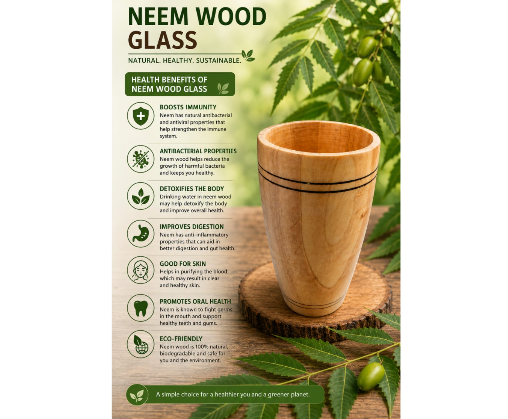
In recent months, there has been a noticeable surge in the popularity of neem wood tumblers in Islamabad. Vendors across the city have reported a growing interest in these traditional drinking vessels, which are celebrated for their natural composition and environmental benefits. The tumblers are crafted from neem wood, known for its antibacterial properties, and vijaysar wood, which is believed to have health benefits.
Local sellers have highlighted the tumblers’ appeal, noting that they are not only reusable but also biodegradable, making them a preferred choice for consumers looking to reduce their carbon footprint. “Our customers are increasingly aware of the environmental impact of plastic products. They appreciate the natural and sustainable aspects of neem wood tumblers,” said a vendor at a local market.
The tumblers are part of a broader trend where consumers are revisiting traditional products that offer both health benefits and environmental sustainability. The resurgence in interest is also attributed to the growing awareness of the harmful effects of plastic pollution and the need for sustainable living practices.
Background
The use of wooden drinking vessels is not new in South Asia. Historically, communities across the region have utilized various types of wood to craft household items, including cups and bowls. Neem wood, in particular, has been valued for its medicinal properties and durability. The tree is native to the Indian subcontinent and has been used in traditional medicine for centuries.
In recent years, there has been a global shift towards sustainable products, driven by increasing environmental concerns and the adverse effects of plastic waste. This trend has revived interest in traditional materials like neem wood, which offer a viable alternative to synthetic products. The Pakistani government has also been promoting green initiatives, encouraging citizens to adopt environmentally friendly practices.
Why It Matters
The growing popularity of neem wood tumblers in Islamabad reflects a broader societal shift towards sustainability and environmental consciousness. As consumers become more aware of the ecological impact of their choices, products that align with sustainable living principles are gaining traction. This shift is significant for several reasons.
Economically, the demand for eco-friendly products can stimulate local industries and crafts, providing opportunities for artisans and small businesses. The production of neem wood tumblers supports local economies, as these items are often handcrafted by skilled workers using locally sourced materials.
Socially, the trend towards sustainable products fosters a culture of environmental responsibility. It encourages individuals to make conscious choices that benefit the planet, promoting a collective effort to combat pollution and environmental degradation.
On an international level, Pakistan’s move towards sustainable products aligns with global efforts to address climate change and reduce plastic waste. By adopting eco-friendly practices, the country can improve its environmental standing and contribute positively to international sustainability goals.
Key Takeaways
- Neem wood tumblers are gaining popularity in Islamabad as eco-friendly alternatives to plastic.
- The tumblers are made from neem and vijaysar wood, known for their health and environmental benefits.
- This trend reflects a broader shift towards sustainable living and environmental consciousness.
- Increased demand for eco-friendly products supports local economies and artisans.
- Pakistan’s adoption of sustainable practices contributes to global environmental efforts.
Source Attribution
This article is based on official government statements, press releases, and public communications from relevant authorities.