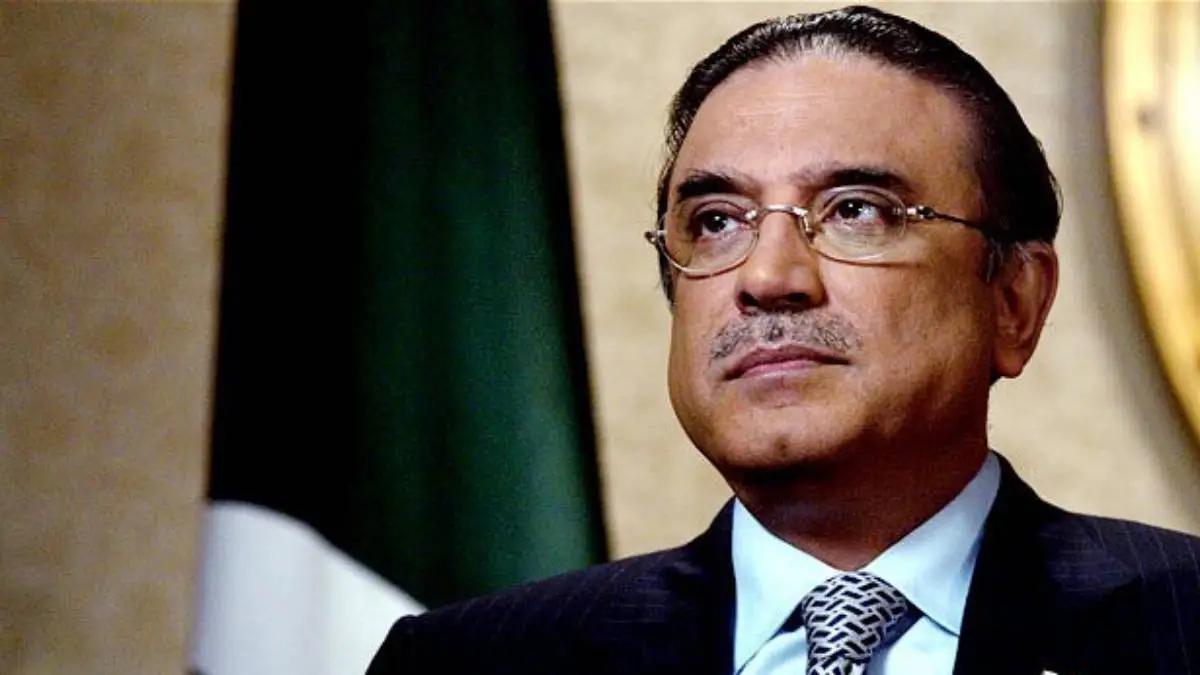
ISLAMABAD — On the occasion of International Peace Day, observed globally on September 21, President Asif Ali Zardari emphasized the significance of dialogue and diplomacy as essential tools for achieving lasting peace. In his message, President Zardari underscored the importance of justice and adherence to international law, highlighting the United Nations Charter as a guiding framework for peace efforts.
What Happened
President Asif Ali Zardari issued a statement on the International Day of Peace, stressing that true and lasting peace can only be realized through persistent dialogue and diplomatic efforts. He articulated that these approaches should be grounded in justice and full respect for international law, as well as the purposes and principles enshrined in the United Nations Charter. The President’s message aligns with the global theme of the day, which calls for strengthening the ideals of peace, both within and among all nations and peoples.
The President’s statement comes at a time when various regions around the world are experiencing conflicts and tensions. His call for dialogue and diplomacy reflects a broader international consensus on the need for peaceful conflict resolution. President Zardari’s message was delivered as part of Pakistan’s commitment to promoting peace and stability, both regionally and globally.
Background
The International Day of Peace was established in 1981 by the United Nations General Assembly and is dedicated to strengthening the ideals of peace. The day is observed annually on September 21 and serves as a reminder of the global commitment to peace and the importance of working collaboratively to resolve conflicts. The UN encourages all nations and people to honor a cessation of hostilities during the day and to otherwise commemorate the day through education and public awareness on issues related to peace.
Pakistan has historically been an advocate for peace and diplomacy in international forums. The country’s foreign policy has consistently emphasized the resolution of conflicts through dialogue and negotiation, particularly in relation to regional disputes. President Zardari’s message on International Peace Day aligns with this longstanding policy approach.
Why It Matters
President Zardari’s emphasis on dialogue and diplomacy is particularly relevant in the current global context, where geopolitical tensions and conflicts continue to pose significant challenges to international peace and security. His message serves as a reminder of the critical need for nations to engage in constructive dialogue to address disputes and prevent escalation into violence.
The call for peace through dialogue is also significant for Pakistan, a nation that has been directly affected by regional conflicts and has a vested interest in promoting stability in South Asia. By advocating for diplomatic solutions, Pakistan reinforces its role as a proactive participant in international peace efforts, which could enhance its diplomatic standing and foster better relations with neighboring countries.
Moreover, President Zardari’s message aligns with global efforts to promote sustainable peace, which is essential for achieving broader development goals. Peaceful societies are more likely to experience economic growth, social cohesion, and improved quality of life for their citizens. As such, the President’s call for dialogue and diplomacy not only addresses immediate conflicts but also contributes to long-term global stability and prosperity.
Key Takeaways
- President Asif Ali Zardari emphasized dialogue and diplomacy as essential for lasting peace on International Peace Day.
- His message highlights the importance of justice and adherence to international law, referencing the UN Charter.
- The International Day of Peace is observed globally on September 21 to promote the ideals of peace.
- Pakistan has a history of advocating for peaceful conflict resolution through dialogue and negotiation.
- President Zardari’s call for peace aligns with global efforts to achieve sustainable development and stability.
Source Attribution
This article is based on official government statements and public communications from relevant authorities.