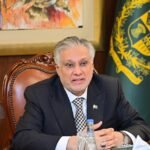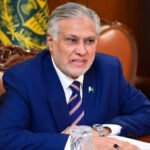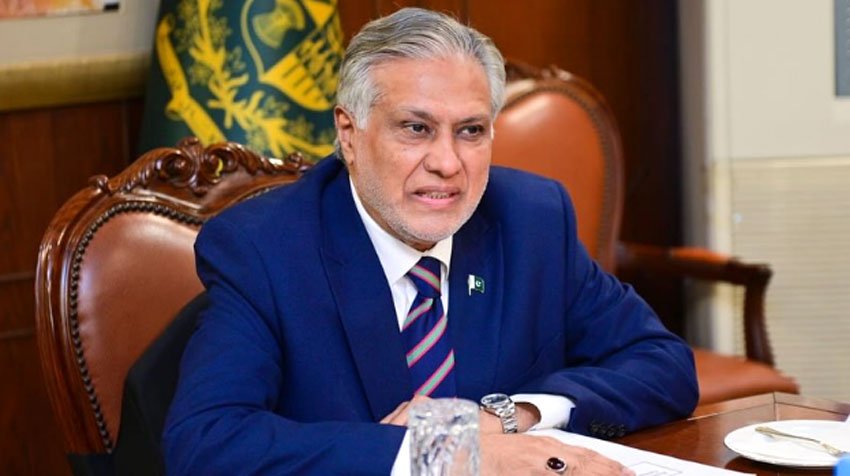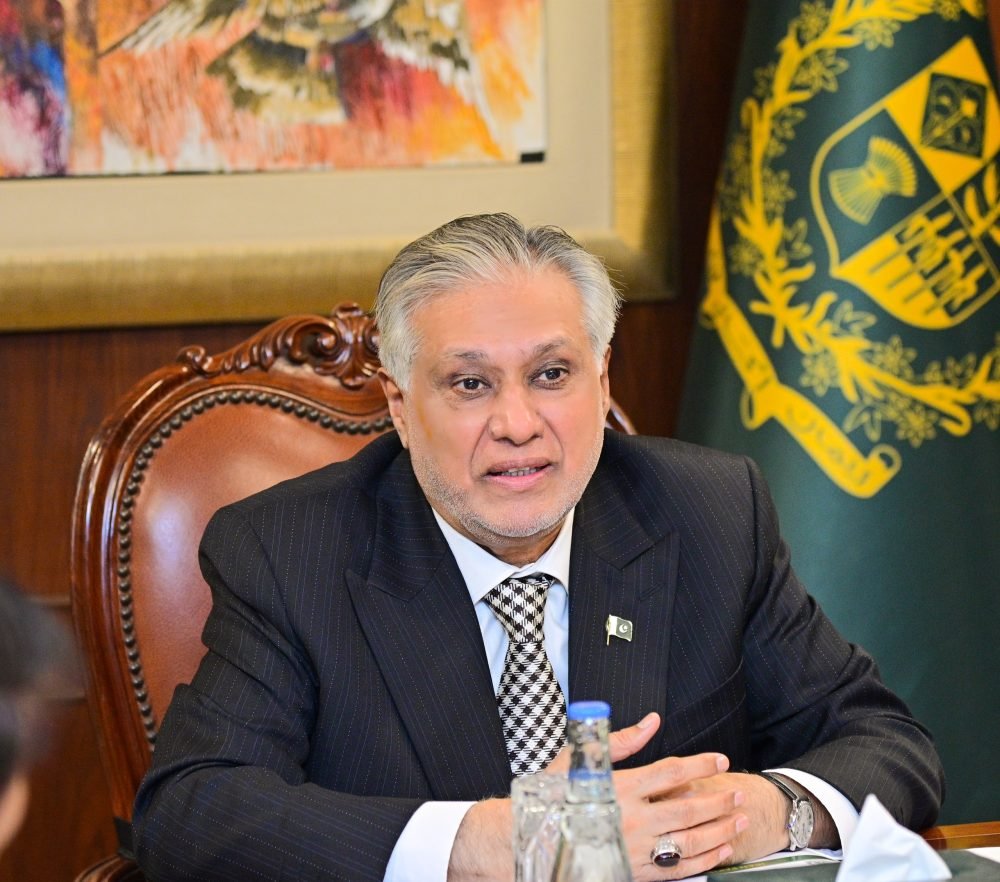
NEW YORK — Deputy Prime Minister and Foreign Minister Senator Mohammad Ishaq Dar met with the European Union High Representative for Foreign Affairs and Security Policy, Kaja Kallas, on the sidelines of the 81st United Nations General Assembly in New York on Monday. The meeting focused on regional and global developments, with both leaders emphasizing the importance of their partnership.
What Happened
Deputy Prime Minister Mohammad Ishaq Dar and EU High Representative Kaja Kallas engaged in a comprehensive dialogue during their meeting at the UN General Assembly. The discussions centered around enhancing bilateral relations, particularly in trade and economic cooperation. Both sides acknowledged the significance of their partnership in addressing regional challenges and promoting global peace and stability.
Senator Dar reiterated Pakistan’s commitment to strengthening ties with the European Union, highlighting the potential for increased collaboration in various sectors. He stated, “Pakistan values its relationship with the EU and looks forward to expanding our cooperation in trade, investment, and development.” The meeting also covered topics such as climate change, security, and human rights, reflecting the broad scope of mutual interests shared by both parties.
EU High Representative Kallas expressed similar sentiments, emphasizing the EU’s interest in deepening its engagement with Pakistan. She noted, “The European Union sees Pakistan as a key partner in the region, and we are committed to working together on issues of mutual concern.” The dialogue underscored the EU’s support for Pakistan’s socio-economic development and its role in regional stability.
Background
Pakistan and the European Union have a long-standing relationship, characterized by cooperation in trade, security, and development. The EU is one of Pakistan’s largest trading partners, with bilateral trade reaching significant levels in recent years. The two entities have also collaborated on various initiatives aimed at promoting regional peace and addressing global challenges such as climate change and terrorism.
The meeting between Senator Dar and High Representative Kallas comes at a time when both Pakistan and the EU are navigating complex geopolitical landscapes. The ongoing conflicts in the Middle East, the situation in Afghanistan, and the global economic downturn have necessitated closer cooperation between the two partners.
Why It Matters
The discussions between Pakistan and the EU hold significant implications for regional and global dynamics. As Pakistan seeks to bolster its economic standing, the EU’s role as a major trading partner becomes increasingly vital. Enhanced trade relations can lead to economic growth, job creation, and improved living standards in Pakistan.
Moreover, the dialogue reflects Pakistan’s strategic position in regional politics. As a key player in South Asia, Pakistan’s cooperation with the EU can contribute to regional stability, particularly in addressing security concerns and fostering peace in conflict-prone areas.
On a global scale, the partnership between Pakistan and the EU can influence international efforts to combat climate change and promote sustainable development. Both parties have expressed a commitment to addressing environmental challenges, which is crucial in the face of rising global temperatures and natural disasters.
Key Takeaways
- Deputy Prime Minister Mohammad Ishaq Dar and EU High Representative Kaja Kallas discussed regional and global issues at the UN General Assembly.
- The meeting emphasized the importance of Pakistan-EU relations, particularly in trade and economic cooperation.
- Both parties expressed a commitment to addressing shared challenges such as climate change and security.
- The dialogue highlights Pakistan’s strategic role in regional stability and its potential for economic growth through enhanced EU partnerships.
- The EU reaffirmed its support for Pakistan’s socio-economic development and regional peace efforts.
Source Attribution
This article is based on official government statements, press releases, and public communications from relevant authorities.