ISLAMABAD: Pakistan’s new Autos and Auto Parts Manufacturing Policy 2026-31 has cleared a key hurdle after the International Monetary Fund (IMF) raised no objection to its draft, opening the way for the federal cabinet to give its formal approval.
The policy, unveiled in Islamabad last week by Haroon Akhtar Khan, Adviser to the Prime Minister on Industries and Production, aims to turn the domestic car industry from an import-dependent, protected sector into an export-oriented one. Its headline target is around $6 billion in cumulative automotive exports over five years, compared with roughly $200 million in the last fiscal year.
Clearance from the IMF was important because Pakistan is implementing an IMF-supported reform programme that requires fiscal discipline, and several of the policy’s tax measures, particularly those for electric vehicles, needed the Fund’s agreement. Once the cabinet approves the policy, the government plans to bring a money bill to Parliament to put the tax and tariff measures into effect.
Export incentives and tariff cuts
Under the policy, eligible exporters will receive a rebate of 5 percent through the drawback of local taxes and levies scheme, along with an additional 10 percent incentive linked to growth in exports. Customs duties on imported components, raw materials and completely knocked-down kits are to be reduced gradually over five years.
Manufacturers will face mandatory localisation targets, and those that fall short can lose export rebates and face penalties. The policy also introduces 45 additional vehicle safety and quality standards and limits advance booking payments to 20 percent of a vehicle’s price.
Push for electric vehicles
The policy offers concessions to promote electric vehicles. Under the proposals announced last week, fully electric vehicles priced below $50,000 would pay a reduced sales tax of 1 percent, with lower rates also proposed for range-extended and plug-in hybrid models. Financing limits for electric vehicles are to be raised and repayment periods extended, while sales tax and customs duty on charging equipment are to be cut.
To balance the revenue impact, an automotive development levy is planned on conventional petrol and diesel vehicles, with exemptions for small cars with engines of 1,000cc or less. Proceeds would support electric vehicle incentives, export rebates, research and local parts makers.
The government says the measures will help cut the import bill, save foreign exchange and reduce fuel imports as more people switch to new energy vehicles. The policy will be reviewed midway through its term, with the performance of manufacturers monitored regularly against their localisation and export commitments.
The next step is the federal cabinet’s approval, after which the money bill is expected to be tabled in Parliament.
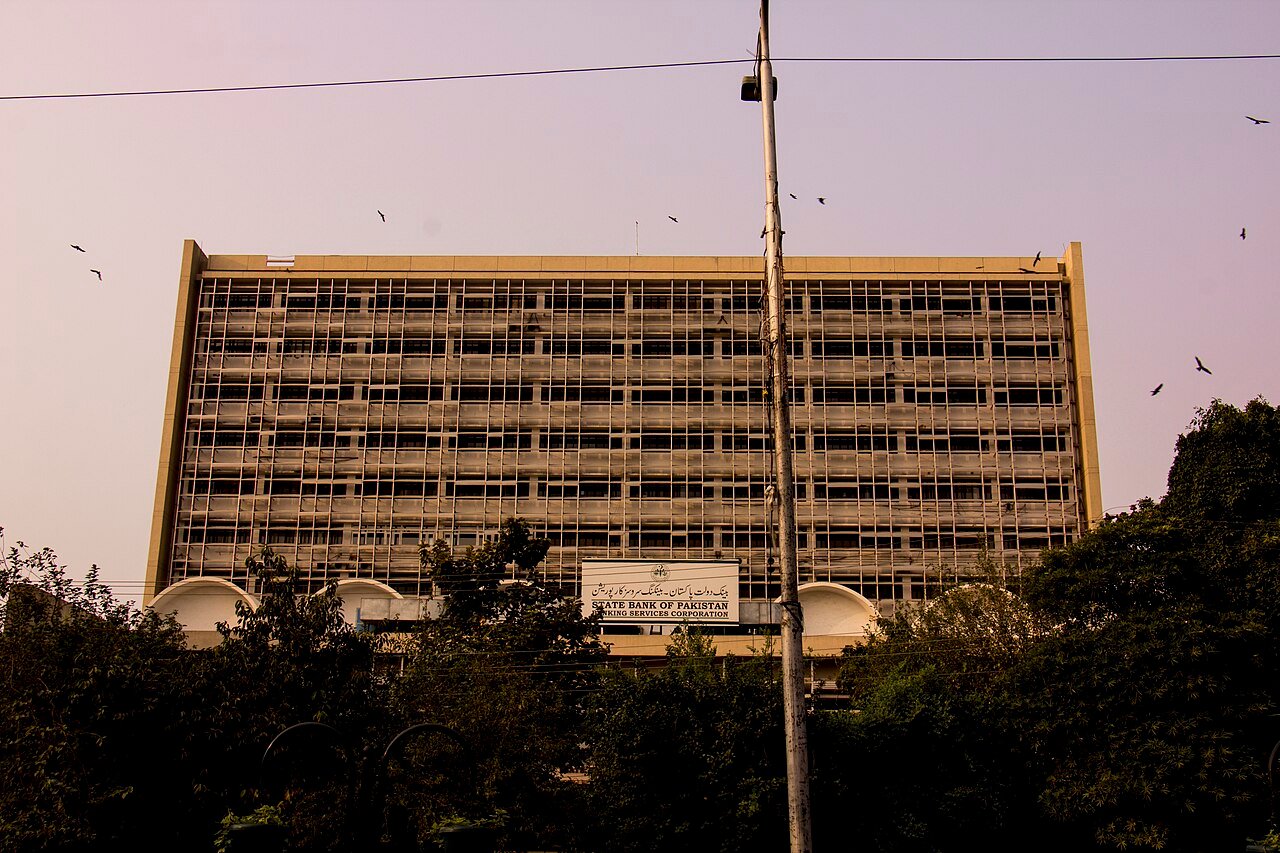
Featured image: Photo: Shahidalibmw / Wikimedia Commons, CC BY-SA 4.0