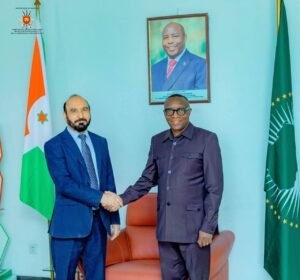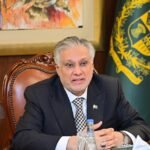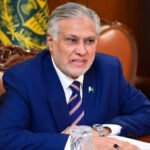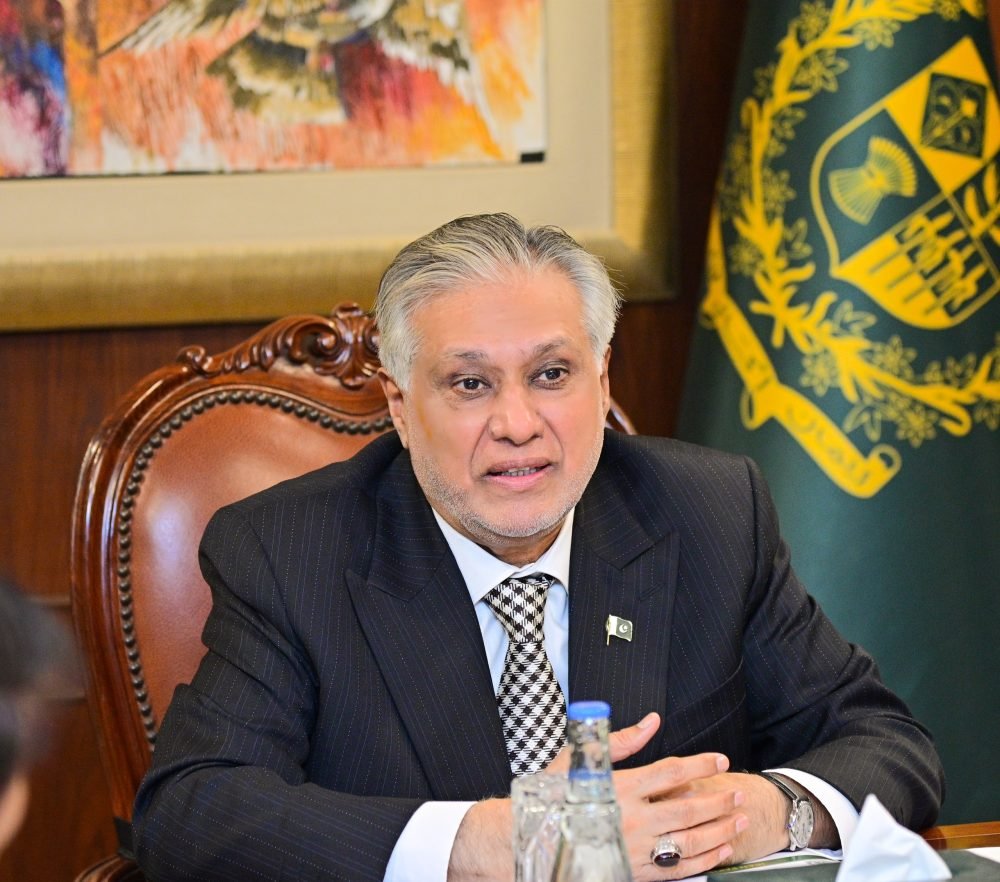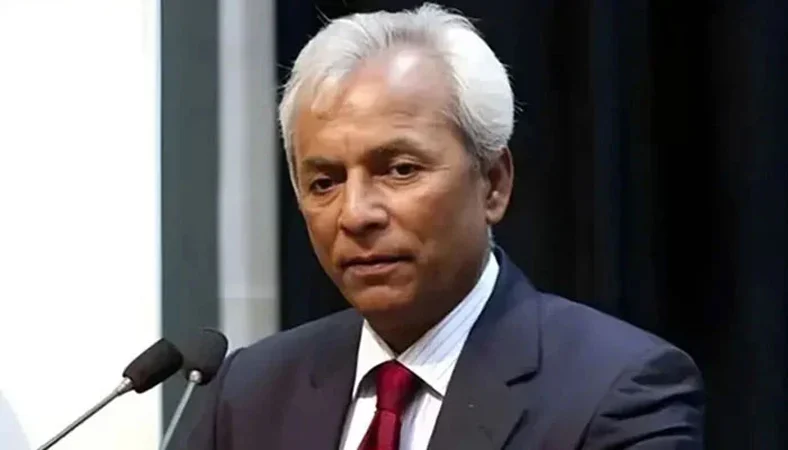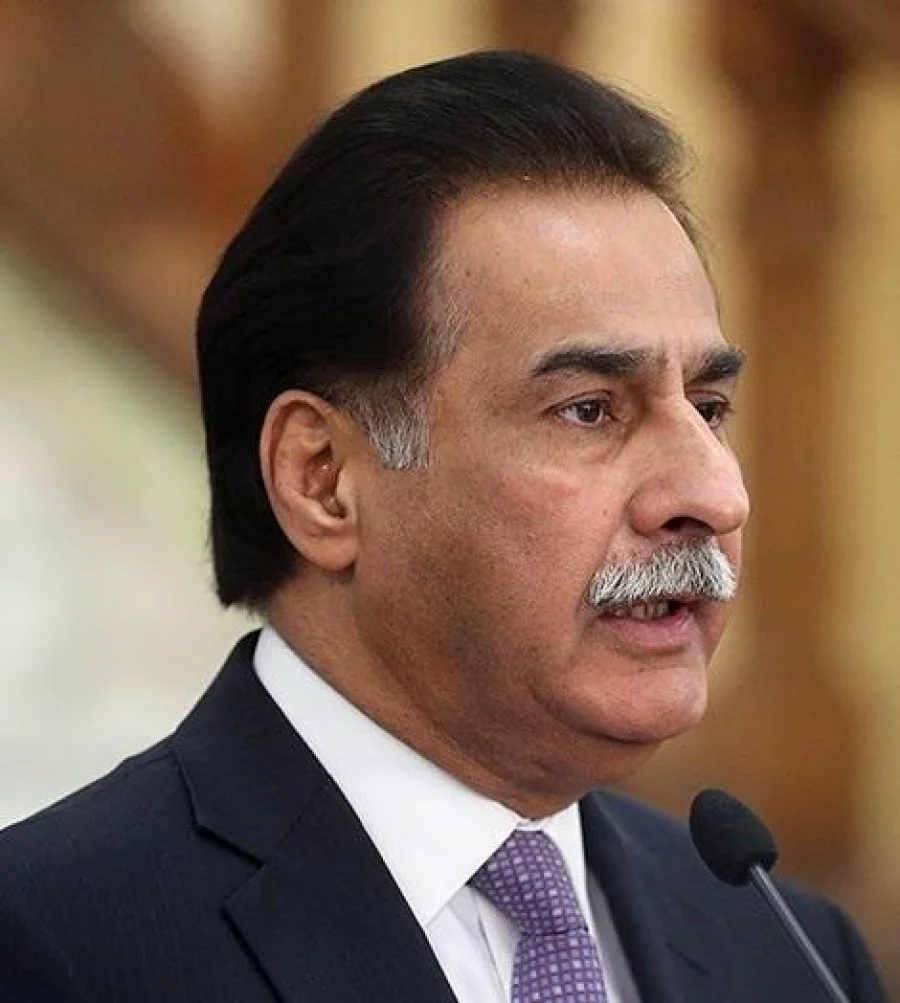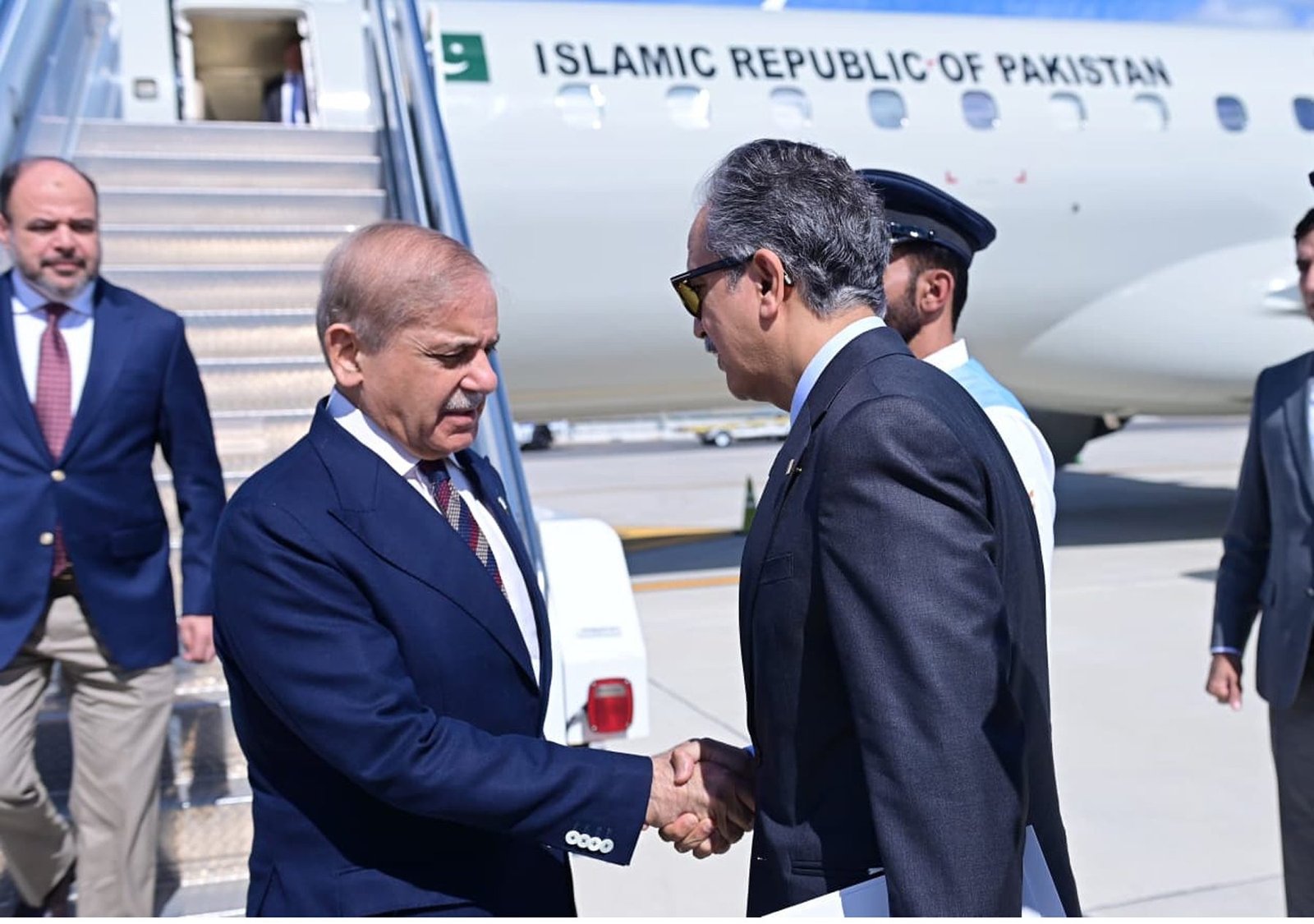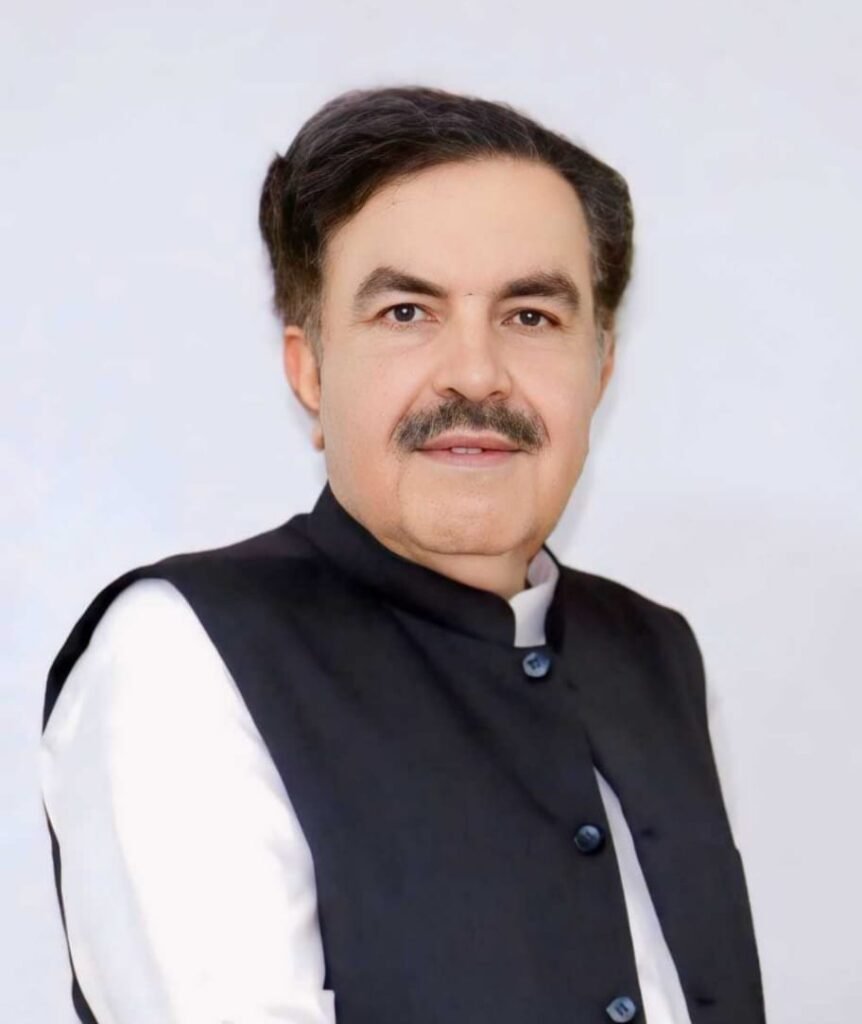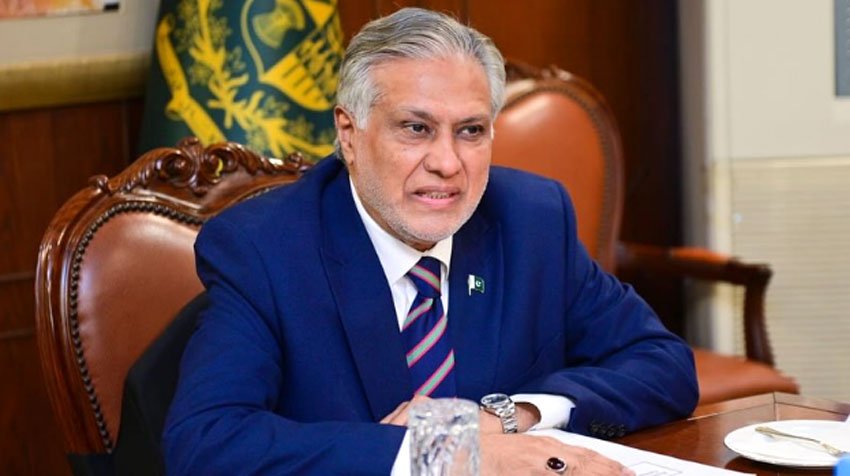
NEW YORK — Deputy Prime Minister and Foreign Minister Senator Muhammad Ishaq Dar and Egyptian Foreign Minister Dr. Badr Abdelatty met on the sidelines of the 81st Session of the United Nations General Assembly on Monday. The meeting underscored the commitment of both nations to strengthen their longstanding bilateral relations and explore new avenues for cooperation.
What Happened
The meeting between Deputy Prime Minister Muhammad Ishaq Dar and Egyptian Foreign Minister Dr. Badr Abdelatty took place in New York, where both leaders were attending the 81st Session of the UN General Assembly. During their discussions, the ministers reaffirmed the strong fraternal ties that have historically existed between Pakistan and Egypt. They expressed a mutual commitment to further enhance bilateral cooperation in various sectors, including trade, investment, and cultural exchange.
Senator Dar emphasized the importance of building on the existing relationship, stating, “Our nations have shared a bond that has stood the test of time, and it is imperative that we explore new opportunities to collaborate for mutual benefit.” Dr. Abdelatty echoed these sentiments, highlighting the potential for increased economic collaboration and the exchange of expertise in areas such as agriculture, technology, and education.
The meeting also touched upon regional and international issues of mutual interest, with both ministers agreeing on the need for a coordinated approach to address global challenges such as climate change, terrorism, and economic instability.
Background
Pakistan and Egypt have enjoyed diplomatic relations since the mid-20th century, with both countries often supporting each other on international platforms. Historically, their relationship has been characterized by cooperation in various fields, including defense, education, and culture. The two nations have also been part of several multilateral organizations, such as the Organization of Islamic Cooperation (OIC) and the Non-Aligned Movement, where they have often aligned their positions on key issues.
In recent years, there has been a renewed focus on strengthening economic ties, with both countries expressing interest in increasing bilateral trade and investment. The Pakistan-Egypt Joint Ministerial Commission, established to facilitate economic cooperation, has been instrumental in identifying potential areas for collaboration.
Why It Matters
The commitment to enhance bilateral relations between Pakistan and Egypt holds significant implications for both countries. Economically, stronger ties could lead to increased trade and investment opportunities, benefiting industries in both nations. For Pakistan, enhancing relations with Egypt could provide access to new markets in Africa and the Middle East, while Egypt could benefit from Pakistan’s expertise in sectors such as textiles and agriculture.
Politically, the collaboration between the two countries could strengthen their positions on international platforms, allowing them to advocate more effectively for issues of mutual concern. This partnership could also contribute to regional stability, as both nations work together to address common challenges such as terrorism and climate change.
On a cultural level, increased cooperation could lead to greater people-to-people exchanges, fostering mutual understanding and goodwill between the citizens of both countries. Educational exchanges and collaborative cultural projects could enrich the cultural landscapes of both nations, promoting a deeper appreciation of each other’s heritage.
Key Takeaways
- Pakistan and Egypt have reaffirmed their commitment to strengthening bilateral relations during a meeting at the UN General Assembly.
- The discussions focused on enhancing cooperation in trade, investment, and cultural exchange.
- Both countries aim to address global challenges such as climate change and terrorism through coordinated efforts.
- Stronger ties could lead to increased economic opportunities and regional stability.
- The partnership holds potential for enhanced cultural and educational exchanges between the two nations.
Source Attribution
This article is based on official government statements and public communications from relevant authorities.