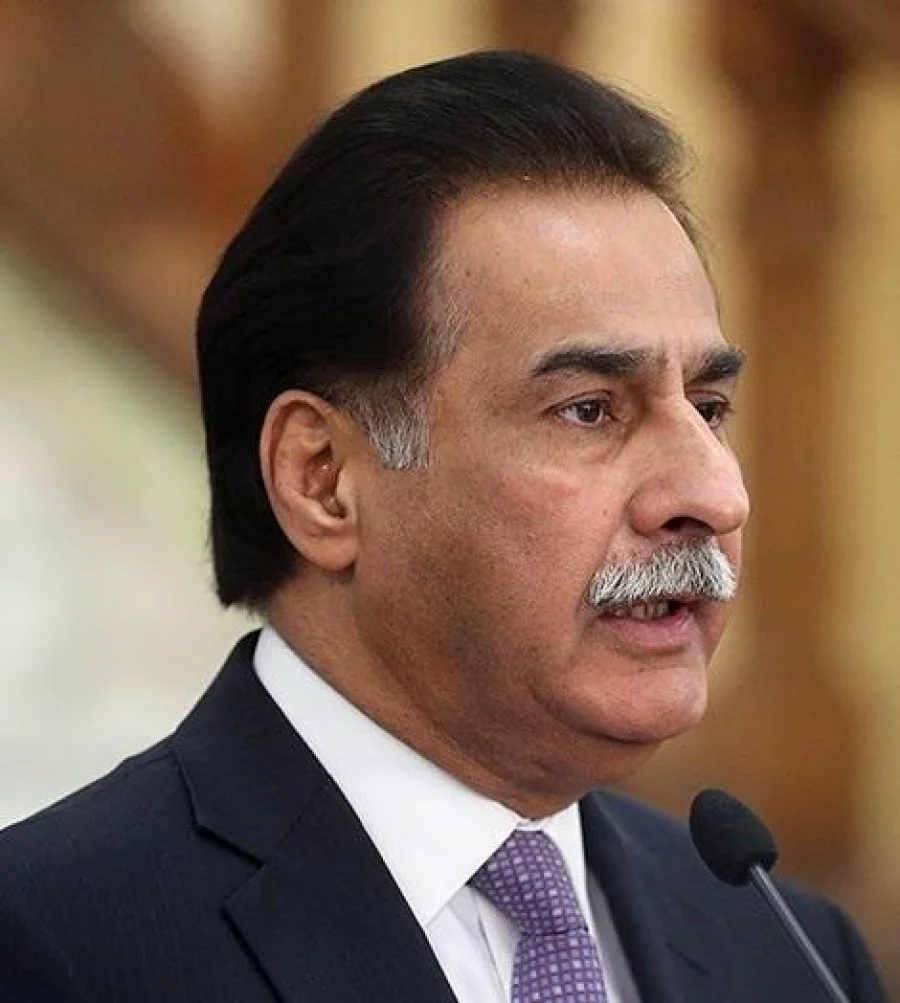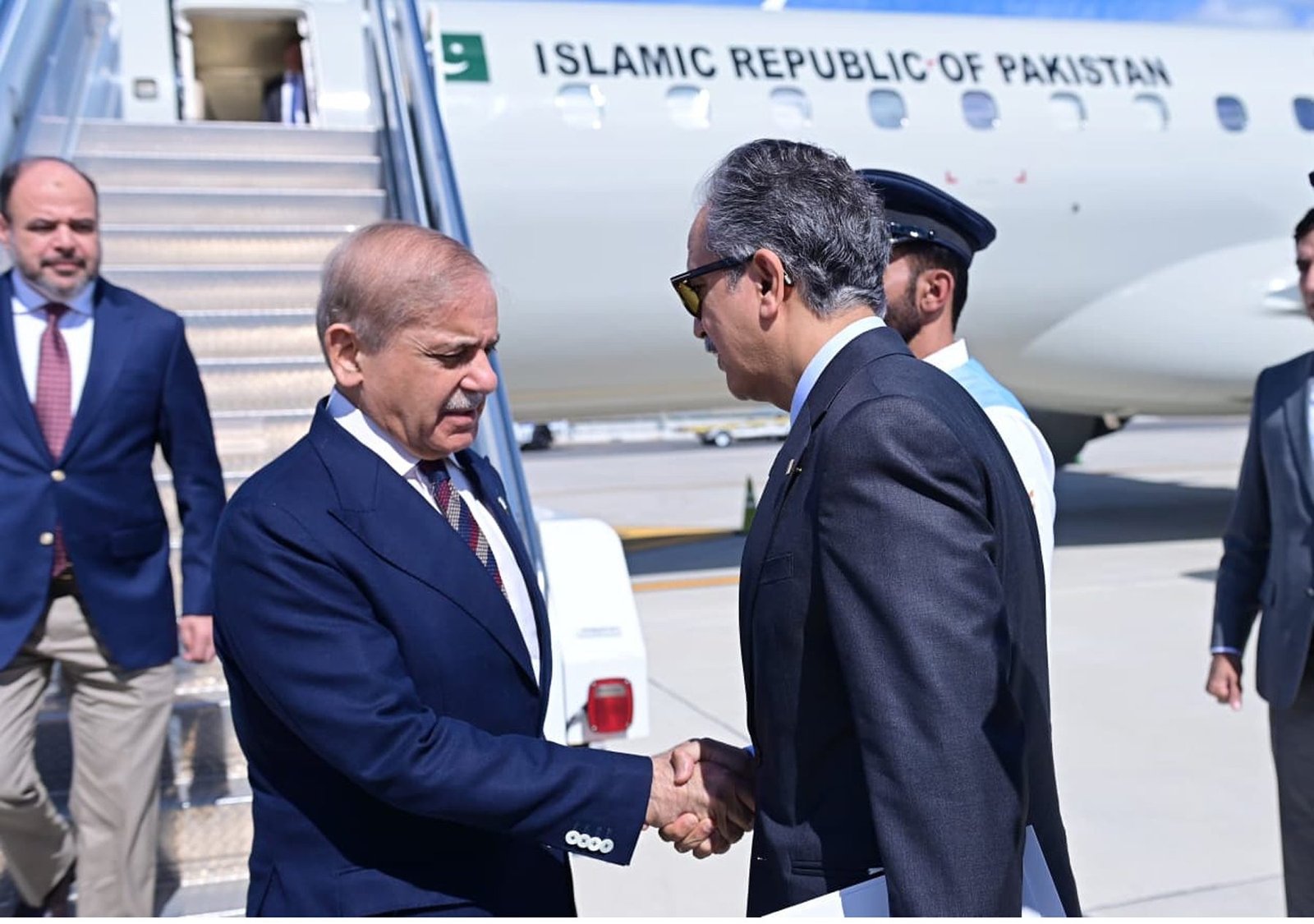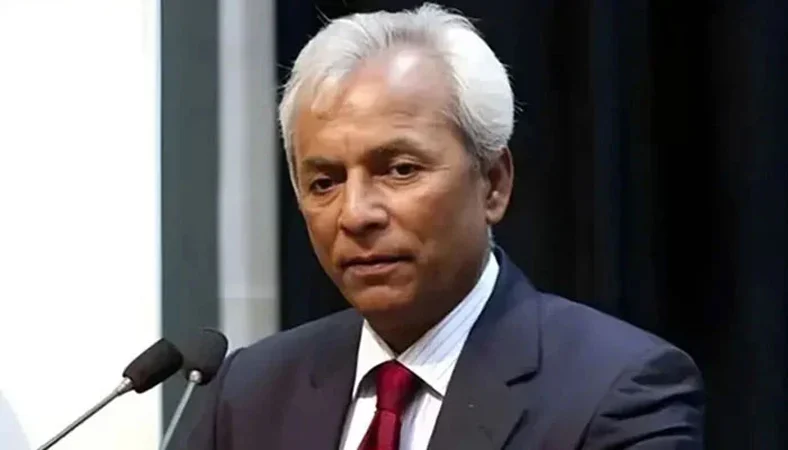
KARACHI — Sindh Governor Syed Nehal Hashmi, Chief Minister Syed Murad Ali Shah, and Acting Consul General of China in Karachi Feng Deheng praised the enduring relationship between Pakistan and China during a meeting on Monday. The officials extended their congratulations to the Chinese government and people on the 77th anniversary of the founding of the People’s Republic of China.
What Happened
In a meeting held in Karachi, Sindh Governor Syed Nehal Hashmi and Chief Minister Syed Murad Ali Shah joined Acting Consul General Feng Deheng to commemorate the 77th anniversary of the People’s Republic of China. The event served as a platform to reaffirm the strong bilateral ties that have been a cornerstone of diplomatic relations between the two nations. Governor Hashmi emphasized the ‘time-tested’ nature of the relationship, highlighting the mutual respect and cooperation that have characterized Pakistan-China interactions over the decades.
Chief Minister Shah echoed these sentiments, noting that the friendship between Pakistan and China has been a model of international cooperation and solidarity. He stated, “Our relationship with China is built on a foundation of trust and mutual benefit, and we are committed to further strengthening these bonds in the years to come.” Acting Consul General Feng Deheng expressed gratitude for the warm wishes and reiterated China’s commitment to enhancing bilateral cooperation, particularly in economic and infrastructural development.
Background
The diplomatic relationship between Pakistan and China dates back to 1951, when the two countries formally established ties. Over the years, this relationship has evolved into a strategic partnership, underscored by economic, military, and cultural exchanges. The China-Pakistan Economic Corridor (CPEC), a flagship project under China’s Belt and Road Initiative, has been a significant milestone in strengthening economic ties between the two nations. CPEC aims to enhance connectivity and trade between the two countries, with several infrastructure projects already underway or completed.
Historically, Pakistan has been one of China’s closest allies in the region, often acting as a bridge between China and the Muslim world. The two countries have supported each other on various international platforms, including the United Nations, where they have often aligned on key issues.
Why It Matters
The reaffirmation of Pakistan-China ties comes at a critical time for both nations. For Pakistan, the relationship with China is crucial for economic stability and development. The ongoing projects under CPEC are expected to bring significant economic benefits, including job creation and infrastructure development. As Pakistan grapples with economic challenges, the support from China remains vital.
On the international front, the partnership serves as a counterbalance to regional tensions and geopolitical shifts. China’s growing influence in South Asia and its strategic interests align with Pakistan’s need for strong allies in the face of regional challenges. The collaboration extends beyond economic interests, encompassing defense and security cooperation, which is pivotal for maintaining regional stability.
For China, Pakistan represents a strategic partner in its Belt and Road Initiative, providing a gateway to the Arabian Sea and facilitating trade routes to the Middle East and beyond. The relationship also helps China strengthen its geopolitical influence in South Asia, countering the presence of other global powers in the region.
Key Takeaways
- Sindh Governor and Chief Minister celebrated the 77th anniversary of China’s founding with the Chinese Consul General in Karachi.
- The meeting highlighted the enduring and strategic partnership between Pakistan and China.
- Pakistan-China relations are crucial for economic development, particularly through the China-Pakistan Economic Corridor.
- The partnership serves as a strategic counterbalance in South Asia, aligning with both nations’ geopolitical interests.
- China’s Belt and Road Initiative benefits from Pakistan’s strategic location, enhancing trade routes to the Middle East.
Source Attribution
This article is based on official government statements and public communications from relevant authorities.