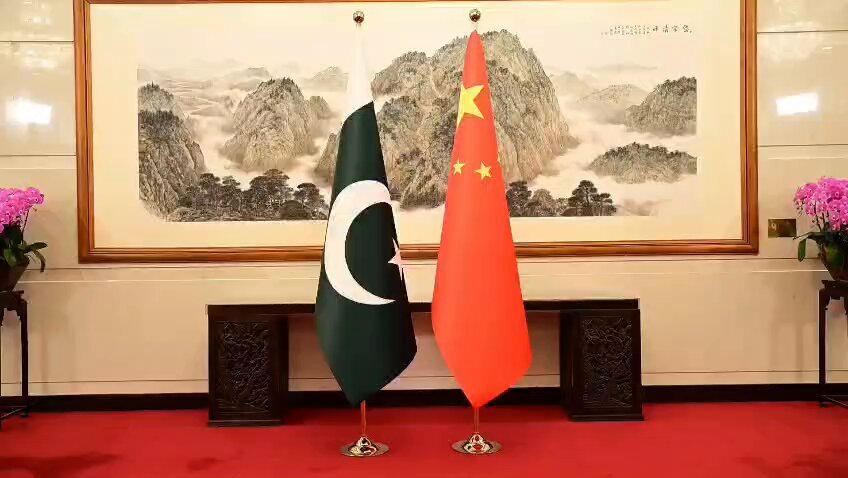
BEIJING — Scholars from China and Pakistan have embarked on a collaborative research initiative to explore the historical connections between the two nations through the ancient river civilizations of the Indus and Yangtze. This research coincides with the 75th anniversary of diplomatic relations between the two countries, highlighting the longstanding cultural and historical ties that have shaped their interactions over the centuries.
What Happened
The research, which was presented at a recent dialogue in Beijing, delves into the historical routes and firsthand accounts from the builders of the Karakoram Highway, offering new insights into the centuries-old exchanges between China and Pakistan. The dialogue brought together historians, archaeologists, and cultural experts who shared their findings and perspectives on the ancient connections facilitated by the Indus and Yangtze rivers.
Professor Li Zhang, a leading historian from Beijing University, emphasized the significance of these river systems as conduits for cultural and commercial exchanges. “The Indus and Yangtze rivers have served as lifelines for civilizations, fostering trade and cultural interactions for millennia,” he stated. The research highlights how these rivers enabled the movement of goods, ideas, and people, laying the groundwork for the rich tapestry of cultural exchanges that have characterized China-Pakistan relations.
Dr. Ayesha Khan, a Pakistani archaeologist, presented findings from recent excavations along the Indus River, which reveal evidence of ancient trade routes linking the region to Central Asia and beyond. “Our findings suggest that the Indus Valley Civilization had extensive trade networks that reached far beyond the Indian subcontinent,” Dr. Khan noted. These discoveries underscore the historical depth of Pakistan’s connections with its northern neighbor.
Background
The historical ties between China and Pakistan date back to ancient times, with the Silk Road serving as a major artery for trade and cultural exchange. The Karakoram Highway, often referred to as the ‘Eighth Wonder of the World,’ is a modern testament to this enduring relationship. Completed in 1978, the highway connects Pakistan’s Gilgit-Baltistan region with China’s Xinjiang province, facilitating not only trade but also cultural and interpersonal exchanges.
Over the years, China and Pakistan have strengthened their relationship through various initiatives, including the China-Pakistan Economic Corridor (CPEC), which aims to enhance connectivity and economic cooperation. The historical research into the Indus and Yangtze rivers adds another layer of understanding to the deep-rooted connections between the two countries.
Why It Matters
This research holds significant implications for both China and Pakistan, as it reinforces the historical foundation of their bilateral relations. Understanding the ancient links between the Indus and Yangtze civilizations provides a broader context for contemporary diplomatic and economic engagements. It highlights the shared heritage and mutual interests that continue to drive cooperation between the two nations.
Economically, the research underscores the potential for further collaboration in areas such as tourism and cultural exchange. By promoting the historical connections between the two countries, there is an opportunity to enhance people-to-people ties and foster greater understanding and appreciation of each other’s cultures.
Politically, the findings serve as a reminder of the longstanding partnership between China and Pakistan, which has been characterized by mutual support and cooperation on regional and international issues. The historical perspective provided by this research can strengthen diplomatic efforts and contribute to a more nuanced understanding of the bilateral relationship.
Key Takeaways
- China and Pakistan scholars are exploring historical links through the Indus and Yangtze rivers.
- The research highlights ancient trade routes and cultural exchanges between the two civilizations.
- Findings underscore the historical depth of China-Pakistan relations, dating back to the Silk Road era.
- The study reinforces the foundation for contemporary diplomatic and economic cooperation.
- Potential for enhanced tourism and cultural exchange based on shared historical heritage.
Source Attribution
This article is based on official government statements, press releases, and public communications from relevant authorities.