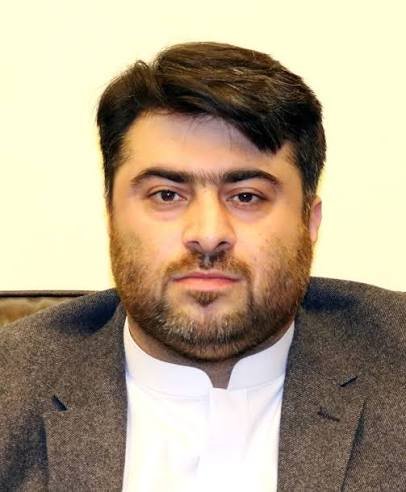
QUETTA — Provincial Minister for Industries and Commerce, Sardar Kohyar Khan Domki, extended his heartfelt congratulations to the Pashtun community on Pashtun Culture Day, celebrated on September 23. The minister highlighted the significance of the day as a tribute to the rich traditions, values, and heritage of the Pashtun nation.
What Happened
Sardar Kohyar Khan Domki, the Provincial Minister for Industries and Commerce, addressed the Pashtun community in Quetta, emphasizing the importance of Pashtun Culture Day as a celebration of the community’s vibrant cultural heritage. In his message, Domki described Pashtun culture as a beautiful reflection of the community’s historical legacy and its contributions to the broader cultural tapestry of Pakistan.
The minister’s remarks were part of a broader initiative to recognize and honor the diverse cultural identities within Pakistan. He noted that Pashtun Culture Day serves as a platform for showcasing traditional Pashtun music, dance, attire, and cuisine, providing an opportunity for both the Pashtun community and others to appreciate and engage with these cultural expressions.
Domki’s statement was well-received by the Pashtun community, who gathered in various parts of Quetta and other regions to celebrate the day with traditional festivities. Events included cultural performances, exhibitions of traditional crafts, and discussions on the preservation and promotion of Pashtun heritage.
Background
Pashtun Culture Day is celebrated annually to honor the rich cultural heritage of the Pashtun people, one of the largest ethnic groups in Pakistan and Afghanistan. The day is marked by various cultural events that highlight the unique traditions and customs of the Pashtun community, which have been passed down through generations.
The Pashtun people, also known as Pathans, have a long history that dates back to ancient times. They are known for their strong sense of identity, hospitality, and adherence to traditional codes of conduct, such as the Pashtunwali, which emphasizes values like hospitality, justice, and courage.
In recent years, there has been a growing movement to celebrate and preserve the cultural identities of Pakistan’s diverse ethnic groups. Pashtun Culture Day is part of this broader effort, aiming to foster greater understanding and appreciation among different communities within the country.
Why It Matters
The celebration of Pashtun Culture Day holds significant importance for both the Pashtun community and Pakistan as a whole. It serves as a reminder of the country’s cultural diversity and the need to preserve and promote the unique identities of its various ethnic groups.
For the Pashtun community, the day is an opportunity to strengthen their cultural identity and pass on their traditions to younger generations. It also provides a platform for addressing issues related to cultural preservation, such as the impact of modernization and globalization on traditional practices.
On a broader scale, events like Pashtun Culture Day contribute to social cohesion and national unity by fostering mutual respect and understanding among different ethnic groups. By celebrating the cultural contributions of the Pashtun people, Pakistan can promote a more inclusive society that values diversity as a strength.
Economically, cultural celebrations can also boost local economies by attracting tourists and promoting cultural industries. Events showcasing traditional crafts, music, and cuisine can create opportunities for local artisans and entrepreneurs, contributing to economic development in the region.
Key Takeaways
- Minister Kohyar Domki congratulated the Pashtun community on Pashtun Culture Day, emphasizing its cultural significance.
- Pashtun Culture Day celebrates the rich traditions and heritage of the Pashtun people.
- The day is part of broader efforts to recognize and preserve Pakistan’s diverse cultural identities.
- Celebrating cultural diversity contributes to social cohesion and national unity in Pakistan.
- Cultural events can boost local economies by promoting tourism and cultural industries.
Source Attribution
This article is based on official statements and public communications from relevant authorities.