KARACHI — The Financial Markets Association of Pakistan’s Exchange Rates Committee released the latest foreign exchange rates bulletin on Tuesday, September 22, 2026. The bulletin provides the conversion rates for various foreign currencies, which are crucial for financial transactions, including forward cover for deposits.
What Happened
On September 22, 2026, the Exchange Rates Committee of the Financial Markets Association of Pakistan issued a bulletin detailing the conversion rates for several major foreign currencies. These rates are applicable for forward cover for deposits, excluding FE-25 deposits, with the State Bank of Pakistan’s settlement value date set for September 24, 2026.
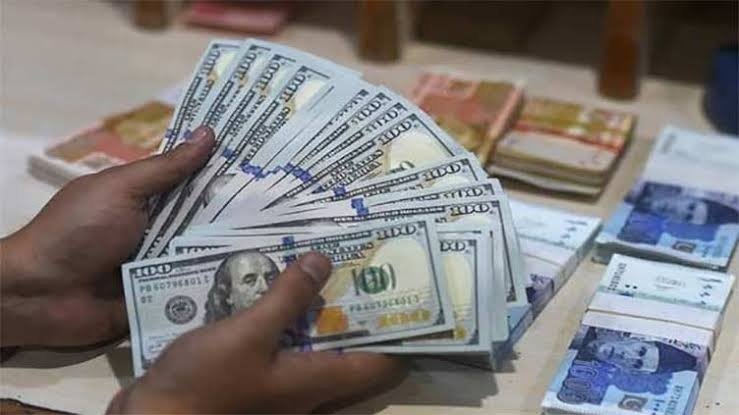
The exchange rates announced are as follows: the US Dollar (USD) is valued at 277.1955 Pakistani Rupees, the British Pound (GBP) at 371.0262 Pakistani Rupees, the Euro (EUR) at 318.3036 Pakistani Rupees, and the Japanese Yen (JPY) at 1.7636 Pakistani Rupees. These rates are significant for businesses and individuals engaged in foreign trade and investment, as they directly impact the cost of importing goods and services and the value of foreign investments.
The announcement of exchange rates is a routine but essential task, as it informs banks, financial institutions, and businesses of the current value of foreign currencies in relation to the Pakistani Rupee. This information is vital for making informed decisions regarding international transactions and hedging against currency risk.
Background
Exchange rates are a critical component of a country’s economic framework, influencing trade balances, inflation, and monetary policy. In Pakistan, the Financial Markets Association plays a key role in determining and disseminating these rates, which are used by the State Bank of Pakistan and other financial entities.
The process of setting exchange rates involves analyzing various economic indicators, including inflation rates, interest rates, and the balance of payments. The rates are also influenced by global economic conditions and geopolitical events that can affect currency values.
Historically, the Pakistani Rupee has experienced fluctuations due to various factors, including political instability, economic reforms, and changes in global oil prices. The exchange rate policy in Pakistan has evolved over the years, shifting from fixed to more flexible systems, allowing for market-driven adjustments.
Why It Matters
The release of exchange rates is crucial for Pakistan’s economic stability and growth. Accurate and timely exchange rate information allows businesses to plan their financial strategies effectively, minimizing risks associated with currency volatility. For importers and exporters, these rates determine the cost of goods and services, impacting pricing, competitiveness, and profitability.
On a broader scale, exchange rates affect inflation and purchasing power. A weaker rupee can lead to higher import costs, contributing to inflationary pressures, while a stronger rupee can enhance purchasing power but may affect the competitiveness of Pakistani exports.
Internationally, exchange rates influence foreign investment flows. A stable and predictable exchange rate environment can attract foreign investors, boosting economic growth and development. Conversely, uncertainty in exchange rates can deter investment, affecting economic prospects.
For the general public, exchange rates impact everyday life, from the cost of imported goods to travel expenses. Understanding these rates helps individuals make informed financial decisions, whether planning a trip abroad or investing in foreign assets.
Key Takeaways
- The Financial Markets Association of Pakistan issued the latest foreign exchange rates on September 22, 2026.
- The US Dollar is valued at 277.1955 Pakistani Rupees, the British Pound at 371.0262, the Euro at 318.3036, and the Japanese Yen at 1.7636.
- Exchange rates are vital for financial transactions, impacting trade, investment, and economic stability.
- Accurate exchange rate information helps businesses and individuals manage currency risk and make informed financial decisions.
- Exchange rates influence inflation, purchasing power, and foreign investment flows, affecting Pakistan’s economic growth.
Source Attribution
This article is based on official government statements, press releases, and public communications from relevant authorities.