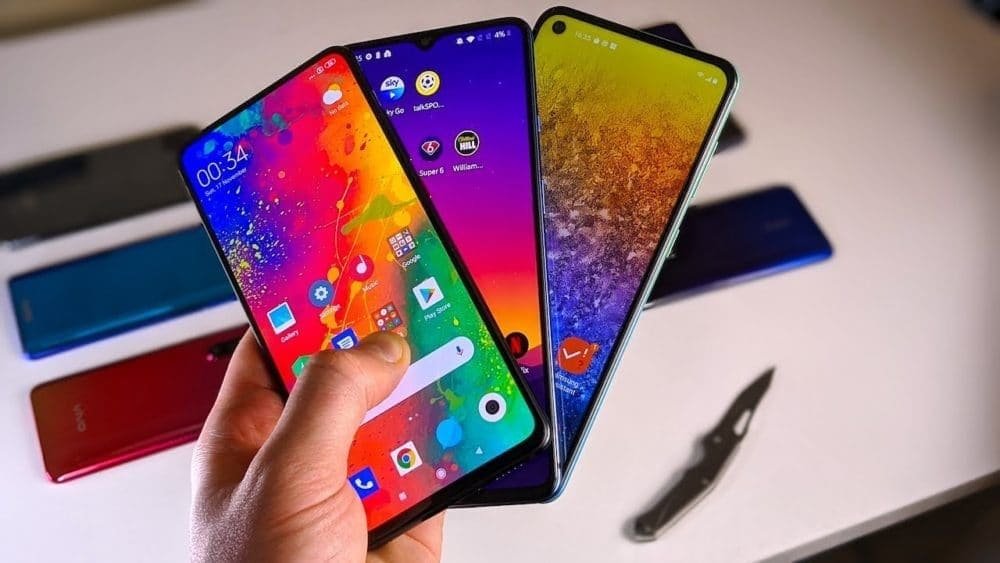
ISLAMABAD — Pakistan’s mobile phone imports have decreased by 8.85% to $274.129 million during the first two months of the financial year 2026-27, compared to the same period last year, according to official data.
What Happened
The decline in mobile phone imports was reported for the months of July and August 2026. During this period, the total value of imported mobile phones amounted to $274.129 million, a noticeable reduction from the $300.618 million recorded in the first two months of the previous financial year. This decrease reflects a broader trend of reduced imports across various sectors as Pakistan grapples with economic challenges.
The reduction in mobile phone imports is attributed to several factors, including a depreciating currency, increased import duties, and regulatory measures aimed at curbing the outflow of foreign exchange. The government has been implementing policies to prioritize essential imports over luxury items to stabilize the economy.
Industry experts have noted that the decrease in imports might also be influenced by a shift in consumer behavior, with more individuals opting for locally assembled or refurbished phones due to cost considerations. Additionally, the global supply chain disruptions caused by the COVID-19 pandemic have continued to affect the availability and pricing of electronic goods, including mobile phones.
Background
Pakistan’s economy has been under significant pressure in recent years, with the government taking various steps to manage the balance of payments and reduce the trade deficit. In the past, the country has relied heavily on imports to meet domestic demand for mobile phones, given the lack of local manufacturing capabilities.
To address this, the government has been encouraging local assembly and manufacturing through incentives and policy support. The introduction of the Mobile Device Manufacturing Policy in 2020 aimed to boost local production and reduce dependency on imports. This policy has led to the establishment of several local assembly plants, which are gradually increasing their market share.
Historically, the import of mobile phones has been a significant contributor to Pakistan’s trade deficit. The government has been working to promote digitalization and increase the penetration of smartphones across the country, which has driven demand for mobile devices.
Why It Matters
The decrease in mobile phone imports has several implications for Pakistan’s economy and its citizens. Economically, the reduction in imports helps in conserving foreign exchange reserves, which are crucial for maintaining the country’s financial stability. By reducing the trade deficit, the government can better manage its fiscal policies and focus on economic growth.
Socially, the shift towards locally assembled phones could lead to job creation and skill development in the technology sector. As local manufacturers increase their production capabilities, there is potential for Pakistan to become a hub for mobile phone assembly, reducing reliance on imports and fostering technological innovation.
Politically, the government’s efforts to reduce imports align with its broader economic strategy to promote self-reliance and sustainable development. By prioritizing local manufacturing, the government aims to create a more resilient economy capable of withstanding external shocks.
Internationally, the trend of decreasing imports may impact Pakistan’s trade relations with major exporting countries. However, it also presents an opportunity for Pakistan to negotiate better trade terms and explore new partnerships in the technology sector.
Key Takeaways
- Mobile phone imports in Pakistan decreased by 8.85% to $274.129 million in the first two months of FY 2026-27.
- The decline is attributed to economic challenges, regulatory measures, and a shift towards local assembly.
- The reduction in imports helps conserve foreign exchange reserves and manage the trade deficit.
- Local assembly of mobile phones is being encouraged, potentially leading to job creation and technological growth.
- The trend aligns with the government’s strategy for economic self-reliance and sustainable development.
Source Attribution
This article is based on official government statements, press releases, and public communications from relevant authorities.