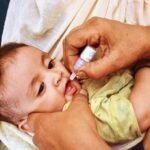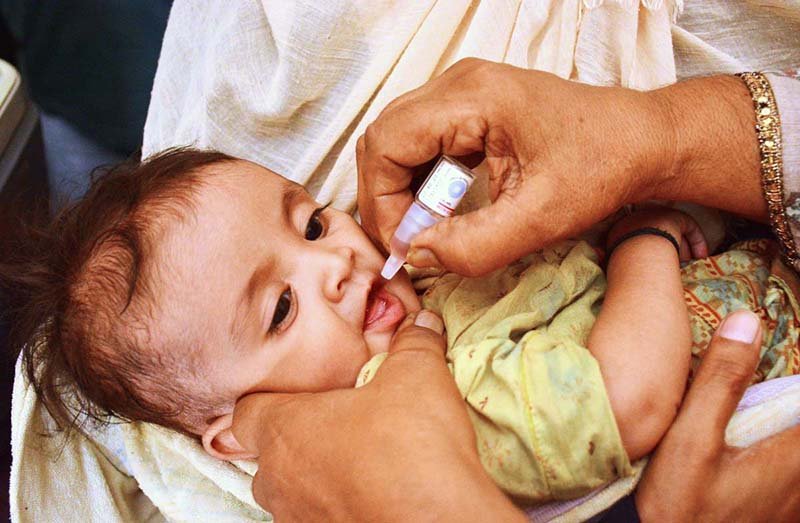
KARACHI — The Emergency Operations Center (EOC) Sindh announced that the ongoing week-long anti-polio campaign has successfully reached 30% of its immunization target on the first day. Over 3 million children across 30 districts in Sindh received polio drops, marking a promising start to the initiative aimed at eradicating the disease.
What Happened
The EOC Sindh, responsible for overseeing polio eradication efforts, confirmed that the campaign commenced with significant momentum. The initiative aims to immunize children under the age of five against polio, a crippling disease that Pakistan has been striving to eliminate. According to the EOC’s statement, the first day of the drive saw health workers administering polio drops to more than 3 million children, achieving 30% of the campaign’s overall target.
This campaign is part of a larger national effort to eradicate polio, with Sindh being a critical focus due to its large population and previous challenges in reaching remote areas. The EOC has mobilized thousands of health workers and volunteers to ensure that the campaign reaches every child, especially in areas with historically low vaccination rates.
Dr. Azra Fazal Pechuho, Sindh’s Minister of Health, emphasized the importance of the campaign, stating, “Our goal is to ensure that no child is left behind. We are committed to reaching every household, especially in hard-to-reach areas, to administer these life-saving drops.” The campaign is set to continue throughout the week, with teams working tirelessly to cover the remaining districts.
Background
Polio remains a significant public health challenge in Pakistan, one of the few countries where the disease is still endemic. The government, in collaboration with international organizations like the World Health Organization (WHO) and UNICEF, has been conducting regular immunization drives to combat the spread of the virus. Despite these efforts, challenges such as vaccine hesitancy and access to remote areas have hindered progress.
Previous campaigns have faced obstacles, including misinformation about the vaccine’s safety and logistical issues in reaching rural communities. However, the government and health organizations have intensified efforts to address these challenges, employing strategies such as community engagement and enhanced security for health workers.
Why It Matters
The success of the current anti-polio campaign is crucial for several reasons. Firstly, achieving high immunization coverage is essential to prevent outbreaks and move closer to eradicating polio in Pakistan. The disease not only poses a health risk but also affects the country’s international standing, as polio-free certification is a significant milestone for any nation.
Economically, polio outbreaks can strain healthcare resources and impact productivity, as affected individuals often require long-term care. By reducing the incidence of polio, Pakistan can allocate resources more effectively towards other pressing health issues.
Additionally, the campaign’s success is vital for maintaining public trust in vaccination programs. Overcoming vaccine hesitancy and misinformation is key to ensuring high participation rates in future health initiatives. The ongoing efforts by the EOC and health workers demonstrate a commitment to safeguarding children’s health and building a healthier future for Pakistan.
Key Takeaways
- The anti-polio campaign in Sindh has achieved 30% of its target on the first day, immunizing over 3 million children.
- The campaign is part of a broader effort to eradicate polio in Pakistan, one of the last countries where the disease is endemic.
- Challenges such as vaccine hesitancy and access to remote areas continue to be addressed through community engagement and logistical support.
- The success of the campaign is critical for improving public health, economic stability, and international reputation.
- Efforts to combat polio are supported by the government, WHO, and UNICEF, emphasizing the importance of global collaboration.
Source Attribution
This article is based on official statements from the Emergency Operations Center Sindh and public communications from health authorities.