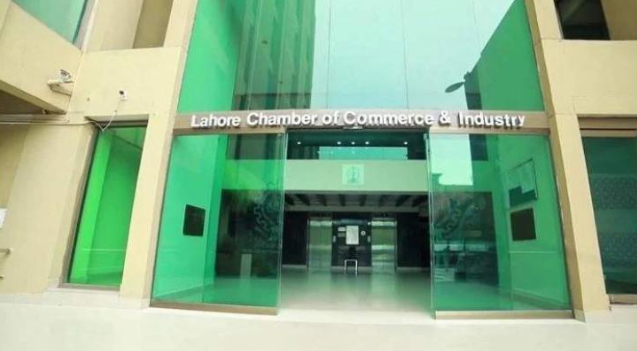
ISLAMABAD — The Islamabad Chamber of Commerce and Industry (ICCI) is set to host the ‘Islamabad Governance and Provincial Status Convention 2026’ on September 25. The event aims to foster an inclusive dialogue on the future governance structure and status of Islamabad, as announced by ICCI President Sardar Tahir Mehmood.
What Happened
The ICCI has organized a convention scheduled for September 25, 2023, to discuss the governance and potential provincial status of Islamabad. The event, titled ‘Islamabad Governance and Provincial Status Convention 2026,’ seeks to gather stakeholders from various sectors to deliberate on the administrative and political future of the capital city. According to ICCI President Sardar Tahir Mehmood, the convention will serve as a platform for comprehensive consultation and discussion among policymakers, business leaders, and civil society representatives.
The convention is expected to address key issues related to Islamabad’s governance, including the challenges and opportunities of granting provincial status to the city. The aim is to explore the implications of such a change on the administrative efficiency and development prospects of Islamabad. The ICCI has emphasized the importance of engaging diverse voices in this dialogue to ensure a well-rounded understanding of the potential impacts.
Sardar Tahir Mehmood stated, “The convention will bring together experts and stakeholders to discuss the future governance structure of Islamabad. It is crucial to consider the perspectives of all relevant parties to make informed decisions that will benefit the city’s residents and businesses.”
Background
Islamabad, as the capital city of Pakistan, currently operates under a unique administrative structure that differentiates it from the provinces. The city is directly governed by the federal government, which oversees its development and administrative affairs. Over the years, there have been discussions and proposals regarding the possibility of granting provincial status to Islamabad to enhance its governance and administrative autonomy.
Historically, the debate over Islamabad’s status has been influenced by various factors, including population growth, urban development, and the need for more localized governance. The city’s strategic importance as the seat of the federal government adds complexity to any potential changes in its administrative structure. Previous attempts to alter Islamabad’s status have faced challenges, often due to political considerations and differing opinions on the best approach to governance.
Why It Matters
The potential change in Islamabad’s governance structure holds significant implications for its residents and the broader administrative landscape of Pakistan. Granting provincial status to Islamabad could lead to increased autonomy in decision-making, allowing for more tailored policies that address the city’s unique challenges and opportunities. This change could also impact the distribution of resources and responsibilities between the federal and local governments.
From an economic perspective, enhanced governance could attract more investment and development projects to Islamabad, boosting its economic growth and providing new opportunities for businesses and residents. Improved administrative efficiency could also lead to better service delivery, infrastructure development, and urban planning, enhancing the quality of life for the city’s population.
Politically, the decision to alter Islamabad’s status could set a precedent for other regions seeking similar changes, potentially reshaping the administrative map of Pakistan. The outcome of the convention and subsequent discussions could influence future policy decisions and legislative actions regarding the governance of Islamabad and other territories.
Key Takeaways
- The ICCI is hosting a convention on September 25 to discuss Islamabad’s governance and potential provincial status.
- The event aims to gather diverse stakeholders to explore the implications of changing Islamabad’s administrative structure.
- Islamabad’s current governance is directly managed by the federal government, with ongoing discussions about granting it provincial status.
- Potential changes could enhance administrative autonomy, attract investment, and improve service delivery in Islamabad.
- The convention’s outcomes could influence future policy decisions and set precedents for other regions in Pakistan.
Source Attribution
This article is based on official government statements, press releases, and public communications from relevant authorities.