TANDOJAM — Sindh Agriculture University (SAU) and the Food and Agriculture Organization (FAO) of the United Nations will jointly observe World Food Day, focusing on promoting food security and sustainable agriculture. This collaboration aims to enhance efforts in efficient agricultural water management, climate-resilient agriculture, research, training, and modern weather monitoring.
What Happened
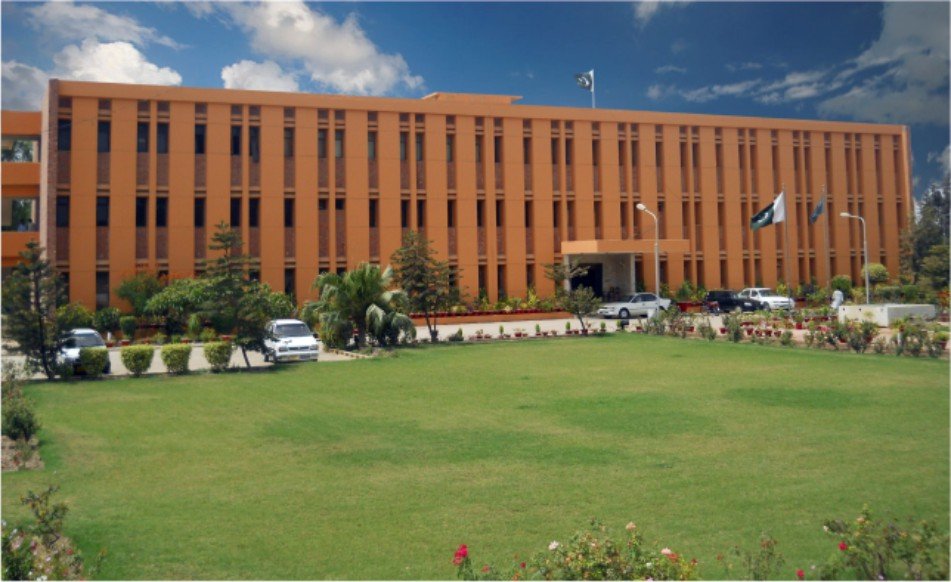
The Sindh Agriculture University (SAU), located in Tandojam, has announced a partnership with the Food and Agriculture Organization (FAO) to observe World Food Day together. The event, which is celebrated globally on October 16, will serve as a platform to highlight the importance of food security and sustainable agricultural practices. The collaboration between SAU and FAO is set to strengthen their ongoing initiatives in various agricultural domains.
Both institutions have expressed their commitment to advancing agricultural water management and climate-resilient farming techniques. This includes a focus on research and training that can equip farmers and agricultural professionals with the necessary skills and knowledge to adapt to changing environmental conditions. Additionally, the partnership will emphasize the use of modern weather monitoring technologies to better predict and respond to climate-related challenges.
SAU Vice Chancellor Dr. Fateh Marri stated, “This collaboration with FAO is a significant step towards achieving sustainable agriculture in Pakistan. By working together, we can enhance our research capabilities and provide better training for our students and local farmers.” The FAO representative echoed this sentiment, emphasizing the importance of joint efforts in tackling global food security challenges.
Background
World Food Day is observed annually on October 16 to commemorate the founding of the Food and Agriculture Organization of the United Nations in 1945. The day is dedicated to raising awareness about food security issues and promoting actions to achieve a world free from hunger. In Pakistan, agriculture plays a crucial role in the economy, providing employment to a significant portion of the population and contributing to national GDP.
The collaboration between SAU and FAO builds on previous efforts to improve agricultural practices in Pakistan. The country faces numerous challenges, including water scarcity, climate change, and outdated farming techniques, which hinder its agricultural productivity. By focusing on efficient water management and climate-resilient agriculture, the partnership aims to address these issues and promote sustainable development in the sector.
Why It Matters
The collaboration between SAU and FAO is significant for several reasons. Firstly, it highlights the importance of international cooperation in addressing global food security challenges. By working together, institutions can share knowledge and resources to develop innovative solutions that can be applied locally and globally.
Economically, the partnership aims to improve agricultural productivity in Pakistan by introducing modern techniques and technologies. This can lead to increased crop yields, reduced waste, and more efficient use of resources, ultimately benefiting farmers and the broader economy. As agriculture is a key sector in Pakistan, improvements in this area can have a substantial impact on national economic growth.
Socially, the collaboration emphasizes the need for education and training in sustainable agricultural practices. By equipping local farmers with the skills and knowledge they need to adapt to changing environmental conditions, the partnership can help ensure food security and improve livelihoods in rural communities.
Furthermore, the focus on climate-resilient agriculture is crucial in the context of global climate change. As weather patterns become increasingly unpredictable, the ability to adapt and respond to these changes is essential for ensuring food security and sustainable development. By investing in modern weather monitoring and adaptive farming techniques, the partnership can help build resilience in the agricultural sector.
Key Takeaways
- Sindh Agriculture University and FAO will jointly observe World Food Day to promote food security and sustainable agriculture.
- The collaboration focuses on efficient agricultural water management, climate-resilient farming, and modern weather monitoring.
- World Food Day is observed globally on October 16 to raise awareness about food security issues.
- The partnership aims to improve agricultural productivity and economic growth in Pakistan.
- Education and training in sustainable practices are key components of the collaboration.
Source Attribution
This article is based on official statements from Sindh Agriculture University and the Food and Agriculture Organization.