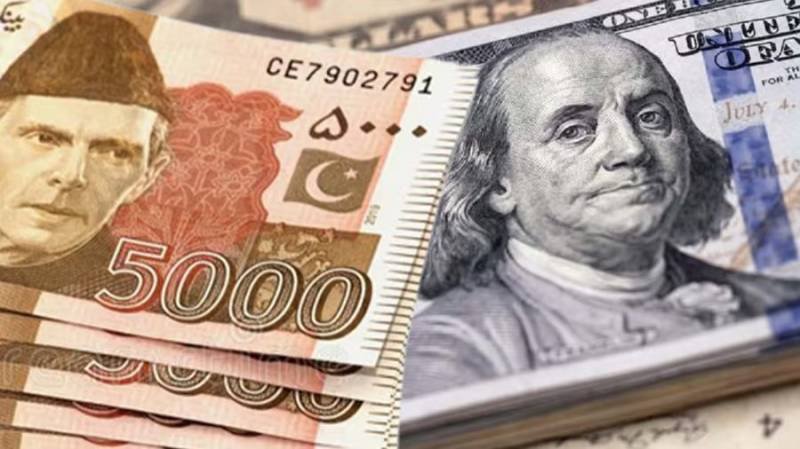
ISLAMABAD — The Pakistani Rupee experienced a slight appreciation against the US Dollar on Friday, gaining 01 paisa in interbank trading to close at Rs 277.16, compared to the previous day’s closing rate of Rs 277.17.
What Happened
According to the Forex Association of Pakistan (FAP), the Rupee’s marginal gain against the US Dollar was observed in the interbank market, where it closed at Rs 277.16. The buying and selling rates of the dollar in the open market were recorded at Rs 277.95 and Rs 278.20, respectively. This minor fluctuation reflects the ongoing volatility in the currency market, influenced by both domestic economic conditions and international financial trends.
Alongside the Rupee’s performance against the US Dollar, other currency movements were noted. The Euro saw an increase of Rs 0.09, closing at Rs 315.74 compared to the previous day’s Rs 315.65, as reported by the State Bank of Pakistan (SBP). Meanwhile, the Japanese Yen remained stable at Rs 1.75. The British Pound, however, experienced a decrease, closing at Rs 366.90, down from Rs 367.04 the previous day.
The exchange rate for the Emirati Dirham decreased by 01 paisa, closing at Rs 75.45, while the Saudi Riyal maintained its position at Rs 73.81. These fluctuations are part of the daily adjustments in the foreign exchange market, which are influenced by a variety of factors including trade balances, foreign investment flows, and geopolitical developments.
Background
The Pakistani Rupee’s performance is closely monitored as it directly impacts the country’s economy, particularly in terms of import costs and foreign debt servicing. Historically, the Rupee has faced significant pressure due to a high current account deficit, inflationary trends, and political instability. In recent years, efforts have been made to stabilize the currency through monetary policy adjustments and securing foreign loans and aid.
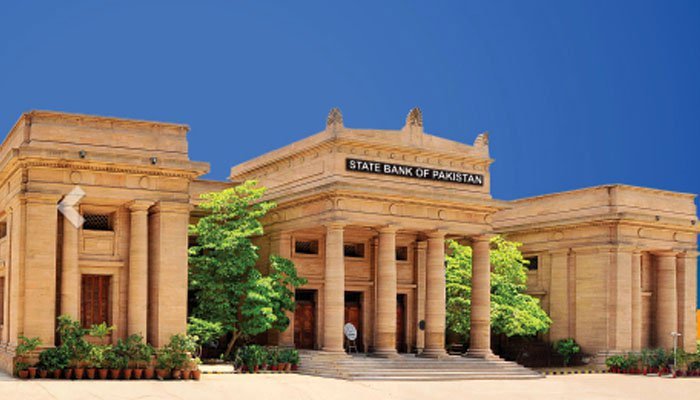
The State Bank of Pakistan plays a crucial role in managing the country’s monetary policy and exchange rates. It implements measures to control inflation and stabilize the Rupee, often intervening in the foreign exchange market to curb excessive volatility.
Why It Matters
The slight appreciation of the Rupee against the US Dollar, though minimal, is significant for several reasons. Firstly, it reflects the ongoing efforts by the State Bank of Pakistan to stabilize the currency amidst challenging economic conditions. A stable Rupee is essential for controlling inflation, reducing the cost of imports, and managing the country’s foreign debt.
For businesses and consumers, even small fluctuations in the exchange rate can impact costs. For importers, a stronger Rupee can reduce the cost of goods and raw materials, potentially leading to lower prices for consumers. Conversely, exporters may find a stronger Rupee challenging as it can make their goods more expensive on the international market.
On a broader scale, the Rupee’s performance is a barometer of investor confidence in Pakistan’s economic management. A stable or appreciating Rupee can signal positive sentiment, potentially attracting foreign investment. Conversely, a depreciating currency may deter investors concerned about economic instability and the risk of inflation.
Key Takeaways
- The Rupee appreciated by 01 paisa against the US Dollar, closing at Rs 277.16 in interbank trading.
- The Euro increased by Rs 0.09, closing at Rs 315.74, while the British Pound decreased to Rs 366.90.
- The Emirati Dirham and Saudi Riyal showed minimal changes, reflecting broader market stability.
- The Rupee’s performance is crucial for controlling inflation and managing foreign debt.
- Exchange rate fluctuations impact import costs, consumer prices, and investor confidence.
Source Attribution
This article is based on official government statements, press releases, and public communications from relevant authorities.