ISLAMABAD — Nearly 10,000 shopkeepers have registered under Pakistan’s Asan Tax Scheme within its first month of implementation, as revealed in a review meeting held on Friday. The scheme, which aims to broaden the tax net by simplifying the process for small business owners, has recorded exactly 9,806 registrations so far.
What Happened
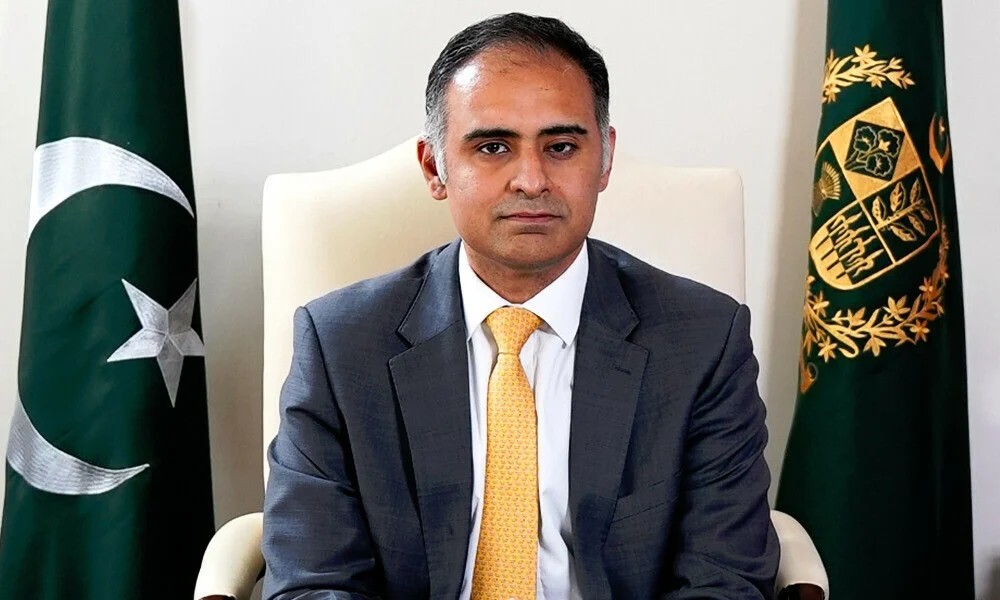
The meeting, chaired by Minister of State for Finance and Railways Bilal Azhar Kayani, focused on the scheme’s progress and addressed various concerns raised by shopkeepers. Officials reported that out of the total registrants, 1,929 shopkeepers are entering the tax system for the first time, while 428 had previously filed their tax returns. The scheme has attracted participants from both small towns and major urban centers, indicating a broad-based interest in the initiative.
Minister Kayani emphasized the scheme’s uniqueness, noting that it is specifically tailored for shopkeepers, unlike any other business segment. He instructed the Federal Board of Revenue (FBR) to swiftly resolve technical issues highlighted by shopkeepers and legal representatives, and to expedite the provision of FBR plates to those who have filed their returns. “The Asan Tax Scheme is a unique facility designed specifically for shopkeepers and not available to any other business segment,” he stated, encouraging further participation.
The meeting also resolved to maintain daily communication between traders and FBR officials to ensure smooth implementation and enhance collaboration with tax bars and legal advisors. An Urdu-language information booklet has been distributed to guide shopkeepers on the new scheme, detailing the return-filing process and penalties for non-compliance.
Penalties for failing to pay taxes under the Asan Tax Scheme or through the regular procedure after the deadline were outlined: Rs10,000 in the first month, Rs25,000 in the second, and Rs50,000 in the third month. Trader representatives, including Ajmal Baloch and Kashif Chaudhry, expressed their support for the scheme, acknowledging it as a positive step, though they noted that awareness among shopkeepers would require time to develop.
Background
The Asan Tax Scheme was launched as part of Pakistan’s broader efforts to increase tax compliance and revenue collection. Historically, Pakistan has faced challenges in expanding its tax base, with a significant portion of the economy operating informally. The government has introduced various measures over the years to encourage formalization and compliance, with mixed results.
The scheme is part of a larger strategic transformation within the FBR, aimed at simplifying tax procedures and reducing the burden on small businesses. By targeting shopkeepers, who often operate outside the formal tax system, the government hopes to capture a larger share of economic activity and improve fiscal stability.
Why It Matters
The successful implementation of the Asan Tax Scheme holds significant implications for Pakistan’s economic landscape. By bringing nearly 10,000 shopkeepers into the tax net, the government is taking a crucial step towards formalizing the economy, which is essential for sustainable economic growth. This initiative is expected to increase tax revenues, thereby providing the government with additional resources to invest in public services and infrastructure.
Economically, the scheme could lead to a more equitable distribution of the tax burden, as more businesses contribute to the national exchequer. Socially, it may encourage a culture of compliance and transparency, reducing the prevalence of tax evasion and fostering trust in governmental institutions.
Politically, the scheme’s success could bolster the government’s credibility and demonstrate its commitment to reforming the tax system. Internationally, a broader tax base could improve Pakistan’s standing with financial institutions and investors, potentially leading to more favorable terms for loans and investments.
Key Takeaways
- Nearly 10,000 shopkeepers have registered for the Asan Tax Scheme within the first month.
- The scheme aims to simplify tax compliance for shopkeepers, encouraging formalization.
- Penalties for non-compliance are structured to incentivize timely tax payments.
- Daily communication between traders and FBR officials is planned to facilitate implementation.
- The scheme could enhance Pakistan’s fiscal stability and international economic standing.
Source Attribution
This article is based on official government statements, press releases, and public communications from relevant authorities.