
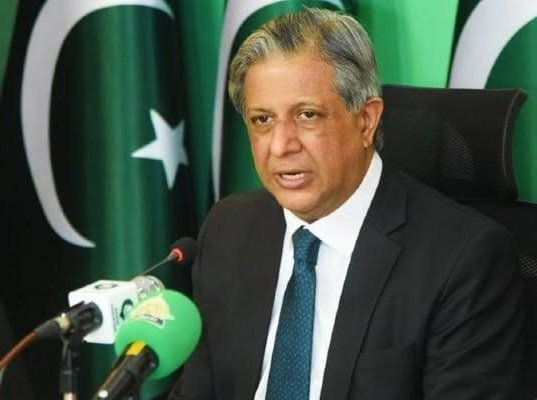
ISLAMABAD — Federal Minister for Human Rights Senator Azam Nazeer Tarar delivered a heartfelt message on World Humanitarian Day, emphasizing the invaluable contributions of humanitarian and aid workers globally. The minister’s remarks, made on August 19, 2023, highlighted the courage and dedication of those who operate in challenging and often perilous environments to provide relief and support to those in need.
What Happened
On the occasion of World Humanitarian Day, Senator Azam Nazeer Tarar acknowledged the relentless efforts of humanitarian workers who risk their lives to assist communities affected by crises. In his message, he stated, “The selfless services of humanitarian workers in difficult and dangerous circumstances are commendable and deserve our utmost respect and gratitude.” The minister’s statement was part of a broader effort to recognize the sacrifices and commitment of these individuals who often work under extreme conditions to deliver aid and support.
The minister also underscored the importance of international cooperation in addressing humanitarian challenges. He called for increased support and protection for aid workers, noting that their safety is paramount to ensuring the effective delivery of humanitarian assistance. “We must ensure that humanitarian workers are provided with the necessary resources and protection to carry out their vital work,” he added.
Background
World Humanitarian Day, observed annually on August 19, was established by the United Nations General Assembly in 2008 to honor humanitarian personnel who have lost their lives or been injured in the course of their work. The day also seeks to raise awareness about the ongoing humanitarian needs worldwide and the importance of international solidarity in addressing these challenges.
In recent years, humanitarian workers have faced increasing risks, including targeted attacks and natural disasters. The COVID-19 pandemic has further complicated their efforts, with aid workers having to navigate health risks while continuing to provide essential services. Pakistan, like many other countries, has been a beneficiary of international humanitarian aid, particularly in response to natural disasters and health emergencies.
Why It Matters
The recognition of humanitarian workers is crucial in highlighting the challenges they face and the critical role they play in global relief efforts. In Pakistan, humanitarian aid has been instrumental in responding to various crises, including floods, earthquakes, and health emergencies. The acknowledgment from high-level officials like Senator Tarar not only boosts the morale of aid workers but also draws attention to the need for sustained support and protection for these individuals.
Economically, humanitarian aid contributes significantly to the recovery and development of affected regions. It provides immediate relief and supports long-term rebuilding efforts, which are essential for stabilizing communities and fostering resilience. The minister’s call for increased international cooperation aligns with global efforts to enhance the effectiveness and reach of humanitarian interventions.
Politically, the support for humanitarian workers reflects Pakistan’s commitment to international humanitarian principles and its role in global relief efforts. By advocating for the safety and well-being of aid workers, Pakistan reinforces its position as a responsible member of the international community, dedicated to upholding human rights and humanitarian values.
Key Takeaways
- Federal Minister for Human Rights Senator Azam Nazeer Tarar paid tribute to humanitarian workers on World Humanitarian Day.
- The minister emphasized the need for increased support and protection for aid workers globally.
- World Humanitarian Day is observed on August 19 to honor humanitarian personnel and raise awareness of global humanitarian needs.
- Humanitarian aid plays a significant role in Pakistan’s response to natural disasters and health emergencies.
- Pakistan’s recognition of aid workers underscores its commitment to international humanitarian principles.
Source Attribution
This article is based on official government statements and public communications from relevant authorities.














