
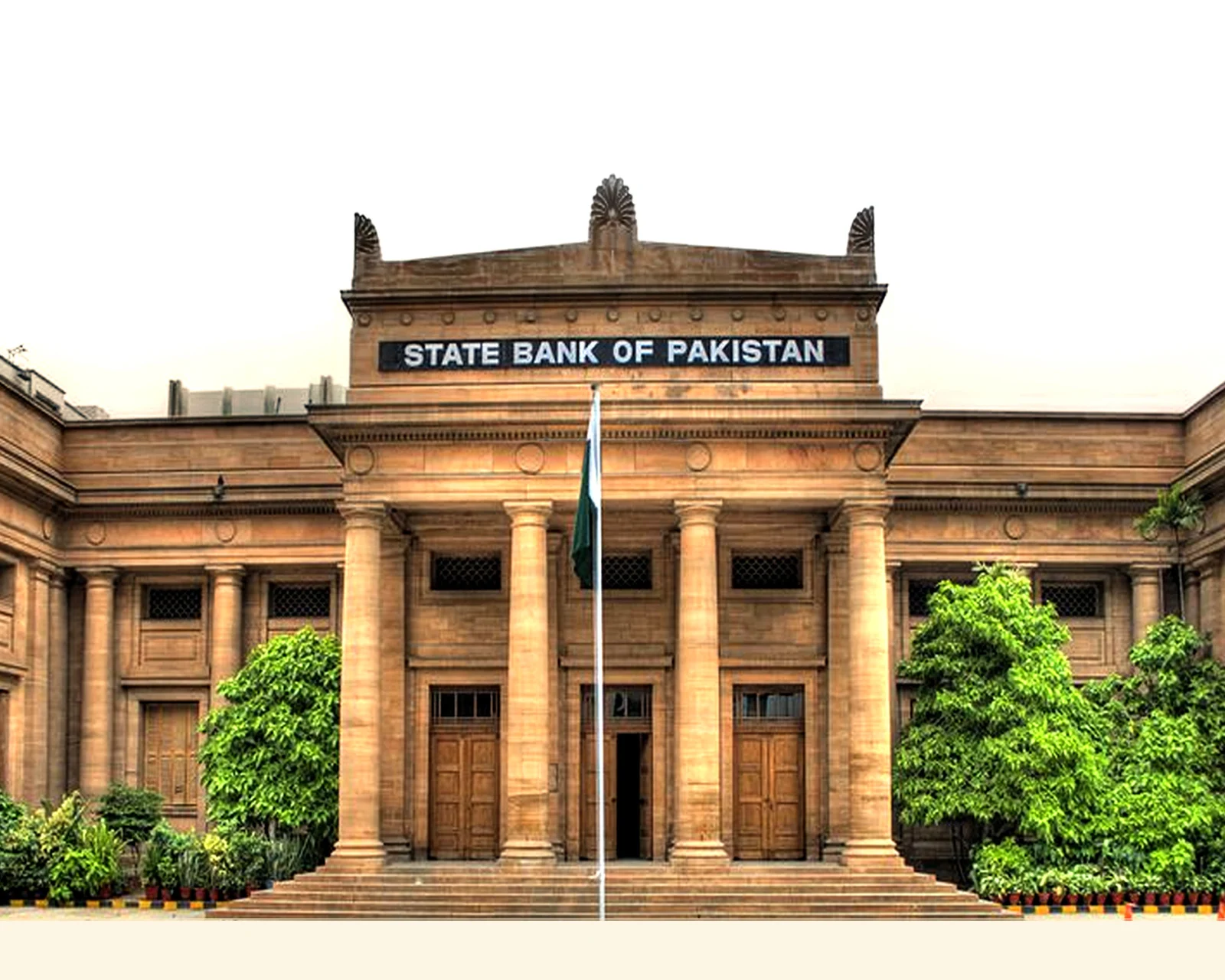
ISLAMABAD — The State Bank of Pakistan (SBP) has injected Rs 2,850.55 billion into the financial market on Friday. This substantial infusion was executed through Reverse Repo Purchase and Shariah Compliant Mudarabah based Open Market Operations (OMO) to ensure adequate liquidity within the banking system.
What Happened
The State Bank of Pakistan took a decisive step to inject Rs 2,850.55 billion into the market, aiming to stabilize liquidity levels among financial institutions. This measure was carried out through two primary mechanisms: Reverse Repo Purchase and Shariah Compliant Mudarabah based Open Market Operations. The decision to inject such a significant amount underscores the central bank’s commitment to maintaining financial stability and supporting economic activity amid fluctuating market conditions.
According to the SBP, the Reverse Repo Purchase mechanism allows the central bank to provide short-term loans to commercial banks in exchange for government securities. This helps banks manage their liquidity needs effectively, ensuring they have sufficient funds to meet their daily operational requirements. The Shariah Compliant Mudarabah based OMO, on the other hand, aligns with Islamic banking principles, offering an alternative to conventional interest-based transactions.
The SBP’s intervention comes at a time when the banking sector is navigating through a challenging economic environment, characterized by inflationary pressures and fluctuating interest rates. By injecting liquidity, the SBP aims to facilitate smoother financial operations and prevent any potential liquidity crunch that could hinder economic growth.
Background
The State Bank of Pakistan regularly engages in Open Market Operations as part of its monetary policy toolkit to manage liquidity in the banking system. These operations are crucial for controlling short-term interest rates and ensuring that the financial system operates smoothly. In recent years, Pakistan’s economy has faced various challenges, including rising inflation, a widening fiscal deficit, and external debt obligations, which have put pressure on the central bank to adopt proactive measures to stabilize the financial system.
Historically, the SBP has utilized both conventional and Islamic financial instruments to address liquidity issues, reflecting the diverse nature of Pakistan’s banking sector. The use of Shariah Compliant Mudarabah based operations highlights the central bank’s commitment to catering to the needs of Islamic financial institutions, which constitute a significant portion of the country’s banking landscape.
Why It Matters
The SBP’s decision to inject Rs 2.85 trillion into the market carries significant implications for Pakistan’s economy. Firstly, it provides much-needed liquidity to banks, enabling them to continue lending to businesses and consumers. This is particularly important in the current economic climate, where access to credit is vital for sustaining business operations and promoting economic growth.
Moreover, by stabilizing liquidity levels, the SBP helps to prevent potential disruptions in the financial system that could arise from liquidity shortages. Such disruptions could lead to increased borrowing costs and reduced access to credit, which would negatively impact businesses and consumers alike.
On a broader scale, the SBP’s actions reflect its commitment to maintaining financial stability and supporting the government’s economic objectives. By ensuring that banks have sufficient liquidity, the central bank is playing a crucial role in fostering an environment conducive to economic recovery and growth.
Additionally, the use of Shariah Compliant Mudarabah based operations underscores the importance of Islamic finance in Pakistan’s banking sector. This approach not only supports the liquidity needs of Islamic banks but also aligns with the preferences of a significant portion of the population, thereby enhancing financial inclusion.
Key Takeaways
- The State Bank of Pakistan injected Rs 2,850.55 billion to stabilize market liquidity.
- The intervention was executed through Reverse Repo Purchase and Shariah Compliant Mudarabah based Open Market Operations.
- This move aims to ensure adequate liquidity within the banking system amid economic challenges.
- The SBP’s action supports financial stability and aligns with both conventional and Islamic banking needs.
- Maintaining liquidity is crucial for economic growth and preventing financial disruptions.
Source Attribution
This article is based on official government statements, press releases, and public communications from relevant authorities.














