
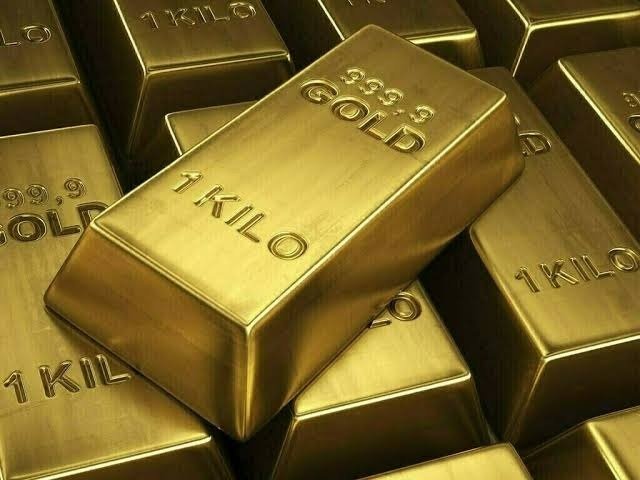
ISLAMABAD — The price of gold in Pakistan experienced a significant surge on Friday, with the cost of 24-karat gold increasing by Rs5,200 to reach Rs477,136 per tola. This sharp rise was reported by the All Pakistan Sarafa Gems and Jewellers Association, reflecting ongoing trends in the global precious metals market.
What Happened
The All Pakistan Sarafa Gems and Jewellers Association announced that the price of 24-karat gold saw an increase of Rs5,200 per tola, bringing the new price to Rs477,136. This increase is attributed to fluctuations in the international gold market, where prices have been volatile due to various economic factors. The association’s report highlights that the local gold market is closely tied to international trends, and any changes in global prices are quickly reflected in the domestic market.
According to market analysts, several factors have contributed to the recent surge in gold prices. These include geopolitical tensions, inflationary pressures, and changes in currency exchange rates. Gold is often seen as a safe-haven asset, and its demand typically rises during times of economic uncertainty. The current global economic climate, marked by rising inflation and geopolitical instability, has led investors to turn to gold as a means of preserving wealth.
The increase in gold prices is also linked to the depreciation of the Pakistani rupee against the US dollar. As the rupee weakens, the cost of importing gold increases, leading to higher prices in the local market. This trend has been observed over the past few months, with the rupee facing pressure due to economic challenges and external debt obligations.
Background
Historically, gold prices in Pakistan have been influenced by both domestic and international factors. The country’s gold market is primarily driven by consumer demand, particularly during the wedding season and religious festivals. Additionally, gold serves as a traditional store of value in Pakistani households, making it a popular investment choice.
In recent years, the global gold market has been affected by various economic and political developments. The COVID-19 pandemic, for instance, led to a surge in gold prices as investors sought safe-haven assets amid economic uncertainty. Similarly, ongoing geopolitical tensions, such as those involving major economies, have contributed to fluctuations in gold prices.
Why It Matters
The rise in gold prices has significant implications for the Pakistani economy and its citizens. For consumers, higher gold prices mean increased costs for jewelry and other gold-related products, which are an integral part of cultural and social practices in Pakistan. This can affect consumer spending and impact the overall demand for gold in the market.
From an economic perspective, the increase in gold prices can exacerbate inflationary pressures. As the cost of gold rises, it can lead to higher prices for goods and services, contributing to overall inflation. This can pose challenges for policymakers who are already grappling with economic stability and growth issues.
On the international front, the rise in gold prices reflects broader economic trends and uncertainties. It highlights the interconnectedness of global markets and the impact of international developments on domestic economies. For Pakistan, this underscores the need for strategic economic planning and diversification to mitigate the effects of external shocks.
Key Takeaways
- The price of 24-karat gold in Pakistan increased by Rs5,200, reaching Rs477,136 per tola.
- Global economic factors, including inflation and geopolitical tensions, are driving the rise in gold prices.
- The depreciation of the Pakistani rupee against the US dollar has contributed to higher local gold prices.
- Higher gold prices impact consumer spending and can exacerbate inflationary pressures in Pakistan.
- The situation underscores the need for strategic economic planning to address external economic challenges.
Source Attribution
This article is based on official statements from the All Pakistan Sarafa Gems and Jewellers Association and public communications from relevant authorities.














