
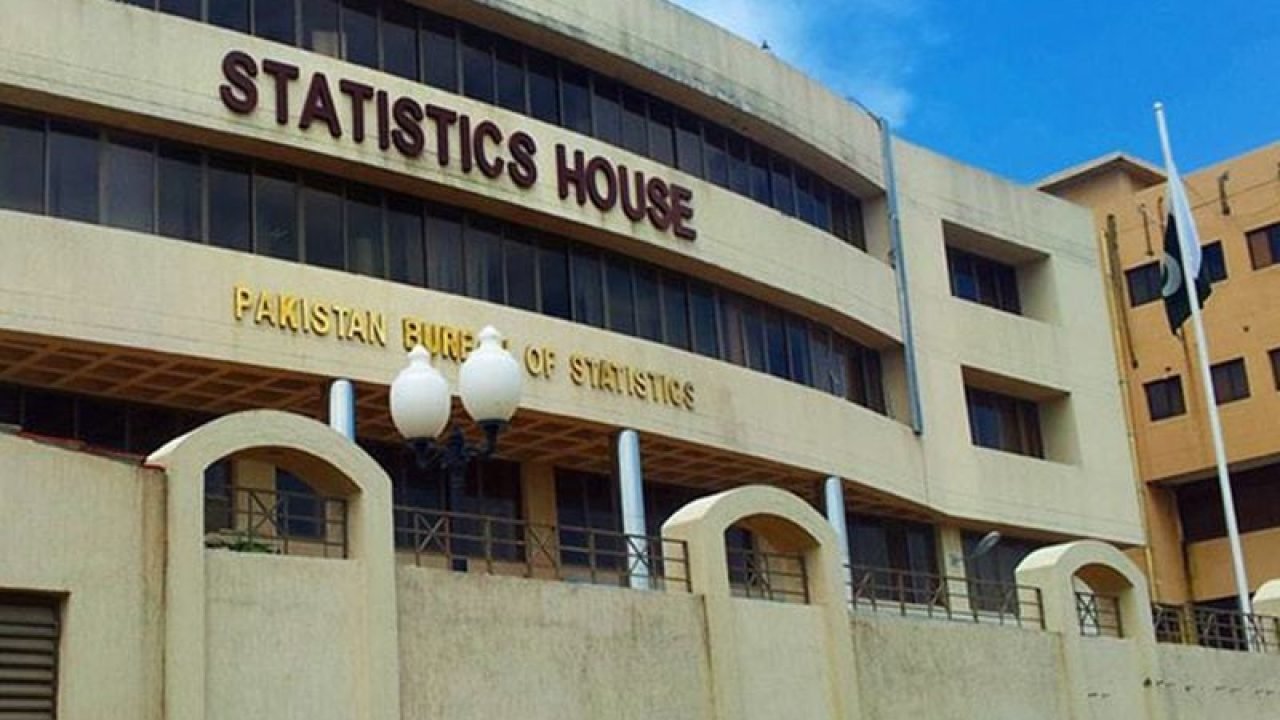
ISLAMABAD — The Pakistan Bureau of Statistics (PBS) reported a 0.49 percent increase in the Sensitive Price Indicator (SPI)-based weekly inflation for the week ending August 20, 2026. This rise affects the combined consumption group across the country, highlighting ongoing economic challenges.
What Happened
The latest figures from the Pakistan Bureau of Statistics indicate a continued upward trend in weekly inflation, with the SPI increasing by 0.49 percent. This data was released on Friday, August 20, 2026, and reflects the price changes of essential commodities impacting the average consumer. The SPI is a crucial measure as it tracks the price movement of 51 essential items, including food, fuel, and utilities, which significantly affect the cost of living for ordinary citizens.
According to the PBS, several items contributed to the inflationary pressure. Notably, the prices of tomatoes, onions, and chicken saw significant hikes. Tomatoes, in particular, experienced a sharp increase, which is attributed to seasonal supply shortages. Additionally, the cost of electricity also rose, further straining household budgets.
The PBS report also highlighted that while some items saw price increases, others experienced a decrease. For instance, the prices of pulses and certain vegetables showed a downward trend, offering slight relief to consumers. Despite these reductions, the overall impact remained an increase in the SPI, reflecting the broader inflationary trend in the economy.
Background
Pakistan has been grappling with inflationary pressures for several years, driven by various factors including currency depreciation, global commodity price fluctuations, and domestic supply chain disruptions. The Sensitive Price Indicator is a critical tool used by the government to monitor and manage inflation, especially as it affects the most vulnerable segments of the population.
Historically, inflation in Pakistan has been influenced by both external and internal factors. The country’s reliance on imported goods means that global price changes can have a direct impact on domestic markets. Additionally, local issues such as agricultural productivity, energy supply, and policy decisions also play significant roles in shaping inflation trends.
Why It Matters
The increase in weekly inflation has significant implications for both the economy and the everyday lives of Pakistani citizens. Economically, rising inflation can erode purchasing power, leading to decreased consumer spending and potential slowdowns in economic growth. For policymakers, managing inflation is crucial to maintaining economic stability and ensuring that the cost of living does not become prohibitively high for the average citizen.
Socially, inflation disproportionately affects low-income households, who spend a larger portion of their income on essential goods. As prices rise, these households may struggle to afford basic necessities, leading to increased financial stress and potential social unrest. The government must address these challenges through targeted interventions, such as subsidies or price controls, to mitigate the impact on vulnerable populations.
Internationally, persistent inflation can affect Pakistan’s economic reputation, influencing foreign investment and trade relations. Investors may be wary of entering markets with high inflation rates, fearing instability and reduced returns. Thus, controlling inflation is not only a domestic priority but also a critical component of Pakistan’s broader economic strategy.
Key Takeaways
- The Sensitive Price Indicator (SPI) for Pakistan increased by 0.49 percent for the week ending August 20, 2026.
- Key contributors to the inflation rise include higher prices of tomatoes, onions, and electricity.
- Inflation impacts low-income households the most, affecting their ability to purchase essential goods.
- Managing inflation is crucial for economic stability and maintaining consumer purchasing power.
- Persistent inflation could impact Pakistan’s international economic relations and investment prospects.
Source Attribution
This article is based on official statements and data released by the Pakistan Bureau of Statistics and other relevant authorities.














