Business

Business – NEN Agency

Welcome to the Business section of NEN Agency, where we decode Pakistan’s economy, spotlight entrepreneurs, and track global market trends. From corporate boardrooms to small-town startups, our coverage connects you to the decisions, deals, and developments shaping financial life in Pakistan and beyond.

Inside This Category

  • Pakistan Economy: Government policies, taxation, inflation, trade, and growth indicators.

  • Startups & SMEs: Success stories of Pakistani entrepreneurs and innovative ventures.

  • Stock Market & Finance: Updates on PSX, forex, banking, and financial literacy.

  • Global Business: Trends from international markets, MNC activities, and economic events.

Why Our Business Coverage Stands Out
We don’t just report the numbers — we explain what they mean for you. Our team digs deeper into the “why” behind every headline, giving readers the context they need to make informed decisions.

Business

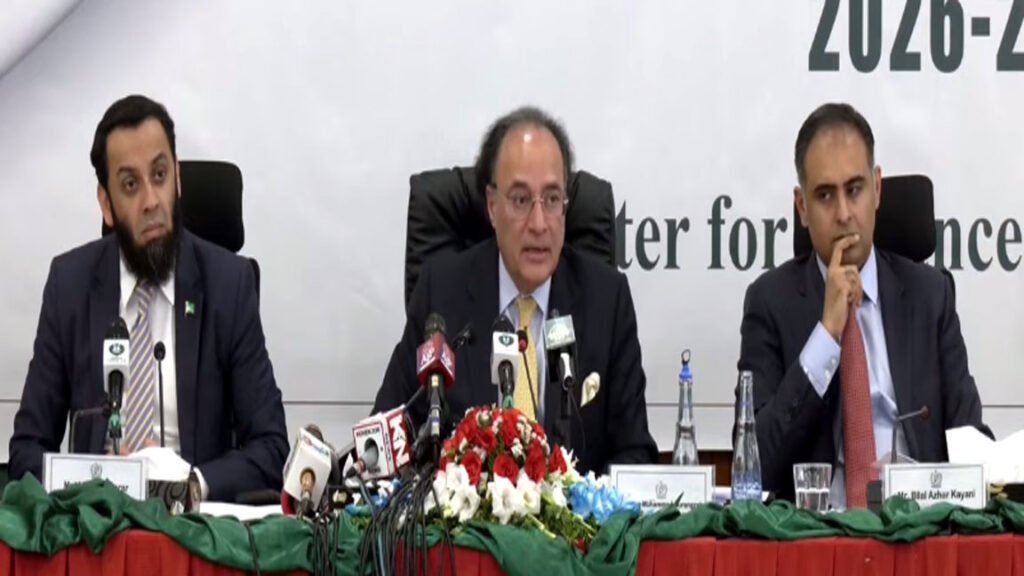
Finance Minister Aurangzeb Launches Pakistan Economic Survey 2025-26

ISLAMABAD — Finance Minister Senator Muhammad Aurangzeb formally launched the Pakistan Economic Survey 2025-26 on Monday. This comprehensive document reviews the nation’s economic performance in anticipation of the federal budget announcement. Overview of the Pakistan Economic Survey The Pakistan Economic Survey, released annually by the Ministry of Finance, provides an extensive analysis of macroeconomic indicators and sectoral performances for the fiscal year. It is a vital resource for policymakers, economists, and investors, offering data-driven insights into Pakistan’s economic health and development. Key Economic Indicators The 2025-26 survey highlights developments in major economic sectors and examines critical areas affecting Pakistan’s financial landscape. These insights are crucial for understanding the country’s economic direction. Core Economic Metrics GDP growth and economic expansion metrics Inflation rates and stability measures Trade balance and export performance data Investment trends and financial sector indicators Revenue collection and fiscal performance analysis Budget Planning and Economic Strategy The survey lays the groundwork for fiscal decision-making in the upcoming budget, offering empirical support for economic policies and proposals. It aids in setting economic priorities and targets for the next fiscal year, relying on current metrics and projected growth. Finance Minister Aurangzeb will leverage the survey’s findings to shape Pakistan’s economic strategy for 2025-26. The insights will guide policy decisions concerning investment, trade, and revenue generation.

Business

PML-N Lawmaker Pledges Relief-Oriented Budget for Low-Income Groups

ISLAMABAD — Member of the National Assembly, Syeda Nosheen Iftikhar, has announced a federal budget plan focused on providing relief to low-income groups. The government aims to protect ordinary citizens from additional financial burdens. Targeting Economic Vulnerability The Pakistan Muslim League-Nawaz legislator emphasized that the budget aligns with Prime Minister Muhammad Shehbaz Sharif’s vision. It primarily seeks to safeguard economically vulnerable sectors of society amid rising costs affecting low-income segments. Key Economic Pressures Challenges Affecting Households Persistent inflation eroding purchasing power Rising household expenses on essential goods Limited income growth for vulnerable populations Balancing Fiscal Constraints and Social Protection Pakistan faces economic challenges, with high inflation increasing fiscal constraints. The government must achieve revenue targets while minimizing the impact on lower-income households. This balance is vital, especially under the IMF program. Budget Shaped by Economic Pressures Pakistan’s fiscal policy must address various demands, making revenue generation crucial for economic stability and meeting international obligations. The budget aims to support vulnerable groups while adhering to international financial commitments. There is significant anticipation for relief measures to aid low-income communities.

Business

Pakistan, Kazakhstan Pledge to Deepen Trade and Industrial Ties

Pakistan and Kazakhstan have committed to enhancing industrial cooperation, economic development, and bilateral trade following high-level discussions in Islamabad on Thursday. Strengthening Economic Bonds In a pivotal meeting for advancing Pakistan’s economic diplomacy, Haroon Akhtar Khan, Special Assistant to the Prime Minister on Industries and Production, met with Yerzhan Kistafin, Kazakhstan’s Ambassador to Pakistan. These discussions explored new opportunities to expand bilateral relations and identify untapped potential for economic cooperation across various sectors. Key Areas of Cooperation The two countries are focused on deepening engagement in multiple sectors to benefit both economies. Priority sectors for cooperation include: Industrial cooperation initiatives Economic development partnerships Expansion of bilateral trade Formalizing the Trade Framework Although specific initiatives or formal agreements were not immediately disclosed, officials indicated that technical details are being finalized. Further announcements are anticipated as both countries work to establish cooperation frameworks. This marks significant progress in strengthening Pakistan’s trade relationships in Central Asia. The agreement underscores Pakistan’s efforts to broaden economic partnerships beyond traditional markets and diversify its trade portfolio.

Business

Pakistan Ambassador Inaugurates Joint Research Centre in Shenyang

BEIJING — Between June 8 and 10, Khalil Hashmi, Pakistan’s Ambassador to China, made a strategic visit to Shenyang, the capital of Liaoning province in northeastern China. The visit aimed to strengthen educational and economic ties between Pakistan and China. Inauguration of the Joint Research Centre During his visit, Ambassador Hashmi inaugurated the Pakistan-China Joint Research Centre at Shenyang University of Chemical Technology. This newly established facility marks a significant milestone in academic collaboration between the two nations. The centre is set to support joint projects involving chemical technology, industrial research, and innovation. This initiative plays a crucial role in advancing the Pakistan-China trade partnership and enhancing knowledge exchange. Exploring Investment Opportunities Liaoning province, an industrial hub in China’s northeast, presents substantial opportunities for Pakistani businesses and institutions. These prospects align with Pakistan’s economic priorities in key sectors. Pakistani enterprises are encouraged to explore partnerships in various sectors, including: Manufacturing and industrial production Technology transfer and innovation Research and development collaboration Export-oriented joint ventures Enhancing Bilateral Trade The ambassador’s visit underscores the commitment to expanding economic collaboration between Pakistan and China. This effort strengthens the broader framework of bilateral trade relations and investment cooperation. The joint research centre is poised to serve as a platform for Pakistani students, researchers, and businesses, granting access to Chinese expertise and market opportunities. This facility encourages technology partnerships that have the potential to boost Pakistan’s industrial growth, enhance export capabilities in manufacturing, and increase revenue through bilateral economic cooperation.

Business

NBP Issues Major Currency Buying and Selling Rates

KARACHI — The National Bank of Pakistan (NBP) has announced the latest official buying and selling rates for major currencies, a key update for Pakistan’s foreign exchange market and banking sector. US Dollar Exchange Rate According to NBP’s daily currency bulletin, the selling rate of the US dollar is set at 280.14 PKR. This rate is pivotal for transactions in Pakistan’s banking sector. Updated daily, these rates mirror market changes, setting an official standard for forex operations. Purpose of NBP Currency Rates NBP provides these rates to facilitate interbank and retail foreign exchange transactions across Pakistan. Key market players reliant on these official rates include: Commercial banks conducting forex operations Licensed money changers Businesses involved in international trade Impact on the Foreign Exchange Market Daily rates from NBP are crucial for transparency and standardizing currency exchange. Financial institutions and traders rely on these updates to stay aligned with global trends and market conditions. These official rates ensure stability in Pakistan’s foreign exchange market, serving as a dependable benchmark for international trade and financial transactions.

Business

National Assembly Repeals PIA Corporation Act After Privatisation

ISLAMABAD — The National Assembly has passed a decisive bill repealing the Pakistan International Airlines Corporation Act of 2026. This legislative action completes the transition of Pakistan International Airlines (PIA) to private ownership following a competitive bidding process. Role of Defence Minister in Privatisation Federal Defence Minister Khawaja Muhammad Asif presented the privatisation bill in parliament. The bill signifies the full transfer of PIA’s operational control to private entities. This marks a major policy shift, underscoring the government’s dedication to economic restructuring by privatising state-owned enterprises. Economic Impact of PIA Privatisation The privatisation of PIA represents a critical economic policy initiative within Pakistan’s aviation industry. This transition aims to enhance the airline’s operational efficiency and financial stability. Experts anticipate improvements in service delivery and increased regional market competitiveness. Shifting to private ownership is also expected to reduce the financial burden on Pakistan’s economy. Changes in Ownership Structure The repeal serves as the final legal step in the PIA privatisation process, dissolving the previous legislative framework managing it as a public entity. Significant changes under the new private ownership include: Complete transfer of operational control to private management Conclusion of government ownership Removal of statutory obligations from state ownership Adoption of a new corporate governance framework governed by private sector standards Continuing Aviation Sector Reforms Parliament has formally ceased state ownership of Pakistan’s national airline, now fully under private management. This effort is part of the government’s broader economic restructuring strategy to boost investment, enhance efficiency, and strengthen competitiveness in Pakistan’s aviation sector.

Business

Government Targets Salaried Class Relief, Export Growth in Upcoming Budget

ISLAMABAD — The government is set to provide significant relief for salaried workers and enhance export incentives in the upcoming fiscal budget. This was announced by Rana Ihsan Afzal Khan, the Prime Minister’s Coordinator on Commerce, on Thursday. Economic Stability and Growth Focus Rana Ihsan stated that the economy has achieved stable footing, shifting focus towards sustainable growth through targeted fiscal measures. Following stabilization efforts, stakeholder feedback has been integrated into budget proposals, indicating a policy evolution. Relief for Salaried Workers Although specific tax relief details for the salaried class are yet to be disclosed, this group is a priority in pre-budget talks due to financial challenges. The government is committed to crafting comprehensive measures to ease these burdens. Key Proposed Relief Measures Reducing the tax burden on salaried employees Increasing disposable income for workers Addressing issues from rising living costs Export Incentives to Boost Trade and Revenue While specific export incentives are in discussion, both salaried workers and exporters are central to the budget. Enhancing export growth is vital for expanding revenue. The government intends to fortify Pakistan’s trade position with strategic fiscal measures in the forthcoming budget. The proposed budget outlines a dual strategy: providing domestic relief while fostering export-driven economic growth.

Business

Commerce Minister Pledges to Address Tobacco Industry Tax, Enforcement Concerns

Government Commitment to Reviewing Tobacco Tax Federal Minister for Commerce Jam Kamal Khan has committed to reviewing taxation and enforcement proposals for the tobacco industry. This initiative follows discussions with industry stakeholders in Islamabad. Minister Khan emphasized the importance of balancing revenue collection with legitimate business growth. He highlighted the need to strengthen Pakistan’s documented economy while evaluating the current tax framework’s effects on the sector. Industry Concerns About Illicit Trade The Pakistan Tobacco Company delegation raised concerns about existing tax policies. They argued that the current framework does not effectively address enforcement issues. Illicit cigarette trade undermines formal producers and severely reduces government revenue streams, according to the stakeholders. Effects of Illegal Trade on Market Conditions Inadequate enforcement creates unfair market conditions, industry stakeholders contend. Stronger measures are necessary to protect legitimate businesses from this unfair competition. Enhanced tax collection mechanisms are required to combat illegal activities, as current policies impose minimal consequences on illicit traders. Minister’s Economic Policy Initiatives Minister Jam Kamal has advocated for policies that address industry concerns while achieving economic goals. Key priorities include: Increasing investment in the formal sector to spur economic growth Promoting exports to improve the trade balance and foreign reserves Encouraging economic activity within the documented economy Strengthening enforcement mechanisms against illicit trade Consultative Policy Development Approach The government commits to engaging stakeholders before finalizing decisions. This ensures policies support both revenue collection and legitimate business operations. The Commerce Ministry plans to review industry proposals on tax structure and enforcement. Final recommendations will aim to align fiscal objectives with market realities, guaranteeing a fair playing field for all businesses.

Business

Pakistan Rupee Exchange Rates for June 11, 2026

KARACHI — The Financial Markets Association of Pakistan’s Exchange Rates Committee has released the official exchange rates bulletin, effective for transactions settled by June 15, 2026. US Dollar to Pakistani Rupee Rate The US dollar is set at 278.3225 Pakistani rupees for foreign currency forward cover deposits. This benchmark rate, established by the State Bank of Pakistan, guides foreign exchange operations within the banking sector, excluding FE-25 deposits. Interbank Exchange Rate Framework The bulletin specifies interbank exchange rates, standardizing them across all financial institutions in Pakistan. This structure ensures consistent pricing of foreign currency nationally within the banking sector. Importance for Trade and Investment These standardized rates are vital for various economic activities in Pakistan, including: International trade settlements Investment transactions Cross-border financial actions Consistent rates across Pakistan’s banking network enhance the efficiency of both trade and banking sectors.

Business

NBP Issues Official Exchange Rates for June 11

KARACHI — The Treasury Management Division of the National Bank of Pakistan (NBP) has issued the official exchange rates for Thursday, June 11. These forex benchmarks are crucial for businesses and financial institutions across the nation. Official Currency Rate Structure NBP’s exchange rates include telegraphic transfer (TT) selling and buying prices for major international currencies. The US dollar rate against the Pakistani rupee is a key reference for numerous financial operations. Impact on Business and Trade Daily forex benchmarks play a critical role in a variety of financial processes. They are vital for: Commercial banking transactions Trade settlements and import-export operations Corporate forex operations Investment and remittance calculations These rates enable accurate pricing in international trade, helping businesses manage currency risk effectively amid market volatility. Banking Sector’s Dependence on Daily Rates Specific rate details were unavailable at the time of writing. NEN Agency will provide updates once NBP’s Treasury Management Division confirms the figures. Daily forex rate announcements are vital to the functioning of Pakistan’s financial markets. They allow businesses to plan international transactions with reliability and precision. NBP’s exchange rates enhance transparency in currency trading, support economic stability within Pakistan’s banking sector, and facilitate smooth trade operations nationwide.

Scroll to Top