Business

Business – NEN Agency

Welcome to the Business section of NEN Agency, where we decode Pakistan’s economy, spotlight entrepreneurs, and track global market trends. From corporate boardrooms to small-town startups, our coverage connects you to the decisions, deals, and developments shaping financial life in Pakistan and beyond.

Inside This Category

  • Pakistan Economy: Government policies, taxation, inflation, trade, and growth indicators.

  • Startups & SMEs: Success stories of Pakistani entrepreneurs and innovative ventures.

  • Stock Market & Finance: Updates on PSX, forex, banking, and financial literacy.

  • Global Business: Trends from international markets, MNC activities, and economic events.

Why Our Business Coverage Stands Out
We don’t just report the numbers — we explain what they mean for you. Our team digs deeper into the “why” behind every headline, giving readers the context they need to make informed decisions.

Business

PMYP Introduces Interest-Free Loan Policy for Laptops

The Prime Minister’s Youth Programme (PMYP) has launched a new initiative offering interest-free loans for laptops. This initiative removes borrowing costs, making educational tools more accessible and aiding young learners across Pakistan who struggle to access technology. Loan Scheme Mechanics University and higher education students can now obtain laptops without financial stress. The interest-free loan structure alleviates the usual repayment pressures of educational financing, ensuring that financial barriers do not prevent students from acquiring essential technology. Enhancing Digital Access for Youth This initiative empowers youth by boosting their digital skills and technological literacy. This enhancement increases competitiveness in both academic and professional spheres. Government officials emphasize this program as a testament to Pakistan’s commitment to nationwide digital literacy, particularly in supporting students from lower-income backgrounds. PMYP Laptop Program Benefits The provision of laptops through interest-free loans offers numerous advantages to Pakistan’s education sector: Strengthens educational opportunities for underprivileged students Enhances skill development in digital competencies Improves access to online learning resources Increases job market competitiveness through technology familiarity Reduces financial strain on students and families Impact on Pakistan’s Economic Growth Warmly received by students and educational institutions, this initiative represents a crucial step toward a knowledge-based economy. By expanding digital access, the program aims to invest in Pakistan’s future economic growth, fostering innovation and technological advancements within the workforce.

Business

Ambassador Tipu Pays Tribute to Pakistan’s Founding Fathers in Tehran

ISLAMABAD, August 17, 2025 — Muhammad Mudassir Tipu, the Ambassador of Pakistan to Iran, paid tribute to Pakistan’s founding fathers during a ceremony at Pakistan House in Tehran. This event celebrated Independence Day and recognized military achievements, such as Marka-e-Haq and Operation Bunyan-um-Marsoos. Independence and Arbaeen Observance The Independence Day ceremony was rescheduled out of respect for the Arbaeen observance in Iran. This shift emphasizes the balance between national pride and religious respect in Pakistan-Iran relations. Members of the Pakistani community in Iran and embassy officials gathered at Pakistan House for the commemoration. Tribute to Pakistan Armed Forces Ambassador Tipu commended the dedication and bravery of Pakistan’s armed forces. He praised their vigilance in securing the nation’s borders and highlighted their critical role in the success of Marka-e-Haq in May 2025. Driving Bilateral Trade Growth Ambassador Tipu expressed gratitude to the Pakistani diaspora in Iran for their vital contributions to socio-economic collaboration, enhancing bilateral ties. Their efforts are key in promoting economic cooperation, trade expansion, and new investment initiatives. Pursuing a $10 Billion Trade Target In light of President Pezeshkian’s recent visit, Ambassador Tipu discussed the goal of elevating trade volume to $10 billion. He emphasized the significant role the Pakistani community plays in achieving this target. This trade growth highlights the strengthening Pakistan-Iran trade relationship, focusing on: Increasing exports between the nations Enhancing bilateral investment opportunities Generating revenue through expanded trade partnerships Strengthening financial cooperation Economic Progress Since Independence Reflecting on Pakistan’s progress since gaining independence, Ambassador Tipu acknowledged the numerous challenges overcome in the past decades. Despite these obstacles, Pakistan has emerged as a modern, progressive nation with significant global standing, driven by collective dedication and divine guidance.

Business

Large-Scale Manufacturing Sector Rises 4.14% in June 2025

ISLAMABAD, August 16, 2025 — Pakistan’s Large-Scale Manufacturing Industries (LSMI) saw a significant 4.14% year-on-year rise in June 2025, according to the Pakistan Bureau of Statistics (PBS). This growth signifies renewed vigor in the nation’s industrial sector. However, a 3.67% decline occurred month-on-month compared to May 2025, highlighting persistent volatility in Pakistan’s manufacturing sector. Annual Performance and Challenges From July 2024 to June 2025, LSMI output decreased by 0.74% compared to the previous fiscal year. This decline underscores ongoing challenges within Pakistan’s industrial framework. Despite June’s growth, overall annual performance was modest. Analysts attribute this to structural issues and market uncertainties impacting production capacity. Sectors Driving Growth Several industries contributed to the positive trend in large-scale manufacturing: Tobacco Textile Garments Petroleum Products Pharmaceuticals Automobiles Other Transport Equipment The textile and pharmaceutical sectors played pivotal roles in the June expansion, balancing declines in other manufacturing categories and providing necessary momentum. Sectors in Decline In contrast, several industrial segments experienced contraction, contributing to the overall annual downturn: Food Chemical Products Non-Metallic Mineral Products Iron & Steel Electrical Equipment Machinery & Equipment Furniture This mixed performance highlights the complex economic landscape faced by Pakistan’s manufacturing industries. Industrial participants grapple with challenging market conditions and policy hurdles that affect production output and investment decisions.

Business

KP Agriculture Officials Urge Investment in Date Palm Sector

Dera Ismail Khan, August 16, 2025 — A delegation from the Khyber Pakhtunkhwa Agriculture Extension Department visited the Agriculture Research Institute’s Food Technology Section in DI Khan, focusing on advancements in the date palm sector. Innovative Date Palm Technologies The delegation explored the institute’s research facilities and innovative technologies. It included Dr. Hanif Zahid Khattak, Director Plant Protection; Dr. Murad Ali Khan, Director Horticulture; and Dr. Muhammad Anwar Khan Bhittani, District Director Agriculture Extension. Dr. Shahzada Arshad Saleem Saddozai, PRO and Head of the Food Technology Section, discussed pioneering work in date palm fruit ripening and drying technologies. Efficiency with the Hybrid Solar Tunnel Dryer The research highlighted the Hybrid Solar Tunnel Dryer (STD), a local innovation reducing Dhakki date drying time to just 3–4 days. This significantly improves production efficiency and product quality. Currently, 47 STD units operate in villages, providing farmers with a dust-free, hygienic drying method essential during monsoon seasons. This reduces spoilage while enhancing commercial quality. Importance of Date Palm Investment Officials lauded the institute’s research capabilities and stressed the need for increased investment in date palm infrastructure and training. They advocated for strategic funding to support sustainable agricultural development. The delegation highlighted strengthening the date palm industry’s value chain to maximize economic potential and revenue growth for local farmers. Boosting Revenue through Exports The DI Khan Division is a leading Dhakki date producer. Traditional drying methods face weather-related challenges affecting quality and revenue. Innovations like the STD allow farmers to produce export-quality dates that comply with international standards, boosting Pakistan’s agricultural exports and creating sustainable revenue streams. Strategic Development Steps Key regional initiatives are vital to enhance the economic impact of the sector: Government-supported plantations Enhanced research facilities Cold-storage infrastructure development Market linkage programs for exports These investments will strengthen the value chain from production to international trade, supporting sustainable revenue for local farming communities.

Business, Economy, National News

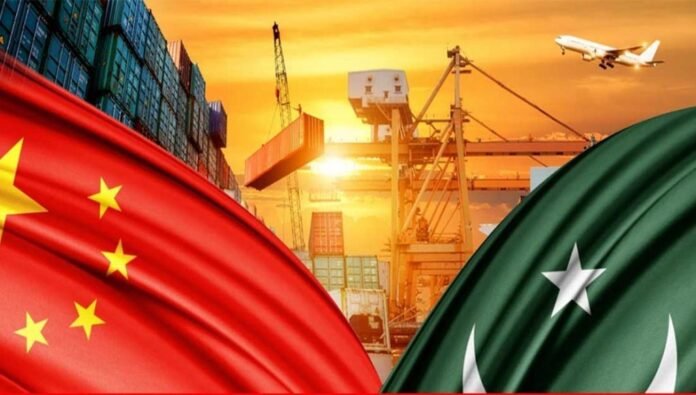
Prime Minister Launches Chinese Textile Group’s Economic Zone—$100M Investment Expected to Yield $400M in Exports

ISLAMABAD, August 15, 2025 — Prime Minister Shehbaz Sharif inaugurated a new Special Economic Zone developed by Challenge Fashion Private Limited, a Chinese garments group. This notable investment in the textile sector involves $100 million over five years, with forecasts predicting it will yield $400 million in exports. Major Textile Investment to Boost Export Growth Challenge Fashion Private Limited plans to invest $100 million over the next five years to establish the Special Economic Zone. This venture is anticipated to generate $400 million in export revenue, significantly enhancing Pakistan’s economy. Leading the delegation, Chairman Huwang Weiguo discussed the zone’s objectives, highlighting its potential for technology transfer, skills development, and sustainable industrial growth within Pakistan’s textile industry. Government Supports Manufacturing Expansion Prime Minister Sharif directed authorities to fully support Challenge Fashion. The government is committed to further developing the industrial aspect of the China-Pakistan Economic Corridor (CPEC). This project leverages China’s expertise in textile manufacturing and export competitiveness to strengthen Pakistan’s manufacturing base, aiming to establish the country as a regional textile hub. Strengthening Pakistan-China Trade Relations The prime minister lauded the Chinese partnership, noting the strong bilateral friendship between Pakistan and China. He announced an upcoming China-Pakistan Business-to-Business Conference in China to boost private-sector relations between the two nations. This strategic initiative seeks to attract further foreign investment to Pakistan’s manufacturing and export sectors. Key Attendees at the Ceremony Federal ministers in attendance showed their support for the inauguration: Ahsan Iqbal Jam Kamal Attaullah Tarar Ali Pervez Malik Sardar Awais Ahmad Leghari Special Assistant Tariq Fatemi Economic Zone Boosts Global Trade Position The Special Economic Zone marks a significant milestone in Pakistan’s economic growth efforts. It demonstrates the government’s commitment to fostering an investment-friendly environment for global businesses. This investment enhances Pakistan’s standing in global trade, strengthening the nation’s manufacturing capabilities and export potential in an increasingly competitive international market.

Business

PM Shehbaz Directs Timely Completion of Islamabad Technology Park

Islamabad, August 14, 2025 — Prime Minister Muhammad Shehbaz Sharif recently inspected the progress of the Islamabad Technology Park. He expressed dissatisfaction with the project’s slow pace and ordered immediate measures to accelerate its construction. Advancing the Construction Timeline PM Shehbaz instructed authorities to hasten the construction process, stressing the importance of adhering to the original timeline. He highlighted the need to meet global standards with top-tier infrastructure and facilities. “All stakeholders must expedite efforts to complete the Technology Park at the earliest,” declared PM Shehbaz, emphasizing its crucial role in enhancing the IT sector, fostering job creation, and driving economic growth in Pakistan. Cutting-Edge Facilities The official briefing noted that the Islamabad Technology Park will feature advanced facilities, including two basement levels, a ground floor, and nine upper floors. Planned provisions include: Modern office spaces for IT companies A technology incubation center for startups A business support center Research and development laboratories A Level III data center An auditorium for conferences and events Parking facilities for 1,200 vehicles Fueling Employment and Economic Growth Officials highlighted that the Islamabad Technology Park is poised to create significant employment opportunities for Pakistan’s youth. This initiative aims to strengthen Pakistan’s competitive edge in the global IT market. The federal government anticipates that this facility will stimulate economic activity across multiple sectors and help bridge the digital divide nationwide. The Technology Park stands as a substantial investment in Pakistan’s digital infrastructure, acting as a catalyst for the growth of its IT sector.

Business

PM Shehbaz Welcomes Moody’s Upgrade of Pakistan’s Credit Rating to Caa1

Islamabad, 13 August 2025 — Prime Minister Muhammad Shehbaz Sharif expressed satisfaction with Moody’s decision to upgrade Pakistan’s credit rating from Caa2 to Caa1. The agency also revised Pakistan’s economic outlook from “positive” to “stable.” International Recognition of Economic Progress In a statement from the PM Office, the Prime Minister welcomed the credit rating upgrade and appreciated his economic team’s efforts in achieving this milestone. He stated that this upgraded rating reflects the progress of Pakistan’s economic policies. The government remains committed to further enhancing the country’s credit rating. Such positive international assessments strengthen investor confidence and support economic growth. A stable outlook signifies consistent improvement in Pakistan’s financial stability. Boost to Foreign Investment and Reduced Borrowing Costs The upgrade to Caa1 signals improved creditworthiness for Pakistan, indicating reduced default risk in international financial markets. This enhancement is expected to attract foreign investment and lower borrowing costs for the government globally. Lower borrowing costs enable Pakistan to access international capital more affordably, supporting infrastructure development and facilitating economic expansion. Understanding Moody’s Credit Rating System Moody’s credit ratings assess the debt obligations and performance of issuers. The ratings evaluate: Government debt obligations Corporate financial instruments Financial institutions across global markets These ratings help investors assess credit risk and make informed investment decisions. The Caa1 rating places Pakistan in the speculative grade category, showing improved prospects compared to the previous Caa2 designation.

Business

President for Boosting Economic, Connectivity Links with Azerbaijan

ISLAMABAD, August 13, 2025 (APP) — President Asif Ali Zardari reaffirmed Pakistan’s commitment to strengthening ties with Azerbaijan. These relations are founded on trust, shared values, and common goals. During a meeting at Aiwan-e-Sadr with Khazar Farhadov, Azerbaijan’s Ambassador to Pakistan, economic cooperation across various sectors was a key point of discussion. Expanding Trade and Investment Partnerships President Zardari identified Azerbaijan as a crucial partner in Pakistan’s economic growth. He highlighted the necessity to enhance cooperation to stimulate bilateral trade and investment. He noted several priority sectors for economic development: Trade expansion and improved market access Investment in strategic sectors Regional connectivity infrastructure projects Enhanced financial cooperation Boosted trade links and connectivity benefit both nations economically, contributing to prosperity and revenue growth in the region. Regional Connectivity and Direct Air Links President Zardari emphasized the significance of establishing direct air links between Pakistan and Azerbaijan to promote economic and cultural exchange. These direct flights facilitate cooperation in several areas: Trade and business partnerships Tourism and revenue generation People-to-people contacts Investment opportunities Such enhanced connectivity infrastructure solidifies the economic foundation for a long-term bilateral partnership. Regional Peace and Stability The President congratulated Azerbaijan on its historic peace agreement with Armenia, extending felicitations to President Ilham Aliyev and the Azerbaijani people. He expressed confidence that the agreement would foster enduring peace, enhancing regional stability and economic progress. Support for Kashmir Cause President Zardari thanked Azerbaijan for supporting the cause of Indian Illegally Occupied Jammu and Kashmir. He recognized Azerbaijan’s position as a valued member of the OIC Contact Group.

Business

Shehbaz Sharif Announces Bold Economic Recovery Plan 2025

Prime Minister Shehbaz Sharif announced Pakistan’s Economic Recovery Plan 2025 during a televised address on August 8, 2025. The comprehensive strategy targets financial stability and sustainable growth amid ongoing economic challenges. This plan presents a strategic blend of tax reforms, investment-friendly policies, and digital payment incentives to boost economic confidence and attract both local and international investors. “This plan is a roadmap to rebuild our economy on a solid foundation of fairness, technology, and transparency,” declared Shehbaz Sharif during his address. Key Features of the Economic Recovery Plan 2025 Tax Reform Package The government has implemented comprehensive tax reforms aimed at simplifying compliance and reducing business burdens. These reforms strive to create a transparent and efficient tax system that fosters investment. Simplifying tax filing for small and medium enterprises (SMEs) Reducing sales tax for digital enterprises to enhance technology use Introducing AI-powered audit systems to curb corruption and boost transparency Export Boosting Measures The plan supports Pakistan’s export competitiveness, particularly in the textile, agriculture, and IT sectors, to foster exports and revenue growth. Providing direct subsidies for textile, agriculture, and IT exports Fast-tracking loan approvals for export-oriented industries Establishing trade offices in the Gulf, China, and Central Asia to expand market access Digital Economy Promotion The recovery plan prioritizes digital payment infrastructure, recognizing the importance of financial digitization. It aims to modernize Pakistan’s banking sector and decrease cash dependency. Waiving transaction charges for small-scale digital payments Expanding the Raast digital payment network to rural areas Providing financial incentives for fintech startups and online freelancers Economic Challenges Addressed The Prime Minister acknowledged the prevailing economic challenges that necessitate this recovery plan. Pakistan currently faces soaring inflation above 20%, low foreign exchange reserves, and declining foreign direct investment (FDI). Shehbaz Sharif reassured the public that this multi-phase plan will stabilize prices and strengthen the rupee, projecting over 2 million new jobs by the end of 2026. International Response to the Recovery Plan International financial institutions, including the IMF and World Bank, have reacted cautiously yet optimistically. An IMF spokesperson described the Economic Recovery Plan 2025 as a “positive and necessary step.” The need for strong implementation and transparency was emphasized, with support from international lenders being crucial as Pakistan seeks economic stabilization. Public and Political Reaction The recovery plan has sparked mixed reactions within Pakistan’s political circles. Government allies have lauded it as “visionary” and vital for economic revival. However, the opposition has questioned its feasibility, criticizing the absence of clear funding sources. PTI spokesperson Fawad Chaudhry voiced these concerns.

Business

Petrol Prices Increased by Rs. 5.25 in Pakistan | New Rates Effective August 3

Islamabad, August 3, 2025 — The Government of Pakistan announced a petrol price increase of Rs. 5.25 per litre. Effective from midnight, the new price is now Rs. 305.12 per litre. This change, affecting millions nationwide, raises concerns about inflation and rising transportation costs. New Fuel Price Structure The Oil and Gas Regulatory Authority (OGRA) has revised fuel rates for major petroleum products. These adjustments reflect both international market fluctuations and exchange rate impacts on Pakistan’s energy sector. Petrol: Rs. 305.12 per litre (increase of Rs. 5.25) High-Speed Diesel (HSD): Rs. 312.87 per litre (increase of Rs. 4.80) Kerosene Oil: Rs. 212.44 per litre (increase of Rs. 3.10) Government’s Fiscal Policy Rationale The Ministry of Finance emphasized that this adjustment is essential to avoid subsidies and maintain fiscal stability. Rising global oil prices have significantly pressured the national budget, making prolonged subsidies unsustainable for Pakistan’s economic health. A spokesperson from the Petroleum Division noted, “We understand the burden on citizens, but the government cannot afford continuous subsidies that disrupt the national budget.” This decision aims to safeguard Pakistan’s fiscal position amid volatile international energy markets. Economic Impact and Public Response The fuel price hike has drawn criticism from opposition parties and civil society organizations. Critics argue that the increase will escalate inflation and raise transportation costs across the country. This ripple effect impacts everything from public transport fares to goods delivery, potentially raising the cost of living for average Pakistanis. This revision of petroleum rates coincides with Pakistan facing global economic pressures and efforts to stabilize its financial condition.

Scroll to Top