
Business

Business – NEN Agency

Welcome to the Business section of NEN Agency, where we decode Pakistan’s economy, spotlight entrepreneurs, and track global market trends. From corporate boardrooms to small-town startups, our coverage connects you to the decisions, deals, and developments shaping financial life in Pakistan and beyond.

Inside This Category

  • Pakistan Economy: Government policies, taxation, inflation, trade, and growth indicators.

  • Startups & SMEs: Success stories of Pakistani entrepreneurs and innovative ventures.

  • Stock Market & Finance: Updates on PSX, forex, banking, and financial literacy.

  • Global Business: Trends from international markets, MNC activities, and economic events.

Why Our Business Coverage Stands Out
We don’t just report the numbers — we explain what they mean for you. Our team digs deeper into the “why” behind every headline, giving readers the context they need to make informed decisions.

Business

Pakistan Calls for National Reconciliation in Divided Libya at UN

United Nations, August 22, 2025 – Pakistan has called for swift national reconciliation in Libya to strategically reinvest frozen assets. This initiative aims to boost Libya’s economic recovery and improve the well-being of its citizens. Ambassador Usman Jadoon, Pakistan’s deputy permanent representative to the UN, addressed the Security Council, advocating for peace and stability in this divided North African nation. Pathway to Political Reconciliation Ambassador Jadoon emphasized the urgent need for a clear timeline for political reconciliation and the organization of national elections. Libya remains divided between two rival governments nearly 15 years after Muammar Gaddafi’s regime ended. The Government of National Unity is based in Tripoli, while the Government of National Stability operates from Benghazi. Recently, municipal elections were successfully conducted in 26 regions, with another 37 expected to complete elections soon. Reinvestment of Frozen Assets The Pakistani envoy referred to a UNSMIL report highlighting security challenges and stalled reconciliation processes. The report urges immediate action on Libya’s fragile economic conditions. Pakistan stressed reinvesting Libya’s frozen assets to rebuild economic infrastructure, foster financial stability, and drive economic growth in crucial sectors. This strategy aims to enhance living standards and fortify financial systems. Roadmap for Economic Growth Pakistan is supporting UNSMIL’s efforts to unify Libya’s factions. Hannah Tetteh, head of UNSMIL, proposed a 12- to 18-month roadmap for Libya’s national reconciliation and economic rejuvenation. The roadmap’s core development pillars include: Establishing electoral frameworks for democratic governance Creating a unified governmental structure Ensuring inclusive participation by all Libyan stakeholders Encouraging inclusive economic growth and investment opportunities These efforts aim to restore political stability and accelerate the growth of economic infrastructure. The overarching focus is on laying a foundation for sustainable financial prosperity and market stability throughout Libya. Stay updated at nenagency.com.
Business

Rana Tanveer Hussain Meets Governor of Qom Province to Strengthen Agricultural Trade

ISLAMABAD, August 20, 2025 — Minister for National Food Security and Research, Rana Tanveer Hussain, met with Akbar Behnamjou, the Governor of Iran’s Qom Province, to enhance agricultural trade relations between Pakistan and Iran. This significant meeting reinforced historical ties and established major export commitments aimed at boosting trade volumes and exploring new market opportunities. Expanding Agricultural Export Markets The dialogue focused on leveraging mutual agricultural strengths to increase trade volumes and generate revenue growth. Pakistan plans to export high-quality rice, mangoes, maize, and halal meat to Iran. In exchange, Iran will supply saffron, pistachios, and dry fruits to Pakistan. The focus is on agricultural products with high regional demand. Enhancing Export Efficiency Through Infrastructure The two nations agreed on measures to bolster trade cooperation and cut operational costs, improving infrastructure to support larger export volumes and enhance competitiveness. Key initiatives include: Streamlining customs procedures for faster clearance Ensuring compliance with enhanced food safety protocols (SPS) Enhancing cold-chain logistics systems Expanding warehousing at border points These improvements aim to reduce trade barriers, preserve product quality, decrease spoilage, and enhance market competitiveness. Revenue Growth Through Major Export Commitments Iran has committed to significantly increase its purchases of Pakistani agricultural goods, intending to source up to 60% of its meat imports from Pakistan. This development presents substantial market opportunities for Pakistani exporters. Governor Behnamjou also promised to expedite mango export permits and increase rice purchases, offering significant revenue growth prospects for Pakistan’s agricultural sector. Strengthening Economic Relations Minister Rana Tanveer extended an invitation to Governor Behnamjou and Iranian agricultural experts to visit Pakistan. This invitation aims to foster stronger institutional cooperation and enhance people-to-people connections. Enhanced collaboration is expected to support long-term trade relationships and was described as a “pivotal step toward a sustainable agricultural alliance,” enhancing food security collaboration. The partnership is projected to benefit farmers, create employment, and drive economic growth in both countries, marking a significant milestone in regional economic cooperation.

Business

Construction Begins on China-Contracted Mieso–Dire Dawa Expressway in Eastern Ethiopia

ADDIS ABABA, August 20, 2025 — Construction has formally commenced on the Mieso–Dire Dawa Expressway, a major infrastructure investment in the Ethio–Djibouti Transport Corridor. Launched in Dire Dawa, this project aims to enhance regional connectivity and modernize transport networks. Infrastructure Investment and Project Scope Spanning 144 km, the expressway represents a substantial investment in Ethiopia’s transport sector. The project is planned in two phases over 48 months. Managed jointly by the China Civil Engineering Construction Corporation (CCECC) and the Sichuan Road and Bridge Group, this initiative is crucial for Ethiopia’s economic development strategy by strengthening trade connections and reducing business costs. Economic Growth and Development Impact According to Ethiopian Deputy Prime Minister Temesgen Tiruneh, roads are “critical driving forces for socioeconomic development.” Currently, over 90% of goods and people in Ethiopia rely on road transport. The new expressway will link the Oromia and Somali regions to Dire Dawa, fostering economic, social, and political integration. Enhanced connectivity is projected to create trade and investment opportunities, draw foreign investment, and strengthen links to international markets. Local Employment and Skills Development Chen Sichang, CCECC’s general manager, noted that 75% of workers will be recruited locally, offering significant job opportunities for Ethiopians. Additionally, a mentorship program led by Chinese engineers will develop Ethiopian expertise in advanced international engineering skills, supporting long-term capacity building. Regional Trade Corridor Enhancement The Mieso–Dire Dawa Expressway plays a pivotal role in the Ethio–Djibouti Transport Corridor by substantially reducing travel times to ports and boosting regional economic activities. The Ethiopian Roads Administration highlights the expressway’s importance in achieving the national goal of one-day travel from regional capitals to ports. Key Economic Benefits Reduced logistics costs for businesses Enhanced trade efficiency and export capabilities Support for Ethiopia’s economic growth objectives Improved access to international markets Increased revenue from improved trade routes This infrastructure project positions Ethiopia to solidify its role as a regional trade hub, providing a foundation for sustained economic growth and enhanced export competitiveness in East Africa.

Business

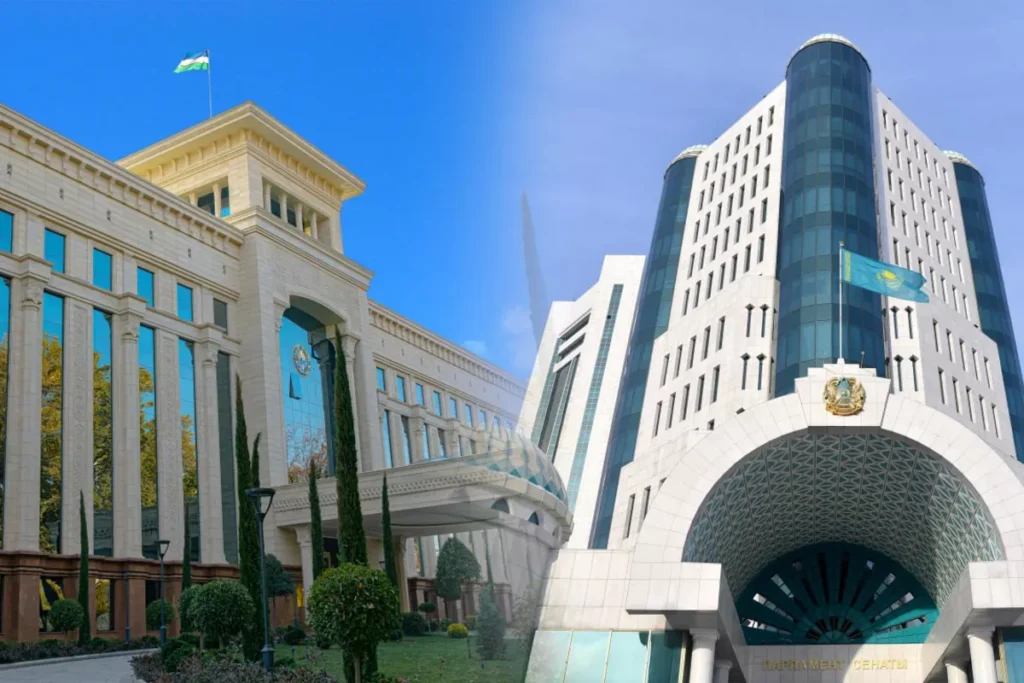
Kazakhstan’s Annual CPI Holds at 11.8% in July

ASTANA, August 19, 2025 — Kazakhstan’s annual Consumer Price Index (CPI) held steady at 11.8% in July, as reported by the National Bureau of Statistics. The persistent rate highlights ongoing price pressures within the economy. Food Price Inflation Accelerates Food prices surged in July, with year-on-year inflation rising to 11.2%, up from 10.6% in June. Regional Food Price Variations The increase in food prices varied across regions: Akmola region saw the highest rise at 14.0%. Almaty city had the smallest increase at 8.8%. The national average for food prices increased from 10.6% to 11.2%. Non-Food Prices Slightly Higher Non-food inflation edged up to 9.5%, from 9.4% in June. The Abai region saw a substantial rise at 12.2%, while Pavlodar region experienced a more modest increase at 7.0%, indicating economic disparities. Service Inflation Cools Notably In July, the inflation rate in paid services decreased to 14.9%, down from 16.1% the previous month. The Mangistau region recorded the lowest rate at 9.3%, highlighting regional pricing differences. Monthly CPI Increase Slows Kazakhstan’s CPI rose by 0.7% from June to July, a slight slowdown from the 0.8% increase previously recorded. This deceleration may signal easing short-term inflationary pressures, even as annual rates remain high across major sectors. Economic Stability and Monetary Policy Persistently high inflation presents challenges for Kazakhstan’s monetary authorities, particularly with interest rate management. Central bank officials are closely monitoring inflation trends. Maintaining economic stability is crucial as inflation remains near double digits. Future monetary policy will depend on whether the cooling trend in service prices continues. As a result of rising costs, households and businesses across Kazakhstan are adjusting, significantly affecting purchasing power and consumption patterns nationwide.

Business

Supreme Committee Launches 14 New Investment Opportunities at Hatta’s Sustainable Waterfalls

Under the guidance of His Highness Sheikh Mohammed bin Rashid Al Maktoum, Vice President, Prime Minister, and Ruler of Dubai, the Supreme Committee for the Development of Hatta has launched 14 new investment and commercial opportunities at the Hatta Sustainable Waterfalls project. This initiative marks a major milestone in Dubai’s economic development strategy, aiming to boost local entrepreneurship and strengthen the emirate’s sustainable tourism sector. Commercial Spaces at Hatta The Hatta investment opportunities feature a comprehensive range of commercial spaces spanning 750 square meters. These facilities are designed to increase foot traffic and customer engagement, providing optimal conditions for business growth. Restaurants with scenic views of the waterfalls Retail stores offering local products and souvenirs Food and beverage kiosks for visitors Each commercial space is located strategically at the picturesque Hatta Sustainable Waterfalls. Empowering Emirati Entrepreneurs These commercial spaces are rent-free for one year and exclusively available to Emiratis residing in Hatta. This initiative serves as a critical launchpad for small businesses and family-run ventures. Entrepreneurs gain the opportunity to establish their businesses in a flourishing cultural hub, removing the burden of initial overhead costs and financial barriers for local business owners. Alignment with Dubai’s Economic Vision The investment initiative aligns with strategic frameworks such as the Dubai 2040 Urban Master Plan and the Hatta Development Master Plan. It supports economic goals outlined in the Dubai Social Agenda 33 and Economic Agenda D33, emphasizing sustainable tourism growth and inclusive economic development within the emirate. Cultural and Economic Impact By empowering Emirati entrepreneurs, these initiatives create new revenue streams for local families and preserve Hatta’s unique cultural identity while driving economic growth. Dubai’s commitment to economic expansion is underscored by a development strategy that benefits local communities directly, with the Hatta Sustainable Waterfalls project serving as a model for inclusive tourism investment.

Business

Rise of Female Flour Power: Online Home Baking Empowers Women

Islamabad, 17 August 2025 — In Pakistan, women are increasingly turning to online home baking as a way to earn income, express creativity, and connect with supportive communities. This trend not only highlights their culinary passion but also paves the way for financial independence and social empowerment nationwide. Transforming Kitchens into Digital Enterprises Women are transforming treasured family recipes into lucrative online businesses. This shift from traditional kitchens to digital marketplaces marks notable progress in women entrepreneurship. Home bakers expand their clientele through various channels, such as: Social media platforms Digital marketplaces Food delivery apps Sehrish, a home baker, shares, “Online baking has given me the opportunity to work from home and earn a decent income. It’s allowed me to be my own boss and pursue my passion.” Boosting Business Growth in the Digital Economy With access to social media and delivery platforms, the models of home baking have evolved, creating new revenue opportunities for female entrepreneurs. These platforms enable home bakers to manage flexible schedules, balancing work with family responsibilities effectively. One baker noted, “It’s been a game-changer for my business and my family.” This flexibility ensures sustainable revenue streams while accommodating family needs. Increasing Market Demand for Home-Baked Goods The demand for home-baked products is surging in Pakistan’s urban centers. Customers appreciate the convenience and quality of these goods, which provide a personal and flavorful alternative to commercial options. This market differentiation supports women entrepreneurs in building loyal customer bases. Shaista, a satisfied customer, expressed, “I feel like I’m supporting women entrepreneurs, which is a great bonus.” Fostering Economic Growth through Women Entrepreneurship Online baking is emerging as a powerful force for economic empowerment. Across Pakistan, women are leveraging their culinary skills to create sustainable livelihoods, thereby enhancing household revenue and fostering economic growth. Their digital ventures demonstrate how women entrepreneurship can propel financial independence and broader economic development. This trend underscores the potential of home-based businesses to offer economic opportunities along with flexibility and creative fulfillment.

Business

PMYP Introduces Interest-Free Loan Policy for Laptops

The Prime Minister’s Youth Programme (PMYP) has launched a new initiative providing interest-free loans for laptops. This policy eliminates borrowing costs, making educational tools more accessible for young learners across Pakistan who face technological barriers. Loan Scheme Mechanics University and higher education students can now secure laptops without financial burdens. The interest-free loan scheme removes typical repayment pressures associated with educational financing, ensuring financial issues don’t hinder access to essential technology. Enhancing Digital Access for Youth This initiative empowers youth by improving their digital skills and technological literacy. This increased access boosts competitiveness in both academic and professional settings. Government officials highlight this program as a crucial part of Pakistan’s commitment to digital literacy, focusing on students from lower-income backgrounds. Benefits of the PMYP Laptop Program The provision of laptops through interest-free loans offers numerous advantages to Pakistan’s education sector: Strengthens educational opportunities for underprivileged students Enhances development of digital competencies Improves access to online learning resources Increases competitiveness in the job market through technology familiarity Reduces financial strain on students and families Impact on Pakistan’s Economic Growth Received warmly by students and educational institutions, this initiative marks a significant step toward building a knowledge-based economy. By enhancing digital access, the program aims to contribute to Pakistan’s economic growth, fostering innovation and technological advancements in the workforce.

Scroll to Top