

Pakistan

News related to Pakistan in Pakistan and around the world.

Pakistan

Pakistan Railways Multan Division Recovers Rs39.2 Million From Ticketless Passengers

ISLAMABAD — Pakistan Railways’ Multan Division has announced a record recovery of Rs39.2 million from 33,056 ticketless and irregular passengers during June 2026. This achievement marks the highest monthly recovery in the division’s history, attributed to the efforts of Special Ticket Examiners (STEs). What Happened In a concerted effort to curb fare evasion, Pakistan Railways’ Multan Division implemented stringent measures throughout June 2026. The division’s Special Ticket Examiners (STEs) conducted rigorous checks and inspections across various routes, resulting in the identification and penalization of 33,056 passengers traveling without valid tickets or with irregular travel documents. The recovery of Rs39.2 million represents a significant increase compared to previous months, underscoring the effectiveness of the enhanced enforcement strategies. According to a statement from the Multan Division, the record-breaking recovery was achieved through a combination of increased patrols, surprise inspections, and the deployment of additional STEs to high-traffic routes. The division’s spokesperson highlighted the importance of such initiatives in maintaining the financial health of Pakistan Railways, stating, “The efforts of our Special Ticket Examiners have not only contributed to increased revenue but have also reinforced the message that fare evasion will not be tolerated.” Background Pakistan Railways has been grappling with financial challenges for several years, with fare evasion being a persistent issue affecting revenue streams. The Multan Division, like other divisions, has been tasked with enhancing revenue collection through improved ticketing enforcement and customer service. Historically, the division has struggled with fare evasion due to a combination of factors, including inadequate staffing, insufficient technology for ticket verification, and challenges in monitoring remote routes. However, recent investments in staff training and the deployment of mobile ticketing solutions have begun to address these issues. This latest recovery effort is part of a broader strategy by Pakistan Railways to modernize its operations and improve financial performance. The division’s success in June 2026 serves as a potential model for other divisions facing similar challenges. Why It Matters The recovery of Rs39.2 million is significant not only for the Multan Division but also for Pakistan Railways as a whole. As the national railway service continues to face financial constraints, increasing revenue through effective enforcement of ticketing policies is crucial for sustaining operations and funding infrastructure improvements. Economically, the recovered funds can be redirected towards enhancing service quality, maintaining railway infrastructure, and potentially investing in new technology to further reduce fare evasion. This could lead to improved passenger experiences and increased ridership, contributing to the overall economic growth of the region. Socially, the initiative reinforces the importance of adhering to public transport regulations, promoting a culture of accountability and responsibility among passengers. It also highlights the role of public institutions in upholding laws and ensuring fair access to services. On a broader scale, the success of the Multan Division’s efforts could encourage other divisions to adopt similar strategies, potentially leading to a more financially robust and efficient national railway system. This aligns with Pakistan’s goals of modernizing its transportation infrastructure and improving public service delivery. Key Takeaways Pakistan Railways’ Multan Division recovered Rs39.2 million from 33,056 ticketless passengers in June 2026. This marks the highest monthly recovery in the division’s history, driven by increased enforcement efforts. The initiative is part of a broader strategy to enhance revenue and improve financial performance. The recovered funds can be used to improve service quality and infrastructure within the railway system. The success of the Multan Division could serve as a model for other divisions facing similar challenges. Source Attribution This article is based on official government statements, press releases, and public communications from relevant authorities. Author: NEN Editorial Desk | Editor: NEN Newsroom | Fact Checked By: NEN Editorial Team Author: NEN Editorial Desk  |  Editor: NEN Newsroom  |  Last Updated: July 12, 2026  |  Source: Press Release from Government of Pakistan This article was produced by the NEN Editorial Desk in accordance with NEN Agency’s Editorial Policy and Fact-Checking Policy.


Pakistan

Hassan Raza Khakhi Appointed as SSP RIB Multan

MULTAN — Hassan Raza Khakhi has been appointed as the Senior Superintendent of Police (SSP) for the Regional Investigation Branch (RIB) in Multan, according to the latest transfer and posting orders issued by the Punjab Police. The appointment marks a significant step in the ongoing efforts to enhance law enforcement capabilities in the region. What Happened The Punjab Police has announced the appointment of Hassan Raza Khakhi as the new SSP for the Regional Investigation Branch in Multan. Khakhi, who has previously held various key policing positions, including SSP Operations and SP City Multan, is expected to bring his extensive experience to his new role. His appointment is part of a broader strategy by the Punjab Police to strengthen the investigative functions across the Multan Region. In his new capacity, Khakhi will be responsible for overseeing the performance of the investigation wing, ensuring that it operates efficiently and effectively. His mandate includes addressing complex criminal cases and enhancing the investigative processes to improve the overall law and order situation in the region. The Punjab Police’s decision to appoint Khakhi is seen as a move to leverage his expertise in operational leadership and strategic planning. Khakhi’s previous roles have equipped him with a deep understanding of the challenges and opportunities within the policing framework. His experience in managing operations and city policing is expected to contribute positively to the RIB’s objectives, particularly in tackling organized crime and improving response times to incidents. Background The Regional Investigation Branch (RIB) in Multan plays a critical role in the province’s law enforcement structure. It is tasked with handling high-profile and complex investigations, often involving cross-jurisdictional coordination. The RIB’s effectiveness is crucial for maintaining public safety and ensuring justice is served. Hassan Raza Khakhi’s career in the police force has been marked by several notable achievements. His tenure as SSP Operations saw significant improvements in operational efficiency and crime reduction strategies. His leadership in SP City Multan was characterized by proactive community policing initiatives and enhanced public engagement. The Punjab Police regularly reviews and updates its leadership assignments to ensure that the most capable officers are in positions where they can have the greatest impact. This latest appointment is part of such strategic personnel decisions aimed at optimizing the force’s overall performance. Why It Matters The appointment of Hassan Raza Khakhi as SSP RIB Multan is significant for several reasons. Firstly, it underscores the Punjab Police’s commitment to strengthening its investigative capabilities in a region that has been facing complex security challenges. Multan, being a major urban center, requires robust policing strategies to manage its diverse and dynamic security landscape. Economically, a well-functioning police force is essential for attracting investments and fostering a sense of security among residents and businesses. Khakhi’s appointment is expected to enhance the region’s stability, which is crucial for economic growth and development. By improving the efficiency of investigations, the RIB can contribute to a safer environment conducive to business operations and community life. Socially, effective policing can lead to increased public trust and cooperation with law enforcement agencies. Khakhi’s track record of community engagement and operational success positions him well to build stronger relationships between the police and the public. This can lead to more effective crime prevention and resolution through collaborative efforts. Politically, the Punjab Police’s decision to appoint experienced officers like Khakhi reflects a broader strategy to maintain law and order in the province. It signals to the public and stakeholders that the government is taking proactive steps to address security concerns and improve the quality of policing services. Key Takeaways Hassan Raza Khakhi has been appointed as SSP RIB Multan by the Punjab Police. Khakhi brings extensive experience from previous roles as SSP Operations and SP City Multan. The appointment aims to strengthen the investigation wing’s performance in the Multan Region. Effective policing is crucial for economic stability and public trust in the region. The appointment reflects the Punjab Police’s strategic approach to enhancing law enforcement capabilities. Source Attribution This article is based on official government statements, press releases, and public communications from relevant authorities. Author: NEN Editorial Desk | Editor: NEN Newsroom | Fact Checked By: NEN Editorial Team Author: NEN Editorial Desk  |  Editor: NEN Newsroom  |  Last Updated: July 12, 2026  |  Source: NEN Reporter This article was produced by the NEN Editorial Desk in accordance with NEN Agency’s Editorial Policy and Fact-Checking Policy.
Pakistan

Tribute Ceremony Honors Cricket Journalist Qamar Ahmed’s Legacy

KARACHI — A tribute ceremony was held at the Arts Council of Pakistan on Friday to honor the life and legacy of Qamar Ahmed, a distinguished cricket journalist, commentator, and former first-class cricketer. The event celebrated his extensive contributions to cricket journalism and his profound impact on the sport both in Pakistan and internationally. What Happened The ceremony brought together a host of prominent figures from the cricketing world, media, and Ahmed’s family and friends. Attendees shared their memories and experiences with Ahmed, highlighting his dedication to the sport and his exceptional storytelling ability. Former cricketers, journalists, and commentators took the stage to pay homage to Ahmed’s illustrious career, which spanned several decades. Qamar Ahmed, who passed away earlier this year, was renowned for his insightful commentary and in-depth analysis of cricket. He covered over 450 Test matches and numerous One Day Internationals (ODIs) during his career. His work appeared in prestigious publications worldwide, earning him respect and admiration from peers and readers alike. Ahmed’s ability to capture the essence of the game and convey it to audiences in a relatable manner was a hallmark of his career. At the ceremony, speakers recounted Ahmed’s early days as a cricketer, where he played first-class cricket before transitioning to journalism. His firsthand experience on the field provided him with a unique perspective that enriched his reporting. “Qamar was not just a journalist; he was a storyteller who brought the game to life for millions,” said a fellow journalist during the event. Background Qamar Ahmed’s journey in cricket journalism began after his stint as a first-class cricketer. Born in India, Ahmed moved to Pakistan after the partition and quickly established himself as a respected figure in the cricketing community. His career in journalism took off in the 1960s, and he became a fixture at cricket matches around the world, known for his meticulous attention to detail and engaging narratives. Ahmed’s work extended beyond match reporting; he authored several books on cricket, providing insights into the game’s history and evolution. His contributions were recognized with numerous awards and accolades, cementing his status as a leading authority on cricket journalism. Why It Matters The tribute to Qamar Ahmed underscores the significant role that sports journalists play in shaping public perceptions and understanding of the game. Ahmed’s work not only chronicled the history of cricket but also influenced how the sport is perceived and appreciated globally. His legacy serves as an inspiration for aspiring journalists, highlighting the impact that dedicated and passionate reporting can have on a sport. In Pakistan, where cricket is more than just a game, figures like Ahmed have been instrumental in fostering a deeper connection between the sport and its fans. His contributions have helped elevate the profile of Pakistani cricket on the international stage, showcasing the talent and passion inherent in the country’s cricketing culture. Moreover, the ceremony serves as a reminder of the enduring power of journalism in preserving the history and nuances of sports. As the media landscape continues to evolve, the foundational work of journalists like Ahmed remains crucial in maintaining the integrity and richness of sports reporting. Key Takeaways The tribute ceremony honored Qamar Ahmed’s contributions to cricket journalism and his impact on the sport. Ahmed covered over 450 Test matches and numerous ODIs, becoming a respected figure in international cricket journalism. His work extended beyond match reporting to authoring books on cricket’s history and evolution. Ahmed’s legacy highlights the vital role of sports journalists in shaping public perceptions of the game. The event underscores the enduring influence of dedicated journalism in preserving sports history. Source Attribution This article is based on official statements and public communications from the Arts Council of Pakistan and other relevant authorities. Author: NEN Editorial Desk | Editor: NEN Newsroom | Fact Checked By: NEN Editorial Team Author: NEN Editorial Desk  |  Editor: NEN Newsroom  |  Last Updated: July 11, 2026  |  Source: NEN Reporter This article was produced by the NEN Editorial Desk in accordance with NEN Agency’s Editorial Policy and Fact-Checking Policy.
Pakistan

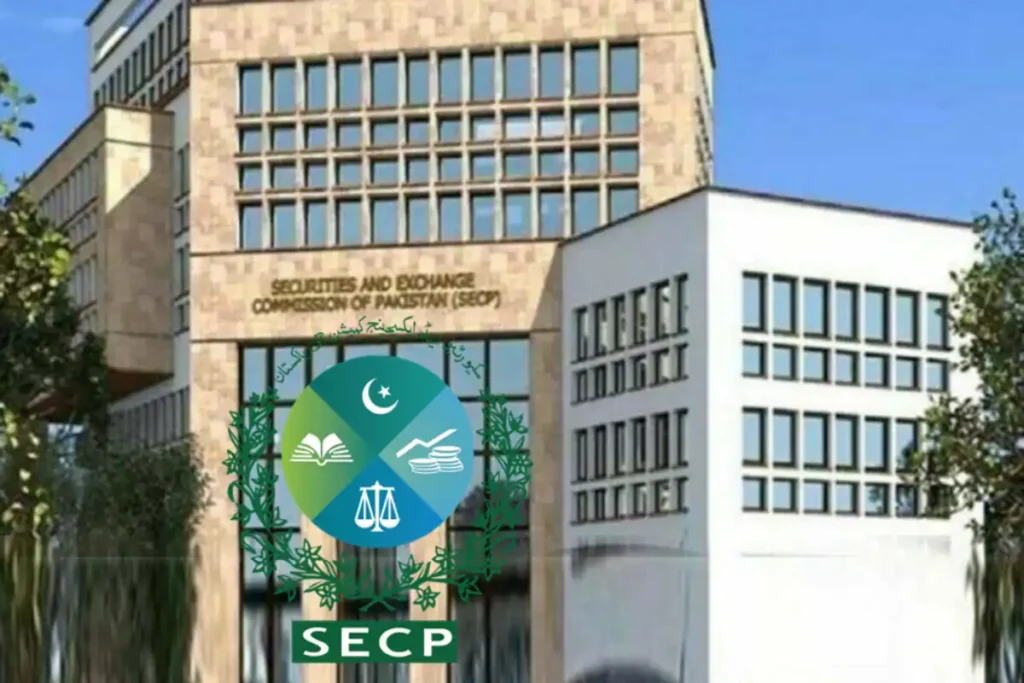
SECP Launches Digital KYC with IBAN-Based Verification

ISLAMABAD — The Securities and Exchange Commission of Pakistan (SECP) has launched a new digital Know Your Customer (KYC) process utilizing IBAN-based verification. This initiative aims to streamline the customer onboarding process, facilitating quicker access to financial services by minimizing documentation and repeated verification steps. What Happened The SECP announced the implementation of an IBAN-based digital verification system designed to simplify the KYC process for investors. By leveraging the International Bank Account Number (IBAN), the system allows for a more efficient verification of customer identities, reducing the reliance on traditional documentation. This initiative is part of SECP’s ongoing efforts to enhance the ease of doing business in Pakistan and to foster a more inclusive financial environment. According to the SECP, the new system will enable financial institutions to verify customers’ identities using their IBANs, which are unique to each bank account holder. This method is expected to significantly cut down the time required for customer verification, thereby accelerating the onboarding process. The SECP believes that this will not only benefit financial institutions by reducing administrative burdens but also empower investors by providing them with quicker access to financial services. In a statement, the SECP emphasized the importance of digital transformation in the financial sector, noting that the introduction of IBAN-based verification is a step towards modernizing the regulatory framework. “This initiative will help in reducing the friction in customer onboarding and will enhance the overall customer experience,” the SECP stated. Background The SECP has been actively working to reform the financial regulatory landscape in Pakistan, with a focus on digitalization and innovation. The introduction of IBAN-based verification is in line with international best practices and reflects the SECP’s commitment to adopting modern technologies to improve regulatory processes. Historically, the KYC process in Pakistan has been cumbersome, involving extensive documentation and multiple verification steps, which often resulted in delays and increased costs for both financial institutions and customers. The move towards digital KYC is part of a broader strategy to enhance financial inclusion and to make the financial sector more accessible to the general population. In recent years, the SECP has introduced several reforms aimed at improving the ease of doing business in Pakistan, including the establishment of a centralized KYC registry and the promotion of fintech solutions. These efforts are intended to create a more conducive environment for investment and to support the growth of the financial sector. Why It Matters The introduction of IBAN-based digital KYC is a significant development for Pakistan’s financial sector. By simplifying the KYC process, the SECP is addressing one of the key barriers to financial inclusion in the country. Easier access to financial services is expected to encourage more people to participate in the formal financial system, which can have wide-ranging economic benefits. From an economic perspective, the reduction in onboarding time and costs can lead to increased efficiency for financial institutions, allowing them to allocate resources more effectively. This can result in lower costs for consumers and potentially higher levels of investment in the financial sector. On a social level, the move towards digital KYC can help bridge the gap between the unbanked population and formal financial services. By making it easier for individuals to open bank accounts and access financial products, the SECP’s initiative has the potential to enhance financial literacy and economic empowerment across the country. Internationally, the adoption of digital KYC aligns Pakistan with global trends in financial regulation, where digital solutions are increasingly being used to enhance compliance and improve customer experience. This alignment can improve Pakistan’s standing in the global financial community, potentially attracting more foreign investment. Key Takeaways The SECP has introduced IBAN-based digital KYC to streamline customer onboarding. This initiative aims to reduce documentation and verification requirements. The move is part of SECP’s efforts to modernize Pakistan’s financial regulatory framework. Digital KYC is expected to enhance financial inclusion and economic empowerment. The initiative aligns Pakistan with international financial regulatory trends. Source Attribution This article is based on official statements and public communications from the Securities and Exchange Commission of Pakistan. Author: NEN Editorial Desk | Editor: NEN Newsroom | Fact Checked By: NEN Editorial Team Author: NEN Editorial Desk  |  Editor: NEN Newsroom  |  Last Updated: July 11, 2026  |  Source: NEN Reporter This article was produced by the NEN Editorial Desk in accordance with NEN Agency’s Editorial Policy and Fact-Checking Policy.

Pakistan

Oil Producers Eye Pakistan For Storage Amid Energy City Project

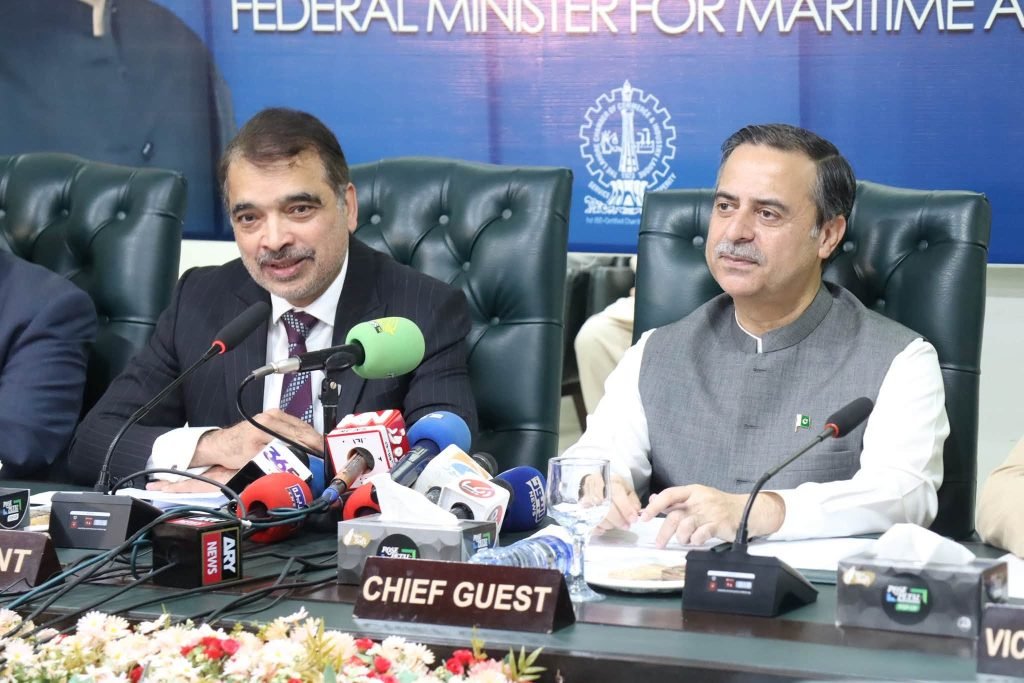
ISLAMABAD — Federal Minister for Maritime Affairs Muhammad Junaid Anwar announced on Saturday that several oil-producing countries have expressed interest in storing oil in Pakistan as part of the government’s Energy City project. This development comes in the wake of recent regional tensions that have heightened the strategic importance of oil storage facilities. What Happened Federal Minister Muhammad Junaid Anwar revealed that the Energy City project, a key initiative of the Pakistani government, is progressing significantly. He stated that numerous oil-producing nations are keen on utilizing Pakistan’s strategic location for oil storage. This interest has been fueled by the geopolitical tensions in the region, which have underscored the need for secure and strategically positioned oil reserves. The Energy City project aims to transform Pakistan into a regional energy hub by developing infrastructure that supports the storage and transit of oil and gas. Minister Anwar emphasized the project’s potential to attract foreign investment and enhance Pakistan’s energy security. “The interest from oil-producing countries is a testament to the project’s viability and strategic importance,” he noted. The minister did not specify which countries have shown interest but highlighted that discussions are ongoing. The project is expected to bring significant economic benefits to Pakistan, including job creation and increased foreign direct investment. Background The Energy City project is part of Pakistan’s broader strategy to bolster its energy infrastructure and security. Historically, Pakistan has faced challenges in managing its energy resources, with frequent shortages and reliance on imported oil. The project aims to address these issues by creating a centralized hub for energy storage and distribution. Pakistan’s strategic location, bordering major oil-producing regions, positions it as an attractive site for energy storage. The country has been working to improve its infrastructure to capitalize on this advantage, with the Energy City project being a cornerstone of these efforts. In recent years, regional tensions, particularly in the Middle East, have disrupted oil supply chains, prompting countries to seek alternative storage solutions. Pakistan’s Energy City project offers a viable option for countries looking to diversify their storage locations. Why It Matters The interest from oil-producing countries in Pakistan’s Energy City project is significant for several reasons. Economically, it represents a potential influx of foreign investment that could boost Pakistan’s economy. The development of storage facilities will create jobs and stimulate growth in related sectors, such as construction and logistics. From an energy security perspective, the project enhances Pakistan’s ability to manage its oil reserves. By becoming a regional hub for oil storage, Pakistan can better navigate fluctuations in global oil prices and supply disruptions. This capability is crucial for a country that has historically struggled with energy shortages. Politically, the project strengthens Pakistan’s ties with oil-producing nations, potentially leading to more favorable trade agreements and collaborations. It also positions Pakistan as a key player in the regional energy landscape, which could have broader geopolitical implications. Internationally, the project contributes to the stability of global oil markets by providing additional storage capacity. This capacity can help mitigate the impact of regional tensions on global supply chains, benefiting not only Pakistan but also the broader international community. Key Takeaways Several oil-producing countries are interested in storing oil in Pakistan under the Energy City project. The project aims to transform Pakistan into a regional energy hub, enhancing its energy security. Economic benefits include job creation and increased foreign direct investment. Pakistan’s strategic location makes it an attractive site for energy storage amid regional tensions. The project strengthens Pakistan’s geopolitical ties with oil-producing nations. Source Attribution This article is based on official government statements and public communications from relevant authorities. Author: NEN Editorial Desk | Editor: NEN Newsroom | Fact Checked By: NEN Editorial Team Author: NEN Editorial Desk  |  Editor: NEN Newsroom  |  Last Updated: July 11, 2026  |  Source: NEN Reporter This article was produced by the NEN Editorial Desk in accordance with NEN Agency’s Editorial Policy and Fact-Checking Policy.
Pakistan

PCB and Jawad Sports Complex Unveil J-Tex Club T20 Tournament

FAISALABAD — The Pakistan Cricket Board (PCB) and Jawad Sports and Cultural Complex have jointly launched the J-Tex Club Cricket T20 Knockout Tournament in Faisalabad. The initiative aims to foster grassroots cricket and discover budding talent in the region. What Happened The PCB, in collaboration with the Jawad Sports and Cultural Complex, has announced the commencement of the J-Tex Club Cricket T20 Knockout Tournament. The tournament is designed to provide a platform for local cricket clubs in Faisalabad to showcase their skills and compete at a higher level. The event will feature a series of knockout matches, with teams vying for the championship title. According to the PCB, the tournament is part of its broader strategy to enhance cricket infrastructure and support local talent. A spokesperson for the PCB stated, “This tournament is a crucial step in our efforts to promote cricket at the grassroots level. We believe that such initiatives will help us identify and nurture the next generation of cricketers in Pakistan.” The Jawad Sports and Cultural Complex, known for its commitment to sports development, is providing the necessary facilities and support to ensure the tournament’s success. The complex’s management expressed enthusiasm about hosting the event, highlighting its potential to engage the local community and inspire young athletes. Background Cricket has long been a popular sport in Pakistan, with the PCB playing a pivotal role in its development and promotion. Over the years, the board has launched various initiatives aimed at improving the standard of cricket across the country, from grassroots programs to international competitions. Faisalabad, a city with a rich cricketing history, has produced several notable cricketers who have represented Pakistan at the international level. The introduction of the J-Tex Club Cricket T20 Knockout Tournament is expected to continue this tradition by providing a competitive platform for emerging players. In recent years, the PCB has focused on expanding its reach to smaller cities and towns, recognizing the untapped potential in these areas. By partnering with local sports complexes like Jawad Sports, the board aims to create sustainable opportunities for young athletes. Why It Matters The launch of the J-Tex Club Cricket T20 Knockout Tournament is significant for several reasons. Economically, it provides a boost to the local sports industry in Faisalabad, generating employment opportunities and stimulating business for local vendors and service providers. The tournament is also expected to attract spectators, contributing to the city’s tourism and hospitality sectors. Socially, the tournament serves as a platform for community engagement and youth development. It encourages young people to participate in sports, promoting physical fitness and teamwork. By offering a structured competitive environment, the tournament helps instill discipline and sportsmanship among participants. On a national level, the tournament aligns with the PCB’s strategic goals of talent identification and development. By focusing on grassroots cricket, the board aims to build a strong pipeline of players who can eventually represent Pakistan on the international stage. This approach not only strengthens the national team but also enhances Pakistan’s reputation as a cricketing nation. Key Takeaways The PCB and Jawad Sports Complex have launched the J-Tex Club Cricket T20 Knockout Tournament in Faisalabad. The tournament aims to promote grassroots cricket and identify emerging talent in the region. Faisalabad has a rich cricketing history and the tournament is expected to continue this tradition. The event provides economic benefits to the local sports industry and encourages community engagement. The tournament supports the PCB’s strategic goals of talent identification and development. Source Attribution This article is based on official government statements, press releases, and public communications from relevant authorities. Author: NEN Editorial Desk | Editor: NEN Newsroom | Fact Checked By: NEN Editorial Team Author: NEN Editorial Desk  |  Editor: NEN Newsroom  |  Last Updated: July 11, 2026  |  Source: NEN Reporter This article was produced by the NEN Editorial Desk in accordance with NEN Agency’s Editorial Policy and Fact-Checking Policy.
Pakistan

Operation Bunyan-um-Marsoos Enhances Pakistan’s Stability and Investment Prospects

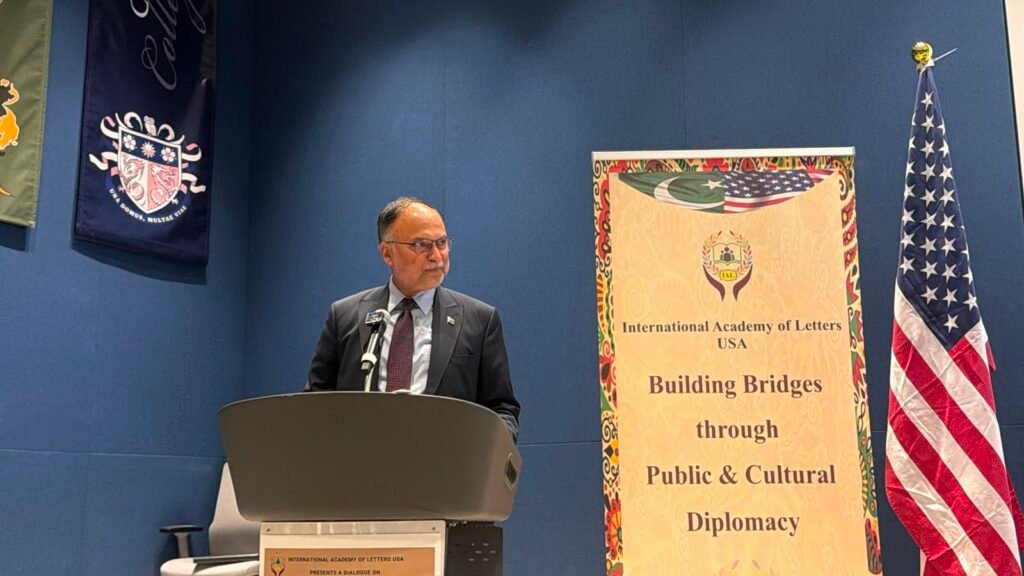
ISLAMABAD — Federal Minister for Planning, Development and Special Initiatives Ahsan Iqbal stated on Saturday that Pakistan has entered a new phase of opportunity, marked by economic recovery, national resilience, and diplomatic renewal. These achievements have been attributed to the successful implementation of Operation Bunyan-um-Marsoos, which has significantly bolstered the country’s stability and investment outlook. What Happened Speaking at a press conference, Ahsan Iqbal emphasized the transformative impact of Operation Bunyan-um-Marsoos on Pakistan’s socio-economic landscape. The operation, which was a comprehensive strategy aimed at enhancing internal security and fostering economic growth, has reportedly led to substantial improvements in both domestic and international perceptions of Pakistan. “Through Operation Bunyan-um-Marsoos, we have not only strengthened our national security but also created a conducive environment for investment,” Iqbal said. He highlighted that the operation’s success has been instrumental in achieving three key milestones: economic recovery, national resilience, and diplomatic renewal. The minister elaborated on the economic recovery, noting that the operation had paved the way for increased foreign direct investment (FDI) and improved investor confidence. He cited recent data indicating a rise in FDI inflows as evidence of the operation’s positive impact on the economy. On the front of national resilience, Iqbal pointed out that the operation had played a crucial role in stabilizing the internal security situation, which had previously been a significant concern for both citizens and investors. The improved security environment has allowed for greater economic activity and development initiatives across the country. Diplomatically, the operation has helped Pakistan renew its international relationships, positioning the country as a stable and reliable partner in the region. “Our diplomatic efforts have been reinvigorated, and we are now better positioned to engage with the global community,” Iqbal asserted. Background Operation Bunyan-um-Marsoos was launched as a comprehensive initiative to address various challenges facing Pakistan, including security threats and economic instability. It involved coordinated efforts among multiple government agencies to enhance security measures, promote economic reforms, and improve diplomatic ties. The operation was part of a broader strategy to restore confidence in Pakistan’s ability to provide a secure and stable environment for its citizens and investors. It followed a series of policy reforms aimed at liberalizing the economy, strengthening governance, and enhancing transparency in public administration. Why It Matters The implications of Operation Bunyan-um-Marsoos are significant for Pakistan’s future trajectory. Economically, the operation’s success in boosting investor confidence and attracting FDI is crucial for sustaining growth and development. With increased investment, Pakistan can expect to see job creation, infrastructure development, and technological advancements, which are essential for long-term economic stability. Socially, the enhanced security environment contributes to a better quality of life for citizens, reducing the threat of violence and fostering a sense of safety and well-being. This, in turn, encourages greater civic engagement and participation in national development efforts. Politically, the operation’s success strengthens the government’s position both domestically and internationally. By demonstrating its ability to effectively address complex challenges, the government can garner greater support from the international community and negotiate more favorable terms in diplomatic and economic engagements. On an international level, Pakistan’s renewed diplomatic efforts position it as a key player in regional stability and cooperation. This opens up opportunities for strategic partnerships and collaborations that can further enhance the country’s economic and security objectives. Key Takeaways Operation Bunyan-um-Marsoos has significantly improved Pakistan’s stability and investment outlook. The operation has led to economic recovery, increased FDI, and improved investor confidence. Enhanced national security has contributed to a better quality of life for citizens. Diplomatic renewal positions Pakistan as a stable partner in regional and international affairs. The operation underscores the government’s ability to address complex challenges effectively. Source Attribution This article is based on official government statements, press releases, and public communications from relevant authorities. Author: NEN Editorial Desk | Editor: NEN Newsroom | Fact Checked By: NEN Editorial Team Author: NEN Editorial Desk  |  Editor: NEN Newsroom  |  Last Updated: July 11, 2026  |  Source: NEN Reporter This article was produced by the NEN Editorial Desk in accordance with NEN Agency’s Editorial Policy and Fact-Checking Policy.

Pakistan

Regional Police Officer Bahawalpur Hosts Farewell for Transferred Officers

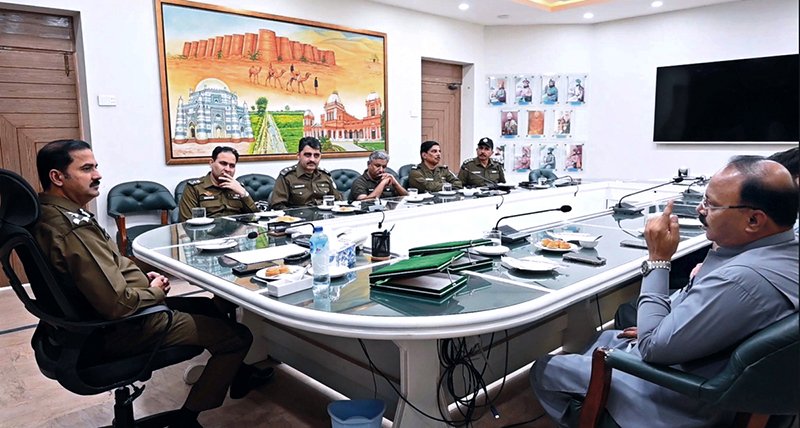
BAHAWALPUR — Regional Police Officer Bahawalpur Ghazi Muhammad Salahuddin recently addressed a farewell ceremony held in honor of police officers who have been transferred from their current postings. The event took place in Bahawalpur, where Salahuddin acknowledged the contributions of the officers and wished them success in their future endeavors. What Happened The farewell ceremony was organized to recognize and appreciate the services of police officers who have been transferred from the Bahawalpur region to other assignments. Regional Police Officer Ghazi Muhammad Salahuddin, while addressing the gathering, highlighted the dedication and hard work exhibited by the officers during their tenure in Bahawalpur. He expressed his gratitude for their commitment to maintaining law and order in the region. During his speech, Salahuddin stated, “The officers have performed their duties with utmost diligence and have significantly contributed to the safety and security of Bahawalpur. Their efforts have been instrumental in upholding the law and ensuring peace in the community.” He further added that the police department is proud of their achievements and confident that they will continue to excel in their new roles. The ceremony was attended by various officials and colleagues who came to bid farewell to the departing officers. It served as an opportunity for the officers to reflect on their experiences and share memories with their peers. The event concluded with the presentation of mementos to the officers as a token of appreciation for their service. Background The transfer of police officers is a routine administrative procedure aimed at ensuring effective law enforcement across different regions. Such transfers are often part of broader strategies to address specific challenges in various areas, optimize resource allocation, and enhance the overall efficiency of the police force. In Bahawalpur, the police department has been actively working to improve community relations and enhance public safety through various initiatives. Historically, the region has faced challenges related to crime and security, necessitating a proactive approach from law enforcement agencies. The police force in Bahawalpur has been engaged in efforts to combat crime, improve response times, and build trust with the local population. Transfers such as these are seen as opportunities to bring fresh perspectives and approaches to policing in different areas. Why It Matters The transfer of police officers holds significant implications for both the officers and the communities they serve. For the officers, it represents a chance to gain new experiences, develop skills, and contribute to different communities. It also serves as recognition of their capabilities and potential for leadership in various contexts. For the Bahawalpur region, the departure of experienced officers and the arrival of new ones can influence the dynamics of law enforcement. New officers bring with them different perspectives and strategies that can enhance the effectiveness of policing in the area. This can lead to improved public safety, better community relations, and more efficient crime prevention measures. On a broader scale, such transfers are part of the police department’s efforts to ensure that all regions benefit from experienced and capable leadership. This is crucial for maintaining stability and security across the country, which in turn has economic and social implications. A secure environment is essential for attracting investment, promoting tourism, and fostering community development. Key Takeaways Regional Police Officer Bahawalpur Ghazi Muhammad Salahuddin addressed a farewell ceremony for transferred officers. The ceremony recognized the contributions of officers to the safety and security of Bahawalpur. Transfers are routine and aim to enhance law enforcement effectiveness across regions. New officers bring fresh perspectives that can improve public safety and community relations. Effective policing is vital for economic stability and community development in Pakistan. Source Attribution This article is based on official government statements, press releases, and public communications from relevant authorities. Author: NEN Editorial Desk | Editor: NEN Newsroom | Fact Checked By: NEN Editorial Team Author: NEN Editorial Desk  |  Editor: NEN Newsroom  |  Last Updated: July 11, 2026  |  Source: NEN Reporter This article was produced by the NEN Editorial Desk in accordance with NEN Agency’s Editorial Policy and Fact-Checking Policy.

Pakistan

IESCO Workers Install New Electricity Wires in Islamabad

ISLAMABAD — Islamabad Electric Supply Company (IESCO) workers are actively engaged in installing new electricity wires on an electric pole along Park Road in Islamabad. This effort is part of a broader initiative to enhance the reliability and safety of the electrical infrastructure in the federal capital. What Happened The installation of new electricity wires by IESCO workers on Park Road is part of a scheduled maintenance and upgrade project aimed at improving the power distribution network in Islamabad. The work, which began earlier this week, involves replacing old and potentially hazardous wiring with new, more durable materials to ensure a consistent power supply to the area’s residents and businesses. According to an IESCO spokesperson, the project is expected to be completed within the next few days, minimizing disruption to the local community. “We are committed to providing uninterrupted power supply to our consumers. This upgrade is crucial for maintaining the quality of service,” the spokesperson stated. IESCO has deployed a team of skilled technicians to carry out the installation process. The workers are equipped with the necessary tools and safety gear to handle the complex task of rewiring without causing outages or safety hazards. The company has also coordinated with local authorities to ensure minimal traffic disruption during the installation work. Background IESCO is responsible for the distribution of electricity in Islamabad and surrounding areas. The company regularly undertakes maintenance and upgrade projects to keep up with the growing demand for electricity and to address issues related to outdated infrastructure. Over the years, Islamabad has experienced rapid urban development, leading to increased pressure on the existing power distribution network. In recent years, IESCO has faced challenges such as power theft, line losses, and outdated equipment. In response, the company has initiated several projects aimed at modernizing its infrastructure, reducing technical losses, and improving service delivery. The current project on Park Road is part of these ongoing efforts. Why It Matters The installation of new electricity wires is significant for several reasons. Firstly, it directly impacts the residents and businesses in the area by ensuring a more reliable power supply. Frequent power outages can disrupt daily life and economic activities, leading to financial losses and inconvenience for consumers. By upgrading the infrastructure, IESCO aims to reduce the frequency and duration of such outages. Secondly, the project contributes to the overall safety of the electrical network. Old and worn-out wires pose a risk of electrical fires and other hazards. By replacing these with new, safer materials, IESCO is taking proactive measures to prevent accidents and ensure the safety of its consumers. On a broader scale, infrastructure upgrades such as this one are essential for supporting Islamabad’s continued growth and development. A reliable power supply is a critical component of urban infrastructure, influencing everything from residential quality of life to the ability of businesses to operate efficiently. As Islamabad continues to expand, projects like these will be crucial in meeting the city’s evolving energy needs. Key Takeaways IESCO is installing new electricity wires on Park Road in Islamabad to improve power reliability. The project is part of a broader initiative to upgrade the city’s electrical infrastructure. New wiring will enhance safety and reduce the risk of electrical hazards. The upgrade supports Islamabad’s growth by ensuring a stable power supply for residents and businesses. IESCO is addressing challenges such as outdated equipment and technical losses through infrastructure improvements. Source Attribution This article is based on official statements from the Islamabad Electric Supply Company and public communications from relevant authorities. Author: NEN Editorial Desk | Editor: NEN Newsroom | Fact Checked By: NEN Editorial Team Author: NEN Editorial Desk  |  Editor: NEN Newsroom  |  Last Updated: July 11, 2026  |  Source: NEN Reporter This article was produced by the NEN Editorial Desk in accordance with NEN Agency’s Editorial Policy and Fact-Checking Policy.

Pakistan

Pakistan Test Squad Gears Up for West Indies Tour with Intensive Training

ISLAMABAD — The Pakistan Cricket Test squad’s preparations for their upcoming tour of the West Indies are in full swing, with the training camp at Rawalpindi Cricket Stadium entering its third day. The squad is rigorously preparing for the series, which is part of the ICC World Test Championship. What Happened The training camp, which began earlier this week, is focused on scenario-based matches to simulate real game conditions. On Saturday, the players participated in the second day of these matches. The coaching staff, led by the head coach, conducted fielding drills before the start of play, aiming to enhance the players’ agility and reflexes. During the scenario matches, bowlers were tasked with bowling spells under various match situations. This approach is designed to prepare them for different conditions they might face during the tour. All players have been given the opportunity to bat in different pairings, ensuring that they are adaptable and ready for any batting order changes that might occur during the actual matches. The squad is scheduled to have a rest day on Sunday before resuming their intensive training sessions. The team is set to depart from Islamabad for the West Indies on July 13. Upon arrival, they will play a four-day practice match from July 18 to 21, which will serve as a crucial warm-up before the official test matches. The two-match ICC World Test Championship series against the West Indies is scheduled to take place from July 25 to August 10. The matches will be held at the Brian Lara Cricket Academy in Tarouba and the Queen’s Park Oval in Port of Spain, offering the Pakistani team a challenging yet exciting opportunity to showcase their skills. Background Pakistan’s cricket team has a history of competitive performances in the West Indies, a region known for its passionate cricket fans and challenging playing conditions. The upcoming series is part of the ICC World Test Championship, a league competition for Test cricket run by the International Cricket Council (ICC), which adds significant importance to each match played. Historically, Pakistan has had mixed results in the Caribbean, with both victories and losses marking their past encounters. The team’s current preparation reflects an understanding of the need to adapt to the unique playing conditions found in the West Indies, including the pitches and weather. Why It Matters The upcoming tour is crucial for Pakistan as it forms part of the ICC World Test Championship, which determines the top Test team in the world. A strong performance in the West Indies could improve Pakistan’s standings in the championship, offering them a chance to compete for the top spot. Beyond the championship implications, the tour is an opportunity for Pakistan to refine their strategies and build team cohesion. The scenario-based training is particularly important as it helps players adjust to various match situations, a skill that is invaluable in the unpredictable nature of Test cricket. For the players, this tour is an opportunity to prove their mettle on an international stage. The experience gained from playing in different conditions will be beneficial for their development and confidence. Additionally, the tour offers a chance for younger players to gain exposure and for the team management to evaluate their performance in high-pressure situations. Key Takeaways The Pakistan Test squad is undergoing intensive training in Rawalpindi ahead of their West Indies tour. Scenario-based matches are being used to simulate real game conditions and improve player adaptability. The tour is part of the ICC World Test Championship, adding significant importance to the series. The team will play a practice match in the West Indies before the official test matches begin on July 25. This tour is an opportunity for players to gain international experience and improve team cohesion. Source Attribution This article is based on official government statements, press releases, and public communications from relevant authorities. Author: NEN Editorial Desk | Editor: NEN Newsroom | Fact Checked By: NEN Editorial Team Author: NEN Editorial Desk  |  Editor: NEN Newsroom  |  Last Updated: July 11, 2026  |  Source: NEN Reporter This article was produced by the NEN Editorial Desk in accordance with NEN Agency’s Editorial Policy and Fact-Checking Policy.

Scroll to Top