

Pakistan

News related to Pakistan in Pakistan and around the world.

Pakistan

Attock Police Arrest Nine, Seize Drugs and Illegal Weaponry in Crackdown

ATTOCK — In a comprehensive district-wide operation, Attock Police have arrested nine individuals and confiscated a significant amount of illegal substances and weaponry. The crackdown, which unfolded over the past 24 hours, resulted in the recovery of 4.4 kilograms of hashish, substantial quantities of liquor, and an illegal firearm, according to official police statements. What Happened The Attock Police, under the directive to intensify actions against criminal activities, conducted a series of coordinated raids across various locations in the district. These operations were part of a broader strategy to combat the proliferation of drugs and illegal arms in the region. The police force, leveraging intelligence reports and community tips, targeted known hotspots and areas with a history of criminal activity. During the raids, law enforcement officials successfully apprehended nine suspects. The individuals are currently under investigation, with authorities aiming to trace the origins of the seized items and potentially dismantle larger networks involved in these illegal activities. The operations were meticulously planned to ensure maximum impact and were executed with precision, resulting in the confiscation of 4.4 kilograms of hashish, a significant haul that underscores the scale of the drug problem in the area. In addition to the drugs, the police also seized large quantities of illicit liquor, which is often linked to unregulated production and distribution networks. The recovery of an illegal firearm further highlights the multifaceted nature of the criminal activities being addressed. A police spokesperson emphasized the importance of these operations in maintaining public safety and reducing crime rates in Attock. Background Attock, like many districts in Pakistan, has been grappling with issues related to drug trafficking and illegal arms. The region’s proximity to major urban centers and its strategic location have made it a focal point for criminal networks. Over the years, the government and law enforcement agencies have implemented various strategies to curb these activities, including community policing and intelligence-led operations. Historically, the region has seen fluctuating crime rates, with periodic spikes often linked to broader socio-economic factors. Previous crackdowns have yielded mixed results, with temporary reductions in crime followed by resurgences. The current operation is part of a renewed effort to establish long-term solutions and enhance community trust in law enforcement. Why It Matters This crackdown is significant for several reasons. Economically, the proliferation of drugs and illegal arms can have devastating effects on local communities, undermining legitimate businesses and contributing to a cycle of poverty and crime. By removing these elements, the police aim to create a safer environment that encourages economic growth and stability. Socially, the operation sends a strong message to the community about the government’s commitment to ensuring public safety. It also highlights the importance of community cooperation in identifying and addressing criminal activities. The successful execution of these raids may bolster public confidence in law enforcement, which is crucial for sustaining long-term peace and security in the region. Politically, the operation aligns with national efforts to combat crime and improve law and order across Pakistan. It reflects the government’s broader strategy to tackle the root causes of crime, including poverty and lack of education, through targeted interventions and policy reforms. Key Takeaways Attock Police arrested nine suspects in a district-wide crackdown on crime. Authorities seized 4.4 kilograms of hashish, large quantities of liquor, and an illegal firearm. The operation is part of a broader strategy to combat drug trafficking and illegal arms in the region. The crackdown aims to enhance public safety and reduce crime rates in Attock. Community cooperation played a vital role in the success of these operations. Source Attribution This article is based on official government statements, press releases, and public communications from relevant authorities. Author: NEN Editorial Desk | Editor: NEN Newsroom | Fact Checked By: NEN Editorial Team Author: NEN Editorial Desk  |  Editor: NEN Newsroom  |  Last Updated: July 11, 2026  |  Source: NEN Reporter This article was produced by the NEN Editorial Desk in accordance with NEN Agency’s Editorial Policy and Fact-Checking Policy.

Pakistan

Pakistan Confirms Adequate Wheat Stocks, Vows Action Against Hoarders

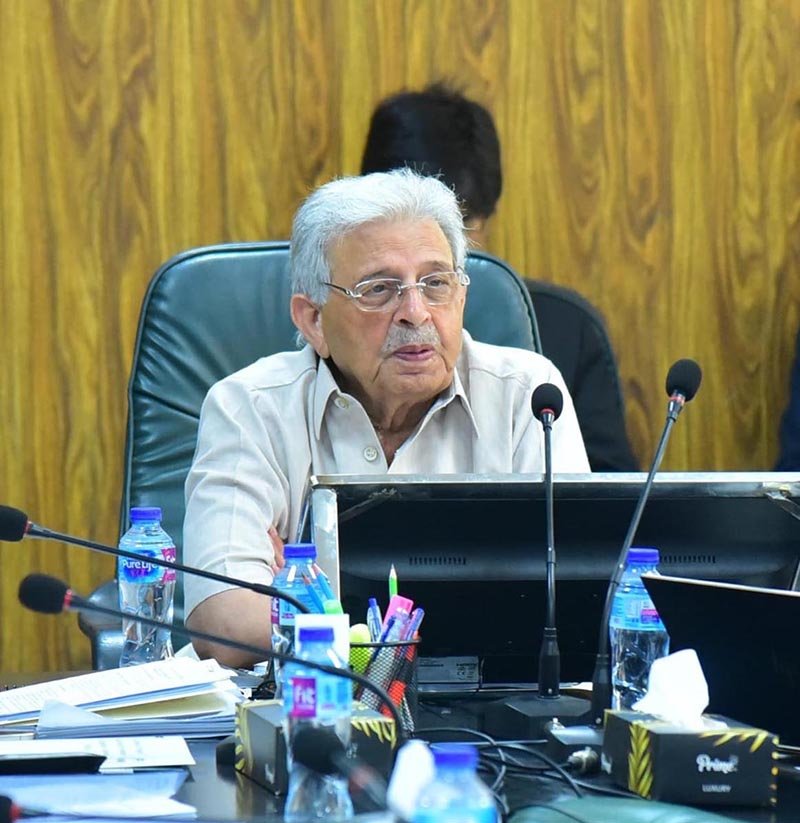
ISLAMABAD — Federal Minister for National Food Security and Research Rana Tanveer Hussain announced on Saturday that Pakistan has sufficient wheat stocks to meet its domestic needs. He emphasized that the government is prepared to take strict action against those involved in hoarding and artificially inflating wheat prices. What Happened During the 9th Wheat Board meeting, chaired by Minister Rana Tanveer Hussain, the country’s wheat production, availability, procurement, and market prices were thoroughly reviewed. The meeting was attended by key stakeholders, including the Secretary of the Ministry of National Food Security and Research, Chief Secretaries from Punjab and Sindh, Agriculture and Food Secretaries from all provinces, senior ministry officials, and representatives from the Pakistan Flour Mills Association. The Board conducted a comprehensive assessment of the wheat situation across Pakistan. Provincial representatives unanimously reported that there are adequate wheat stocks available nationwide, dispelling any concerns about a shortage. Minister Hussain highlighted that Pakistan’s wheat production this year is estimated to be 1.36 million metric tonnes higher than the previous year. This increase in production has ensured that the country’s wheat reserves are sufficient to meet current demands. The Board members agreed that the estimated wheat production target has been successfully achieved. The meeting also emphasized the importance of provincial authorities closely monitoring the wheat market to ensure effective management and prevent any disruptions. Minister Hussain reiterated the government’s commitment to protecting consumers’ interests. He stated that the federal government, in collaboration with provincial governments, will implement necessary administrative and legal measures to curb hoarding, enhance market oversight, and ensure that wheat is available to consumers at affordable prices. He directed relevant authorities to maintain close coordination, strengthen market monitoring, and take prompt action against any practices that could disrupt the smooth supply of wheat or lead to unjustified price increases. Background Pakistan has faced challenges in managing its wheat supply in the past, with issues such as hoarding and price manipulation impacting the market. The government has been working to improve wheat production and distribution to stabilize prices and ensure food security. The Wheat Board, established to oversee these efforts, regularly reviews the country’s wheat situation and coordinates with provincial authorities to address any issues. Historically, fluctuations in wheat production and supply have been influenced by factors such as weather conditions, pest infestations, and market dynamics. The government’s proactive measures aim to mitigate these challenges and maintain a stable supply of wheat across the country. Why It Matters The availability of sufficient wheat stocks is crucial for Pakistan, as wheat is a staple food for the majority of the population. Ensuring a stable supply at affordable prices is essential for food security and economic stability. The government’s commitment to taking action against hoarding and price manipulation reflects its dedication to protecting consumers and maintaining market stability. Economically, a stable wheat market helps prevent inflationary pressures that can arise from food shortages. Socially, it ensures that citizens have access to an essential food item, reducing the risk of food insecurity and related social unrest. Politically, effective management of wheat supplies demonstrates the government’s ability to address key issues impacting citizens’ daily lives. Internationally, Pakistan’s ability to manage its wheat supply efficiently can enhance its reputation as a stable and reliable partner in the global agricultural market. It may also open opportunities for exporting surplus wheat, contributing to the country’s economic growth. Key Takeaways Pakistan has sufficient wheat stocks to meet domestic needs, with production up by 1.36 million metric tonnes compared to last year. The government is committed to taking action against hoarding and price manipulation to protect consumers. Provincial authorities are urged to closely monitor the wheat market to ensure effective management. The stability of the wheat supply is crucial for food security, economic stability, and social harmony in Pakistan. Efficient management of wheat supplies can enhance Pakistan’s international reputation and economic opportunities. Source Attribution This article is based on official government statements, press releases, and public communications from relevant authorities. Author: NEN Editorial Desk | Editor: NEN Newsroom | Fact Checked By: NEN Editorial Team Author: NEN Editorial Desk  |  Editor: NEN Newsroom  |  Last Updated: July 11, 2026  |  Source: Press Release from Government of Pakistan This article was produced by the NEN Editorial Desk in accordance with NEN Agency’s Editorial Policy and Fact-Checking Policy.

Pakistan

Gold Prices Surge by Rs1,100 Per Tola in Pakistan

ISLAMABAD — The price of gold in Pakistan increased by Rs1,100 per tola on Saturday, reaching Rs433,536 for 24-karat gold. This rise was reported by the All Pakistan Sarafa Gems and Jewellers Association, reflecting ongoing fluctuations in the precious metals market. What Happened The local gold market experienced a notable price hike over the weekend, with 24-karat gold per tola climbing by Rs1,100. The new rate of Rs433,536 per tola marks a significant increase, influenced by both domestic and international market trends. The All Pakistan Sarafa Gems and Jewellers Association, responsible for issuing these rates, highlighted the volatility in gold prices due to various economic factors. Gold prices are often subject to change based on international market conditions, currency exchange rates, and local demand. The recent increase aligns with global trends where gold prices have been fluctuating due to economic uncertainties and geopolitical tensions. The association’s latest figures indicate a responsive market adjusting to these broader influences. In addition to the per tola rate, the price of 10 grams of 24-karat gold also saw an increase, reaching Rs371,651. This adjustment reflects the overall upward trend in the gold market, driven by factors such as inflationary pressures and investor sentiment shifting towards safe-haven assets like gold. Background Historically, gold has been a preferred investment in Pakistan, serving as a hedge against inflation and currency devaluation. The local gold market is heavily influenced by international prices, which are determined by factors such as the US dollar’s strength, interest rates, and global economic stability. In recent months, gold prices have been on a rollercoaster ride, with fluctuations driven by the COVID-19 pandemic’s economic impact, geopolitical tensions, and changes in monetary policy by major economies. The Pakistani rupee’s performance against the US dollar also plays a crucial role in determining local gold prices. Gold’s cultural significance in Pakistan further fuels its demand, especially during wedding seasons and festive occasions, when the purchase of gold jewelry is traditionally high. This cultural demand, combined with economic factors, contributes to the dynamic pricing observed in the market. Why It Matters The increase in gold prices holds significant implications for various stakeholders in Pakistan. For consumers, particularly those planning weddings or other events, the rise in gold prices could mean higher costs for jewelry, impacting household budgets. This may lead to a shift in consumer behavior, with some opting for lighter or alternative jewelry options. For investors, the price hike underscores gold’s role as a safe-haven asset in times of economic uncertainty. As inflationary pressures mount and currency values fluctuate, gold remains an attractive option for preserving wealth. This could result in increased investment in gold, both in physical form and through financial instruments like gold-backed securities. The jewelry industry, a significant part of Pakistan’s economy, may experience both challenges and opportunities from the price increase. While higher prices could deter some buyers, they may also boost the value of existing inventories, benefiting jewelers who have stockpiled gold. On a broader economic scale, the rise in gold prices can impact the country’s trade balance. As a major importer of gold, higher prices could increase the import bill, affecting foreign exchange reserves and potentially influencing monetary policy decisions. Key Takeaways Gold prices in Pakistan rose by Rs1,100 per tola, reaching Rs433,536 for 24-karat gold. The increase reflects global market trends and economic uncertainties. Gold remains a popular investment and cultural asset in Pakistan, influencing consumer and investor behavior. The jewelry industry may face both challenges and opportunities due to the price hike. Higher gold prices could impact Pakistan’s trade balance and foreign exchange reserves. Source Attribution This article is based on official statements and public communications from the All Pakistan Sarafa Gems and Jewellers Association. Author: NEN Editorial Desk | Editor: NEN Newsroom | Fact Checked By: NEN Editorial Team Author: NEN Editorial Desk  |  Editor: NEN Newsroom  |  Last Updated: July 11, 2026  |  Source: NEN Reporter This article was produced by the NEN Editorial Desk in accordance with NEN Agency’s Editorial Policy and Fact-Checking Policy.
Pakistan

HEC Approves MS Computer Science Program at MNSUET Multan

ISLAMABAD — The Higher Education Commission (HEC) has granted a No Objection Certificate (NOC) to Muhammad Nawaz Sharif University of Engineering and Technology (MNSUET) in Multan for the establishment of an MS Computer Science program. This approval marks a significant step for MNSUET in expanding its academic offerings to meet the growing demand for advanced computer science education in the region. What Happened The HEC’s decision to issue the NOC enables MNSUET Multan to officially launch its MS Computer Science program, which aims to provide advanced education and research opportunities in the field of computer science. The university had applied for the NOC to align its curriculum with national and international standards, ensuring that graduates are equipped with the necessary skills to thrive in the rapidly evolving tech industry. According to university officials, the program is designed to address the increasing demand for skilled professionals in the technology sector. The curriculum will include a range of courses covering advanced topics in computer science, such as artificial intelligence, data science, cybersecurity, and software engineering. The program will also emphasize research, encouraging students to engage in innovative projects that contribute to the field. HEC’s approval process involved a thorough evaluation of MNSUET’s faculty qualifications, infrastructure, and academic resources to ensure the program meets the commission’s quality standards. The university’s commitment to maintaining high educational standards played a crucial role in securing the NOC. Background Muhammad Nawaz Sharif University of Engineering and Technology, located in Multan, has been striving to enhance its academic portfolio since its establishment. The university offers various undergraduate and graduate programs in engineering and technology disciplines. The introduction of the MS Computer Science program is part of its broader strategy to expand postgraduate offerings and cater to the educational needs of the region. The Higher Education Commission of Pakistan is responsible for regulating and ensuring the quality of higher education institutions across the country. It grants NOCs to universities for new programs after a comprehensive review process, ensuring that the proposed programs meet the necessary academic and infrastructural standards. Why It Matters The approval of the MS Computer Science program at MNSUET Multan holds significant implications for the educational landscape in southern Punjab. The region has been witnessing a growing demand for higher education opportunities, particularly in the field of computer science, due to the increasing reliance on technology across various sectors. This development is expected to have a positive impact on the local economy by producing a skilled workforce capable of contributing to the tech industry. As technology continues to drive economic growth, the availability of advanced educational programs in computer science will play a crucial role in preparing graduates for high-demand jobs in the digital economy. Moreover, the program’s emphasis on research and innovation aligns with national goals to foster a knowledge-based economy. By encouraging students to engage in research projects, MNSUET aims to contribute to technological advancements and address local and national challenges through innovative solutions. On a broader scale, the program’s launch reflects the HEC’s commitment to enhancing the quality and diversity of higher education in Pakistan. By supporting universities in expanding their academic offerings, the HEC is helping to create a more educated and skilled population, which is essential for the country’s development and competitiveness in the global arena. Key Takeaways The Higher Education Commission has granted an NOC to MNSUET Multan for an MS Computer Science program. The program aims to address the growing demand for advanced computer science education in southern Punjab. HEC’s approval process included a thorough evaluation of the university’s academic resources and infrastructure. The program will focus on research and innovation, contributing to technological advancements. This development aligns with national goals to foster a knowledge-based economy in Pakistan. Source Attribution This article is based on official government statements, press releases, and public communications from relevant authorities. Author: NEN Editorial Desk | Editor: NEN Newsroom | Fact Checked By: NEN Editorial Team Author: NEN Editorial Desk  |  Editor: NEN Newsroom  |  Last Updated: July 11, 2026  |  Source: NEN Reporter This article was produced by the NEN Editorial Desk in accordance with NEN Agency’s Editorial Policy and Fact-Checking Policy.
Pakistan

National Population Council to Implement Unified Population Strategy

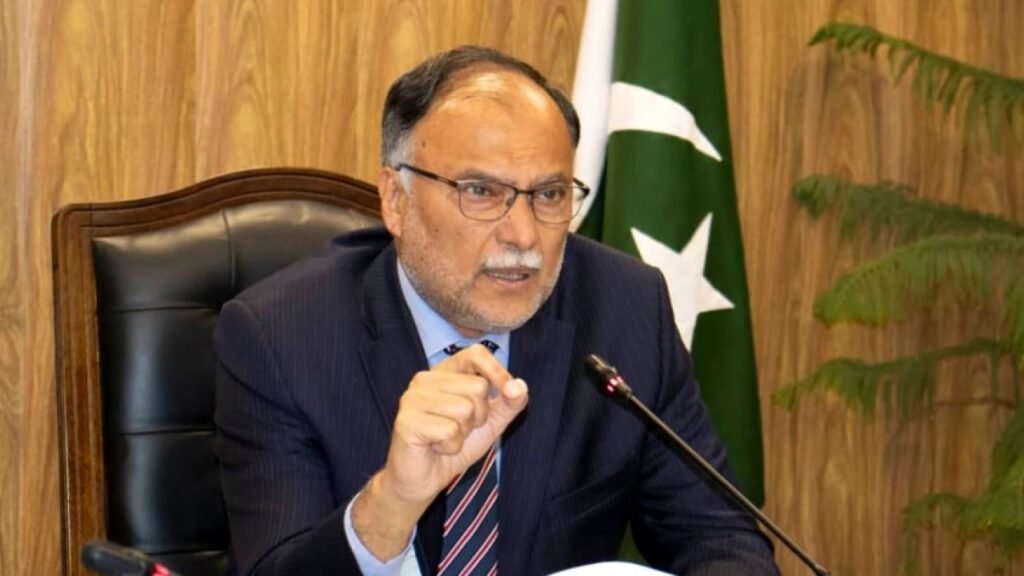
ISLAMABAD — The National Population Council (NPC) is set to spearhead a unified strategy to tackle Pakistan’s population challenges, as announced by Federal Minister for Planning, Development and Special Initiatives, Professor Ahsan Iqbal, on Saturday. The initiative underscores the government’s commitment to a coordinated, evidence-based approach to population management, emphasizing the importance of quality and productivity over sheer numbers. What Happened During a recent address, Professor Ahsan Iqbal highlighted the critical role of the National Population Council in leading a comprehensive strategy to address Pakistan’s burgeoning population issues. The minister stressed that the future of the nation hinges not on the size of its population but on the quality, productivity, and preparedness of its citizens. This strategy aims to align various governmental efforts to ensure a cohesive and effective approach to population management. The NPC’s strategy will involve collaboration across different sectors and levels of government, leveraging data-driven insights to inform policy decisions. Professor Iqbal emphasized the need for a whole-of-government action plan, which will integrate efforts from health, education, and economic sectors to create a sustainable population growth model. The initiative is expected to address key issues such as family planning, maternal health, and education, thereby improving the overall quality of life for Pakistan’s citizens. In his statement, Professor Iqbal noted, “The quality, productivity, and preparedness of our people will determine our future, not merely the size of our population.” This approach reflects a shift in focus from quantitative to qualitative aspects of population management, aiming to harness the potential of Pakistan’s human capital. Background Pakistan has long grappled with population growth challenges, which have implications for economic development, resource allocation, and social services. Historically, efforts to manage population growth have faced hurdles due to cultural, religious, and logistical barriers. The establishment of the National Population Council marks a renewed effort to address these challenges through a structured and unified framework. The country’s population policies have evolved over the years, with various initiatives aimed at promoting family planning and reproductive health. However, these efforts have often been fragmented and lacked comprehensive integration across government sectors. The NPC’s role is to consolidate these efforts into a cohesive strategy that aligns with national development goals. Why It Matters The implementation of a unified population strategy is crucial for Pakistan’s socio-economic stability and development. With a population exceeding 220 million, Pakistan faces significant challenges in providing adequate healthcare, education, and employment opportunities. A well-coordinated strategy can help mitigate these challenges by ensuring that resources are allocated efficiently and effectively. Economically, managing population growth is vital for sustainable development. A balanced population strategy can enhance workforce productivity, reduce dependency ratios, and improve economic outcomes. Socially, it can lead to better health and education outcomes, empowering citizens to contribute more effectively to national development. Internationally, Pakistan’s approach to population management can influence its standing in global forums, particularly in areas related to sustainable development and human rights. By adopting a data-driven, evidence-based strategy, Pakistan can demonstrate its commitment to international development goals and attract support and collaboration from global partners. Key Takeaways The National Population Council will lead a unified strategy to address population challenges in Pakistan. Professor Ahsan Iqbal emphasized the importance of quality and productivity over population size. The strategy involves a whole-of-government approach, integrating efforts across sectors. Effective population management is crucial for Pakistan’s socio-economic development and international standing. The initiative aims to improve family planning, maternal health, and education outcomes. Source Attribution This article is based on official government statements, press releases, and public communications from relevant authorities. Author: NEN Editorial Desk | Editor: NEN Newsroom | Fact Checked By: NEN Editorial Team Author: NEN Editorial Desk  |  Editor: NEN Newsroom  |  Last Updated: July 11, 2026  |  Source: NEN Reporter This article was produced by the NEN Editorial Desk in accordance with NEN Agency’s Editorial Policy and Fact-Checking Policy.

Pakistan

Punjab Utilizes Resources to Meet Cotton Production Goals

MULTAN — Secretary Agriculture Punjab Iftikhar Ali Sahoo announced on Saturday that the province is deploying all available resources to meet its cotton production targets. The statement was made during a meeting held to evaluate the current status of cotton crops and the measures being implemented to achieve the production goals. What Happened Secretary Agriculture Punjab Iftikhar Ali Sahoo chaired a meeting in Multan, focusing on strategies to achieve the cotton production targets set for the province. The meeting was attended by key figures including Vice Chancellor Prof Dr Asif Ali, Special Secretary Agriculture (South Punjab) Sarfraz Hussain Magsi, and Director Generals of the Agriculture Department, among others. Sahoo emphasized the importance of providing technical guidance to farmers, particularly in managing cotton and other crops amid the ongoing severe heatwave. He instructed that canal water supplies be provided timely and according to needs to ensure the health of the cotton crop. Furthermore, he directed strict action against those involved in the illegal trade of counterfeit agricultural pesticides. In addition, Sahoo called for the immediate operationalization of Kissan Facilitation Centres and Cotton Technical Groups to support farmers more effectively. He highlighted the necessity of utilizing professional expertise to successfully implement the Apna Khait Apna Rozgar Programme, which aims to enhance agricultural productivity and farmer income. The secretary also urged all field formations to be prepared for any potential flood-related damages that could impact farmers. Following the meeting, Sahoo visited the Model Agriculture Mall in Multan, where he instructed concerned officers to further improve its operational activities to better serve the agricultural community. Background Cotton is a critical crop for Pakistan, contributing significantly to the country’s economy and textile industry. Punjab, being a major cotton-producing region, plays a vital role in meeting the national production targets. In recent years, the province has faced challenges such as water scarcity, pest infestations, and climate change impacts, which have affected cotton yields. The Punjab government has been actively working to address these challenges through various initiatives, including the provision of subsidies for quality seeds and fertilizers, as well as the introduction of modern farming techniques. The Apna Khait Apna Rozgar Programme is part of these efforts, designed to equip farmers with the necessary skills and resources to improve crop yields and profitability. Why It Matters The success of cotton production in Punjab is crucial not only for the local economy but also for Pakistan’s overall economic stability. Cotton is a major export commodity, and fluctuations in its production can significantly impact the country’s trade balance. Achieving the set production targets can help stabilize the textile industry, which is a significant source of employment and foreign exchange earnings. Moreover, the measures being implemented by the Punjab government, such as providing technical guidance and ensuring water supply, are essential for mitigating the adverse effects of climate change and other environmental challenges. These efforts can help secure the livelihoods of thousands of farmers who depend on cotton cultivation. Additionally, the crackdown on counterfeit pesticides is a critical step in protecting crop health and ensuring that farmers receive the full benefits of their labor. By enhancing the operational capabilities of agricultural support centers, the government aims to provide more comprehensive assistance to farmers, thereby boosting overall agricultural productivity. Key Takeaways Punjab is utilizing all resources to meet cotton production targets. Technical guidance and timely water supply are being prioritized for farmers. Strict actions are being taken against counterfeit pesticide trade. Kissan Facilitation Centres and Cotton Technical Groups are being operationalized. The Apna Khait Apna Rozgar Programme aims to enhance agricultural productivity. Source Attribution This article is based on official government statements and public communications from relevant authorities. Author: NEN Editorial Desk | Editor: NEN Newsroom | Fact Checked By: NEN Editorial Team Author: NEN Editorial Desk  |  Editor: NEN Newsroom  |  Last Updated: July 11, 2026  |  Source: NEN Reporter This article was produced by the NEN Editorial Desk in accordance with NEN Agency’s Editorial Policy and Fact-Checking Policy.
Pakistan

Faisalabad Sees 63% Drop in Crime Amid Policing Efforts

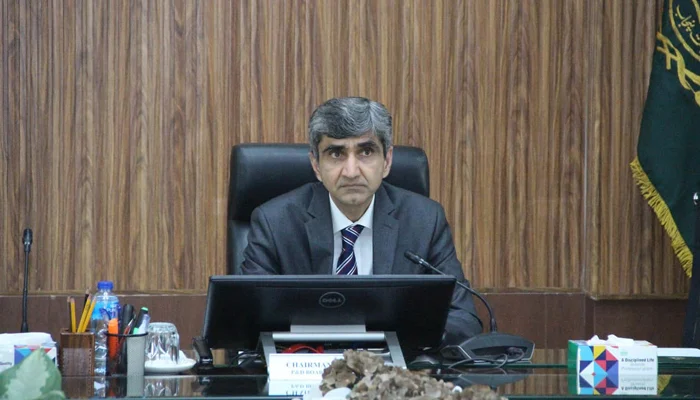
FAISALABAD — Faisalabad has experienced a significant reduction in crime rates this year, with a 63% decline compared to the same period last year. This improvement is attributed to strategic policing efforts led by City Police Officer Tanveer Hussain, focusing on enhanced patrols and intelligence-driven operations. What Happened Faisalabad has reported a substantial decrease in crime, with figures showing a 63% reduction in overall criminal activity compared to the previous year. This decline reflects the effectiveness of the current policing strategies implemented by the local law enforcement authorities. City Police Officer (CPO) Tanveer Hussain has been at the forefront of these efforts, employing a combination of strengthened patrol mechanisms and intelligence-led operations to combat crime in the region. The police department has focused on increasing the visibility of law enforcement officers in crime-prone areas, which has proven to be a deterrent to potential offenders. Additionally, the use of intelligence and data analysis has allowed the police to anticipate and prevent criminal activities more effectively. “Our strategy has been to focus on preventive measures and community engagement to ensure the safety of our citizens,” said CPO Tanveer Hussain. The reduction in crime has been observed across various categories, including theft, burglary, and violent crimes. The police have also reported a higher rate of arrests and successful prosecutions, contributing to the overall sense of security among the residents of Faisalabad. Background Faisalabad, one of Pakistan’s major industrial cities, has historically faced challenges related to law and order due to its large population and economic significance. Over the years, crime rates have fluctuated, often influenced by socio-economic factors and urbanization. In response to these challenges, the local police force has periodically revised its strategies to address emerging threats and improve public safety. In recent years, there has been a concerted effort to modernize the police force, incorporating technology and data-driven approaches to crime prevention. The appointment of Tanveer Hussain as the City Police Officer marked a turning point, as he introduced reforms aimed at enhancing operational efficiency and community policing. Why It Matters The significant drop in crime rates in Faisalabad is a positive development for the city’s residents and businesses. A safer environment encourages economic activity, as businesses can operate without the constant threat of crime. This, in turn, can lead to increased investment and job creation, contributing to the overall economic growth of the region. Socially, the decrease in crime fosters a sense of security and well-being among citizens. Families feel safer, and community cohesion is strengthened when residents are not living in fear of criminal activities. This improvement in the quality of life can have long-term benefits, including better mental health outcomes and increased civic engagement. Politically, the success of the policing strategies in Faisalabad could serve as a model for other cities in Pakistan facing similar challenges. It demonstrates the potential impact of effective law enforcement policies and the importance of leadership in implementing change. The reduction in crime also enhances the credibility of local government authorities, building public trust in their ability to maintain law and order. Key Takeaways Faisalabad has seen a 63% decrease in crime this year compared to last year. Effective policing strategies, including increased patrols and intelligence-led operations, are credited for the decline. The reduction in crime rates benefits the local economy and improves residents’ quality of life. The success in Faisalabad could serve as a model for other cities in Pakistan. Community engagement and preventive measures have been key components of the strategy. Source Attribution This article is based on official government statements, press releases, and public communications from relevant authorities. Author: NEN Editorial Desk | Editor: NEN Newsroom | Fact Checked By: NEN Editorial Team Author: NEN Editorial Desk  |  Editor: NEN Newsroom  |  Last Updated: July 11, 2026  |  Source: NEN Reporter This article was produced by the NEN Editorial Desk in accordance with NEN Agency’s Editorial Policy and Fact-Checking Policy.
Pakistan

TEVTA IST Sialkot to Host CBTA Graduation Ceremony on July 14

ISLAMABAD — The Technical Education and Vocational Training Authority (TEVTA) Institute of Surgical Technology (IST), located at the Metal Industries Development Center (MIDC) in Sialkot, is set to hold a graduation ceremony for its Competency-Based Training and Assessment (CBTA) program on July 14, 2026. This event marks the culmination of rigorous training for students who have completed courses designed to enhance their technical skills in the surgical technology sector. What Happened The TEVTA IST in Sialkot will conduct a certificate distribution ceremony for graduates of its CBTA courses, which are tailored to meet industry standards and improve employability. The ceremony, scheduled for July 14, 2026, will take place at the MIDC, a hub for technical education and industrial development in the region. The CBTA program is part of TEVTA’s broader initiative to provide vocational training that aligns with current market demands and technological advancements. According to TEVTA officials, the CBTA courses are designed to equip students with practical skills and competencies required in the surgical technology field. The curriculum includes hands-on training and assessment modules that ensure graduates are well-prepared for employment in healthcare settings. A TEVTA representative stated, “Our goal is to bridge the gap between education and industry needs, ensuring our graduates are job-ready and capable of contributing effectively to the healthcare sector.” The graduation ceremony will not only celebrate the achievements of the students but also highlight the importance of vocational training in Pakistan’s educational landscape. TEVTA aims to expand its training programs to cover more technical fields, thereby increasing opportunities for youth employment and skill development across the country. Background TEVTA, established in 1999, is a government body responsible for promoting technical and vocational education in Pakistan. It operates numerous institutes across the country, offering a wide range of courses aimed at enhancing the technical skills of the workforce. The CBTA approach adopted by TEVTA focuses on competency-based education, which emphasizes practical skills and real-world applications over traditional academic learning. The Institute of Surgical Technology in Sialkot is one of TEVTA’s Centers of Excellence, dedicated to providing specialized training in surgical and healthcare technologies. Sialkot, known for its industrial prowess, particularly in surgical instruments manufacturing, provides a strategic location for such an institute, fostering collaboration between education and industry. Why It Matters The graduation ceremony at TEVTA IST Sialkot underscores the critical role of vocational education in addressing unemployment and skill shortages in Pakistan. With a growing population and an increasing demand for skilled labor, vocational training programs like CBTA are essential for economic development and job creation. By aligning educational outcomes with industry needs, TEVTA is helping to create a workforce that is both skilled and adaptable to changing market conditions. Furthermore, the emphasis on surgical technology reflects the healthcare sector’s expanding role in Pakistan’s economy. As the country seeks to improve its healthcare infrastructure, the demand for trained professionals in surgical and medical technologies is expected to rise. Graduates of the CBTA program are well-positioned to fill this gap, contributing to improved healthcare services and patient outcomes. On an international level, initiatives like TEVTA’s CBTA program can enhance Pakistan’s reputation as a country committed to advancing technical education and workforce development. By producing a skilled workforce, Pakistan can attract foreign investment and foster partnerships with international companies seeking to leverage local expertise. Key Takeaways TEVTA IST Sialkot will host a CBTA graduation ceremony on July 14, 2026. The program focuses on competency-based training in surgical technology. TEVTA aims to bridge the gap between education and industry needs. Vocational training is crucial for addressing unemployment and skill shortages in Pakistan. The initiative supports Pakistan’s healthcare sector and economic development. Source Attribution This article is based on official government statements, press releases, and public communications from relevant authorities. Author: NEN Editorial Desk | Editor: NEN Newsroom | Fact Checked By: NEN Editorial Team Author: NEN Editorial Desk  |  Editor: NEN Newsroom  |  Last Updated: July 11, 2026  |  Source: NEN Reporter This article was produced by the NEN Editorial Desk in accordance with NEN Agency’s Editorial Policy and Fact-Checking Policy.

Pakistan

Sindh Braces for Hot, Humid Weather with Possible Coastal Rain

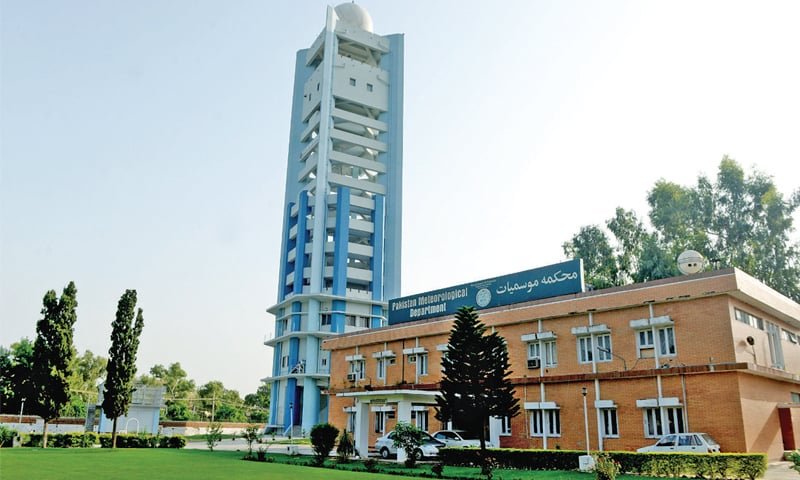
KARACHI — The Pakistan Meteorological Department (PMD) has forecast hot and humid conditions across most districts of Sindh province over the next 24 hours. The weather is expected to be particularly severe in central and upper regions, where daytime temperatures may soar, accompanied by gusty winds. Coastal areas might experience partly cloudy skies with light rain during the evening or night. What Happened The PMD issued a weather advisory on Saturday, highlighting that Sindh is set to endure a period of hot and humid weather. This forecast pertains to the entire province, but the intensity will vary by region. Central and upper districts are likely to face very hot conditions during the day, which could pose challenges for residents in terms of heat management and health risks. Additionally, gusty winds are anticipated in these areas, potentially impacting daily activities and transportation. In contrast, coastal regions such as Karachi may see some respite with partly cloudy conditions and the possibility of light rain in the evening or night. This mixed weather pattern is typical for the monsoon season, where coastal areas occasionally receive showers that provide temporary relief from the heat. A PMD official stated, “We are advising the public to take necessary precautions during this period, especially in the central and upper districts where temperatures are expected to be significantly high.” The department has also urged citizens to stay hydrated and avoid unnecessary exposure to the sun during peak hours. Background Sindh’s climate is characterized by hot summers and mild winters, with the monsoon season bringing occasional rain primarily to the coastal areas. Historically, the province experiences high temperatures during the summer months, often reaching extreme levels in June and July. The monsoon season, which typically spans from July to September, can bring relief in the form of rain, but it also poses challenges such as urban flooding and infrastructure strain in cities like Karachi. In recent years, climate change has exacerbated weather patterns, leading to more frequent and intense heatwaves. The government and various organizations have been working to improve infrastructure and public awareness to mitigate the effects of extreme weather conditions. Why It Matters The forecast of hot and humid weather in Sindh has significant implications for the province’s residents and economy. High temperatures can lead to increased health risks, particularly for vulnerable populations such as the elderly and children. Heat-related illnesses, including heatstroke and dehydration, are common concerns during such periods. Economically, the agricultural sector, which is a vital component of Sindh’s economy, could be adversely affected by the extreme heat. Crops may suffer from heat stress, potentially impacting yields and leading to economic losses for farmers. Additionally, the energy sector may face increased demand as residents rely more heavily on air conditioning and cooling systems, potentially leading to power shortages or outages. On a broader scale, the weather forecast underscores the ongoing challenges posed by climate change, which is expected to increase the frequency and severity of extreme weather events in Pakistan and globally. This situation calls for enhanced preparedness and adaptive measures to protect communities and sustain economic activities. Key Takeaways The PMD has forecast hot and humid weather across Sindh, with very hot conditions in central and upper districts. Coastal areas may experience partly cloudy skies and light rain during the evening or night. Residents are advised to take precautions against heat-related health risks and to stay hydrated. The agricultural sector may face challenges due to heat stress on crops, impacting yields. The forecast highlights the broader issue of climate change and the need for adaptive measures. Source Attribution This article is based on official statements and public communications from the Pakistan Meteorological Department. Author: NEN Editorial Desk | Editor: NEN Newsroom | Fact Checked By: NEN Editorial Team Author: NEN Editorial Desk  |  Editor: NEN Newsroom  |  Last Updated: July 11, 2026  |  Source: NEN Reporter This article was produced by the NEN Editorial Desk in accordance with NEN Agency’s Editorial Policy and Fact-Checking Policy.

Pakistan

Government Allocates Rs 299 Million for Cellular Expansion in AJK and GB

ISLAMABAD — The government of Pakistan has announced a proposed allocation of Rs 298.875 million for the fiscal year 2026-27 to further expand cellular services in Azad Jammu and Kashmir (AJK) and Gilgit-Baltistan (GB). This initiative is part of the ongoing project titled “Expansion of Cellular Services in AJK and GB Phase-IV,” which aims to enhance mobile connectivity in these regions. What Happened The government is focusing on improving telecommunications infrastructure in AJK and GB, with an overall project budget of Rs 1.997 billion. The initiative began in 2024 and is expected to be completed by 2027. As per official documents, the project has already achieved 90% physical progress and 85% financial progress, with Rs 1.698 billion spent to date. The remaining Rs 298.875 million is proposed for the fiscal year 2026-27 to complete the project. The project involves the installation of 28 essential cellular sites, along with the necessary civil infrastructure, to extend 4G services and improve communication facilities in these geographically challenging areas. Currently, civil work on 23 sites has been completed, and power has been extended to all these locations. Moreover, 4G cellular equipment has been commissioned at these sites, significantly enhancing mobile broadband services. Additionally, the project includes the digging and laying of 50 kilometers of optical fiber cable, which is underway. This will bolster network reliability and support stronger backhaul connectivity for cellular services, ensuring more robust and reliable communication channels in AJK and GB. Background The expansion of cellular services in AJK and GB is part of a broader governmental strategy to bridge the digital divide in Pakistan. Historically, these regions have faced challenges in accessing reliable telecom services due to their difficult terrain and remote locations. The government’s initiative aligns with its policy to extend modern telecom infrastructure to less-connected areas, ensuring that all citizens have access to digital communication. Previous phases of the project have laid the groundwork for the current expansion, focusing on establishing a basic telecom infrastructure that can support advanced services like 4G. The initiative reflects a continued effort to promote digital inclusion and economic development in these regions. Why It Matters The expansion of cellular services in AJK and GB holds significant implications for the local population and the broader socio-economic landscape of Pakistan. Improved mobile connectivity will benefit local communities, students, businesses, tourists, emergency services, and public sector institutions by providing better access to digital communication. This is particularly crucial in areas where traditional communication methods are limited. Enhanced cellular coverage can facilitate online education, enabling students in remote areas to access educational resources and participate in digital learning platforms. It also supports telemedicine, allowing healthcare providers to offer remote consultations and services, which is vital in regions with limited medical facilities. Furthermore, better connectivity can boost e-commerce and tourism by providing businesses with the tools to reach wider markets and attract more visitors. The improved infrastructure will also aid in disaster response, ensuring that emergency services can communicate effectively during crises. Overall, this initiative is a step towards reducing regional disparities in digital access, fostering economic growth, and improving the quality of life for residents in AJK and GB. It underscores the government’s commitment to integrating all regions into Pakistan’s digital economy. Key Takeaways The government has allocated Rs 298.875 million for cellular expansion in AJK and GB for FY2026-27. The project aims to install 28 cellular sites and lay 50 kilometers of optical fiber cable. It is part of a broader initiative to bridge the digital divide in remote regions. Improved connectivity will benefit education, healthcare, e-commerce, and disaster response. The project reflects the government’s commitment to digital inclusion and economic growth. Source Attribution This article is based on official government statements, press releases, and public communications from relevant authorities. Author: NEN Editorial Desk | Editor: NEN Newsroom | Fact Checked By: NEN Editorial Team Author: NEN Editorial Desk  |  Editor: NEN Newsroom  |  Last Updated: July 11, 2026  |  Source: NEN Reporter This article was produced by the NEN Editorial Desk in accordance with NEN Agency’s Editorial Policy and Fact-Checking Policy.

Scroll to Top