
Pakistan

News related to Pakistan in Pakistan and around the world.

Pakistan

Rescue 1122 Deploys Teams in Mardan for Monsoon Flood Response

PESHAWAR — Rescue 1122 Mardan has strategically deployed diving teams equipped with essential rescue gear at Kalpani, Shanki Dhand, and Jalala to effectively respond to emergencies during the monsoon rains and potential flooding. This deployment aims to ensure a swift response to any incidents that may arise during this critical period. What Happened Rescue 1122 Mardan has taken proactive measures by stationing diving teams at key locations susceptible to flooding, including Kalpani, Shanki Dhand, and Jalala. These teams are equipped with necessary rescue gear to address emergencies, particularly drowning incidents, which are a significant concern during the monsoon season. According to Rescue 1122 Mardan, personnel are on high alert to respond promptly to any emergencies that may occur. In addition to deploying rescue teams, Rescue 1122 is conducting public awareness campaigns to educate citizens about the dangers associated with swimming in canals, rivers, and deep water bodies. The public is being urged to avoid such activities and to contact Rescue 1122 immediately in case of any emergency. These efforts are part of a broader strategy to safeguard lives during the ongoing monsoon season and potential floods. The monsoon season in Pakistan often brings heavy rains, leading to flooding in various parts of the country. The deployment of rescue teams is a preventive measure to mitigate the risks associated with these natural events. By positioning teams in vulnerable areas, Rescue 1122 aims to reduce response times and enhance the effectiveness of their operations. Background Rescue 1122 is a well-established emergency service in Pakistan, known for its rapid response capabilities and comprehensive services, including firefighting, medical emergencies, and disaster management. The service has been instrumental in saving lives and providing assistance during natural disasters, particularly during the monsoon season when the risk of flooding is heightened. Historically, monsoon rains have caused significant damage across Pakistan, affecting millions of people and resulting in loss of life and property. The government and emergency services like Rescue 1122 have been working to improve their response strategies and infrastructure to better manage such crises. The deployment of rescue teams in Mardan is part of these ongoing efforts to enhance preparedness and resilience against natural disasters. Why It Matters The deployment of Rescue 1122 teams in Mardan is crucial for several reasons. Firstly, it highlights the proactive approach being taken to address potential emergencies during the monsoon season. By stationing teams in flood-prone areas, Rescue 1122 is enhancing its capacity to respond quickly and effectively, potentially saving lives and reducing the impact of flooding. Economically, the monsoon season can have a significant impact on communities, particularly those reliant on agriculture. Flooding can destroy crops, disrupt transportation, and damage infrastructure, leading to economic losses. By mitigating the effects of flooding through rapid response and public awareness, Rescue 1122 is contributing to the protection of livelihoods and economic stability in the region. Socially, the presence of rescue teams provides a sense of security to the local population, knowing that assistance is readily available in case of an emergency. This can help to alleviate anxiety and encourage communities to take necessary precautions, as emphasized in the public awareness campaigns. Furthermore, the deployment of rescue teams is part of a broader strategy to improve disaster management capabilities in Pakistan. By investing in training, equipment, and public education, the government and emergency services are working towards building a more resilient society capable of withstanding natural disasters. Key Takeaways Rescue 1122 Mardan has deployed diving teams at key locations to address potential emergencies during the monsoon season. Public awareness campaigns are being conducted to educate citizens about the dangers of swimming in canals and rivers. The deployment is part of a broader strategy to enhance disaster management capabilities in Pakistan. The presence of rescue teams provides a sense of security and encourages precautionary measures among the local population. The proactive approach aims to mitigate the economic and social impacts of flooding in the region. Source Attribution This article is based on official government statements, press releases, and public communications from relevant authorities. Author: NEN Editorial Desk | Editor: NEN Newsroom | Fact Checked By: NEN Editorial Team Author: NEN Editorial Desk  |  Editor: NEN Newsroom  |  Last Updated: July 11, 2026  |  Source: NEN Reporter This article was produced by the NEN Editorial Desk in accordance with NEN Agency’s Editorial Policy and Fact-Checking Policy.

Pakistan

Balochistan Coal Miners Receive Rs260 Million in Welfare Grants Since 2019

ISLAMABAD — Balochistan coal miners and their families have received over Rs260 million in welfare assistance through death and marriage grant schemes from 2019 to 2026, according to official documents. This financial support underscores the reliance of miners on welfare in a province where coal mining remains hazardous. What Happened Over the seven-year period from 2019 to 2026, a total of 641 cases received welfare support, comprising 307 death grant cases and 334 marriage grant cases. The disbursements were primarily aimed at providing financial relief to the families of miners who face significant occupational risks. Death grants accounted for the majority of the assistance, with Rs173.24 million distributed across 307 cases. In the fiscal year 2019–20, there were 136 death grant cases, with Rs68 million disbursed. The following year, 29 cases received Rs15.3 million. The number of cases declined slightly to 25 in 2021–22, with Rs15 million released, and further to 18 cases in 2023–24, with Rs11 million disbursed. However, the death grant cases rose again in 2024–25, with 53 cases receiving Rs33.94 million. Marriage grants, totaling Rs87.7 million, were provided in 334 cases. In 2019–20, 33 cases received Rs3.3 million, while in 2020–21, 58 cases were supported with Rs7.8 million. The amount increased significantly in 2023–24, with 61 cases receiving Rs23.60 million. The highest number of marriage grant cases occurred in 2024–25, with 70 cases receiving Rs24 million. Background Balochistan’s coal mining industry is notorious for its challenging and dangerous working conditions. The sector has long been a vital part of the province’s economy, yet it poses significant risks to the miners’ health and safety. The welfare grant schemes, including death and marriage grants, are part of efforts to mitigate the financial hardships faced by miners and their families due to the inherent dangers of the industry. The death grants are intended to provide financial relief to families who have lost a member due to mining-related accidents, while marriage grants help miners’ families manage social and household expenses. Why It Matters The welfare disbursements highlight the ongoing need for financial support in Balochistan’s mining sector, which remains fraught with occupational hazards. The coal mining industry is a significant source of employment in the province, yet it continues to expose workers to life-threatening conditions. The reliance on welfare grants underscores the lack of adequate safety measures and social protection mechanisms for miners. Economically, the grants provide crucial financial assistance to families, helping them cope with the loss of income due to mining accidents or manage expenses for significant life events like marriages. Socially, these grants play a vital role in sustaining the livelihoods of miners’ families, who often depend solely on the income from mining activities. The data also point to the need for improved safety standards and monitoring in the coal mining sector. Strengthening these measures could reduce the number of fatalities and injuries, thereby decreasing the reliance on welfare grants. Furthermore, enhancing social protection for miners could lead to better living conditions and economic stability for their families. Key Takeaways Balochistan coal miners and their families received over Rs260 million in welfare grants from 2019 to 2026. Death grants accounted for Rs173.24 million across 307 cases, while marriage grants totaled Rs87.7 million in 334 cases. The welfare grants highlight the miners’ dependence on financial assistance due to hazardous working conditions. Improved safety and social protection measures are needed to reduce fatalities and reliance on welfare support. The grants provide essential economic relief to miners’ families, helping them manage financial challenges. Source Attribution This article is based on official government statements, press releases, and public communications from relevant authorities. Author: NEN Editorial Desk | Editor: NEN Newsroom | Fact Checked By: NEN Editorial Team Author: NEN Editorial Desk  |  Editor: NEN Newsroom  |  Last Updated: July 11, 2026  |  Source: NEN Reporter This article was produced by the NEN Editorial Desk in accordance with NEN Agency’s Editorial Policy and Fact-Checking Policy.

Pakistan

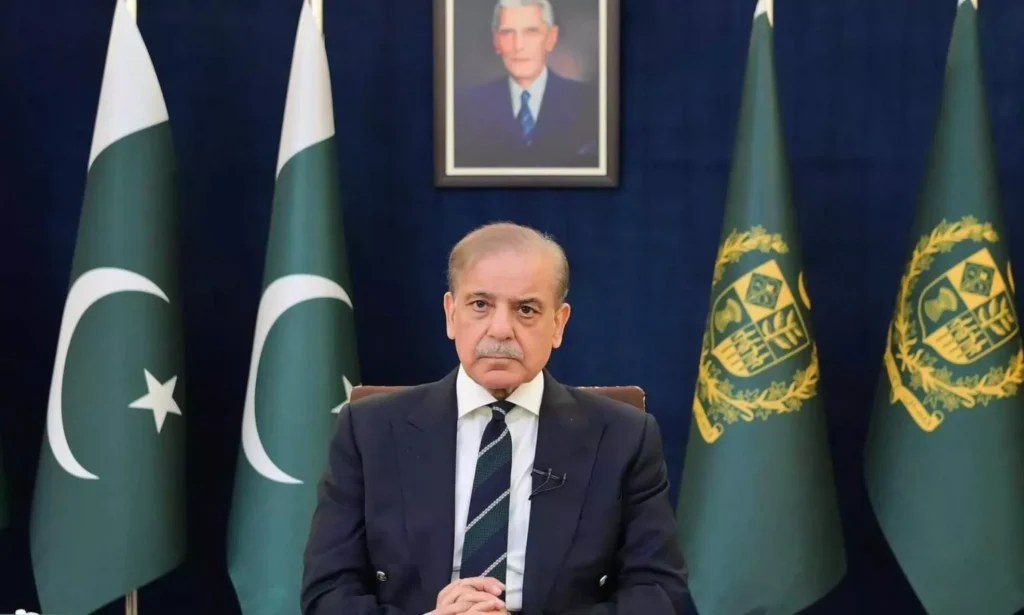
PM Urges Action on Population Growth and Sustainable Development

ISLAMABAD — Prime Minister Shehbaz Sharif has called upon a broad range of stakeholders to address the pressing issue of population growth in Pakistan. On Monday, he emphasized the need for a collaborative approach involving federal and provincial governments, parliamentarians, development partners, civil society, academia, the private sector, religious leaders, the media, and local communities to promote sustainable development and responsible parenthood. What Happened In a statement issued from Islamabad, Prime Minister Shehbaz Sharif highlighted the urgency of addressing Pakistan’s rapidly increasing population, which poses significant challenges to the country’s socio-economic development. He urged stakeholders to recognize population growth as a national issue that requires immediate and coordinated action. The Prime Minister stressed the importance of informed decision-making and the promotion of gender equality as critical components of sustainable development. Prime Minister Sharif stated, “The growing population is a matter of national concern that demands our collective attention and action. It is imperative that we work together to ensure responsible parenthood and promote gender equality to achieve sustainable development goals.” He called for enhanced efforts in family planning and education to empower individuals and communities to make informed choices regarding family size. The Prime Minister’s call to action comes amid concerns about the strain that population growth places on Pakistan’s resources, infrastructure, and public services. With a current population exceeding 240 million, Pakistan is the fifth most populous country in the world. The rapid population increase has significant implications for the country’s economic growth, healthcare system, education, and environmental sustainability. Background Pakistan’s population growth rate has been a subject of concern for several decades. The country has struggled with high fertility rates and limited access to family planning services, particularly in rural areas. Previous government initiatives aimed at curbing population growth have faced challenges due to cultural, religious, and socio-economic factors. The government has implemented various policies and programs to address population growth, including the establishment of the Ministry of National Health Services, Regulations, and Coordination, which oversees family planning and reproductive health initiatives. Despite these efforts, progress has been slow, and the population continues to grow at an alarming rate. Why It Matters The rapid population growth in Pakistan has far-reaching implications for the country’s development trajectory. Economically, the increasing population places a significant burden on the country’s resources and infrastructure. The demand for jobs, housing, healthcare, and education continues to rise, making it challenging for the government to meet the needs of its citizens. Socially, the population boom exacerbates issues such as poverty, unemployment, and inequality. With a large proportion of the population under the age of 25, there is a pressing need for adequate educational and employment opportunities to harness the potential of this demographic dividend. Failure to do so could lead to increased social unrest and instability. Internationally, Pakistan’s population growth affects its ability to meet global commitments, such as the United Nations Sustainable Development Goals (SDGs). Addressing population growth is critical to achieving targets related to poverty reduction, health, education, and gender equality. Moreover, the environmental impact of population growth cannot be overlooked. Increased demand for natural resources, such as water and energy, coupled with the challenges of climate change, poses significant risks to Pakistan’s environmental sustainability. Effective population management is essential to mitigate these risks and ensure a sustainable future for the country. Key Takeaways Prime Minister Shehbaz Sharif has called for urgent action on Pakistan’s population growth. He emphasized the need for a collaborative approach involving multiple stakeholders. Pakistan’s population exceeds 240 million, making it the fifth most populous country globally. Rapid population growth poses challenges to economic, social, and environmental sustainability. Addressing population growth is crucial for achieving national and international development goals. Source Attribution This article is based on official government statements and public communications from relevant authorities. Author: NEN Editorial Desk | Editor: NEN Newsroom | Fact Checked By: NEN Editorial Team Author: NEN Editorial Desk  |  Editor: NEN Newsroom  |  Last Updated: July 11, 2026  |  Source: NEN Reporter This article was produced by the NEN Editorial Desk in accordance with NEN Agency’s Editorial Policy and Fact-Checking Policy.

Pakistan

National Inter-Departmental Netball Championship Set for July 31 in Karachi

ISLAMABAD — The Pakistan Netball Federation has announced that the National Inter-Departmental Netball Championship will commence on July 31 in Karachi. The event will see participation from six men’s and women’s teams representing various departments, as confirmed by Sameen Malik, President of the Pakistan Netball Federation. What Happened The National Inter-Departmental Netball Championship is scheduled to begin on July 31, with Karachi hosting the event under the auspices of the Pakistan Netball Federation. According to Sameen Malik, the federation’s president, the championship will feature six teams each in the men’s and women’s categories. These teams represent major departments, including the Pakistan Army, Wapda, Pakistan Navy, Pakistan Air Force, Higher Education Commission, and Police. Sameen Malik emphasized the importance of the tournament in promoting netball across the country and providing a platform for athletes to showcase their skills. “We are excited to bring together top teams from different departments to compete at a national level,” Malik stated. The championship aims to foster competitive spirit and enhance the standard of netball in Pakistan. The event will be conducted following all necessary health protocols to ensure the safety of participants amid ongoing concerns related to the COVID-19 pandemic. The federation has made arrangements to adhere to guidelines issued by health authorities, ensuring a safe environment for players and officials. Background Netball has been gaining popularity in Pakistan, with the Pakistan Netball Federation actively working to develop the sport at both grassroots and professional levels. The federation organizes various tournaments throughout the year to promote the game and identify new talent. The National Inter-Departmental Championship is one of the key events in the federation’s calendar, providing an opportunity for departmental teams to compete at a high level. Historically, the championship has been a stepping stone for players aspiring to join the national team. Past events have seen significant participation and have contributed to the growth of netball in the country. The Pakistan Netball Federation has been instrumental in organizing training camps and workshops to improve the skills of players and coaches alike. Why It Matters The National Inter-Departmental Netball Championship holds significant importance for the development of netball in Pakistan. By bringing together teams from various departments, the championship not only promotes the sport but also encourages healthy competition among participants. This event is crucial in identifying talented players who can potentially represent Pakistan at international levels. Economically, the championship provides a boost to local businesses in Karachi, as it attracts players, officials, and spectators from different parts of the country. Hotels, restaurants, and transport services are likely to benefit from the influx of visitors, contributing to the local economy. Socially, the event fosters unity and camaraderie among participants from diverse backgrounds. It serves as a platform for cultural exchange and mutual respect among players representing different departments. The championship also highlights the role of sports in promoting gender equality, as it features both men’s and women’s teams competing on an equal footing. Internationally, successful execution of the championship can enhance Pakistan’s reputation as a host for sporting events, potentially attracting future international netball competitions. This aligns with the broader goal of positioning Pakistan as a hub for sports in the region. Key Takeaways The National Inter-Departmental Netball Championship will begin on July 31 in Karachi. Six men’s and women’s teams from various departments will participate. The event aims to promote netball and identify new talent for national representation. Economic benefits are expected for local businesses in Karachi. Successful hosting could boost Pakistan’s international sports reputation. Source Attribution This article is based on official statements from the Pakistan Netball Federation and public communications from relevant authorities. Author: NEN Editorial Desk | Editor: NEN Newsroom | Fact Checked By: NEN Editorial Team Author: NEN Editorial Desk  |  Editor: NEN Newsroom  |  Last Updated: July 10, 2026  |  Source: NEN Reporter This article was produced by the NEN Editorial Desk in accordance with NEN Agency’s Editorial Policy and Fact-Checking Policy.
Pakistan

National Chess Championship Commences in Islamabad

ISLAMABAD — The 35th Men’s and 10th Women’s National Chess Championship commenced on Friday at the Pakistan Sports Complex, drawing over 250 participants from across the nation. The event, held at Rodham Hall, is set to span six days and was officially inaugurated by Federal Secretary for Inter-Provincial Coordination Mohyuddin Ahmad. What Happened The National Chess Championship, a significant event in Pakistan’s chess calendar, began with an impressive turnout of both male and female players representing various regions. The competition aims to identify and nurture talent in the sport, providing a platform for players to showcase their skills and compete at a national level. The championship is structured to accommodate a series of matches over the course of six days, with players competing in a round-robin format to advance to the finals. Federal Secretary Mohyuddin Ahmad, while inaugurating the event, emphasized the importance of chess as a strategic sport that enhances cognitive abilities and strategic thinking. He stated, “Chess is not just a game but a tool for mental development and strategic planning. We are proud to host such a significant event that brings together talent from all over Pakistan.” The championship is organized by the Pakistan Chess Federation in collaboration with the Ministry of Inter-Provincial Coordination, highlighting the government’s commitment to promoting sports and intellectual activities among the youth. Background The National Chess Championship has been a staple in Pakistan’s sporting events for decades, with the men’s championship marking its 35th edition and the women’s its 10th. Historically, the championship has served as a breeding ground for many of the country’s top chess players, some of whom have gone on to achieve international recognition. The event is part of a broader initiative to promote chess at the grassroots level, encouraging participation from schools and local clubs. Chess in Pakistan has a rich history, with the game being played in various forms for centuries. The formal organization of chess as a competitive sport began in the mid-20th century, leading to the establishment of the Pakistan Chess Federation. Over the years, the federation has worked tirelessly to organize events, provide training, and facilitate international participation for Pakistani players. Why It Matters The National Chess Championship is more than just a competition; it is a celebration of intellectual prowess and strategic acumen. For many participants, it represents an opportunity to gain recognition and potentially secure sponsorships or scholarships. The event also plays a crucial role in promoting mental sports in a country where physical sports often dominate the landscape. Economically, the championship can have a positive impact by attracting visitors and boosting local businesses. It also encourages the development of chess clubs and associations, which can lead to increased investment in the sport. Socially, chess is known to improve concentration, problem-solving skills, and patience, making it an invaluable tool for educational development. On an international level, successful players from the national championship often represent Pakistan in global tournaments, contributing to the country’s reputation in the international chess community. This can lead to increased opportunities for cultural exchange and international collaboration in the realm of sports. Key Takeaways The National Chess Championship is underway in Islamabad, featuring over 250 players. The event spans six days and is held at the Pakistan Sports Complex. Federal Secretary Mohyuddin Ahmad highlighted the cognitive benefits of chess. The championship aims to promote chess and identify new talent in Pakistan. Successful participants may gain opportunities to represent Pakistan internationally. Source Attribution This article is based on official government statements, press releases, and public communications from relevant authorities. Author: NEN Editorial Desk | Editor: NEN Newsroom | Fact Checked By: NEN Editorial Team Author: NEN Editorial Desk  |  Editor: NEN Newsroom  |  Last Updated: July 10, 2026  |  Source: NEN Reporter This article was produced by the NEN Editorial Desk in accordance with NEN Agency’s Editorial Policy and Fact-Checking Policy.
Pakistan

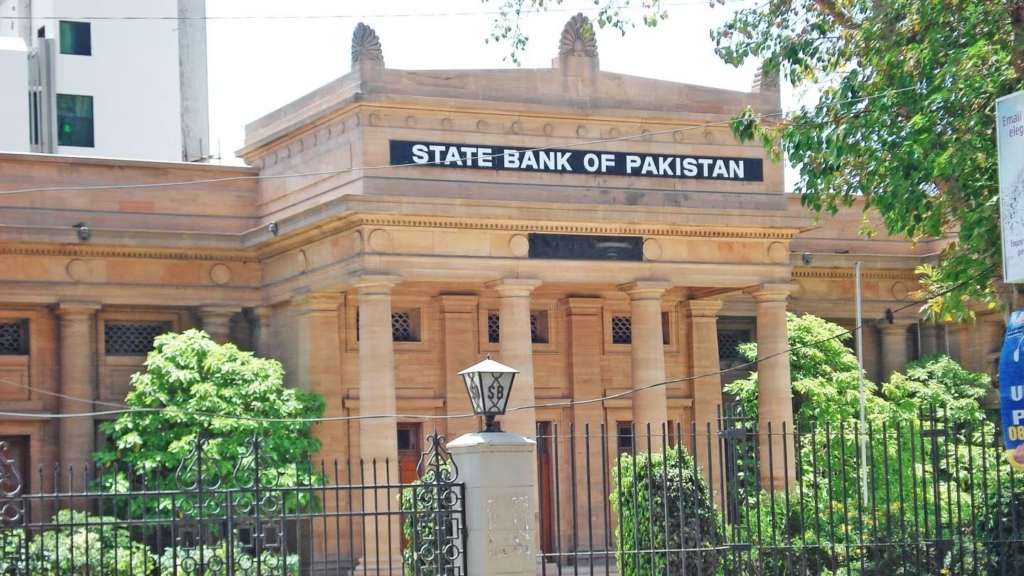
State Bank of Pakistan Infuses Rs 2.77 Trillion to Stabilize Liquidity

ISLAMABAD — The State Bank of Pakistan (SBP) injected Rs 2.77 trillion into the financial market on Friday through Reverse Repo Purchase and Shariah Compliant Mudarabah based Open Market Operations (OMO). This move aims to maintain adequate liquidity levels within the banking system, ensuring stability in the financial sector. What Happened The SBP’s decision to inject Rs 2,767.5 billion into the market comes as part of its ongoing efforts to manage liquidity and support the banking sector. The injection was executed through a combination of Reverse Repo Purchase and Shariah Compliant Mudarabah based OMOs. These mechanisms are designed to provide short-term liquidity to banks, enabling them to meet their immediate funding needs. The Reverse Repo Purchase is a common monetary policy tool used by central banks to manage liquidity. It involves the central bank purchasing securities from commercial banks with an agreement to sell them back at a later date. This process temporarily increases the amount of money in the banking system, allowing banks to lend more freely. On the other hand, the Shariah Compliant Mudarabah based OMO is tailored to meet the needs of Islamic banking institutions. Mudarabah is a form of partnership where one party provides capital while the other manages the enterprise. In this context, the SBP provides capital to Islamic banks, which then manage the funds according to Shariah principles. The SBP’s injection of liquidity is a routine measure aimed at ensuring that banks have sufficient funds to operate efficiently. This is crucial for maintaining the stability of the financial system, especially in times of economic uncertainty. Background The State Bank of Pakistan regularly conducts open market operations to manage liquidity in the banking system. These operations are part of the central bank’s broader monetary policy framework, which seeks to control inflation, stabilize the currency, and support economic growth. In recent years, Pakistan’s economy has faced several challenges, including rising inflation, currency depreciation, and fiscal deficits. The SBP has been actively using monetary policy tools to address these issues, including adjusting interest rates and conducting OMOs. The use of Shariah Compliant OMOs reflects the growing importance of Islamic banking in Pakistan. Islamic banks operate according to Shariah law, which prohibits interest-based transactions. As a result, the SBP has developed specific tools to provide liquidity to these institutions without compromising their religious principles. Why It Matters The SBP’s injection of Rs 2.77 trillion is significant for several reasons. Firstly, it underscores the central bank’s commitment to maintaining financial stability in Pakistan. By ensuring that banks have access to sufficient liquidity, the SBP helps prevent potential disruptions in the financial system. Secondly, this move highlights the importance of liquidity management in the current economic climate. With inflationary pressures and exchange rate volatility, maintaining adequate liquidity levels is crucial for the smooth functioning of the banking sector. This, in turn, supports economic activity by ensuring that businesses and consumers have access to credit. Moreover, the inclusion of Shariah Compliant OMOs demonstrates the SBP’s responsiveness to the needs of Islamic banking institutions. This is essential for fostering the growth of Islamic finance in Pakistan, which has become an increasingly important part of the country’s financial landscape. Finally, the SBP’s actions have broader implications for economic policy in Pakistan. By managing liquidity effectively, the central bank can help stabilize the currency, control inflation, and support economic growth. This is particularly important as Pakistan seeks to navigate the challenges posed by global economic uncertainties and domestic fiscal pressures. Key Takeaways The State Bank of Pakistan injected Rs 2.77 trillion into the market to maintain liquidity. The injection was conducted through Reverse Repo Purchase and Shariah Compliant Mudarabah based OMOs. These operations are part of the SBP’s broader monetary policy framework to stabilize the financial system. The move highlights the importance of liquidity management amid economic challenges. The SBP’s actions support the growth of Islamic banking in Pakistan. Source Attribution This article is based on official government statements, press releases, and public communications from relevant authorities. Author: NEN Editorial Desk | Editor: NEN Newsroom | Fact Checked By: NEN Editorial Team Author: NEN Editorial Desk  |  Editor: NEN Newsroom  |  Last Updated: July 10, 2026  |  Source: NEN Reporter This article was produced by the NEN Editorial Desk in accordance with NEN Agency’s Editorial Policy and Fact-Checking Policy.

Pakistan

BOI Minister Reviews Regulatory Reforms in Dairy and Beverage Sector

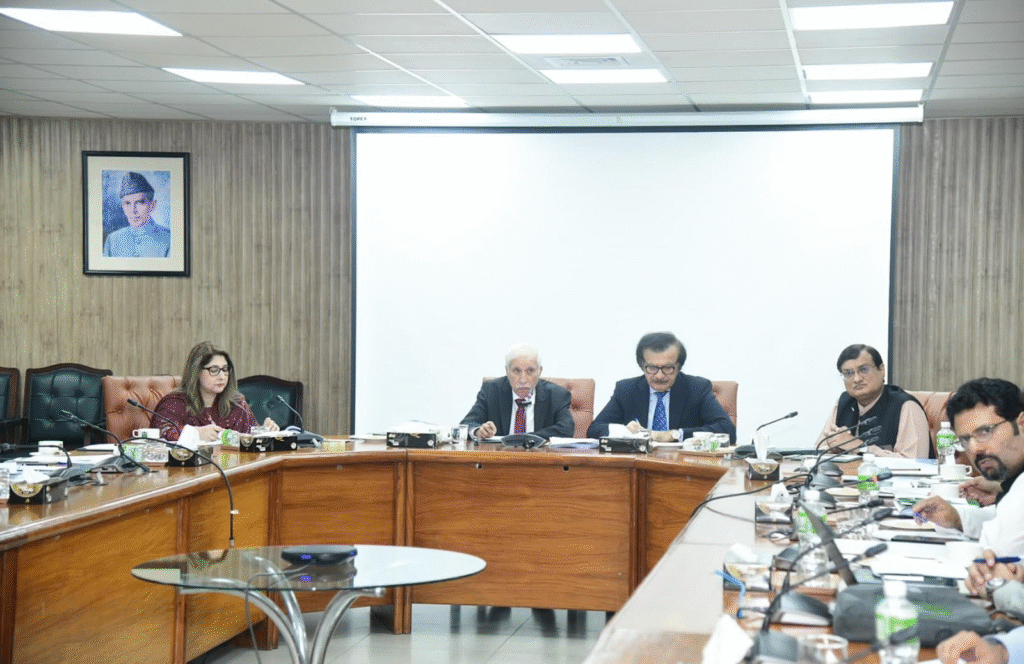
ISLAMABAD — Federal Minister for Board of Investment (BOI), Qaiser Ahmed Sheikh, convened a meeting of the Cabinet Committee on Regulatory Reforms (CCoRR) on July 10 to address regulatory challenges and propose reforms in Pakistan’s dairy and beverage sectors. The session, held in Islamabad, was attended by key stakeholders, including Special Assistant to the Prime Minister on Industries and Production, Haroon Akhtar. What Happened The meeting, chaired by Federal Minister Qaiser Ahmed Sheikh, focused on identifying and addressing the regulatory hurdles faced by the dairy and beverage industries in Pakistan. The session was part of a broader initiative by the government to streamline regulations and enhance the ease of doing business in these vital sectors. The discussions aimed at proposing actionable reforms that could facilitate growth and investment. During the meeting, Minister Sheikh emphasized the importance of regulatory reforms in fostering a conducive environment for business operations. He stated, “Our goal is to ensure that the regulatory framework supports rather than hinders industry growth.” The committee reviewed existing regulations, identifying areas where simplification and modernization could yield significant benefits. Special Assistant to the Prime Minister, Haroon Akhtar, highlighted the potential of the dairy and beverage sectors to contribute to Pakistan’s economic growth. He noted that these industries not only provide essential products to the population but also offer substantial employment opportunities. Akhtar stressed the need for reforms that would attract both local and foreign investment, thereby boosting production capacities and enhancing product quality. The meeting concluded with a consensus on several proposed reforms, which will be further developed and presented to the relevant authorities for approval. These reforms are expected to address issues such as licensing, quality standards, and import-export regulations, aiming to create a more business-friendly environment. Background The dairy and beverage sectors are critical components of Pakistan’s economy, contributing significantly to the country’s GDP. Historically, these industries have faced numerous regulatory challenges, including complex licensing procedures, stringent quality control measures, and fluctuating import-export policies. The government’s initiative to reform these regulations is part of a broader strategy to improve Pakistan’s ranking in the World Bank’s Ease of Doing Business Index. In recent years, the government has undertaken various measures to simplify business regulations, aiming to attract investment and stimulate economic growth. The BOI has been at the forefront of these efforts, working closely with industry stakeholders to identify and address regulatory bottlenecks. Why It Matters The regulatory reforms proposed in the dairy and beverage sectors hold significant implications for Pakistan’s economy. By streamlining regulations, the government aims to reduce the cost and complexity of doing business, thereby encouraging investment and expansion in these industries. This is particularly important given the sectors’ potential to generate employment and contribute to food security. Economically, the reforms are expected to enhance the competitiveness of Pakistani dairy and beverage products in both domestic and international markets. By improving quality standards and simplifying export procedures, the government hopes to increase the export potential of these industries, thereby boosting foreign exchange earnings. Socially, the reforms could lead to improved product quality and safety, benefiting consumers across the country. By aligning local standards with international best practices, the government aims to ensure that Pakistani consumers have access to high-quality dairy and beverage products. Politically, the success of these reforms could strengthen the government’s position by demonstrating its commitment to economic development and regulatory efficiency. This could enhance investor confidence and pave the way for further reforms in other sectors. Key Takeaways Federal Minister Qaiser Ahmed Sheikh chaired a meeting to discuss regulatory reforms in the dairy and beverage sectors. The meeting focused on simplifying regulations to enhance business operations and attract investment. Proposed reforms aim to address licensing, quality standards, and import-export regulations. Reforms are expected to boost economic growth, employment, and product quality. The initiative aligns with the government’s broader strategy to improve the ease of doing business in Pakistan. Source Attribution This article is based on official government statements, press releases, and public communications from relevant authorities. Author: NEN Editorial Desk | Editor: NEN Newsroom | Fact Checked By: NEN Editorial Team Author: NEN Editorial Desk  |  Editor: NEN Newsroom  |  Last Updated: July 10, 2026  |  Source: Press Release from Government of Pakistan This article was produced by the NEN Editorial Desk in accordance with NEN Agency’s Editorial Policy and Fact-Checking Policy.

Pakistan

NBP Releases Latest Foreign Exchange Rates for Major Currencies

KARACHI — The Treasury Management Division of the National Bank of Pakistan (NBP) announced the latest exchange rates for various foreign currencies on Friday, providing updated figures for both telegraphic transfer (TT) selling and buying rates. These rates are crucial for businesses and individuals engaged in foreign exchange transactions across Pakistan. What Happened The National Bank of Pakistan, a key financial institution in the country, released its updated exchange rates for major currencies on July 10. According to the announcement, the US dollar is being sold at 278.45 and bought at 277.95. The euro is listed with a selling rate of 318.79 and a buying rate of 318.22. The British pound is priced at 374.21 for selling and 373.53 for buying. Other significant currencies such as the Japanese yen, Swiss franc, Canadian dollar, and Australian dollar also saw updated rates. The yen is being sold at 1.7236 and bought at 1.7205, while the Swiss franc’s rates are 346.40 for selling and 345.78 for buying. The Canadian dollar is listed at 196.82 for selling and 196.47 for buying, and the Australian dollar is at 193.80 for selling and 193.46 for buying. Additional currencies include the Swedish krona, Norwegian krone, Danish krone, and the New Zealand dollar, with selling rates of 28.90, 28.74, 42.65, and 161.04 respectively. The buying rates for these currencies are slightly lower, reflecting typical market practices. For Asian currencies, the Singapore dollar is being sold at 215.77 and bought at 215.38, while the Hong Kong dollar is at 35.53 for selling and 35.46 for buying. The Chinese yuan is listed at 41.05 for selling and 40.98 for buying, and the Korean won is at 0.1845 for selling and 0.1841 for buying. Middle Eastern currencies such as the UAE dirham, Saudi riyal, and Qatari riyal are also included, with the dirham being sold at 75.82 and bought at 75.68, the riyal at 74.16 for selling and 74.03 for buying, and the Qatari riyal at 76.39 for selling and 76.25 for buying. The Kuwaiti dinar, one of the highest-valued currencies, is sold at 904.94 and bought at 903.32. Background The National Bank of Pakistan regularly updates its foreign exchange rates to reflect changes in the global currency markets. These rates are essential for various economic activities, including international trade, investments, and remittances. The bank’s role in setting these rates is part of its broader mandate to manage Pakistan’s financial stability and support economic growth. Historically, exchange rates have been influenced by numerous factors, including geopolitical developments, economic indicators, and central bank policies. In Pakistan, the exchange rate policy has evolved over the years, with the State Bank of Pakistan playing a pivotal role in maintaining currency stability. Why It Matters The release of updated exchange rates by the NBP is significant for several reasons. Firstly, it directly affects businesses engaged in import and export activities, as currency fluctuations can impact profit margins and pricing strategies. Accurate and timely exchange rate information allows businesses to make informed decisions regarding their international transactions. For individuals, particularly those who receive remittances from abroad or plan to travel internationally, these rates determine the value of their currency exchanges. The exchange rate can influence the purchasing power of remittances, which are a vital source of income for many families in Pakistan. On a broader scale, exchange rates are an indicator of economic health and investor confidence. A stable currency can attract foreign investment, while volatility might deter potential investors. Therefore, the NBP’s regular updates are crucial for maintaining transparency and trust in the financial system. Key Takeaways The National Bank of Pakistan has updated its exchange rates for major currencies. Key currencies include the US dollar, euro, British pound, and Japanese yen. Exchange rates impact businesses, remittances, and international travel. Stable exchange rates are crucial for economic stability and investor confidence. NBP’s role in managing exchange rates supports Pakistan’s financial system. Source Attribution This article is based on official government statements, press releases, and public communications from relevant authorities. Author: NEN Editorial Desk | Editor: NEN Newsroom | Fact Checked By: NEN Editorial Team Author: NEN Editorial Desk  |  Editor: NEN Newsroom  |  Last Updated: July 10, 2026  |  Source: Press Release from Government of Pakistan This article was produced by the NEN Editorial Desk in accordance with NEN Agency’s Editorial Policy and Fact-Checking Policy.

Pakistan

Government Increases Petrol And Diesel Prices By Over Rs13 Per Litre

ISLAMABAD — The Government of Pakistan has announced a significant increase in fuel prices, effective July 11, 2026. The price of petrol has been raised by Rs13.18 per litre, while high-speed diesel (HSD) will see an increase of Rs13.80 per litre, according to a notification from the Ministry of Energy (Petroleum Division). What Happened The Ministry of Energy issued a notification detailing the new fuel prices, which will be applicable for the upcoming week. The price adjustment reflects changes in the international oil market and the depreciation of the Pakistani rupee against the US dollar. The new price for petrol, also known as Motor Spirit (MS), will be Rs13.18 higher per litre, while high-speed diesel will cost an additional Rs13.80 per litre. This adjustment comes as part of the government’s routine review of fuel prices, which are typically revised bi-weekly. The Ministry of Energy stated that the increase is necessary to manage the fiscal deficit and align domestic fuel prices with global market trends. The notification emphasized that the government is committed to ensuring the availability of fuel at competitive prices, despite the challenging economic conditions. Fuel price adjustments are a common practice in Pakistan, where the government seeks to balance the need for revenue with the economic impact on consumers. The latest increase is expected to affect transportation costs, potentially leading to higher prices for goods and services across the country. Background Fuel prices in Pakistan are influenced by several factors, including international oil prices, exchange rates, and domestic taxation policies. Historically, fluctuations in the global oil market have had a direct impact on local fuel prices. The government uses a pricing mechanism that adjusts prices every two weeks based on these variables. In recent years, Pakistan has faced economic challenges, including a growing fiscal deficit and inflationary pressures. The government has been working to stabilize the economy through various measures, including adjustments to fuel prices. These changes are often met with public scrutiny and can lead to protests and strikes, particularly from the transportation sector. Previous adjustments have been influenced by agreements with international financial institutions, such as the International Monetary Fund (IMF), which often require fiscal reforms as part of loan agreements. The government aims to balance these requirements with the need to minimize the economic burden on citizens. Why It Matters The increase in fuel prices is likely to have a significant impact on Pakistan’s economy and its citizens. Higher fuel costs can lead to increased transportation expenses, which may result in higher prices for essential goods and services. This, in turn, can exacerbate inflationary pressures, affecting the purchasing power of consumers. The transportation sector, which relies heavily on diesel, is expected to be particularly affected. Higher operational costs for transporters could lead to increased fares for public transportation and higher freight charges for goods. This could have a ripple effect on the cost of living, impacting households across the country. Economically, the government’s decision to raise fuel prices is part of a broader strategy to manage the fiscal deficit and stabilize the economy. However, it also poses challenges for the government in terms of public perception and potential backlash from affected sectors. Internationally, the alignment of domestic fuel prices with global market trends is seen as a necessary step to maintain economic stability and meet international obligations. However, it requires careful management to ensure that the burden on citizens is minimized while achieving fiscal objectives. Key Takeaways The government has increased petrol prices by Rs13.18 and diesel by Rs13.80 per litre. The price adjustment is effective from July 11, 2026, and reflects global market trends. Higher fuel costs are expected to impact transportation expenses and inflation. The decision is part of efforts to manage the fiscal deficit and stabilize the economy. Public and sectoral reactions could pose challenges for the government. Source Attribution This article is based on official government statements, press releases, and public communications from relevant authorities. Author: NEN Editorial Desk | Editor: NEN Newsroom | Fact Checked By: NEN Editorial Team Author: NEN Editorial Desk  |  Editor: NEN Newsroom  |  Last Updated: July 10, 2026  |  Source: NEN Reporter This article was produced by the NEN Editorial Desk in accordance with NEN Agency’s Editorial Policy and Fact-Checking Policy.

Pakistan

Pakistan-South Africa Women’s U19 T20 Series Set for July 14-24 in Karachi

KARACHI — The Pakistan Women’s U19 cricket team is set to face South Africa Women’s U19 in a five-match T20 series at Karachi’s National Bank Stadium from July 14 to 24. This series marks a significant event in the women’s cricket calendar, providing a platform for young talent to showcase their skills on an international stage. What Happened The T20 series between the Pakistan and South Africa Women’s U19 teams will commence on July 14, with matches scheduled to start at 8 pm local time. The South African team is expected to arrive in Karachi on the evening of July 10. Both teams will engage in training sessions on July 11 and 12, starting at 7 pm at the National Bank Stadium. These sessions are designated as ‘vision only’ opportunities, meaning they are closed to the public and media. On July 13, the captains of both teams will participate in a pre-series press conference and trophy unveiling at 6:30 pm, followed by another training session. The series will officially kick off on July 14 with the first T20 match. Subsequent matches are scheduled for July 17, 19, 22, and 24. The Pakistan Cricket Board (PCB) plans to provide digital interviews with the top performers after each match, offering insights into the players’ perspectives and performances. Rest days are planned for July 15 and 20, with no media activities scheduled. Training sessions will resume on July 16, 18, and 21, maintaining the ‘vision only’ format. The series will culminate with the fifth and final T20 match on July 24. Background This series is part of ongoing efforts to develop women’s cricket at the grassroots level. The Pakistan Women’s U19 team has been actively participating in international fixtures to gain exposure and experience. Similarly, South Africa’s U19 team has been involved in various international tours, contributing to the growth and competitiveness of women’s cricket globally. Historically, women’s cricket in Pakistan has seen significant developments over the past decade, with increased investment in infrastructure and training. The PCB has been instrumental in organizing domestic leagues and international series to provide more opportunities for female cricketers. Why It Matters The upcoming T20 series is crucial for several reasons. Firstly, it provides a platform for young female athletes to gain international exposure, which is vital for their development and the future of women’s cricket in both countries. The series also highlights the growing interest and investment in women’s sports, reflecting broader societal changes towards gender equality in sports. Economically, the series can boost local tourism and business in Karachi, as it attracts visitors and media attention. The matches also serve as an opportunity for sponsors and advertisers to engage with a diverse audience, promoting brands and products. On a social level, the series encourages young girls to participate in sports, breaking traditional gender norms and inspiring future generations. The visibility of successful female athletes can have a profound impact on societal attitudes towards women’s participation in sports. Internationally, the series strengthens the cricketing ties between Pakistan and South Africa, fostering goodwill and collaboration. Such sporting events can serve as a bridge between nations, promoting cultural exchange and mutual respect. Key Takeaways The Pakistan-South Africa Women’s U19 T20 series will take place from July 14 to 24 in Karachi. Matches are scheduled to start at 8 pm local time, with rest days on July 15 and 20. The series provides international exposure for young female cricketers, crucial for their development. The event boosts local economy and promotes gender equality in sports. It strengthens international cricketing ties between Pakistan and South Africa. Source Attribution This article is based on official government statements, press releases, and public communications from relevant authorities. Author: NEN Editorial Desk | Editor: NEN Newsroom | Fact Checked By: NEN Editorial Team Author: NEN Editorial Desk  |  Editor: NEN Newsroom  |  Last Updated: July 10, 2026  |  Source: NEN Reporter This article was produced by the NEN Editorial Desk in accordance with NEN Agency’s Editorial Policy and Fact-Checking Policy.

Scroll to Top