
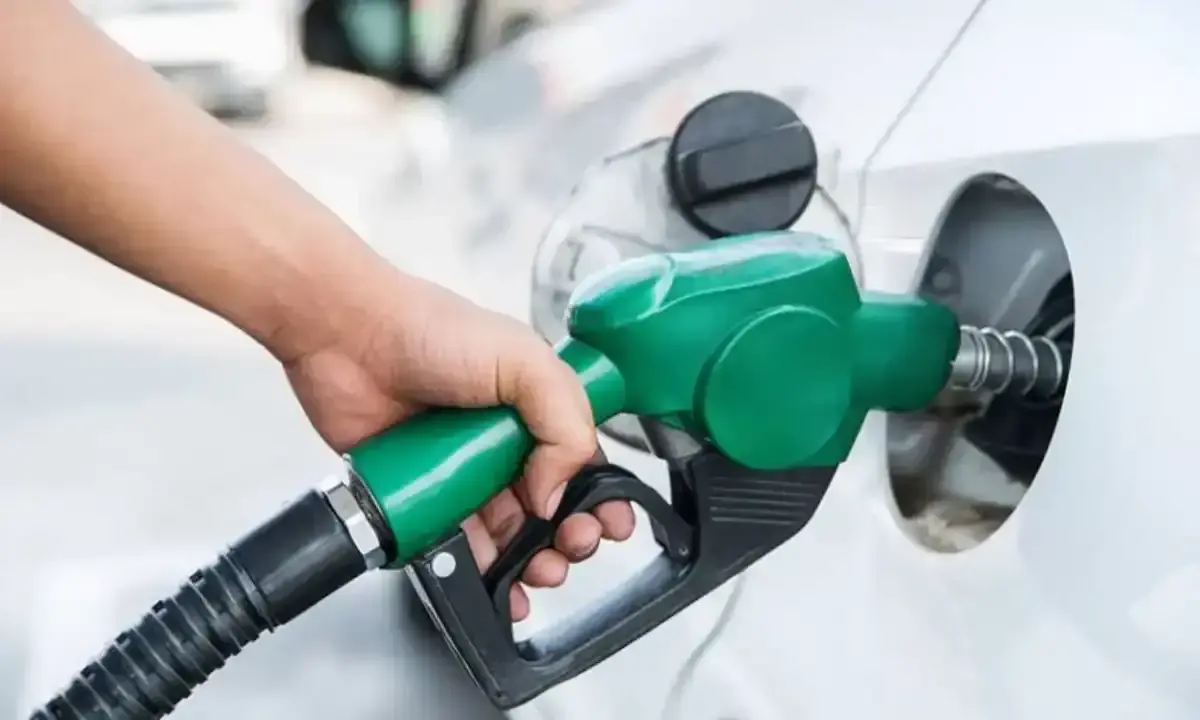
ISLAMABAD — The Government of Pakistan has announced a significant increase in fuel prices, effective July 11, 2026. The price of petrol has been raised by Rs13.18 per litre, while high-speed diesel (HSD) will see an increase of Rs13.80 per litre, according to a notification from the Ministry of Energy (Petroleum Division).
What Happened
The Ministry of Energy issued a notification detailing the new fuel prices, which will be applicable for the upcoming week. The price adjustment reflects changes in the international oil market and the depreciation of the Pakistani rupee against the US dollar. The new price for petrol, also known as Motor Spirit (MS), will be Rs13.18 higher per litre, while high-speed diesel will cost an additional Rs13.80 per litre.
This adjustment comes as part of the government’s routine review of fuel prices, which are typically revised bi-weekly. The Ministry of Energy stated that the increase is necessary to manage the fiscal deficit and align domestic fuel prices with global market trends. The notification emphasized that the government is committed to ensuring the availability of fuel at competitive prices, despite the challenging economic conditions.
Fuel price adjustments are a common practice in Pakistan, where the government seeks to balance the need for revenue with the economic impact on consumers. The latest increase is expected to affect transportation costs, potentially leading to higher prices for goods and services across the country.
Background
Fuel prices in Pakistan are influenced by several factors, including international oil prices, exchange rates, and domestic taxation policies. Historically, fluctuations in the global oil market have had a direct impact on local fuel prices. The government uses a pricing mechanism that adjusts prices every two weeks based on these variables.
In recent years, Pakistan has faced economic challenges, including a growing fiscal deficit and inflationary pressures. The government has been working to stabilize the economy through various measures, including adjustments to fuel prices. These changes are often met with public scrutiny and can lead to protests and strikes, particularly from the transportation sector.
Previous adjustments have been influenced by agreements with international financial institutions, such as the International Monetary Fund (IMF), which often require fiscal reforms as part of loan agreements. The government aims to balance these requirements with the need to minimize the economic burden on citizens.
Why It Matters
The increase in fuel prices is likely to have a significant impact on Pakistan’s economy and its citizens. Higher fuel costs can lead to increased transportation expenses, which may result in higher prices for essential goods and services. This, in turn, can exacerbate inflationary pressures, affecting the purchasing power of consumers.
The transportation sector, which relies heavily on diesel, is expected to be particularly affected. Higher operational costs for transporters could lead to increased fares for public transportation and higher freight charges for goods. This could have a ripple effect on the cost of living, impacting households across the country.
Economically, the government’s decision to raise fuel prices is part of a broader strategy to manage the fiscal deficit and stabilize the economy. However, it also poses challenges for the government in terms of public perception and potential backlash from affected sectors.
Internationally, the alignment of domestic fuel prices with global market trends is seen as a necessary step to maintain economic stability and meet international obligations. However, it requires careful management to ensure that the burden on citizens is minimized while achieving fiscal objectives.
Key Takeaways
- The government has increased petrol prices by Rs13.18 and diesel by Rs13.80 per litre.
- The price adjustment is effective from July 11, 2026, and reflects global market trends.
- Higher fuel costs are expected to impact transportation expenses and inflation.
- The decision is part of efforts to manage the fiscal deficit and stabilize the economy.
- Public and sectoral reactions could pose challenges for the government.
Source Attribution
This article is based on official government statements, press releases, and public communications from relevant authorities.














