
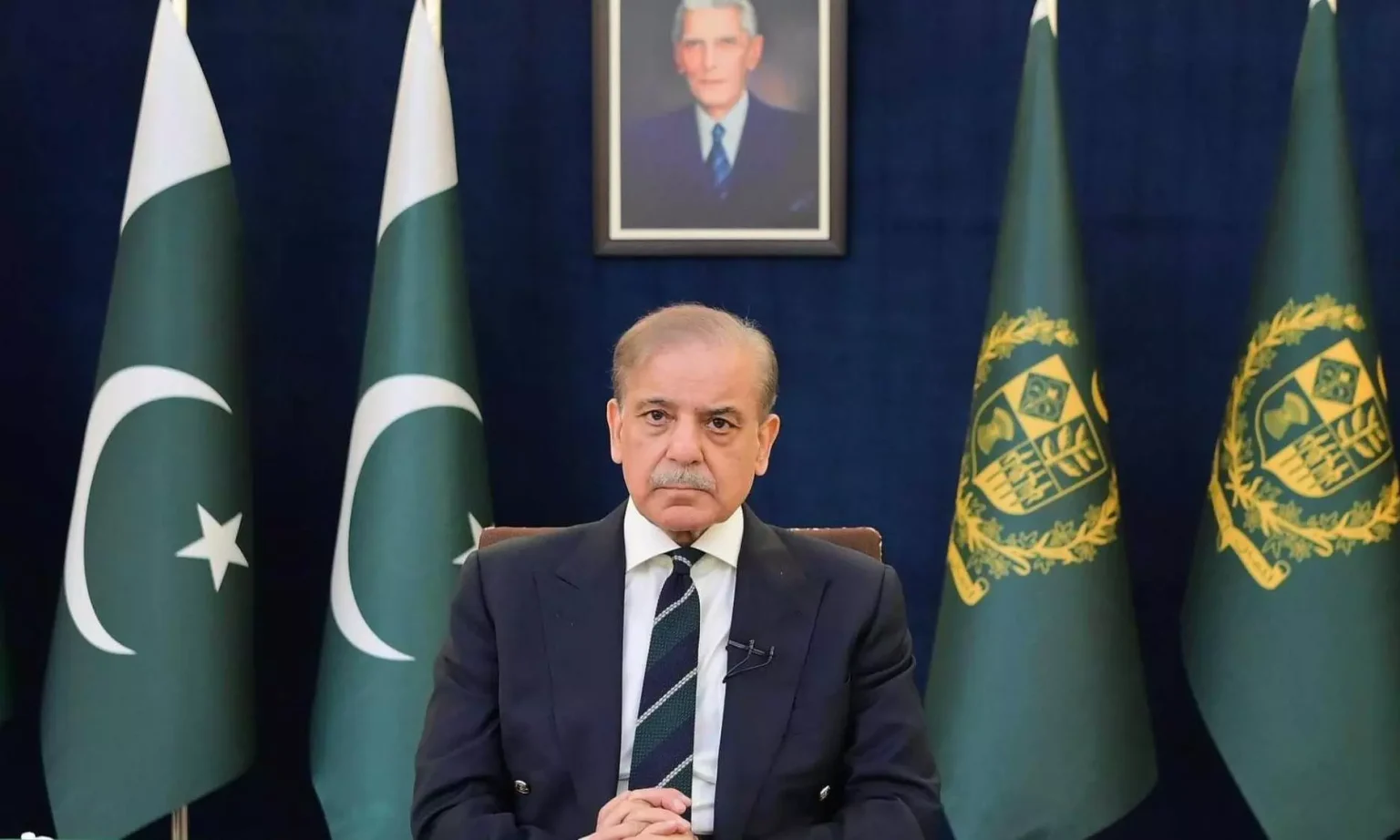
ISLAMABAD — Prime Minister Shehbaz Sharif has called upon a broad range of stakeholders to address the pressing issue of population growth in Pakistan. On Monday, he emphasized the need for a collaborative approach involving federal and provincial governments, parliamentarians, development partners, civil society, academia, the private sector, religious leaders, the media, and local communities to promote sustainable development and responsible parenthood.
What Happened
In a statement issued from Islamabad, Prime Minister Shehbaz Sharif highlighted the urgency of addressing Pakistan’s rapidly increasing population, which poses significant challenges to the country’s socio-economic development. He urged stakeholders to recognize population growth as a national issue that requires immediate and coordinated action. The Prime Minister stressed the importance of informed decision-making and the promotion of gender equality as critical components of sustainable development.
Prime Minister Sharif stated, “The growing population is a matter of national concern that demands our collective attention and action. It is imperative that we work together to ensure responsible parenthood and promote gender equality to achieve sustainable development goals.” He called for enhanced efforts in family planning and education to empower individuals and communities to make informed choices regarding family size.
The Prime Minister’s call to action comes amid concerns about the strain that population growth places on Pakistan’s resources, infrastructure, and public services. With a current population exceeding 240 million, Pakistan is the fifth most populous country in the world. The rapid population increase has significant implications for the country’s economic growth, healthcare system, education, and environmental sustainability.
Background
Pakistan’s population growth rate has been a subject of concern for several decades. The country has struggled with high fertility rates and limited access to family planning services, particularly in rural areas. Previous government initiatives aimed at curbing population growth have faced challenges due to cultural, religious, and socio-economic factors.
The government has implemented various policies and programs to address population growth, including the establishment of the Ministry of National Health Services, Regulations, and Coordination, which oversees family planning and reproductive health initiatives. Despite these efforts, progress has been slow, and the population continues to grow at an alarming rate.
Why It Matters
The rapid population growth in Pakistan has far-reaching implications for the country’s development trajectory. Economically, the increasing population places a significant burden on the country’s resources and infrastructure. The demand for jobs, housing, healthcare, and education continues to rise, making it challenging for the government to meet the needs of its citizens.
Socially, the population boom exacerbates issues such as poverty, unemployment, and inequality. With a large proportion of the population under the age of 25, there is a pressing need for adequate educational and employment opportunities to harness the potential of this demographic dividend. Failure to do so could lead to increased social unrest and instability.
Internationally, Pakistan’s population growth affects its ability to meet global commitments, such as the United Nations Sustainable Development Goals (SDGs). Addressing population growth is critical to achieving targets related to poverty reduction, health, education, and gender equality.
Moreover, the environmental impact of population growth cannot be overlooked. Increased demand for natural resources, such as water and energy, coupled with the challenges of climate change, poses significant risks to Pakistan’s environmental sustainability. Effective population management is essential to mitigate these risks and ensure a sustainable future for the country.
Key Takeaways
- Prime Minister Shehbaz Sharif has called for urgent action on Pakistan’s population growth.
- He emphasized the need for a collaborative approach involving multiple stakeholders.
- Pakistan’s population exceeds 240 million, making it the fifth most populous country globally.
- Rapid population growth poses challenges to economic, social, and environmental sustainability.
- Addressing population growth is crucial for achieving national and international development goals.
Source Attribution
This article is based on official government statements and public communications from relevant authorities.














