

Pakistan

News related to Pakistan in Pakistan and around the world.

Pakistan

Rescue 1122 Intensifies Search for Missing Girl in Rawalpindi

RAWALPINDI — Rescue 1122 teams in Rawalpindi have intensified their search and rescue efforts for a five-year-old girl who went missing near Landa Bazaar. The operation has now entered its third consecutive day as of Saturday. What Happened The search operation commenced after the young girl was reported missing in the vicinity of Landa Bazaar. Rescue 1122 teams have been tirelessly working to locate her, with efforts focused on the area surrounding Nullah Lai. According to Rescue 1122, the teams have progressed to the section of Nullah Lai adjacent to Gulistan Colony Line No. 3. Two specialized water rescue teams are conducting a line search in the waters of Nullah Lai, which is approximately three kilometers upstream from its junction with the Soan River. The operation is being conducted under challenging conditions, as monsoon rains have increased water levels and flow rates in the nullah, complicating the search efforts. Rescue 1122 officials have stated, “Our teams are working around the clock to ensure the safe recovery of the missing child. We are utilizing all available resources and expertise to navigate the difficult terrain and water conditions.” The search operation is being closely monitored, with additional resources on standby should they be required. Background Rescue 1122 is a premier emergency service in Pakistan, known for its rapid response capabilities in situations ranging from natural disasters to everyday emergencies. Established in 2006, the service has been instrumental in saving lives and providing critical assistance across the country. The current operation is part of its mandate to respond to emergencies and conduct rescue operations in urban and rural settings. Nullah Lai, a significant water channel in Rawalpindi, has historically been prone to flooding, particularly during the monsoon season. The area around Landa Bazaar and Gulistan Colony is densely populated, and the nullah’s unpredictable water levels pose a constant risk to residents, especially children. Why It Matters The ongoing search for the missing girl underscores the challenges faced by emergency services in urban areas of Pakistan, where infrastructure and environmental conditions can complicate rescue efforts. The operation highlights the need for improved safety measures and community awareness to prevent such incidents, especially in flood-prone areas. Economically, the incident draws attention to the allocation of resources for emergency services. While Rescue 1122 is well-regarded, the increasing frequency of such emergencies calls for enhanced funding and training to equip teams with advanced technology and skills. Socially, the case has resonated with the local community, highlighting the vulnerability of children in urban settings. It has prompted discussions on child safety and the role of community vigilance in preventing such incidents. The outcome of this search operation could influence future policies on child safety and emergency response protocols. Politically, the situation may lead to increased scrutiny of local government preparedness and response strategies in emergency situations. It could also impact future legislative measures aimed at improving urban safety and emergency management infrastructure. Key Takeaways Rescue 1122 is conducting a search operation for a missing five-year-old girl in Rawalpindi, now in its third day. The search is focused on the Nullah Lai area near Gulistan Colony, with challenging water conditions due to monsoon rains. The incident highlights the need for improved safety measures and resource allocation for emergency services in Pakistan. The community’s response underscores the importance of vigilance and child safety awareness in urban areas. This situation may prompt political and legislative discussions on enhancing emergency response capabilities. Source Attribution This article is based on official government statements, press releases, and public communications from relevant authorities. Author: NEN Editorial Desk | Editor: NEN Newsroom | Fact Checked By: NEN Editorial Team Author: NEN Editorial Desk  |  Editor: NEN Newsroom  |  Last Updated: August 08, 2026  |  Source: NEN Reporter This article was produced by the NEN Editorial Desk in accordance with NEN Agency’s Editorial Policy and Fact-Checking Policy.
Pakistan

Islamabad Landmarks Illuminate for Makkah Joint Defence Agreement Celebration

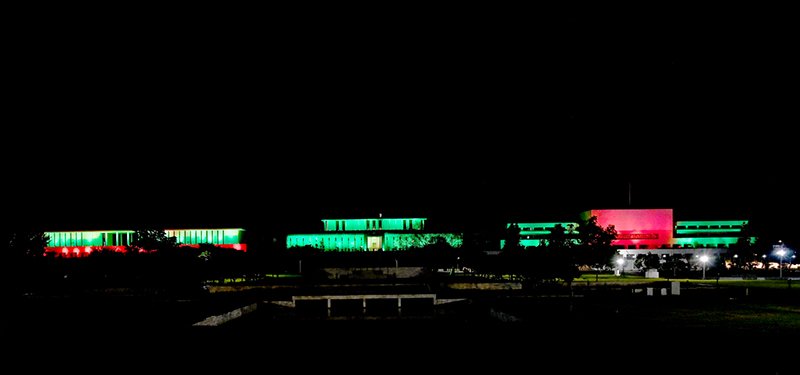
ISLAMABAD — The President House, Prime Minister House, and Parliament House in Islamabad were illuminated in green and red lights on the eve of celebrations commemorating the Makkah Joint Defence Agreement. This agreement, a significant trilateral pact between Pakistan, Saudi Arabia, and Türkiye, was signed on August 7, 2026, at the Al-Safa Palace in Makkah. What Happened The capital city of Islamabad witnessed a vibrant display of lights as key government buildings, including the President House, Prime Minister House, and Parliament House, were adorned with green and red lights. This illumination was part of the celebrations marking the Makkah Joint Defence Agreement, a strategic accord between Pakistan, Saudi Arabia, and Türkiye. The agreement, signed on August 7, 2026, at the Al-Safa Palace in Makkah, aims to strengthen military cooperation and enhance regional security among the three nations. The lighting ceremony was a symbolic gesture reflecting the unity and shared commitment of the three countries towards regional stability and defence collaboration. Officials from the Ministry of Foreign Affairs highlighted the importance of this agreement in fostering a robust defence partnership. “This agreement marks a new chapter in our trilateral relations, focusing on joint defence strategies and mutual cooperation,” stated an official from the ministry. The event was attended by dignitaries and officials who underscored the significance of the agreement in promoting peace and security in the region. The illumination of these iconic buildings served as a visual representation of the strong diplomatic ties between Pakistan, Saudi Arabia, and Türkiye. Background The Makkah Joint Defence Agreement is an extension of the longstanding military and strategic partnerships among Pakistan, Saudi Arabia, and Türkiye. Historically, these countries have collaborated on various defence and security initiatives, leveraging their collective strengths to address regional challenges. The agreement signed in Makkah builds upon previous accords and seeks to formalize a framework for enhanced military cooperation, intelligence sharing, and joint training exercises. Pakistan has maintained close ties with both Saudi Arabia and Türkiye, often engaging in joint military exercises and strategic dialogues. The trilateral agreement represents a culmination of these efforts, aiming to create a unified front against common security threats in the region. Why It Matters The Makkah Joint Defence Agreement holds significant implications for regional security dynamics. By formalizing military cooperation among Pakistan, Saudi Arabia, and Türkiye, the agreement seeks to address evolving security challenges, including terrorism, border security, and regional conflicts. This trilateral alliance is poised to enhance the collective defence capabilities of the participating nations, thereby contributing to regional stability. For Pakistan, the agreement underscores its strategic importance in the region and its commitment to fostering strong diplomatic and military ties with key allies. The collaboration is expected to boost Pakistan’s defence industry through joint ventures and technology transfers, potentially leading to economic benefits and job creation within the country. On a broader scale, the agreement signals a shift towards multilateral cooperation in addressing regional security issues. It reflects a growing recognition of the need for collective action in tackling complex security challenges that transcend national borders. By aligning their defence strategies, Pakistan, Saudi Arabia, and Türkiye aim to create a more secure and stable environment conducive to economic growth and development. Key Takeaways The President House, Prime Minister House, and Parliament House in Islamabad were illuminated to celebrate the Makkah Joint Defence Agreement. The agreement, signed by Pakistan, Saudi Arabia, and Türkiye, focuses on enhancing military cooperation and regional security. The illumination symbolizes the strong diplomatic ties and shared commitment to regional stability among the three nations. The agreement is expected to boost Pakistan’s defence industry and contribute to economic growth. This trilateral alliance reflects a shift towards multilateral cooperation in addressing regional security challenges. Source Attribution This article is based on official government statements, press releases, and public communications from relevant authorities. Author: NEN Editorial Desk | Editor: NEN Newsroom | Fact Checked By: NEN Editorial Team Author: NEN Editorial Desk  |  Editor: NEN Newsroom  |  Last Updated: August 08, 2026  |  Source: Press Release from Government of Pakistan This article was produced by the NEN Editorial Desk in accordance with NEN Agency’s Editorial Policy and Fact-Checking Policy.
Pakistan

Pakistan Secures Silver at ITF Masters World Team Championships

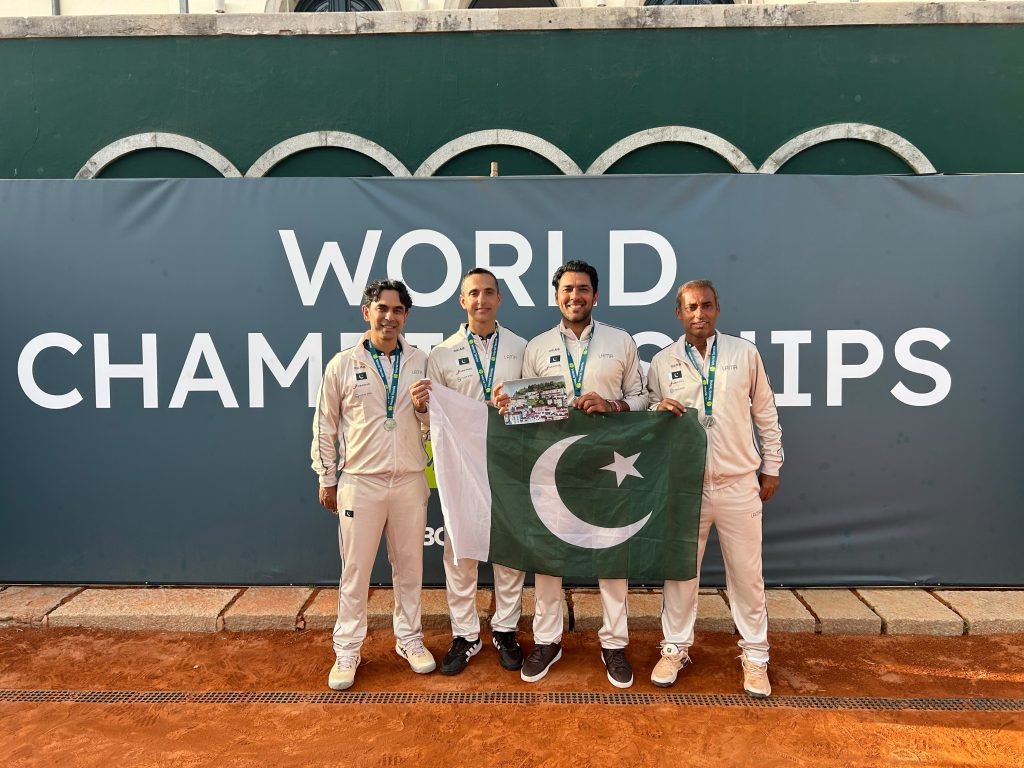
ISLAMABAD — Pakistan achieved a remarkable feat by winning a silver medal at the ITF Masters World Team Championships held at the Jamor Tennis Centre. Competing in the 45+ age category, the Pakistani team faced a tough challenge against the top-seeded Spain, ultimately succumbing 2-1 in a closely fought final. What Happened The ITF Masters World Team Championships, a prestigious event in the senior tennis circuit, witnessed Pakistan’s commendable performance culminating in a silver medal. The Pakistani team, which had shown excellent form throughout the tournament, reached the final after a series of impressive victories. In the final match against Spain, Pakistan put up a strong fight but was edged out by the tournament favorites. The final, held at the Jamor Tennis Centre, was a thrilling encounter. The Pakistani team managed to secure one match in the three-match series, showcasing their skill and determination. Despite their best efforts, the team fell short in the remaining two matches, allowing Spain to clinch the gold medal. The Pakistani players expressed pride in their performance, highlighting the significance of their achievement on an international platform. Team captain, in a post-match interview, stated, “We played our hearts out and pushed the top seeds to their limits. Winning the silver medal is a testament to our hard work and dedication.” The team’s journey to the final was marked by strategic gameplay and resilience, earning them accolades from both local and international tennis communities. Background The ITF Masters World Team Championships is an annual event organized by the International Tennis Federation, bringing together senior players from around the world to compete in various age categories. The tournament is known for its competitive spirit and high level of play, attracting former professional players and seasoned amateurs alike. Pakistan’s participation in the championships has been part of a broader effort to promote tennis at all levels in the country. Historically, Pakistan has had a presence in international tennis, with players participating in various global competitions. However, achievements in senior categories have been relatively rare, making this silver medal a significant milestone for the nation. Why It Matters This achievement holds considerable importance for Pakistan’s sports community, particularly in the realm of tennis. Securing a silver medal at an international event like the ITF Masters World Team Championships not only boosts the morale of the players but also inspires upcoming athletes in the country. It highlights the potential and talent present in Pakistan’s senior sports community, encouraging further investment and support for the development of tennis. Economically, such achievements can attract sponsorships and funding, essential for the growth of sports infrastructure and training facilities. Socially, it serves as a source of national pride, uniting citizens in celebration of their country’s success on the global stage. Politically, it underscores the importance of supporting sports initiatives as a means of enhancing Pakistan’s international reputation. On the international front, this performance positions Pakistan as a competitive force in senior tennis, potentially opening doors for more participation in global events. It also emphasizes the need for continued focus on sports diplomacy, using athletic achievements to foster goodwill and collaboration with other nations. Key Takeaways Pakistan won a silver medal in the 45+ category at the ITF Masters World Team Championships. The final was held at the Jamor Tennis Centre, where Pakistan faced top-seeded Spain. This achievement marks a significant milestone for Pakistan’s senior tennis community. The success is expected to boost sports development and inspire future athletes in Pakistan. Internationally, it enhances Pakistan’s reputation as a competitive nation in senior tennis. Source Attribution This article is based on official government statements, press releases, and public communications from relevant authorities. Author: NEN Editorial Desk | Editor: NEN Newsroom | Fact Checked By: NEN Editorial Team Author: NEN Editorial Desk  |  Editor: NEN Newsroom  |  Last Updated: August 08, 2026  |  Source: NEN Reporter This article was produced by the NEN Editorial Desk in accordance with NEN Agency’s Editorial Policy and Fact-Checking Policy.
Pakistan

Vendors Showcase Seasonal Garma Fruit to Boost Sales in Multan Market

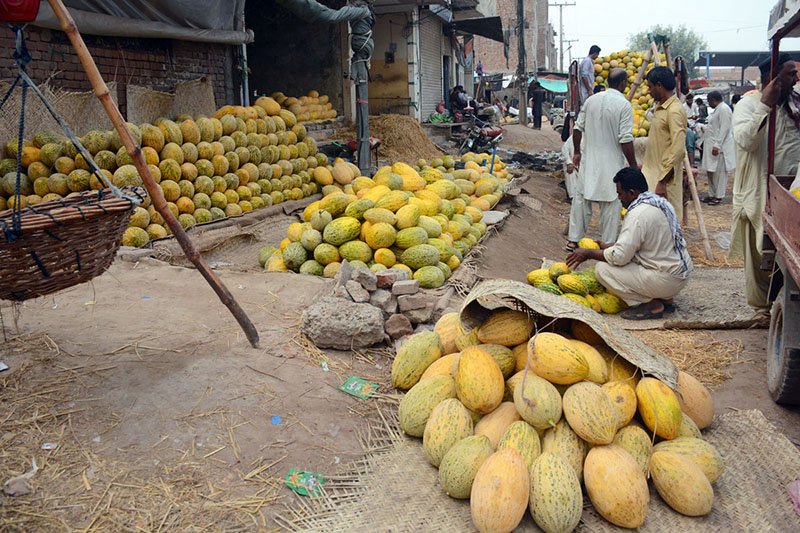
MULTAN — In the bustling fruit market of Multan, vendors are displaying the fresh seasonal fruit Garma, aiming to attract customers and boost sales. The vibrant display of this tropical fruit is part of a larger effort by local sellers to draw in more buyers during the peak season. What Happened On a typical day in Multan’s fruit market, vendors line their stalls with an array of colorful fruits, but the spotlight this season is on Garma, a tropical fruit known for its refreshing taste and health benefits. The vendors, aware of the competitive market dynamics, are creatively arranging their produce to catch the eye of passersby. “We are expecting a good turnout this season as Garma is quite popular among locals,” said a vendor at the market. The display of Garma is not just about aesthetics; it is a strategic move to capitalize on the fruit’s seasonal availability. The vendors are optimistic about the sales, given the fruit’s popularity for its hydrating properties, especially during the warmer months. The market is abuzz with activity as customers browse through the stalls, some drawn by the vibrant colors, others by the enticing aroma of fresh fruit. According to market trends, the demand for seasonal fruits like Garma peaks during this time of the year. Vendors are tapping into this demand by offering competitive prices and ensuring the freshness of their produce. “We ensure that our fruits are fresh and of the highest quality to maintain customer satisfaction,” another vendor explained. Background Garma, also known as cantaloupe or muskmelon in other regions, is a staple in Pakistani fruit markets during the summer months. Its cultivation is widespread in the Punjab region, where the climate is conducive to growing this fruit. Historically, the fruit has been a favorite among Pakistanis due to its sweet flavor and nutritional benefits, including high water content and essential vitamins. In recent years, the fruit markets in Multan have seen a surge in the variety of fruits offered, with vendors increasingly focusing on seasonal produce to meet consumer preferences. This shift is partly driven by consumer demand for fresh and locally sourced fruits, which are perceived to be healthier and more sustainable. Why It Matters The emphasis on seasonal fruits like Garma is significant for both economic and health reasons. Economically, it supports local farmers and vendors, providing them with an opportunity to increase their income during peak seasons. The sale of Garma and other seasonal fruits contributes to the local economy by generating revenue and creating jobs within the agricultural and retail sectors. From a health perspective, the promotion of seasonal fruits aligns with public health goals to encourage the consumption of fresh produce. Garma, with its high water content, is particularly beneficial in combating dehydration during the hot summer months. Its consumption is encouraged as part of a balanced diet, contributing to overall health and well-being. Moreover, the focus on local and seasonal produce is part of a broader trend towards sustainability in food consumption. By prioritizing fruits that are in season, consumers can reduce the carbon footprint associated with transporting out-of-season produce from distant locations. Key Takeaways Vendors in Multan are showcasing Garma fruit to attract customers and boost sales. Garma is popular for its refreshing taste and health benefits, especially during summer. The focus on seasonal fruits supports local farmers and contributes to the economy. Consuming seasonal produce like Garma is aligned with public health and sustainability goals. The fruit market in Multan is vibrant, reflecting consumer demand for fresh, local produce. Source Attribution This article is based on official government statements, press releases, and public communications from relevant authorities. Author: NEN Editorial Desk | Editor: NEN Newsroom | Fact Checked By: NEN Editorial Team Author: NEN Editorial Desk  |  Editor: NEN Newsroom  |  Last Updated: August 08, 2026  |  Source: NEN Reporter This article was produced by the NEN Editorial Desk in accordance with NEN Agency’s Editorial Policy and Fact-Checking Policy.
Pakistan

Vendors Gear Up for Independence Day with Festive Merchandise

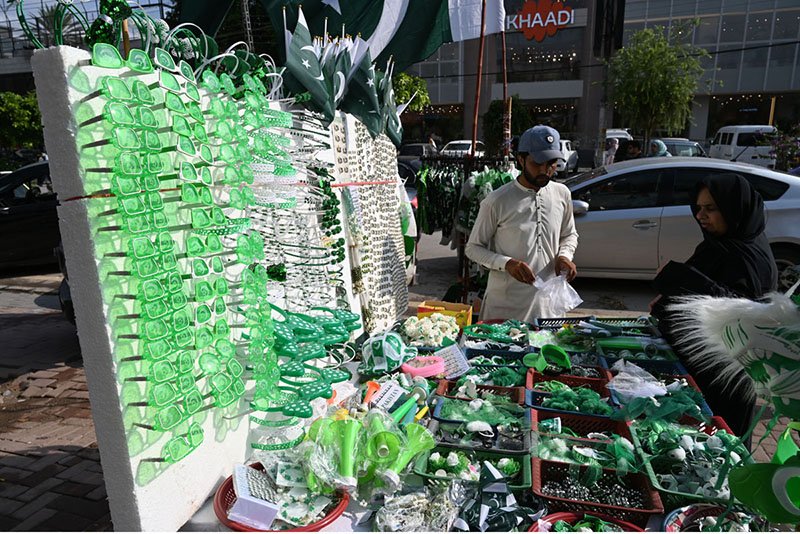
ISLAMABAD — As Pakistan prepares to celebrate its Independence Day, vendors across the country have set up stalls showcasing a variety of patriotic merchandise. Near the bustling Commercial Market, a vendor has displayed an array of Pakistani flags, badges, headbands, and other Jashn-e-Azadi items, attracting numerous shoppers eager to partake in the festivities. What Happened In anticipation of the upcoming Independence Day on August 14, vendors have begun to line the streets with stalls filled with nationalistic items. One such vendor, located near the Commercial Market, has become a focal point for shoppers looking to purchase celebratory goods. The stall offers a wide range of items, including flags of various sizes, badges emblazoned with the national emblem, and headbands in the country’s green and white colors. The vendor, who has been participating in this seasonal trade for several years, expressed optimism about the sales this year. “Every year, we see a surge in demand as Independence Day approaches,” the vendor stated. “People are eager to show their patriotism, and these items help them do just that.” The festive atmosphere is palpable, with families and individuals browsing through the merchandise, selecting items that best express their national pride. The display of patriotic merchandise is not limited to this particular stall. Across the country, similar scenes are unfolding as vendors capitalize on the public’s enthusiasm for the national holiday. The streets are awash with the colors of the Pakistani flag, and the air is filled with a sense of anticipation and celebration. Background Pakistan’s Independence Day, celebrated annually on August 14, marks the country’s liberation from British rule in 1947. It is a day of national pride and reflection, commemorated with various events, including flag-hoisting ceremonies, parades, and cultural performances. The day is also marked by the decoration of homes, streets, and public spaces with national symbols and colors. The tradition of selling patriotic merchandise in the lead-up to Independence Day has become an integral part of the celebrations. Vendors across the country set up temporary stalls to cater to the demand for flags, badges, and other items that allow citizens to express their patriotism. This seasonal trade provides a boost to local economies, with many vendors relying on the increased sales to support their livelihoods. Why It Matters The sale of Independence Day merchandise is more than just a commercial activity; it is a reflection of the deep-seated patriotism that resonates with Pakistanis across the nation. The annual celebration serves as a reminder of the country’s hard-won independence and the sacrifices made by its founders. For many, purchasing and displaying these items is a way to honor that legacy and express their national pride. Economically, the surge in demand for patriotic merchandise provides a temporary boost to local vendors and small businesses. Many vendors rely on this seasonal trade to supplement their income, making it a vital part of their economic well-being. The increased sales during this period can have a ripple effect, benefiting other sectors such as transportation and manufacturing, which supply the materials for these goods. Socially, the widespread display of national symbols fosters a sense of unity and collective identity among citizens. It brings together people from diverse backgrounds, united by their shared love for the country. This unity is particularly significant in times of political or economic uncertainty, serving as a reminder of the common values and aspirations that bind the nation together. Key Takeaways Vendors across Pakistan are setting up stalls with patriotic merchandise ahead of Independence Day. The sale of flags, badges, and headbands reflects the public’s enthusiasm for the national holiday. Independence Day commemorates Pakistan’s liberation from British rule in 1947. The seasonal trade provides an economic boost to local vendors and small businesses. The display of national symbols fosters unity and a shared sense of identity among citizens. Source Attribution This article is based on official government statements, press releases, and public communications from relevant authorities. Author: NEN Editorial Desk | Editor: NEN Newsroom | Fact Checked By: NEN Editorial Team Author: NEN Editorial Desk  |  Editor: NEN Newsroom  |  Last Updated: August 08, 2026  |  Source: NEN Reporter This article was produced by the NEN Editorial Desk in accordance with NEN Agency’s Editorial Policy and Fact-Checking Policy.
Pakistan

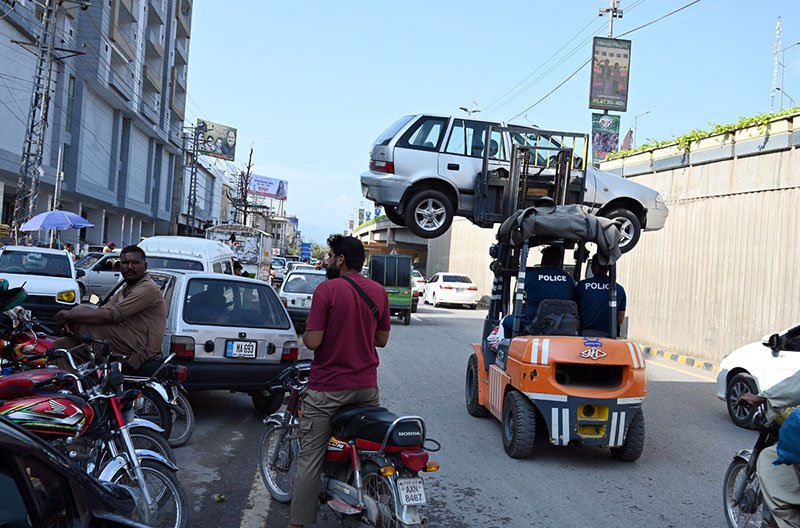
Rawalpindi Traffic Police Use Forklift in Anti-Encroachment Drive

RAWALPINDI — The Rawalpindi traffic police have deployed a forklift to remove an illegally parked vehicle from the roadside as part of their ongoing anti-encroachment operation. This initiative, aimed at ensuring smoother traffic flow and reclaiming public spaces, took place on Monday along one of the city’s busy thoroughfares. What Happened In an effort to address the persistent issue of illegal parking and encroachments, the Rawalpindi traffic police conducted an operation using a forklift to remove a vehicle that was obstructing the road. The operation is part of a broader campaign to clear encroachments that have been contributing to traffic congestion in the city. According to officials, the use of heavy machinery like forklifts is necessary to efficiently manage the removal of vehicles that cannot be easily towed away. A senior traffic police official stated, “The operation is crucial for maintaining order on the roads and ensuring that public spaces are not misused. We are committed to continuing these efforts to improve the traffic situation in Rawalpindi.” The official further emphasized that such operations would be conducted regularly to deter illegal parking and encroachments. The operation was conducted in collaboration with the municipal authorities, who are responsible for maintaining public order and cleanliness. The authorities have been actively involved in identifying and removing illegal structures and vehicles that contribute to urban congestion. Background Encroachments and illegal parking have long been a challenge in Rawalpindi, a city known for its bustling markets and narrow streets. The local government has been under pressure to address these issues, which have been exacerbated by the increasing number of vehicles and the lack of adequate parking facilities. In recent years, the city has seen a rise in anti-encroachment drives aimed at reclaiming public spaces and ensuring smoother traffic flow. The Rawalpindi Development Authority (RDA) has been actively involved in these operations, working alongside the traffic police to identify areas where encroachments are most prevalent. Previous efforts have included the removal of illegal stalls, signboards, and other structures that impede pedestrian and vehicular movement. Why It Matters The removal of illegally parked vehicles and encroachments is critical for improving the quality of life in Rawalpindi. Traffic congestion not only causes delays but also contributes to pollution and stress among commuters. By reclaiming public spaces, the authorities aim to enhance the urban environment, making it more accessible and pleasant for residents and visitors alike. Economically, reducing congestion can lead to increased productivity as people spend less time stuck in traffic. This can also attract more businesses to the area, boosting local commerce. Socially, such initiatives can improve public safety by ensuring that emergency vehicles have clear access to all parts of the city. From a governance perspective, these operations reflect the authorities’ commitment to enforcing laws and regulations designed to maintain order and public welfare. The use of heavy machinery like forklifts indicates a more assertive approach to tackling the issue, signaling to the public that illegal parking and encroachments will not be tolerated. Key Takeaways The Rawalpindi traffic police used a forklift to remove an illegally parked vehicle as part of an anti-encroachment operation. This initiative is part of ongoing efforts to combat traffic congestion and reclaim public spaces in the city. Encroachments and illegal parking have been persistent issues, exacerbated by increasing vehicle numbers and inadequate parking facilities. Removing encroachments can improve traffic flow, reduce pollution, and enhance public safety. The operation reflects a commitment from local authorities to enforce regulations and maintain urban order. Source Attribution This article is based on official government statements, press releases, and public communications from relevant authorities. Author: NEN Editorial Desk | Editor: NEN Newsroom | Fact Checked By: NEN Editorial Team Author: NEN Editorial Desk  |  Editor: NEN Newsroom  |  Last Updated: August 08, 2026  |  Source: NEN Reporter This article was produced by the NEN Editorial Desk in accordance with NEN Agency’s Editorial Policy and Fact-Checking Policy.
Pakistan

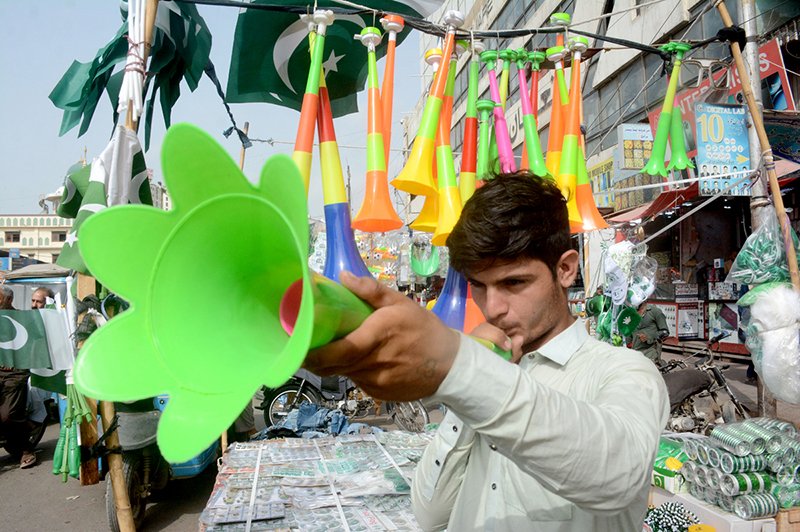
Vendor Sells Pressure Horns Despite Ban During Independence Day Celebrations

KARACHI — A vendor in Saddar market continues to sell pressure horns despite a ban imposed by authorities during the Independence Day celebrations. The ban aims to reduce noise pollution and maintain public order during the festivities. What Happened In the bustling Saddar market of Karachi, a vendor was observed displaying and selling pressure horns along the roadside, defying a ban implemented by local authorities. The restriction on pressure horns was part of a broader initiative to curb noise pollution and ensure a peaceful environment during the Independence Day celebrations, which are marked by large gatherings and public events. The vendor’s actions have raised concerns among citizens and law enforcement agencies, as the use of pressure horns is known to contribute significantly to noise pollution in urban areas. Despite the clear directives issued by the authorities, the vendor continued to operate openly, attracting customers with the loud and disruptive sound of the horns. According to eyewitnesses, the vendor appeared unfazed by the potential repercussions of violating the ban. “We have been instructed to avoid using pressure horns to maintain peace, but some people just don’t care,” said a local resident who wished to remain anonymous. The authorities have yet to take action against the vendor, but local law enforcement has been alerted to the situation. Background The ban on pressure horns during Independence Day celebrations is part of a longstanding effort by the government to address noise pollution in major cities across Pakistan. Noise pollution has been identified as a significant environmental issue, impacting the health and well-being of citizens. In recent years, the government has introduced various measures to reduce noise levels, including restrictions on the use of pressure horns, particularly in densely populated areas. Independence Day, celebrated on August 14, is a significant national holiday in Pakistan, marked by patriotic displays, public gatherings, and various cultural events. In anticipation of these celebrations, authorities often implement temporary bans on activities that could disrupt public peace, such as the use of pressure horns, to ensure a safe and enjoyable environment for all participants. Why It Matters The continued sale and use of pressure horns, despite an official ban, underscores the challenges faced by authorities in enforcing regulations aimed at reducing noise pollution. Noise pollution is not only a nuisance but also a public health concern, linked to increased stress levels, sleep disturbances, and other health issues. For the residents of Karachi, particularly those living near busy markets like Saddar, the presence of pressure horns exacerbates an already noisy environment. This situation highlights the need for more effective enforcement of noise pollution regulations and greater public awareness about the health impacts of noise pollution. Economically, the sale of pressure horns represents a small but persistent market that thrives on the demand for loud, attention-grabbing devices. Vendors like the one in Saddar market capitalize on this demand, often at the expense of public health and safety regulations. Politically, the issue reflects broader governance challenges in Pakistan, where regulatory enforcement often falls short due to limited resources and competing priorities. The ability of local authorities to enforce such bans effectively is crucial for maintaining public order and ensuring compliance with environmental standards. Key Takeaways A vendor in Saddar market, Karachi, was found selling pressure horns despite a ban during Independence Day celebrations. The ban aims to reduce noise pollution and maintain public order during the festivities. Noise pollution is a significant environmental and public health issue in urban areas of Pakistan. Effective enforcement of noise regulations remains a challenge for local authorities. The situation highlights the need for increased public awareness and regulatory compliance. Source Attribution This article is based on official government statements, press releases, and public communications from relevant authorities. Author: NEN Editorial Desk | Editor: NEN Newsroom | Fact Checked By: NEN Editorial Team Author: NEN Editorial Desk  |  Editor: NEN Newsroom  |  Last Updated: August 08, 2026  |  Source: NEN Reporter This article was produced by the NEN Editorial Desk in accordance with NEN Agency’s Editorial Policy and Fact-Checking Policy.
Pakistan

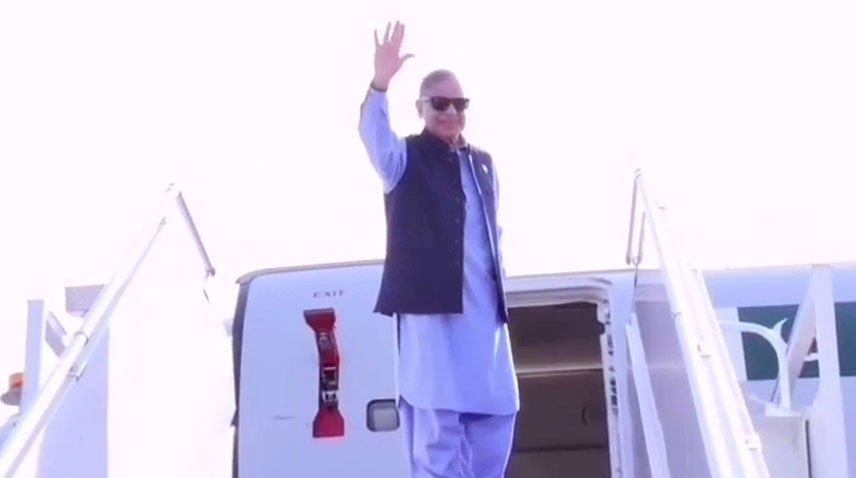
Prime Minister Shehbaz Sharif Concludes Visit to Saudi Arabia

ISLAMABAD — Prime Minister Shehbaz Sharif returned to Pakistan on Saturday after concluding his official visit to the Kingdom of Saudi Arabia. The Prime Minister was seen off at Madinah Airport by Governor of Madinah, Prince Salman bin Sultan bin Abdulaziz Al Saud, marking the end of his diplomatic engagement in the region. What Happened Prime Minister Shehbaz Sharif’s visit to Saudi Arabia was part of an ongoing effort to strengthen bilateral relations between the two nations. During his stay, the Prime Minister engaged in a series of high-level meetings with Saudi officials, focusing on economic cooperation, investment opportunities, and regional security issues. The discussions aimed to enhance the strategic partnership that has historically existed between Pakistan and Saudi Arabia. According to the Prime Minister’s Office Media Wing, the visit included meetings with key figures in the Saudi government, where various agreements and memoranda of understanding were discussed. These agreements are expected to pave the way for increased Saudi investment in Pakistan, particularly in the energy and infrastructure sectors. The Prime Minister also performed Umrah and visited the Prophet’s Mosque in Madinah, reflecting the cultural and religious ties that bind the two countries. The Prime Minister’s delegation included senior officials from the Ministry of Foreign Affairs and other relevant departments, ensuring a comprehensive dialogue on multiple fronts. The visit was described as fruitful and productive, with both sides expressing optimism about future collaborations. Background Pakistan and Saudi Arabia have long-standing diplomatic and economic ties, with Saudi Arabia being one of Pakistan’s major trading partners. The relationship has been characterized by mutual support and cooperation in various international forums. Historically, Saudi Arabia has provided financial aid and oil supply on deferred payments to Pakistan, which has been crucial during economic challenges. The visit comes at a time when Pakistan is seeking to bolster its economy through foreign investments and strengthen its geopolitical alliances. Previous visits by Pakistani leaders to Saudi Arabia have often resulted in significant economic agreements and aid packages, underscoring the importance of these diplomatic engagements. Why It Matters The Prime Minister’s visit to Saudi Arabia holds significant implications for Pakistan’s economic and diplomatic landscape. Strengthening ties with Saudi Arabia is crucial for Pakistan, given the kingdom’s influence in the region and its role as a leading member of the Organization of Islamic Cooperation (OIC). Enhanced cooperation can lead to increased foreign direct investment, which is vital for Pakistan’s economic growth and stability. Economically, Saudi investment in Pakistan’s energy sector could help address the country’s chronic energy shortages, boosting industrial productivity and economic output. Additionally, infrastructure projects supported by Saudi funds can lead to improved connectivity and development, particularly in underdeveloped regions. Politically, maintaining a strong alliance with Saudi Arabia can provide Pakistan with a strategic advantage in regional and international affairs. As Pakistan navigates complex geopolitical dynamics, support from a key ally like Saudi Arabia can bolster its position on issues such as Kashmir and its role in the Muslim world. Key Takeaways Prime Minister Shehbaz Sharif concluded his official visit to Saudi Arabia, focusing on economic and diplomatic ties. The visit included discussions on investment opportunities in Pakistan’s energy and infrastructure sectors. Saudi Arabia has historically been a key ally and economic partner for Pakistan, providing financial aid and support. The visit aims to strengthen bilateral relations and enhance Pakistan’s strategic position in the region. Increased Saudi investment could significantly impact Pakistan’s economic growth and stability. Source Attribution This article is based on official government statements, press releases, and public communications from relevant authorities. Author: NEN Editorial Desk | Editor: NEN Newsroom | Fact Checked By: NEN Editorial Team Author: NEN Editorial Desk  |  Editor: NEN Newsroom  |  Last Updated: August 08, 2026  |  Source: Press Release from Government of Pakistan This article was produced by the NEN Editorial Desk in accordance with NEN Agency’s Editorial Policy and Fact-Checking Policy.

Pakistan

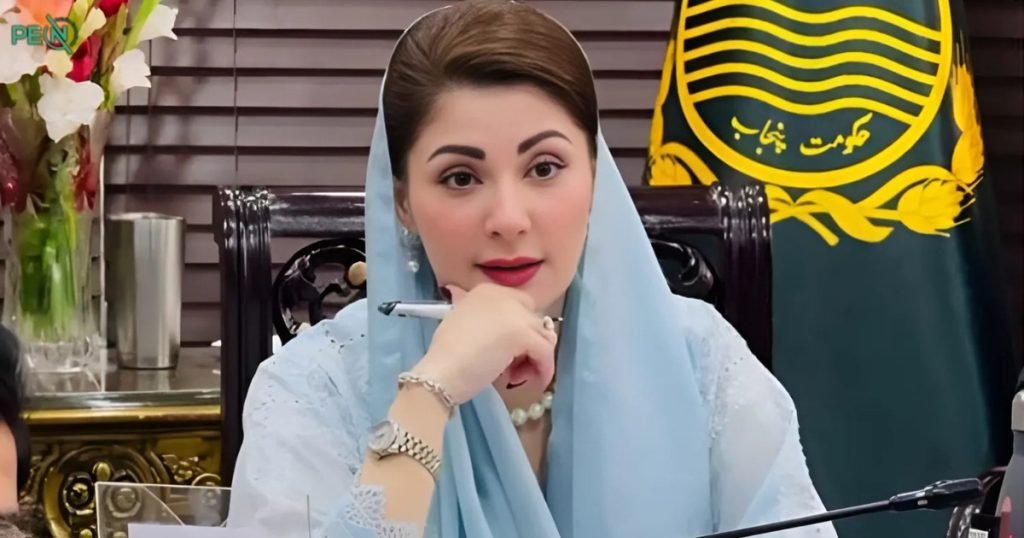
Punjab CM Orders Enhanced Cleanliness Standards Under Suthra Punjab Initiative

LAHORE — Punjab Chief Minister Maryam Nawaz Sharif has called for the enhancement of cleanliness standards across urban areas under the Suthra Punjab program. During a special review meeting held on Saturday, the Chief Minister emphasized the need for uniform waste management practices, timely payments to sanitation workers, and intensified monitoring to ensure noticeable improvements in urban cleanliness throughout Punjab. What Happened In a bid to bolster the Suthra Punjab initiative, Chief Minister Maryam Nawaz Sharif convened a meeting in Lahore, where she directed relevant authorities to implement a series of measures aimed at improving sanitation across the province. The Chief Minister underscored the importance of introducing standardized waste management protocols to ensure consistency in cleanliness efforts. She also highlighted the necessity of timely remuneration for sanitation workers, recognizing their critical role in maintaining urban hygiene. The meeting focused on the need for rigorous monitoring mechanisms to track progress and address any shortcomings in the implementation of the Suthra Punjab program. The Chief Minister expressed her commitment to delivering visible improvements in the cleanliness of urban areas, thereby enhancing the quality of life for residents. “We must ensure that our cities reflect the highest standards of cleanliness, and this requires a concerted effort from all stakeholders,” she stated. Additionally, the Chief Minister directed the relevant departments to explore innovative solutions for waste management, including the potential use of technology to streamline operations and improve efficiency. The meeting concluded with a consensus on the urgent need for coordinated efforts to achieve the program’s objectives. Background The Suthra Punjab program was launched as part of the provincial government’s efforts to address the growing challenges of waste management and urban cleanliness. Historically, urban areas in Punjab have faced significant issues related to waste disposal and sanitation, leading to public health concerns and environmental degradation. The initiative aims to establish a comprehensive framework for waste management, involving local governments, private sector partners, and community organizations. Previous efforts to improve urban cleanliness have encountered obstacles such as inconsistent waste collection services, inadequate infrastructure, and limited public awareness. The Suthra Punjab program seeks to overcome these challenges by implementing a holistic approach that includes policy reforms, capacity building, and public engagement. Why It Matters The enhancement of cleanliness standards under the Suthra Punjab initiative holds significant implications for the province’s urban centers. Improved waste management practices are expected to contribute to better public health outcomes by reducing the incidence of diseases associated with poor sanitation. Moreover, cleaner urban environments can enhance the overall quality of life for residents, making cities more attractive places to live and work. Economically, the initiative could stimulate job creation in the waste management sector, providing employment opportunities for local communities. The focus on timely payments to sanitation workers is particularly important, as it ensures their financial stability and motivation to perform their duties effectively. Politically, the success of the Suthra Punjab program could bolster the provincial government’s reputation for effective governance and responsiveness to citizens’ needs. It also aligns with broader national efforts to promote sustainable development and environmental stewardship. Key Takeaways Punjab Chief Minister Maryam Nawaz Sharif has directed the enhancement of cleanliness standards under the Suthra Punjab program. The initiative emphasizes uniform waste management practices, timely payments to sanitation workers, and intensified monitoring. The program aims to address historical challenges in urban cleanliness and improve public health outcomes. Successful implementation could lead to job creation and enhance the quality of life in urban areas. The initiative aligns with broader goals of sustainable development and effective governance. Source Attribution This article is based on official government statements and public communications from relevant authorities. Author: NEN Editorial Desk | Editor: NEN Newsroom | Fact Checked By: NEN Editorial Team Author: NEN Editorial Desk  |  Editor: NEN Newsroom  |  Last Updated: August 08, 2026  |  Source: NEN Reporter This article was produced by the NEN Editorial Desk in accordance with NEN Agency’s Editorial Policy and Fact-Checking Policy.

Pakistan

Government Approves Civil Awards for 78 Martyrs and Heroes

ISLAMABAD — The Pakistani government has approved civil awards for 78 individuals in recognition of their sacrifices, courage, and acts of extraordinary bravery in service to the nation. This decision was made during a special committee meeting on gallantry awards chaired by Interior Minister Mohsin Naqvi in Islamabad on Saturday. What Happened The meeting, which took place in the capital, focused on evaluating the contributions of various individuals who have shown exceptional bravery and sacrifice. Interior Minister Mohsin Naqvi led the discussions, emphasizing the importance of acknowledging the contributions of those who have laid down their lives or demonstrated gallantry in the line of duty. The committee meticulously reviewed each case before reaching a consensus on the awards. According to official sources, the awards are intended to honor both military and civilian individuals who have exhibited remarkable courage. The recipients include martyrs who have sacrificed their lives for the country, as well as living heroes who have performed acts of valor. The awards will be presented in a ceremony to be held later this year, coinciding with Pakistan’s national celebrations. Interior Minister Naqvi stated, “These awards are a testament to the bravery and dedication of our citizens who have gone above and beyond in their service to Pakistan. It is our duty to honor their sacrifices and ensure their stories inspire future generations.” Background Pakistan has a long-standing tradition of recognizing and honoring individuals who have shown exceptional bravery and service to the nation. Civil awards are an integral part of this tradition, serving as a formal acknowledgment by the state of the contributions made by its citizens. The awards are usually announced on significant national days, such as Pakistan Day or Independence Day, and are presented by the President of Pakistan. The process of selecting awardees involves a rigorous evaluation by various committees, ensuring that only the most deserving individuals are recognized. Over the years, these awards have been given to military personnel, police officers, and civilians who have shown extraordinary courage in the face of adversity. Why It Matters The approval of these civil awards holds significant importance for several reasons. Firstly, it serves as a morale booster for the armed forces and law enforcement agencies, reinforcing the message that their sacrifices are valued and recognized at the highest levels of government. This recognition can enhance the commitment and dedication of personnel serving in challenging and often dangerous environments. Secondly, these awards highlight the importance of civilian contributions to national security and social stability. By honoring civilians who have shown bravery, the government underscores the role of ordinary citizens in the broader security framework of the country. This can encourage more individuals to participate actively in community safety and national defense initiatives. On a broader scale, the awards contribute to national unity and pride. They remind the public of the shared values and collective efforts required to maintain peace and security. In a country facing numerous internal and external challenges, such acknowledgments can foster a sense of solidarity and common purpose among the populace. Key Takeaways The Pakistani government has approved civil awards for 78 individuals for bravery and sacrifice. The awards recognize both military and civilian contributions to national security. Interior Minister Mohsin Naqvi chaired the special committee meeting in Islamabad. The awards will be presented during a national ceremony later this year. These awards aim to boost morale and encourage national unity and pride. Source Attribution This article is based on official government statements, press releases, and public communications from relevant authorities. Author: NEN Editorial Desk | Editor: NEN Newsroom | Fact Checked By: NEN Editorial Team Author: NEN Editorial Desk  |  Editor: NEN Newsroom  |  Last Updated: August 08, 2026  |  Source: NEN Reporter This article was produced by the NEN Editorial Desk in accordance with NEN Agency’s Editorial Policy and Fact-Checking Policy.

Scroll to Top