

Pakistan

News related to Pakistan in Pakistan and around the world.

Pakistan

Gold Prices Drop by Rs4,600 Per Tola in Pakistan

ISLAMABAD — The price of gold in Pakistan’s local market experienced a notable decline on Friday, with the rate for 24-karat gold per tola decreasing by Rs4,600. This adjustment brings the new price to Rs427,436, as per the latest figures from the All Pakistan Sarafa Gems and Jewellers Association. What Happened On Friday, the All Pakistan Sarafa Gems and Jewellers Association reported a significant reduction in gold prices, marking a decrease of Rs4,600 per tola for 24-karat gold. This price adjustment reflects the dynamic nature of the gold market, which is influenced by a variety of factors, including international market trends, currency fluctuations, and local demand. The association’s statement indicated that the price of gold per tola now stands at Rs427,436, a substantial drop from the previous rate. This decline is part of a broader trend observed in recent weeks, where gold prices have shown volatility due to shifting economic conditions both domestically and internationally. Gold traders and jewellers in major cities such as Karachi, Lahore, and Islamabad have confirmed the new rates, noting that the decrease aligns with global market trends where gold prices have been under pressure. The international market has seen similar fluctuations, with changes in investor sentiment and economic forecasts contributing to the current pricing. Background Gold has traditionally been a safe-haven asset in times of economic uncertainty, and its prices are closely monitored by investors and consumers alike. In Pakistan, gold is not only a commodity but also a cultural asset, often used in weddings and other significant life events. The local gold market is influenced by a combination of international market trends and local factors, including currency exchange rates and economic policies. Historically, gold prices in Pakistan have shown sensitivity to global economic conditions. For instance, during periods of economic downturn or geopolitical instability, gold prices tend to rise as investors seek safer investment options. Conversely, when the global economy shows signs of stability and growth, gold prices may decrease as investors shift their focus to other assets. Why It Matters The recent drop in gold prices holds significant implications for various stakeholders in Pakistan. For consumers, particularly those planning weddings or other events requiring gold purchases, the decrease offers a more affordable opportunity to buy gold. This can lead to increased consumer spending in the jewellery sector, potentially boosting local businesses. Economically, the fluctuation in gold prices can impact Pakistan’s trade balance. Gold imports constitute a considerable portion of the country’s import bill, and changes in gold prices can affect the overall trade deficit. A decrease in gold prices could reduce the cost of imports, providing some relief to the national economy. Politically, the gold market’s performance can influence public perception of economic management. As gold is often seen as a barometer of economic stability, significant price changes can reflect broader economic conditions, affecting public confidence in government policies. Internationally, the changes in Pakistan’s gold prices can also affect regional markets, as gold is a globally traded commodity. The interplay between local and international markets highlights the interconnectedness of global economies and the impact of international trends on domestic markets. Key Takeaways The price of 24-karat gold per tola in Pakistan decreased by Rs4,600, settling at Rs427,436. The decline aligns with global market trends and reflects changes in investor sentiment. The reduction in gold prices may benefit consumers and boost local jewellery businesses. Fluctuations in gold prices can impact Pakistan’s trade balance and economic stability. Gold price changes can influence public perception of economic management and policy effectiveness. Source Attribution This article is based on official statements and public communications from the All Pakistan Sarafa Gems and Jewellers Association. Author: NEN Editorial Desk | Editor: NEN Newsroom | Fact Checked By: NEN Editorial Team Author: NEN Editorial Desk  |  Editor: NEN Newsroom  |  Last Updated: July 24, 2026  |  Source: NEN Reporter This article was produced by the NEN Editorial Desk in accordance with NEN Agency’s Editorial Policy and Fact-Checking Policy.

Pakistan

IESCO Announces Power Suspension for Maintenance in Islamabad Region

ISLAMABAD — The Islamabad Electric Supply Company (IESCO) has announced a power suspension schedule for Saturday, July 25, across various areas within its jurisdiction. The temporary suspension is due to essential maintenance and routine development work aimed at enhancing the electricity distribution infrastructure. What Happened On Friday, IESCO issued a notification detailing the planned power outages that will affect several localities in the Islamabad Circle. According to the IESCO spokesperson, the electricity supply will be interrupted from 6 am to 10 am in key areas including Faisal Masjid and Ayub Market. The maintenance work is part of IESCO’s ongoing efforts to ensure a reliable power supply and to upgrade the existing infrastructure to better meet the growing demand for electricity. The spokesperson emphasized the importance of these maintenance activities, noting that they are crucial for preventing unscheduled outages and ensuring the safety and efficiency of the power distribution network. Residents and businesses in the affected areas are advised to make necessary arrangements to mitigate the impact of the power suspension during the specified hours. IESCO has assured its consumers that efforts will be made to complete the maintenance work within the stipulated time frame to minimize inconvenience. The company has also urged the public to remain patient and cooperate with the maintenance teams working in the field. Background IESCO is responsible for electricity distribution in Islamabad and surrounding regions, serving millions of consumers. The company frequently schedules maintenance activities to address wear and tear in the power distribution infrastructure and to implement upgrades that enhance service reliability. These activities are part of a broader strategy to modernize the electricity grid and improve the overall quality of service. In recent years, Pakistan’s power sector has faced numerous challenges, including outdated infrastructure, increasing demand, and financial constraints. The government and power distribution companies like IESCO have been working to address these issues through various initiatives, including infrastructure upgrades, capacity enhancements, and the introduction of advanced technologies. Why It Matters The scheduled power suspension by IESCO is a routine yet significant measure that underscores the ongoing efforts to improve the electricity supply system in Pakistan. Regular maintenance and infrastructure upgrades are essential for ensuring a stable and reliable power supply, which is critical for economic growth and development. For residents and businesses in the affected areas, the temporary power suspension may cause some inconvenience. However, these short-term disruptions are necessary to prevent more severe and prolonged outages in the future. By investing in maintenance and upgrades, IESCO aims to enhance the resilience of the power distribution network, reduce the frequency of unscheduled outages, and improve customer satisfaction. On a broader scale, the maintenance activities reflect the challenges faced by Pakistan’s power sector and the ongoing efforts to address them. As the demand for electricity continues to rise, ensuring a reliable power supply is vital for supporting industrial activities, promoting investment, and improving the quality of life for citizens. Key Takeaways IESCO has announced a power suspension for Saturday, July 25, in various areas for maintenance work. The suspension will affect areas in the Islamabad Circle, including Faisal Masjid and Ayub Market, from 6 am to 10 am. Maintenance activities are part of IESCO’s efforts to enhance the reliability and efficiency of the power distribution network. Residents and businesses are advised to prepare for the temporary power outage and cooperate with IESCO’s maintenance teams. The initiative is part of broader efforts to modernize Pakistan’s electricity infrastructure and improve service quality. Source Attribution This article is based on official statements and public communications from the Islamabad Electric Supply Company (IESCO). Author: NEN Editorial Desk | Editor: NEN Newsroom | Fact Checked By: NEN Editorial Team Author: NEN Editorial Desk  |  Editor: NEN Newsroom  |  Last Updated: July 24, 2026  |  Source: NEN Reporter This article was produced by the NEN Editorial Desk in accordance with NEN Agency’s Editorial Policy and Fact-Checking Policy.

Pakistan

PHF Launches National U-15 Hockey Registration Portal

ISLAMABAD — The Pakistan Hockey Federation (PHF) has launched a new National Under-15 Hockey Registration Portal, aiming to boost grassroots development and identify young talent across the country. This initiative, announced on Monday, seeks to nurture future stars of Pakistan’s national sport by providing a structured pathway for young players to enter the competitive arena. What Happened The PHF’s latest initiative involves the creation of an online registration system for under-15 hockey players. This portal is designed to streamline the process of identifying promising young athletes from various regions of Pakistan, ensuring they have access to training and development opportunities. The portal is part of a broader strategy to rejuvenate hockey at the grassroots level, a critical step given the sport’s historical significance in Pakistan. According to PHF officials, the registration portal will allow young players to register themselves, providing details about their playing experience, skills, and aspirations. This information will be used to create a database of young talent, which coaches and selectors can access to scout for potential national team players. PHF Secretary Asif Bajwa stated, “This portal is a game-changer for us. It allows us to systematically track and nurture young talent, ensuring that no promising player is left behind.” The initiative is also expected to facilitate regional hockey associations in organizing local tournaments and training camps, thereby increasing participation at the grassroots level. The PHF plans to collaborate with schools and local clubs to encourage more young players to register and participate in these activities. Background Hockey has long been a source of national pride for Pakistan, with the country historically dominating the sport on the international stage. Pakistan has won three Olympic gold medals and numerous World Cup titles. However, in recent decades, the sport has seen a decline in performance and popularity, partly due to a lack of investment in grassroots development and infrastructure. In response to this decline, the PHF has been implementing various initiatives aimed at revitalizing the sport. These include coaching clinics, talent hunts, and now, the launch of the U-15 registration portal. The federation’s efforts are part of a broader national strategy to reclaim Pakistan’s status as a hockey powerhouse. Why It Matters The launch of the U-15 registration portal is significant for several reasons. Economically, it represents an investment in the future of Pakistani hockey, potentially leading to increased sponsorship and funding opportunities as the sport regains its popularity. Socially, it provides young athletes with opportunities to develop their skills and pursue careers in sports, which can have positive impacts on their personal and professional lives. Politically, the initiative aligns with the government’s broader goals of promoting sports and healthy lifestyles among the youth. It also reflects a commitment to preserving cultural heritage, as hockey is deeply ingrained in Pakistan’s national identity. Internationally, a resurgence in Pakistan’s hockey performance could enhance the country’s reputation in the global sports community. The portal’s success could serve as a model for other sports in Pakistan, demonstrating the potential of digital tools in talent identification and development. By fostering a new generation of hockey players, the PHF hopes to inspire national pride and unity through sports. Key Takeaways The PHF has launched a National U-15 Hockey Registration Portal to identify and nurture young talent. This initiative is part of a broader strategy to rejuvenate hockey at the grassroots level in Pakistan. The portal allows young players to register and provides a database for coaches to scout talent. The initiative supports regional hockey associations in organizing local tournaments and training camps. It aligns with national goals of promoting sports and preserving cultural heritage. Source Attribution This article is based on official statements and public communications from the Pakistan Hockey Federation. Author: NEN Editorial Desk | Editor: NEN Newsroom | Fact Checked By: NEN Editorial Team Author: NEN Editorial Desk  |  Editor: NEN Newsroom  |  Last Updated: July 24, 2026  |  Source: NEN Reporter This article was produced by the NEN Editorial Desk in accordance with NEN Agency’s Editorial Policy and Fact-Checking Policy.
Pakistan

National Bank Of Pakistan Releases Latest Exchange Rates

KARACHI — The Treasury Management Division of the National Bank of Pakistan (NBP) announced the latest exchange rates on Friday, reflecting current market trends. These rates are crucial for businesses and individuals involved in foreign exchange transactions across the country. What Happened The National Bank of Pakistan (NBP) released its updated exchange rates for various foreign currencies against the Pakistani Rupee. The rates, effective as of Friday, provide insights into the buying and selling prices for a range of currencies, which are essential for importers, exporters, and financial analysts. The US Dollar (USD) is being sold at 278.30 PKR and bought at 277.80 PKR. The Euro (EUR) stands at a selling rate of 316.75 PKR and a buying rate of 316.18 PKR. The British Pound (GBP) is priced at 370.54 PKR for selling and 369.88 PKR for buying. Other notable currencies include the Japanese Yen (JPY) at 1.6989 PKR selling and 1.6959 PKR buying, and the Swiss Franc (CHF) at 340.62 PKR selling and 340.01 PKR buying. For those dealing with the Canadian Dollar (CAD), the selling rate is 197.69 PKR and the buying rate is 197.34 PKR. The Australian Dollar (AUD) is listed at 194.17 PKR for selling and 193.82 PKR for buying. The Chinese Yuan (CNY) has a selling rate of 41.07 PKR and a buying rate of 40.99 PKR. Additionally, the exchange rates for regional currencies such as the UAE Dirham (AED) and Saudi Riyal (SAR) are 75.78 PKR and 74.17 PKR for selling, respectively, with buying rates slightly lower. The Kuwaiti Dinar (KWD) remains one of the highest valued currencies, with a selling rate of 904.31 PKR and a buying rate of 902.68 PKR. Background The National Bank of Pakistan, a leading financial institution in the country, regularly updates exchange rates to reflect the dynamic nature of the forex market. These rates are influenced by various factors, including global economic conditions, geopolitical events, and domestic monetary policies. The NBP’s exchange rate announcements are critical for maintaining transparency and providing guidance to market participants. Exchange rates are pivotal in determining the cost of imports and exports, affecting the balance of trade and overall economic health. The NBP, through its Treasury Management Division, plays a vital role in stabilizing the currency market by providing accurate and timely information. Why It Matters The exchange rates announced by the NBP have significant implications for Pakistan’s economy. They directly impact the cost of imported goods, which can influence inflation rates and consumer prices. Businesses involved in international trade rely on these rates to calculate costs and set prices for their products and services, affecting profitability and competitiveness. For individuals, especially those working abroad and sending remittances back home, these rates determine the value of their earnings when converted to Pakistani Rupees. Fluctuations in exchange rates can affect household incomes and spending power, particularly for families dependent on foreign remittances. On a broader scale, stable and predictable exchange rates can enhance investor confidence, attracting foreign investment into the country. Conversely, volatile rates may deter investment and lead to economic uncertainty. The NBP’s role in providing reliable exchange rate information is crucial for economic planning and decision-making at both the micro and macroeconomic levels. Key Takeaways The US Dollar is being sold at 278.30 PKR and bought at 277.80 PKR. The Euro’s selling rate is 316.75 PKR, with a buying rate of 316.18 PKR. The British Pound is priced at 370.54 PKR for selling and 369.88 PKR for buying. The Kuwaiti Dinar remains highly valued with a selling rate of 904.31 PKR. Exchange rates impact import costs, inflation, and foreign remittances. Source Attribution This article is based on official government statements, press releases, and public communications from relevant authorities. Author: NEN Editorial Desk | Editor: NEN Newsroom | Fact Checked By: NEN Editorial Team Author: NEN Editorial Desk  |  Editor: NEN Newsroom  |  Last Updated: July 24, 2026  |  Source: NEN Reporter This article was produced by the NEN Editorial Desk in accordance with NEN Agency’s Editorial Policy and Fact-Checking Policy.
Pakistan

Kitchen Item Prices Rise by 0.91% Amid Weekly Inflation Increase

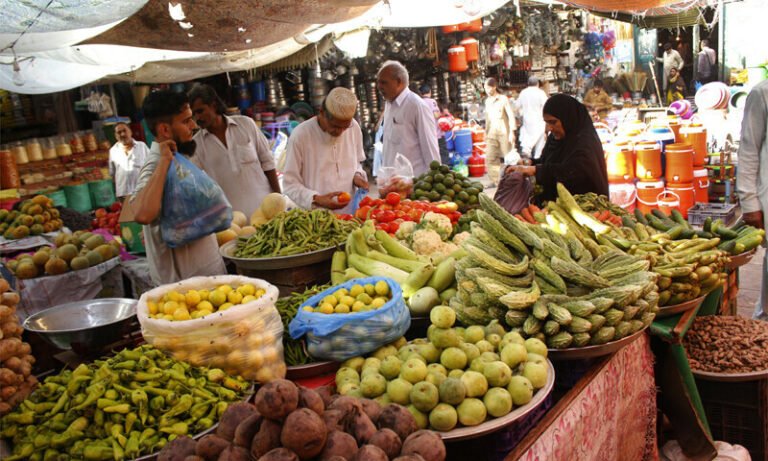
ISLAMABAD — The Pakistan Bureau of Statistics (PBS) reported a 0.91% increase in the Sensitive Price Indicator (SPI)-based weekly inflation for the week ending July 23, 2026. The rise affects the combined consumption group, reflecting changes in the cost of essential kitchen items across the country. What Happened The PBS released its latest data indicating that the SPI, which measures the price changes of essential commodities on a weekly basis, rose by 0.91% for the week under review. This increase is attributed to the rising costs of kitchen items, impacting households nationwide. The SPI is a critical tool used to gauge inflationary trends by tracking the prices of 51 essential items, including food and non-food products. According to the PBS report, several key kitchen items saw price hikes. The cost of onions, tomatoes, and cooking oil were among the most significant contributors to the overall increase. The price of onions surged by 3.5%, while tomatoes increased by 2.8%. Cooking oil, a staple in most Pakistani households, saw a 1.5% rise in its price. In addition to these items, the prices of pulses, flour, and sugar also showed upward trends. The PBS data highlighted that these increases are part of a broader inflationary pattern affecting the purchasing power of consumers, particularly those in lower-income brackets who spend a larger portion of their income on food. Economists suggest that various factors, including supply chain disruptions, seasonal variations, and international market trends, could be contributing to the rising prices. The government has been urged to take measures to stabilize prices and ensure the affordability of essential commodities. Background Inflation has been a persistent challenge for Pakistan’s economy, with food prices often driving overall inflation rates. The SPI is a critical measure used by policymakers to monitor and respond to inflationary pressures. Historically, price fluctuations in essential commodities have been influenced by a combination of domestic supply issues and global market conditions. In recent years, Pakistan has experienced periodic spikes in inflation, prompting government interventions such as subsidies and price controls to mitigate the impact on consumers. However, these measures have had varying degrees of success, often facing criticism for not adequately addressing the root causes of inflation. The current increase in kitchen item prices is part of a broader trend observed over the past few months, where inflation rates have been gradually rising. This trend poses significant challenges for economic stability and consumer welfare, particularly in a country where a substantial portion of the population lives below the poverty line. Why It Matters The rise in kitchen item prices is a significant concern for Pakistani households, especially those with limited financial resources. Food inflation directly affects the cost of living, reducing the disposable income available for other necessities such as healthcare, education, and housing. For policymakers, the increase in SPI-based inflation underscores the need for effective economic strategies to control price volatility. Failure to address these issues could lead to increased poverty levels and social unrest, as citizens struggle to afford basic necessities. On a broader scale, persistent inflation can undermine economic growth by eroding consumer confidence and reducing purchasing power. It also poses challenges for the government in maintaining fiscal discipline while trying to stimulate economic activity through public spending. Internationally, rising inflation can affect Pakistan’s trade balance and competitiveness. Higher domestic prices may lead to increased import costs, impacting the country’s foreign exchange reserves and trade deficit. Key Takeaways The SPI-based weekly inflation rose by 0.91% for the week ending July 23, 2026. Key kitchen items such as onions, tomatoes, and cooking oil saw notable price increases. Inflationary pressures are driven by supply chain disruptions and global market trends. Rising prices impact consumer purchasing power, particularly for low-income households. Policymakers face challenges in stabilizing prices and ensuring economic stability. Source Attribution This article is based on official government statements, press releases, and public communications from relevant authorities. Author: NEN Editorial Desk | Editor: NEN Newsroom | Fact Checked By: NEN Editorial Team Author: NEN Editorial Desk  |  Editor: NEN Newsroom  |  Last Updated: July 24, 2026  |  Source: NEN Reporter This article was produced by the NEN Editorial Desk in accordance with NEN Agency’s Editorial Policy and Fact-Checking Policy.
Pakistan

Sindh CM Commits to Police Modernisation at Passing-Out Parade

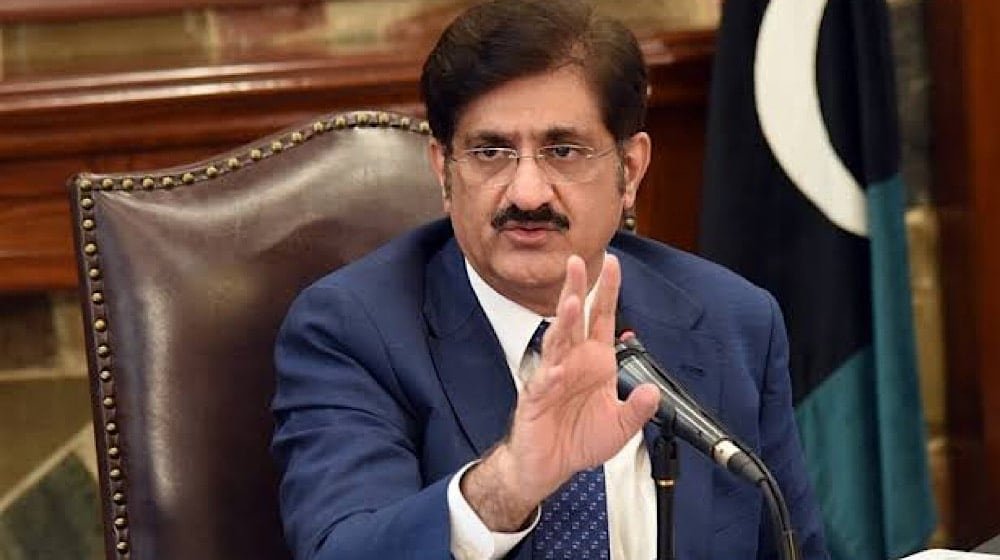
HYDERABAD — Sindh Chief Minister Syed Murad Ali Shah on Friday reiterated his government’s dedication to enhancing the province’s law enforcement capabilities. Speaking at the 132nd Passing-Out Parade at the Police Training College in Saeedabad, Shah emphasized the importance of a modern, well-trained, and community-focused police force in maintaining peace and combating terrorism. What Happened During the ceremony, Chief Minister Shah addressed the graduating cadets, highlighting the critical role of a robust police force in ensuring public safety and fostering sustainable development. He announced continued investment in police modernisation, which includes upgrading equipment, enhancing training programs, and adopting advanced technologies. Shah stated, “A modern, professionally trained and people-centric police force is essential for maintaining peace, combating terrorism and ensuring sustainable development across the province.” The event marked the graduation of numerous cadets who have completed rigorous training designed to equip them with the skills necessary to tackle contemporary challenges in law enforcement. The Chief Minister congratulated the new officers and urged them to uphold the highest standards of integrity and professionalism in their duties. Shah also acknowledged the sacrifices made by police personnel in the line of duty, underscoring the government’s commitment to supporting them through improved welfare measures and career development opportunities. He noted that the provincial government has been working on various initiatives to enhance the operational capacity of the police force, including the introduction of new policing strategies and community engagement programs. Background The Sindh Police has been undergoing a series of reforms aimed at improving its effectiveness and responsiveness. These reforms are part of a broader strategy to address security challenges in the province, which has historically faced issues related to terrorism, organized crime, and civil unrest. Over the past few years, the provincial government has invested in infrastructure development, technological upgrades, and capacity-building initiatives for the police force. The passing-out parade is a traditional ceremony that marks the completion of training for police recruits. It serves as a platform for the government to showcase its commitment to law enforcement and to motivate new officers as they embark on their careers in public service. Why It Matters The emphasis on police modernisation is significant given the evolving security landscape in Sindh and across Pakistan. The province has been a focal point for various security operations due to its strategic importance and diverse population. A modern police force equipped with the latest technology and training is crucial for effectively addressing threats such as terrorism, cybercrime, and organized crime. Investing in police modernisation also has broader implications for social stability and economic development. A secure environment is essential for attracting investment and fostering economic growth. By prioritizing law enforcement reforms, the Sindh government aims to create a conducive atmosphere for business and tourism, which can contribute to the province’s economic prosperity. Furthermore, a people-centric approach to policing can enhance public trust and cooperation, which are vital for effective law enforcement. Community engagement initiatives and transparent policing practices can help bridge the gap between the police and the public, leading to more collaborative efforts in crime prevention and community safety. Key Takeaways Sindh Chief Minister Syed Murad Ali Shah has pledged continued investment in police modernisation. The 132nd Passing-Out Parade marked the graduation of new police cadets in Saeedabad. Modernisation efforts include upgrading equipment, training, and adopting advanced technologies. Police reforms are part of a broader strategy to enhance security and promote economic development in Sindh. A modern, community-focused police force is essential for maintaining peace and combating terrorism. Source Attribution This article is based on official government statements, press releases, and public communications from relevant authorities. Author: NEN Editorial Desk | Editor: NEN Newsroom | Fact Checked By: NEN Editorial Team Author: NEN Editorial Desk  |  Editor: NEN Newsroom  |  Last Updated: July 24, 2026  |  Source: NEN Reporter This article was produced by the NEN Editorial Desk in accordance with NEN Agency’s Editorial Policy and Fact-Checking Policy.
Pakistan

Punjab Assembly Calls for Swift Local Government Elections and Autonomy

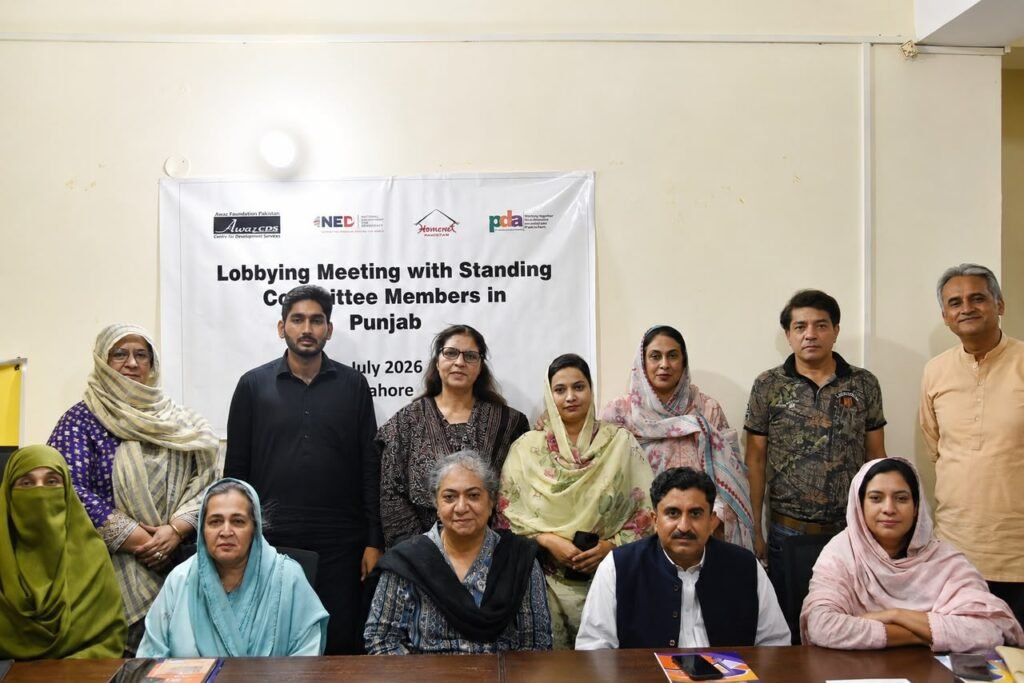
LAHORE — Members of the Punjab Assembly, governance experts, and civil society representatives have called on the government to expedite the schedule for local government elections and enhance the autonomy of local bodies as per Article 140-A of the Constitution. The consultation emphasized the need for timely elections and greater political, administrative, and financial independence for local governments. What Happened The consultation, held in Lahore, brought together a diverse group of stakeholders, including members of the Punjab Assembly, governance experts, and representatives from civil society organizations. The primary focus of the meeting was to urge the government to announce a clear timeline for local government elections, which have been delayed for several months. Participants stressed the importance of adhering to Article 140-A of the Constitution, which mandates the establishment of local governments with adequate powers and resources. During the meeting, several speakers highlighted the critical role that local governments play in ensuring effective governance and service delivery at the grassroots level. They argued that delays in conducting local government elections undermine democratic processes and hinder the development of local communities. “The government must prioritize the implementation of Article 140-A to empower local bodies,” said one participant, underscoring the need for immediate action. The consultation also addressed the need for reforms that would grant local governments greater autonomy in decision-making. Participants advocated for increased political, administrative, and financial powers to be devolved to local bodies, enabling them to address the needs of their constituents more effectively. The discussion highlighted the potential benefits of such reforms, including improved public service delivery, enhanced accountability, and increased citizen participation in governance. Background Article 140-A of the Constitution of Pakistan stipulates that each province shall establish a local government system and devolve political, administrative, and financial responsibility and authority to the elected representatives of the local governments. This constitutional provision aims to ensure that governance is brought closer to the people, allowing for more responsive and accountable administration. Historically, local government elections in Pakistan have faced delays and challenges due to various political and administrative factors. The last local government elections in Punjab were held in 2015, and the term of those elected representatives ended in 2019. Since then, there has been a growing demand for new elections to restore local governance structures and empower communities. Why It Matters The timely implementation of local government elections and the empowerment of local bodies are crucial for Pakistan’s democratic development. Local governments serve as the foundation of democracy, providing citizens with a direct channel to participate in governance and decision-making processes. By ensuring that local governments have the necessary autonomy and resources, the government can enhance service delivery and improve the quality of life for citizens across Punjab. Economically, empowered local governments can drive development initiatives tailored to the specific needs of their communities. This localized approach can lead to more efficient use of resources, fostering economic growth and reducing regional disparities. Politically, conducting timely local government elections reinforces the democratic process and strengthens public trust in governmental institutions. Internationally, Pakistan’s commitment to democratic principles and effective governance is closely watched by global partners and investors. Demonstrating adherence to constitutional mandates like Article 140-A can enhance Pakistan’s reputation as a stable and democratic nation, potentially attracting foreign investment and support for development projects. Key Takeaways Punjab Assembly members and civil society representatives have called for prompt local government elections. The consultation emphasized the need for implementing Article 140-A to empower local bodies. Delays in local government elections undermine democratic processes and community development. Greater autonomy for local governments can improve service delivery and citizen participation. Timely elections and empowered local bodies are vital for Pakistan’s democratic and economic progress. Source Attribution This article is based on official government statements, press releases, and public communications from relevant authorities. Author: NEN Editorial Desk | Editor: NEN Newsroom | Fact Checked By: NEN Editorial Team Author: NEN Editorial Desk  |  Editor: NEN Newsroom  |  Last Updated: July 24, 2026  |  Source: NEN Reporter This article was produced by the NEN Editorial Desk in accordance with NEN Agency’s Editorial Policy and Fact-Checking Policy.
Pakistan

ANF Arrests 10 Suspects, Seizes 31kg of Drugs in Nationwide Raids

ISLAMABAD — The Anti-Narcotics Force (ANF) has successfully apprehended 10 individuals, including a woman, and seized over 31 kilograms of narcotics in a series of operations conducted nationwide. The raids, which took place around educational institutions and other targeted locations, were part of a broader effort to combat drug trafficking across Pakistan, an ANF spokesman confirmed on Friday. What Happened The ANF carried out eight coordinated operations in various parts of the country, targeting areas known for drug trafficking activities. These operations led to the arrest of 10 suspects and the recovery of 31.338 kilograms of narcotics, with an estimated street value exceeding Rs 3.5 million. The seized drugs include heroin, hashish, and other illicit substances. According to the ANF spokesman, the operations were strategically planned to dismantle drug networks operating near educational institutions, aiming to protect students and young adults from the influence of narcotics. “Our efforts are focused on eradicating drug abuse and trafficking, particularly in areas where youth are most vulnerable,” the spokesman stated. The arrested individuals are currently under investigation, and the ANF is working to trace the origins and distribution networks of the seized drugs. The operations underscore the ANF’s commitment to maintaining a drug-free environment, especially in areas frequented by young people. Background The ANF has been at the forefront of Pakistan’s efforts to combat drug trafficking and abuse. Established in 1995, the force operates under the Ministry of Narcotics Control and is responsible for enforcing the country’s anti-drug laws. Pakistan, due to its geographical location, is a key transit point for narcotics originating from Afghanistan, one of the largest producers of opium and heroin in the world. Over the years, the ANF has intensified its operations, focusing on both supply and demand reduction strategies. These include public awareness campaigns, rehabilitation programs, and stringent enforcement measures. The force collaborates with international partners to enhance its capabilities and share intelligence on transnational drug trafficking networks. Why It Matters The recent operations by the ANF are significant for several reasons. Firstly, they highlight the ongoing challenge of drug trafficking in Pakistan, a problem that poses serious social and economic threats. Drug abuse not only affects the health and well-being of individuals but also contributes to crime and instability in communities. By targeting areas around educational institutions, the ANF aims to prevent the spread of drug abuse among the youth, who are particularly susceptible to the influence of narcotics. Protecting young people from drugs is crucial for safeguarding the future of the nation, as they represent the next generation of leaders and professionals. Moreover, these operations demonstrate Pakistan’s commitment to fulfilling its international obligations in the fight against drug trafficking. As a signatory to various international conventions on narcotics control, Pakistan is actively working to curb the flow of drugs within and across its borders. The economic impact of drug trafficking is also noteworthy. The illegal drug trade generates significant profits for criminal organizations, which can be used to fund other illicit activities. By disrupting these networks, the ANF not only reduces the availability of drugs but also weakens the financial power of organized crime groups. Key Takeaways The ANF arrested 10 suspects and seized over 31 kilograms of narcotics in nationwide operations. Operations targeted areas around educational institutions to protect youth from drug influence. The seized drugs have an estimated street value of over Rs 3.5 million. Pakistan’s geographical location makes it a key transit point for narcotics from Afghanistan. The ANF’s efforts are part of a broader strategy to combat drug trafficking and abuse. Source Attribution This article is based on official government statements, press releases, and public communications from relevant authorities. Author: NEN Editorial Desk | Editor: NEN Newsroom | Fact Checked By: NEN Editorial Team Author: NEN Editorial Desk  |  Editor: NEN Newsroom  |  Last Updated: July 24, 2026  |  Source: NEN Reporter This article was produced by the NEN Editorial Desk in accordance with NEN Agency’s Editorial Policy and Fact-Checking Policy.
Pakistan

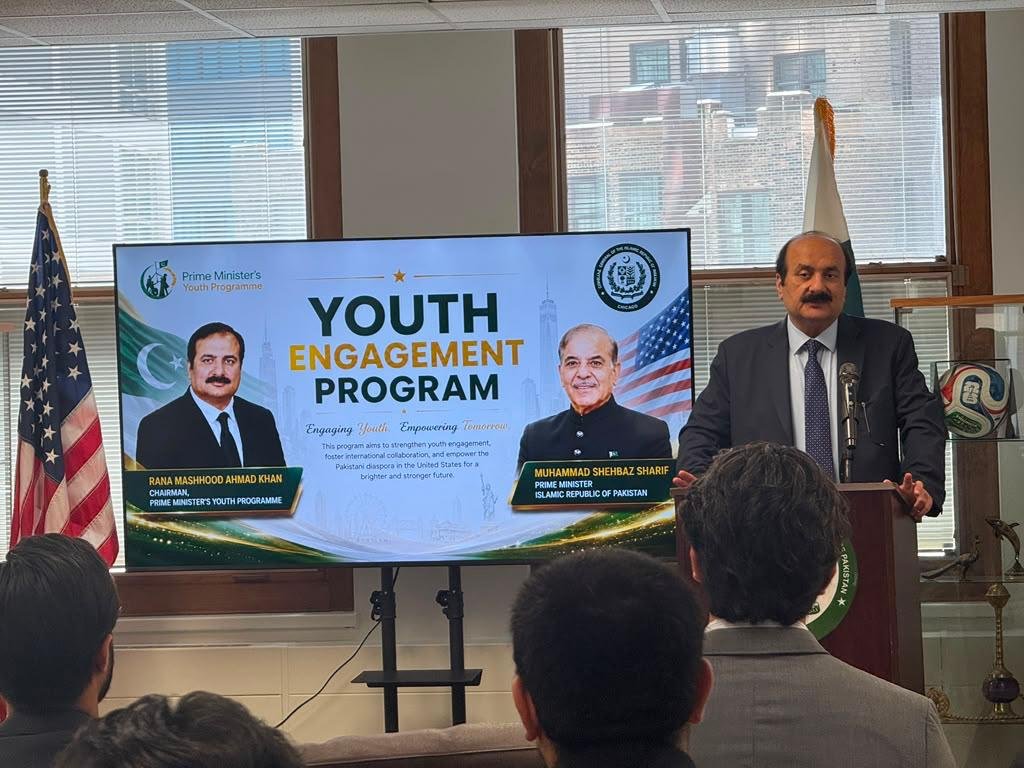
Rana Mashhood Engages Pakistani-American Youth in Chicago for Development Efforts

CHICAGO — Chairman of the Prime Minister’s Youth Programme (PMYP), Rana Mashhood Ahmad Khan, reached out to the Pakistani-American community in Chicago, urging them to contribute to youth development initiatives back home. The engagement session took place at the Consulate General of Pakistan, aiming to harness the potential of the diaspora in supporting Pakistan’s youth. What Happened During his visit to Chicago, Rana Mashhood Ahmad Khan, Chairman of the Prime Minister’s Youth Programme, held an interactive session with Pakistani-American youth and professionals. The event was hosted at the Consulate General of Pakistan, where Khan emphasized the importance of the diaspora’s involvement in fostering youth development in Pakistan. He highlighted the role that overseas Pakistanis can play in mentoring, investing, and sharing expertise with the younger generation in Pakistan. In his address, Khan stated, “The youth of Pakistan is our greatest asset, and we need the support of our overseas community to unlock their potential.” He encouraged the attendees to take active roles in various initiatives under the PMYP, which aims to empower young Pakistanis through education, skill development, and entrepreneurship programs. The session also provided a platform for the attendees to discuss challenges and opportunities related to youth development in Pakistan. Participants shared their experiences and suggestions on how the diaspora could effectively contribute to these efforts. The event concluded with a commitment from the attendees to explore collaborative projects and partnerships that could benefit young people in Pakistan. Background The Prime Minister’s Youth Programme was launched to address the challenges faced by young Pakistanis, including unemployment and lack of access to quality education and skills training. The program encompasses various initiatives such as the Youth Business Loan Scheme, Skills Development Program, and the Youth Internship Program, aimed at equipping young people with the necessary tools to succeed in a competitive global environment. Rana Mashhood Ahmad Khan, a seasoned politician and advocate for youth empowerment, has been actively involved in promoting initiatives that focus on education and skill development. His visit to Chicago is part of a broader strategy to engage the Pakistani diaspora in supporting these efforts. Why It Matters The involvement of the Pakistani diaspora, particularly in the United States, is crucial for the success of youth development programs in Pakistan. The diaspora community possesses significant resources, expertise, and networks that can be leveraged to create opportunities for young Pakistanis. By engaging with overseas Pakistanis, the PMYP aims to bridge the gap between local needs and international support. Economically, the contributions from the diaspora can lead to increased investments in education and skill development sectors, potentially reducing unemployment rates and enhancing the country’s human capital. Socially, the mentorship and guidance provided by experienced professionals abroad can inspire and motivate young Pakistanis to pursue innovative and entrepreneurial ventures. Politically, strengthening ties with the diaspora can enhance Pakistan’s image globally and foster international collaborations that benefit the country’s development agenda. Engaging the diaspora also aligns with Pakistan’s broader strategy to harness the potential of its expatriate community for national development. Key Takeaways Rana Mashhood Ahmad Khan engaged with Pakistani-American youth in Chicago to support youth development in Pakistan. The session aimed to involve the diaspora in initiatives under the Prime Minister’s Youth Programme. The PMYP focuses on empowering young Pakistanis through education, skills, and entrepreneurship. The diaspora’s involvement is crucial for economic, social, and political benefits in Pakistan. Strengthening ties with overseas Pakistanis aligns with national development goals. Source Attribution This article is based on official government statements, press releases, and public communications from relevant authorities. Author: NEN Editorial Desk | Editor: NEN Newsroom | Fact Checked By: NEN Editorial Team Author: NEN Editorial Desk  |  Editor: NEN Newsroom  |  Last Updated: July 24, 2026  |  Source: NEN Reporter This article was produced by the NEN Editorial Desk in accordance with NEN Agency’s Editorial Policy and Fact-Checking Policy.

Pakistan

Pakistan, Sri Lanka to Enhance Youth Cooperation and Trade Ties

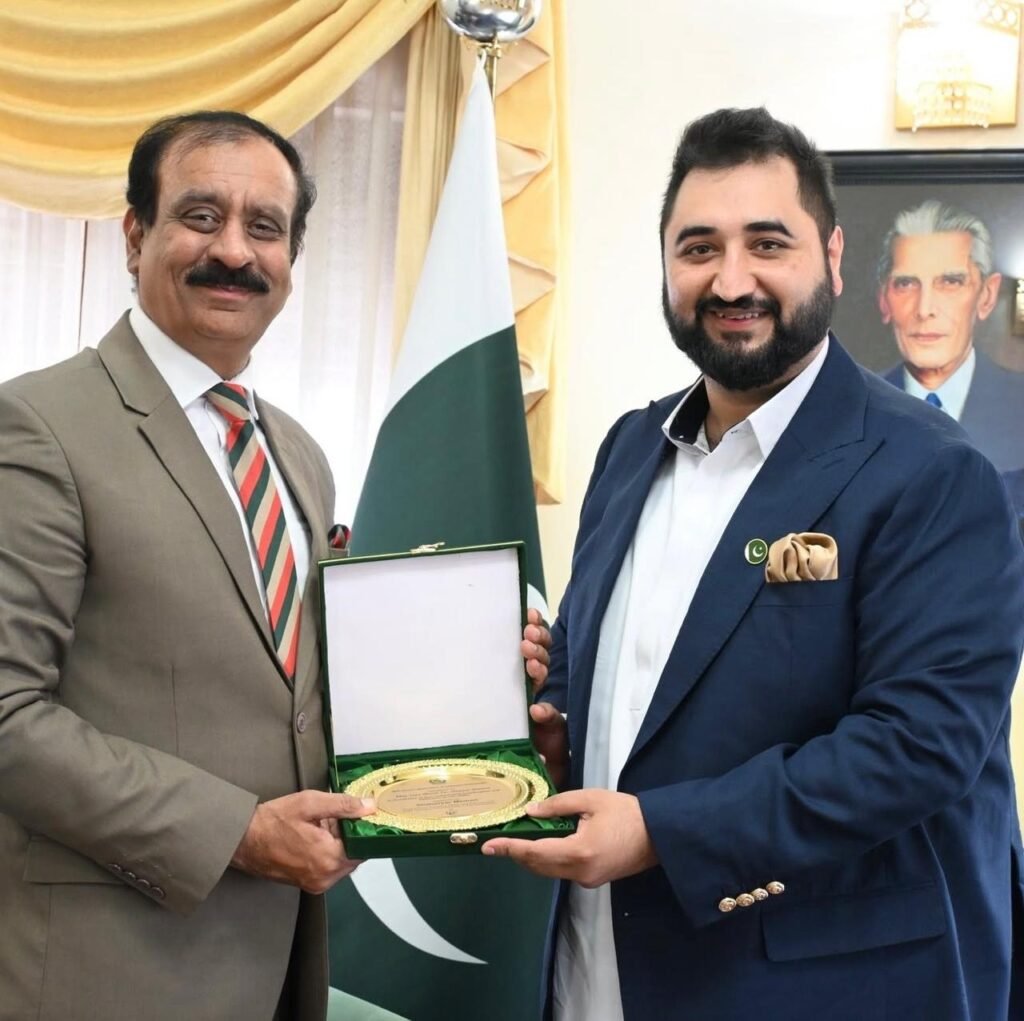
ISLAMABAD — Pakistan and Sri Lanka have agreed to bolster their bilateral relationship by focusing on youth cooperation, educational exchanges, and economic collaboration. This development emerged from a meeting held on July 24 between Shaheryar Memon, the Prime Minister’s Youth Programme Focal Person on trade and investment, and Pakistan’s High Commissioner to Sri Lanka, Major General (Retd) Muhammad Saad Khattak. What Happened During the meeting in Islamabad, Shaheryar Memon and Major General (Retd) Muhammad Saad Khattak discussed various avenues to enhance cooperation between the two nations. The primary focus was on expanding youth cooperation and increasing trade and investment opportunities. Both officials emphasized the importance of educational exchanges as a means to strengthen ties and foster mutual understanding between the younger generations of Pakistan and Sri Lanka. Shaheryar Memon highlighted the potential for increased collaboration in the education sector, noting that educational exchanges could serve as a foundation for deeper bilateral relations. He stated, “By investing in our youth, we are investing in the future of our nations.” Major General Khattak echoed these sentiments, stressing the need for sustained efforts to facilitate student exchanges and joint educational programs. The discussions also covered strategies to boost trade and investment between the two countries. Both parties recognized the need to explore new markets and opportunities that could benefit the economies of Pakistan and Sri Lanka. The meeting concluded with a mutual commitment to work towards these goals, with follow-up actions planned to ensure progress. Background Pakistan and Sri Lanka have a long history of diplomatic relations, with ties dating back to the early years of both nations’ independence. Over the decades, the two countries have cooperated in various fields, including defense, trade, and cultural exchanges. The recent focus on youth cooperation and educational exchanges is part of a broader strategy to deepen these ties and create new opportunities for collaboration. In recent years, both countries have sought to enhance their economic partnership, recognizing the potential for mutual benefit. Trade between Pakistan and Sri Lanka has been growing steadily, with both nations exploring avenues to diversify their economic interactions. The emphasis on youth cooperation aligns with global trends, where countries are increasingly focusing on empowering young people as a means to drive innovation and economic growth. Why It Matters The decision to expand youth cooperation and boost trade with Sri Lanka is significant for several reasons. Economically, it presents an opportunity for Pakistan to access new markets and strengthen its trade ties in the South Asian region. By enhancing educational exchanges, Pakistan can also foster a generation of young leaders who are well-versed in international collaboration and diplomacy. Socially, increased youth cooperation can lead to greater cultural understanding and people-to-people connections. This is particularly important in a region where historical tensions have sometimes overshadowed potential partnerships. By focusing on the youth, Pakistan and Sri Lanka are investing in a future where collaboration and mutual respect are prioritized. Politically, this move could enhance Pakistan’s standing in the region by demonstrating its commitment to fostering regional cooperation and development. As both nations work towards common goals, they can set a precedent for other countries in the region to follow, potentially leading to a more integrated and cooperative South Asia. Key Takeaways Pakistan and Sri Lanka are committed to expanding youth cooperation and educational exchanges. The meeting focused on enhancing trade and investment opportunities between the two nations. Educational exchanges are seen as a foundation for stronger bilateral relations. The initiative aligns with global trends of empowering youth for economic growth. This collaboration could strengthen Pakistan’s regional standing and foster greater cultural understanding. Source Attribution This article is based on official government statements, press releases, and public communications from relevant authorities. Author: NEN Editorial Desk | Editor: NEN Newsroom | Fact Checked By: NEN Editorial Team Author: NEN Editorial Desk  |  Editor: NEN Newsroom  |  Last Updated: July 24, 2026  |  Source: NEN Reporter This article was produced by the NEN Editorial Desk in accordance with NEN Agency’s Editorial Policy and Fact-Checking Policy.

Scroll to Top