
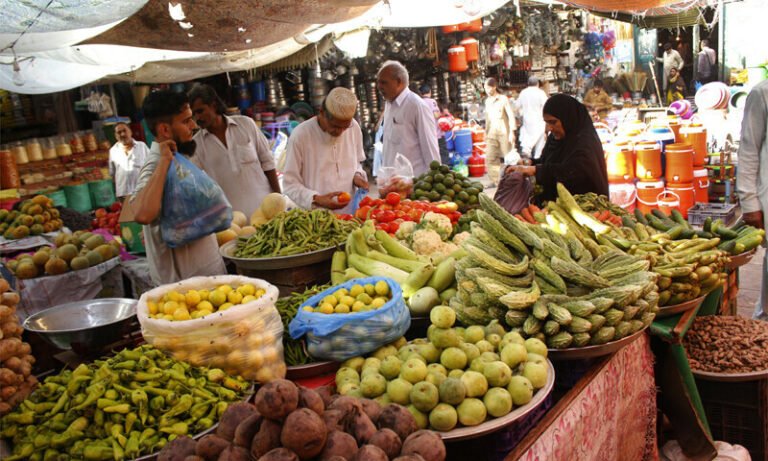
ISLAMABAD — The Pakistan Bureau of Statistics (PBS) reported a 0.91% increase in the Sensitive Price Indicator (SPI)-based weekly inflation for the week ending July 23, 2026. The rise affects the combined consumption group, reflecting changes in the cost of essential kitchen items across the country.
What Happened
The PBS released its latest data indicating that the SPI, which measures the price changes of essential commodities on a weekly basis, rose by 0.91% for the week under review. This increase is attributed to the rising costs of kitchen items, impacting households nationwide. The SPI is a critical tool used to gauge inflationary trends by tracking the prices of 51 essential items, including food and non-food products.
According to the PBS report, several key kitchen items saw price hikes. The cost of onions, tomatoes, and cooking oil were among the most significant contributors to the overall increase. The price of onions surged by 3.5%, while tomatoes increased by 2.8%. Cooking oil, a staple in most Pakistani households, saw a 1.5% rise in its price.
In addition to these items, the prices of pulses, flour, and sugar also showed upward trends. The PBS data highlighted that these increases are part of a broader inflationary pattern affecting the purchasing power of consumers, particularly those in lower-income brackets who spend a larger portion of their income on food.
Economists suggest that various factors, including supply chain disruptions, seasonal variations, and international market trends, could be contributing to the rising prices. The government has been urged to take measures to stabilize prices and ensure the affordability of essential commodities.
Background
Inflation has been a persistent challenge for Pakistan’s economy, with food prices often driving overall inflation rates. The SPI is a critical measure used by policymakers to monitor and respond to inflationary pressures. Historically, price fluctuations in essential commodities have been influenced by a combination of domestic supply issues and global market conditions.
In recent years, Pakistan has experienced periodic spikes in inflation, prompting government interventions such as subsidies and price controls to mitigate the impact on consumers. However, these measures have had varying degrees of success, often facing criticism for not adequately addressing the root causes of inflation.
The current increase in kitchen item prices is part of a broader trend observed over the past few months, where inflation rates have been gradually rising. This trend poses significant challenges for economic stability and consumer welfare, particularly in a country where a substantial portion of the population lives below the poverty line.
Why It Matters
The rise in kitchen item prices is a significant concern for Pakistani households, especially those with limited financial resources. Food inflation directly affects the cost of living, reducing the disposable income available for other necessities such as healthcare, education, and housing.
For policymakers, the increase in SPI-based inflation underscores the need for effective economic strategies to control price volatility. Failure to address these issues could lead to increased poverty levels and social unrest, as citizens struggle to afford basic necessities.
On a broader scale, persistent inflation can undermine economic growth by eroding consumer confidence and reducing purchasing power. It also poses challenges for the government in maintaining fiscal discipline while trying to stimulate economic activity through public spending.
Internationally, rising inflation can affect Pakistan’s trade balance and competitiveness. Higher domestic prices may lead to increased import costs, impacting the country’s foreign exchange reserves and trade deficit.
Key Takeaways
- The SPI-based weekly inflation rose by 0.91% for the week ending July 23, 2026.
- Key kitchen items such as onions, tomatoes, and cooking oil saw notable price increases.
- Inflationary pressures are driven by supply chain disruptions and global market trends.
- Rising prices impact consumer purchasing power, particularly for low-income households.
- Policymakers face challenges in stabilizing prices and ensuring economic stability.
Source Attribution
This article is based on official government statements, press releases, and public communications from relevant authorities.














