Pakistan

News related to Pakistan in Pakistan and around the world.

Pakistan

ICT Police Launches Mobile Facilitation Vans in Islamabad from June 29

ISLAMABAD — The Islamabad Capital Territory (ICT) Police has announced a schedule for the deployment of its Police Station on Wheel (PS on Wheel) and Islamabad Traffic Police (ITP) Facilitation Vans. These mobile units will offer policing and traffic-related services at various locations throughout the federal capital from June 29 to July 5, 2023. Key Initiative Introduction The ICT Police has introduced a new initiative to enhance public access to police services through mobile facilitation vans. Starting June 29, these vans will be stationed at strategic locations across Islamabad. They will provide services including the registration of complaints, issuance of character certificates, and assistance with traffic-related issues. Community Accessibility An official from the Islamabad Traffic Police (ITP) emphasized the initiative’s aim to improve public access to police services. This is crucial for residents who find it challenging to visit a police station. “The mobile facilitation vans will help bridge the gap between the police and the community by bringing services directly to the people,” the official stated. Deployment and Operations The vans’ deployment schedule has been meticulously planned to cover different sectors of Islamabad, ensuring accessibility for a wide range of citizens. These vans will operate daily, with specific locations and timings announced in advance. This initiative is part of a broader effort by the ICT Police to modernize operations and improve service delivery. Each mobile unit is equipped with the necessary technology and personnel to efficiently handle various tasks, reducing the need for citizens to visit police stations for routine issues. Background and Context The concept of mobile police stations, used globally to improve community policing, is now embraced by the ICT Police to enhance service delivery and community engagement. This step is part of ongoing efforts to modernize police operations in Pakistan. Historically, the ICT Police has faced challenges reaching all population segments, particularly in remote areas. Mobile facilitation vans address these challenges by providing quick and efficient mobile solutions. Recent initiatives focused on improving Pakistan’s public perception of the police, including community policing, digital services, and facilitation centers, are part of this broader strategy. Significance of Mobile Vans The deployment of these mobile vans by the ICT Police is significant for several reasons. Economically, it lowers the cost and time for citizens to access services, benefiting those far from police stations. This initiative improves efficiency by decentralizing service delivery and reducing police station congestion. Socially, the presence of vans in neighborhoods strengthens police-community relationships. Increasing police visibility and accessibility fosters trust and cooperation, crucial for effective crime prevention. Politically, this initiative reflects the government’s commitment to improving public services and governance. It aligns with broader national goals to modernize public sector services and enhance the rule of law. Internationally, it positions Pakistan as a country adopting innovative solutions to enhance public safety and service delivery, demonstrating a willingness to learn from global best practices.

Pakistan

Minister Condemns Attack on Rangers Personnel in Karachi

ISLAMABAD — Federal Minister for Parliamentary Affairs Dr. Tariq Fazal Chaudhry has condemned the recent terrorist attack on Rangers personnel in Karachi. This incident on Sunday led to loss of life and injuries among security forces, drawing widespread grief and condemnation from both officials and citizens. Details of the Attack On Sunday, a terrorist attack targeted Rangers personnel in Karachi, causing fatalities and injuries. The full details, including the number of casualties, are still under investigation by local authorities. Dr. Tariq Fazal Chaudhry, in a social media statement, extended condolences to the families of the deceased and wished a speedy recovery for the injured. He emphasized the bravery and sacrifice shown by the security personnel. Government’s Response Dr. Fazal stressed the government’s commitment to fighting terrorism and ensuring citizens’ safety. He declared, “The sacrifices of our security forces will not go in vain, and we are determined to eradicate the menace of terrorism from our soil.” This attack has renewed calls for tighter security measures and increased vigilance, especially in urban areas like Karachi that have faced similar threats in the past. Background of Karachi’s Security Challenges Karachi, being Pakistan’s largest city and an economic hub, has long been prone to violence such as terrorism, sectarian conflicts, and gang activities. Multiple attacks have historically targeted law enforcement agencies, aiming to destabilize the region and undermine the state’s authority. The Rangers, as a paramilitary force, have been essential in efforts to restore peace, making them frequent targets in such attacks. Although Pakistan has made significant progress in reducing terrorism through military operations and intelligence-based initiatives, sporadic attacks pose ongoing challenges. The government continues to strengthen counter-terrorism strategies and improve inter-agency coordination to prevent such incidents. Implications for National Security and Stability The attack in Karachi highlights the persistent threat of terrorism in Pakistan. It underscores the difficulties faced by security forces in maintaining peace, especially in urban centers at higher risk of attacks. Karachi’s security is crucial to Pakistan’s financial stability, as disruption could impact national GDP and investor confidence. Such attacks create fear and uncertainty, affecting citizens’ daily lives and trust in state protection. The government’s response will be pivotal in reassuring the public and demonstrating its resolve against terrorism.

Pakistan

Punjab Government Ensures Transparency in Operations, Says Marriyum Aurangzeb

LAHORE — Punjab Senior Minister Marriyum Aurangzeb has affirmed that the Punjab government conducts its operations with full transparency, adhering strictly to legal requirements and standard operating procedures (SOPs). Her statement comes amidst scrutiny of governmental processes, aiming to reassure the public of the administration’s commitment to accountability. Government Commitment to Transparency In a recent statement, Minister Marriyum Aurangzeb emphasized the Punjab government’s dedication to transparency in its administrative affairs. All government operations comply strictly with established legal frameworks and SOPs. This statement is part of the government’s broader effort to maintain public trust and ensure open and accountable governance. During a press briefing, Aurangzeb reiterated that transparency is a cornerstone of the current government’s policy. She stressed that all departments are expected to adhere to these principles. “The Punjab government commits to ensuring every action taken is in the public’s best interest and executed with complete transparency,” she stated. Measures for Enhancing Transparency The minister outlined several measures to enhance transparency, including digitizing records and processes to minimize corruption and inefficiency. These steps are part of a larger initiative to modernize the provincial administration and improve service delivery to the citizens of Punjab. Historical Context The emphasis on transparency in government operations is not new. Pakistan has historically faced challenges with corruption and lack of accountability in public offices. Over the years, various administrations have pledged to improve transparency and reduce corruption. The current Punjab government, led by the Pakistan Muslim League-Nawaz (PML-N), emphasizes transparency as a key part of its governance agenda. Recent years have seen several initiatives to improve transparency across Pakistan. These include the Right to Information Act, allowing citizens to request information from government bodies, and establishing anti-corruption units to investigate and prosecute cases of corruption. The Importance of Transparency Transparency in government operations is crucial for fostering public trust and ensuring that resources are used effectively. In Pakistan, where corruption has been historically significant, transparent governance can improve public services, better infrastructure, and enhance economic development. For Punjab’s citizens, transparency assurance means expecting more accountability from their government. This can lead to more efficient use of public funds and improved service delivery. Transparency can also help attract foreign investment by creating a stable and predictable business environment. Punjab Senior Minister Marriyum Aurangzeb reaffirmed the government’s commitment to transparency in operations. The government adheres to legal requirements and SOPs to ensure accountability. Transparency efforts include digitization of records and processes to reduce corruption. Pioneering transparency serves as a model for other provinces in Pakistan.

Pakistan

Prime Minister Orders Swift Response to Musakhel Earthquake in Balochistan

ISLAMABAD — Prime Minister Shehbaz Sharif on Saturday expressed profound sorrow over the recent earthquake in Balochistan’s Musakhel area. He offered heartfelt condolences to the affected families and emphasized the urgency of effective relief operations. Incident Overview The earthquake impacted Musakhel district, causing extensive property damage and injuries. In response, Prime Minister Sharif directed the National Disaster Management Authority (NDMA) and the Balochistan provincial government to expedite rescue and relief efforts. He emphasized providing the best medical facilities to the injured, particularly in Kingri, and hoped for their swift recovery. Immediate relief for residents with damaged homes was prioritized. The Prime Minister called for federal and provincial cooperation to ensure a coordinated crisis response. The directives included delivering necessary medical assistance and deploying resources to support affected communities. Initial reports indicate significant infrastructure damage, leading to displacements. The NDMA and local authorities are assessing the full damage extent and delivering aid to those in need. Seismic History and Preparedness Balochistan, Pakistan’s largest province by area, frequently experiences seismic activity due to its location near tectonic boundaries. Past events, like the 2013 Awaran earthquake, resulted in substantial losses. The provincial government, supported by federal agencies, is enhancing disaster preparedness and response strategies. Established in 2007, the NDMA plays a crucial coordination role in Pakistan’s disaster response. It collaborates with provincial disaster management authorities to implement strategies reducing disasters’ impacts. Significance of the Response The Musakhel earthquake reveals vulnerabilities in Balochistan’s rural communities. Its remote location and difficult terrain complicate relief operations, necessitating a coordinated effort from federal and provincial authorities. The Prime Minister’s directive emphasizes addressing citizens’ immediate needs and mitigating long-term disaster impacts. Economically, the earthquake could worsen existing regional challenges, with limited infrastructure and resources. Effective relief implementation is critical to preventing further socio-economic decline in the affected areas. International Impact Pakistan’s disaster response influences its international standing, as it reflects crisis management capabilities. Effective disaster management can improve Pakistan’s reputation and enhance international cooperation in preparedness and response efforts. Key Takeaways Prime Minister Shehbaz Sharif has mandated immediate relief operations after the Musakhel earthquake in Balochistan. The NDMA and Balochistan’s provincial government are to expedite rescue efforts and provide medical assistance. Balochistan’s seismic history necessitates strong preparedness and response strategies. The earthquake highlights socio-economic vulnerabilities in rural communities. Pakistan’s response to this disaster holds significant implications for its reputation and international cooperation.

Pakistan

Thikriwala Police Solve Child Murder Case in 24 Hours, Relative Arrested

FAISALABAD — Thikriwala police swiftly resolved a seven-year-old boy’s murder case within 24 hours, arresting a close relative. The tragic incident occurred in Chak No. 71-JB Sarli, involving the death of Shakeel Ahmad. Investigation and Arrest On June 27, Shakeel Ahmad was reported missing from his home. Faisalabad City Police Officer (CPO) Tanveer Hussain immediately launched an intensive investigation. A special team formed under SP Iqbal Division Saeed Ahmed used modern technological resources and traditional methods for a thorough search operation. The boy’s body was discovered the following day in an abandoned building. Investigations revealed Shakeel had been violently attacked before being strangled with a clothesline. The team, including SHO Thikriwala Ali Imran, identified Ali Raza, a close relative, as the suspect. Raza confessed to the murder during interrogation, citing personal grievances as the motive. Police assured that legal proceedings are in progress to ensure Raza is prosecuted. The victim’s family expressed gratitude to the police and Punjab Chief Minister Maryam Nawaz for their swift action. Challenges in Blind Murder Cases Blind murders, where the perpetrator is initially unknown, challenge law enforcement agencies. In Pakistan, police often face criticism due to resource shortages and procedural inefficiencies. However, this case stands as an example of effective police work combining modern technology and traditional methods. The swift resolution credited to proactive police measures included forming a dedicated task force and employing advanced forensic methods. The active involvement of senior officials like CPO Tanveer Hussain highlights the importance of leadership in complex investigations. Social and Economic Impact Solving this case within a day demonstrates the capability of Pakistani law enforcement to handle complex investigations efficiently with proper resources and leadership. The resolution brings justice to the family and enhances public confidence in the police. Socially, the case emphasizes addressing familial tensions that can result in tragic outcomes and highlights the need for community awareness programs. Economically, the rapid police response reduces costs associated with prolonged investigations. Internationally, this successful investigation enhances Pakistan’s image in handling criminal cases effectively. Key Takeaways Thikriwala police resolved a child’s murder within 24 hours, apprehending a relative. The investigation showcased effective use of modern technology and traditional methods. Leadership and resource allocation are crucial in law enforcement success.

Pakistan

Governor Khyber Pakhtunkhwa Visits Shoaib Akhtar to Offer Condolences

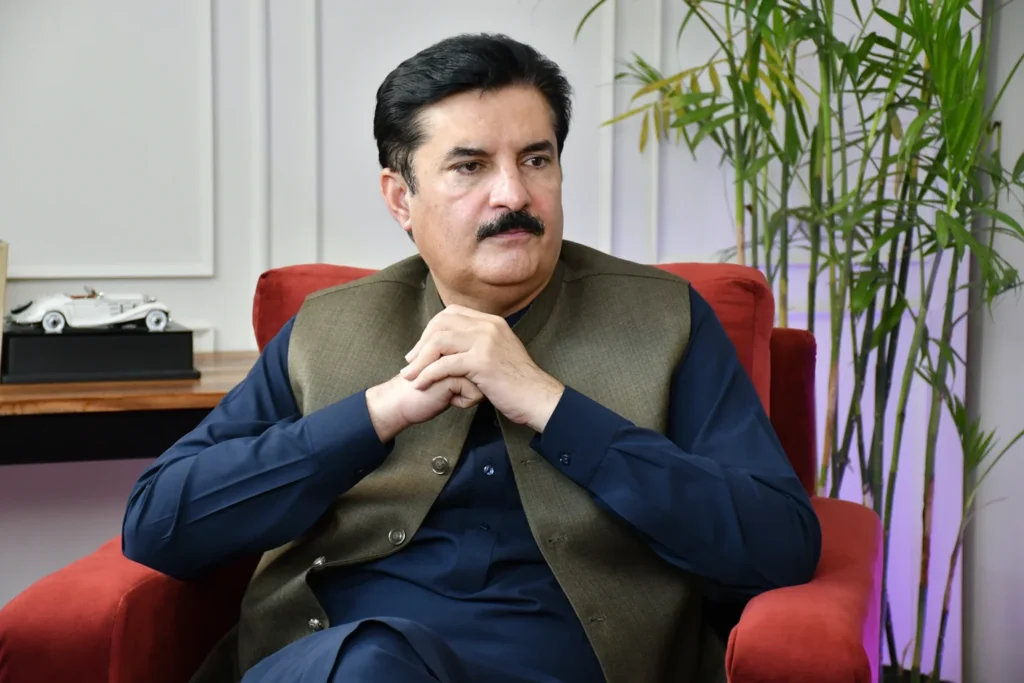
ISLAMABAD — Governor Khyber Pakhtunkhwa Faisal Karim Kundi visited former Pakistan cricket star Shoaib Akhtar’s residence on Saturday to offer condolences after the death of Akhtar’s elder brother, Shahid Akhtar. This visit highlighted the Governor’s commitment to supporting individuals during difficult times. Governor’s Visit Governor Faisal Karim Kundi, joined by Pakistan Peoples Party Central Secretary Information Nadeem Afzal Chan and Member of the National Assembly Noor Alam Khan, visited Shoaib Akhtar’s home. The Governor conveyed his sympathies to Akhtar’s family, mourning Shahid Akhtar’s loss. Governor Kundi expressed deep sorrow over Shahid Akhtar’s demise. He prayed for the departed, asking Almighty Allah to grant eternal peace and elevate his status in Jannat-ul-Firdous. The Governor also prayed that Akhtar’s family would find patience and strength to bear this irreparable loss. Political Attendance High-profile political figures, including Nadeem Afzal Chan and Noor Alam Khan, accompanied the Governor, signifying community and solidarity importance during personal tragedies. Their presence was more than a condolence gesture; it demonstrated the political leadership’s willingness to support both prominent figures and ordinary citizens. Background on Shoaib Akhtar Shoaib Akhtar, affectionately known as the ‘Rawalpindi Express,’ has been an iconic former fast bowler for the Pakistan national cricket team. Esteemed in both national and international sports, Akhtar’s contributions to cricket are widely recognized. His brother’s death is a severe personal loss for him and his family. Governor Faisal Karim Kundi, affiliated with the Pakistan Peoples Party, actively participates in various social and political initiatives in Khyber Pakhtunkhwa. His visit to Akhtar’s home is part of wider efforts to interact with citizens, providing support during challenging times. Community and Empathy The Governor’s visit underscores human connections transcending professional roles, emphasizing political leaders’ roles in morally supporting citizens during personal tragedies. Governor Kundi’s gesture reflects the broader cultural values of empathy and community deeply rooted in Pakistani society. For Shoaib Akhtar, this visit validates his status as a respected figure in Pakistan. Support from top officials not only offers solace but also highlights the significance of his contributions to the nation. It serves as a reminder of the interconnectedness between public figures and their communities. Governor Khyber Pakhtunkhwa Faisal Karim Kundi extended condolences to Shoaib Akhtar for his brother’s passing. Prominent political figures accompanied the Governor, showcasing community support importance. As a respected former cricketer, Akhtar’s loss engaged public empathy. This act reflects the cultural values of empathy and community support in Pakistan. Such leadership actions can bolster public trust and social cohesion.

Pakistan

PDMA Punjab Releases Report on 5.9 Magnitude Earthquake

LAHORE — The Provincial Disaster Management Authority (PDMA) Punjab has released a comprehensive report on the recent earthquake impacting several regions in Punjab. This seismic activity originated from the Hindu Kush region of Afghanistan and was felt on June 27 across districts including Lahore, Faisalabad, Rawalpindi, Attock, Chakwal, Mianwali, Multan, and the Potohar area. Seismic Event Overview The earthquake registered a magnitude of 5.9 on the Richter scale, with its epicenter located in the seismic-prone Hindu Kush region. It struck at a depth of 191 kilometers, which is relatively deep and may help mitigate surface damage. Despite its considerable magnitude, there have been no immediate reports of significant damage or casualties. PDMA Punjab has activated its provincial control room and district emergency operation centers to monitor the situation closely. Response and Inspections Local administrations are actively inspecting buildings and infrastructure for any structural damage. The PDMA has urged citizens to report any damage or emergencies using their helpline, 1129, to ensure quick response and assistance. A PDMA official stressed the importance of preparedness, stating, “Our teams are on high alert and ready to respond to any emergencies. We encourage the public to remain calm and report any incidents of damage to the appropriate authorities.” Seismic Activity Background The Hindu Kush region, the earthquake’s source, is part of a seismically active area known for frequent earthquakes due to complex tectonic plate interactions. Pakistan, especially its northern regions, has experienced numerous significant earthquakes over the years. The PDMA, established for disaster management and mitigation, plays a critical role in coordinating emergency responses and ensuring public safety during these events. Historically, PDMA has effectively managed natural disaster aftermaths, providing relief and rehabilitation to affected communities. Their proactive approach includes regular drills, awareness campaigns, and establishing emergency response protocols. Importance of Preparedness The recent earthquake highlights Pakistan’s vulnerability to seismic activities, particularly in tectonically active regions. The impact of such natural events extends beyond immediate physical damage, disrupting daily life, halting economic activities, and straining public resources. For Punjab, a densely populated province with substantial economic activity, earthquakes’ potential impact necessitates strong preparedness and response mechanisms. The PDMA’s report and actions underscore the need for disaster readiness, infrastructure resilience, and public awareness to minimize risks and enhance recovery efforts. This event also reminds us of the importance of international cooperation in seismic research and disaster management. Collaborative efforts can lead to better predictive models, improved construction codes, and shared emergency response resources. Key Takeaways PDMA Punjab issued a report on a 5.9 magnitude earthquake witnessed across multiple districts. The earthquake’s epicenter was located in Afghanistan’s Hindu Kush region, reaching a depth of 191 kilometers. No significant damage or casualties have been reported, but building inspections are underway. Residents are encouraged to report any damage using the PDMA helpline 1129. The incident stresses the importance of preparedness and resilience in earthquake-prone areas.

Pakistan

Punjab Government Commits to Democratic Values, Says Azma Bokhari

LAHORE — Punjab Minister for Information and Culture Azma Bokhari affirmed on Saturday the provincial government’s commitment to democratic values and parliamentary traditions. Her statement highlighted ongoing political discussions in the Punjab Assembly, where she emphasized fostering a spirit of tolerance and inclusivity. Press Briefing Highlights At a press briefing, Azma Bokhari outlined the Punjab government’s efforts to uphold a democratic environment within the province’s legislative framework. She noted that the government consistently provides the opposition opportunities to voice opinions and participate in Punjab Assembly debates. Bokhari stated, “The present government has always upheld parliamentary traditions, democratic values, and the spirit of tolerance.” Her remarks underscore the administration’s approach to ensuring all political voices are heard and respected. These comments responded to recent criticisms by opposition parties accusing the government of stifling dissent and limiting effective legislative participation. Bokhari refuted these claims, asserting the government’s transparency and openness, facilitating robust debates on provincial issues. Political Landscape and Challenges The Punjab Assembly, as the legislative body of Pakistan’s most populous province, plays a vital role in the region’s political landscape. Historically, it has been a battleground for competing political parties. The current government, led by the Pakistan Muslim League-Nawaz (PML-N), faces challenges from opposition parties like the Pakistan Tehreek-e-Insaf (PTI) and Pakistan Peoples Party (PPP), who often criticize its governance strategies. In recent years, the assembly has seen intense debates concerning economic policies, governance reforms, and social welfare programs. Within this charged atmosphere, the government’s commitment to democratic values is frequently put to the test. Why Democratic Values Matter The Punjab government’s affirmation of democratic principles is significant amid Pakistan’s broader political context. As the country navigates complex political dynamics, upholding democratic values and parliamentary traditions provincially is crucial for stability and public trust in government institutions. For citizens, assurance of elected representatives’ commitment to democratic norms fosters security and confidence in political processes. It also spurs civic engagement, which is vital for a healthy democracy. Enabling opposition parties to express views and engage constructively with the government ensures accountability and transparency. Internationally, Pakistan’s adherence to democratic principles is monitored by global partners and organizations. A steadfast commitment enhances the country’s reputation and strengthens diplomatic relations. It also influences foreign investment, with political stability being a key factor for investors in emerging markets. Key Takeaways Azma Bokhari reiterated Punjab government’s dedication to democratic values and parliamentary traditions. The government facilitates opposition expression in the Punjab Assembly. The affirmation arises amidst critiques on the government’s legislative management.

Pakistan

Volunteer Distributes Free Drinks Amid Heatwave in Islamabad

ISLAMABAD — As temperatures soared in the federal capital, a dedicated volunteer set up a roadside stall on Lehtrar Road, distributing free chilled drinks to relieved passersby. This generous initiative came amidst the severe heatwave affecting Islamabad and its surroundings. Volunteer Initiative in Action On an intensely hot day, the volunteer took it upon themselves to offer free chilled beverages on Lehtrar Road. Strategically located, the stall drew many individuals seeking respite from the searing sun. The anonymous volunteer aimed to help others manage the extreme weather conditions. Islamabad’s heatwave has forced temperatures significantly higher, pushing citizens to find ways to stay cool. The free drink provision was a welcome gesture, notably for those outdoors due to work or other commitments. Community Support During Heatwave This effort was part of a larger community drive to aid those impacted by the heatwave. Local residents have been encouraged to contribute, providing water, shade, or other forms of relief. Such solidarity is crucial in times of environmental stress. Background on Islamabad’s Climate Islamabad, like much of Pakistan, faces extreme summer temperatures. The current heatwave has been particularly sharp, with temperatures soaring past seasonal averages. This situation has spiked demand for cooling solutions like air conditioning and fans, straining the city’s power supply. Traditionally, community initiatives have been vital in offering relief during such periods, with past efforts including water distribution, temporary shelters, and heat illness awareness campaigns. Significance of Community Efforts The anonymous volunteer’s efforts highlight the importance of community unity amid environmental challenges. As climate change continues to alter global weather patterns, more frequent, severe heatwaves are likely. This situation necessitates adaptation and mutual support within communities. Economically, heatwaves dramatically affect productivity, particularly for outdoor workers in construction and agriculture, which are crucial to Pakistan’s economy. Social efforts like the drinks stall promote community responsibility and inspire others to help in their capacities. Key Points A volunteer provided free chilled drinks on Lehtrar Road during the heatwave. This initiative offered relief in Islamabad’s soaring temperatures. Community efforts are crucial against climate change-induced extreme weather. Economic and social factors highlight the need for community solidarity. Climate change necessitates adaptive measures due to increased heatwaves. Source Attribution The information for this article was sourced from the Associated Press of Pakistan (APP). The report provided a brief overview of the volunteer’s generous act.

Pakistan

Craftsman Revives Traditional Khus Coolers at Rawalpindi Workshop

RAWALPINDI — A skilled craftsman is diligently repairing traditional khus (vetiver grass) coolers at a roadside workshop in Rawalpindi, offering a sustainable solution to beat the summer heat. These eco-friendly coolers are gaining popularity as temperatures soar, providing an alternative to electric air conditioning. The Revival of Khus Coolers This craftsman, with over two decades of experience working with khus grass, is part of a dedicated group of artisans keeping this traditional craft alive. At his workshop on a bustling Rawalpindi street, he meticulously weaves vetiver grass into cooler frames, securing each piece to enhance the cooling effect. “These coolers are not only environmentally friendly but also cost-effective,” the craftsman explained. “They use minimal electricity and provide a natural cooling effect that is soothing and refreshing.” The demand has surged as more seek sustainable cooling options amid rising electricity costs and power outages. Crafting Process and Materials Using locally sourced materials, the craftsman crafts each cooler by hand. Depending on the size and complexity of the design, this process can take several days. Vetiver grass, known for its cooling properties, enhances the natural breeze when water circulates through the cooler. Historical Context of Khus Coolers Khus coolers have been a staple in South Asian households for centuries, especially in hot, dry regions. The use of vetiver grass dates back to ancient times for heat relief. Historically, these coolers were common in homes and public spaces before modern air conditioning systems emerged. Recently, traditional cooling methods have regained interest due to their environmental benefits and cost-effectiveness. As climate change intensifies heatwaves, sustainable cooling solutions like khus coolers are becoming increasingly important. The Significance of Khus Coolers Khus coolers offer a low-cost alternative to electric air conditioning, often too expensive for many Pakistani households. With rising electricity prices and frequent power shortages, they provide a reliable solution that operates independently of the grid. Environmentally, these coolers are a sustainable choice, consuming less electricity than conventional air conditioners and reducing household carbon footprints. This is crucial as Pakistan tackles challenges like air pollution and resource scarcity. Socially, reviving khus cooler craftsmanship supports local artisans, preserving traditional skills passed down through generations. Choosing these coolers allows consumers to make environmentally conscious choices while supporting local economies and cultural heritage. Globally, the trend towards sustainable cooling aligns with efforts to combat climate change by reducing energy use and promoting green technologies. As Pakistan urbanizes and develops, adopting these methods could serve as a model for other nations facing similar challenges. A Rawalpindi craftsman is reviving the traditional craft of khus cooler making. Khus coolers are an eco-friendly, cost-effective alternative to electric air conditioning. This resurgence supports local artisans and cultural heritage preservation. Traditional cooling methods align with global sustainable practices.

Scroll to Top