
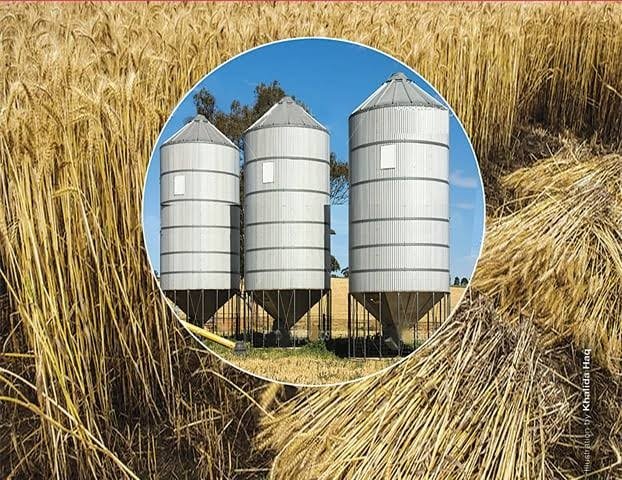
LAHORE — The Punjab government has initiated a Rs20 billion public-private partnership to develop modern wheat storage facilities across the province. This initiative aims to address Pakistan’s significant wheat storage deficit, estimated between 20 to 25 million metric tonnes, by reducing post-harvest losses, bolstering food security, and ensuring a steady supply of wheat.
What Happened
The Punjab government announced a comprehensive plan to construct advanced wheat silos throughout the province. This Rs20 billion project is a collaborative effort between the public and private sectors, designed to modernize the existing storage infrastructure. The initiative will include the establishment of on-farm silos, which will directly benefit farmers by minimizing post-harvest losses and improving the overall efficiency of wheat storage.
The plan is part of a broader strategy to enhance food security in Pakistan by ensuring that wheat, a staple food, is adequately stored and preserved. The government aims to mitigate the challenges posed by inadequate storage facilities, which have historically led to significant losses in wheat stocks. By implementing modern storage solutions, the Punjab government seeks to stabilize wheat supplies and prices, ultimately benefiting consumers across the country.
Provincial officials emphasized the importance of this initiative, noting that it is crucial for meeting the growing demand for wheat in Pakistan. They highlighted that the new storage facilities would not only increase capacity but also improve the quality of stored wheat, thereby reducing reliance on imports and enhancing the country’s self-sufficiency in food production.
Background
Pakistan has long faced challenges in managing its wheat supply due to inadequate storage infrastructure. The country’s wheat production is substantial, yet post-harvest losses have been a persistent issue, exacerbated by outdated storage methods. Historically, Pakistan has relied on traditional storage practices that are prone to spoilage and pest infestations, leading to significant wastage.
In recent years, the government has recognized the need for modernizing agricultural infrastructure to support the country’s growing population and ensure food security. The introduction of public-private partnerships in the agricultural sector has been a key strategy in addressing these challenges. By leveraging private sector expertise and investment, the government aims to create sustainable and efficient storage solutions that can withstand the pressures of increasing demand and environmental changes.
Why It Matters
The expansion of wheat storage facilities in Punjab is a critical step towards enhancing food security in Pakistan. Wheat is a staple food for the majority of the population, and ensuring its availability is vital for maintaining social stability and economic growth. By reducing post-harvest losses, the government can ensure a more consistent supply of wheat, which in turn can stabilize prices and reduce the need for costly imports.
This initiative also has significant economic implications. By improving storage infrastructure, the government can increase the efficiency of the wheat supply chain, reducing costs for both producers and consumers. This can lead to lower prices for wheat-based products, benefiting consumers and supporting the livelihoods of farmers.
Furthermore, the project aligns with global trends towards sustainable agriculture and food security. By adopting modern storage technologies, Pakistan can enhance its resilience to climate change and other environmental challenges that threaten food production. This initiative positions the country as a proactive player in addressing global food security issues.
Key Takeaways
- The Punjab government has launched a Rs20 billion initiative to expand wheat storage facilities.
- The project aims to address Pakistan’s 20 to 25 million metric tonne wheat storage gap.
- Modern storage infrastructure will reduce post-harvest losses and improve food security.
- The initiative involves a public-private partnership to leverage expertise and investment.
- Improved storage solutions will stabilize wheat supplies and benefit consumers and farmers.
Source Attribution
This article is based on official government statements, press releases, and public communications from relevant authorities.














